Bill Proposes Six More Vacation Days for Mexican Workers
This article by Gerardo Hernández originally appeared in the December 1, 2025 edition of El Economista.
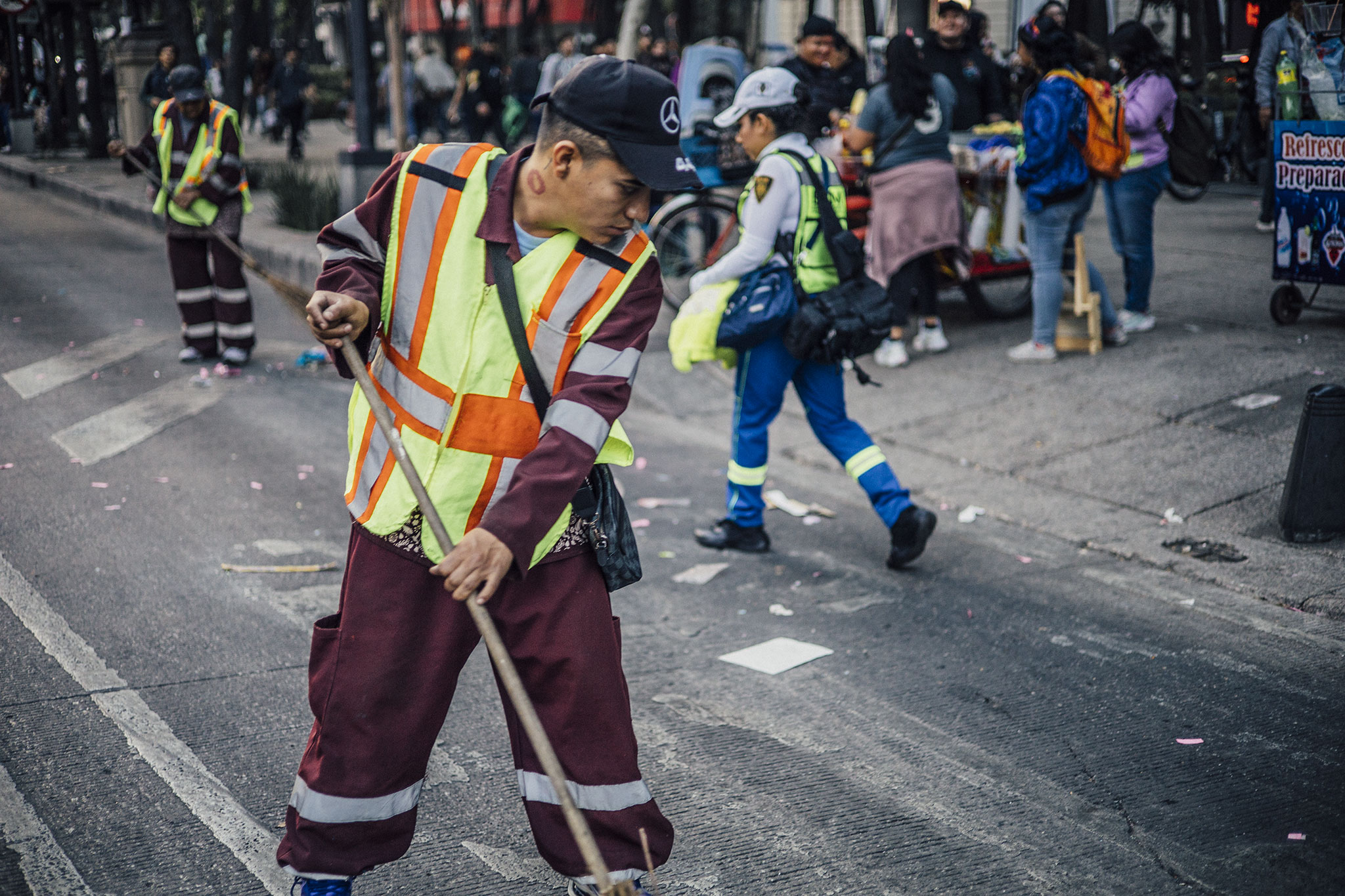
This week, a bill was introduced in the Chamber of Deputies to add six mandatory rest days to the Federal Labor Law (LFT), increasing the number of holidays for workers from 9 to 15. In addition to expanding the number of holidays , the proposed reform also includes the creation of three more long weekends: in May, June, and October.

The initiative is promoted by Congressman Emilio Suárez Licona (PRI). The legislator argues that Mexico still lacks policies that contribute to work-life balance; working hours are often long and work-related stress is frequent among the population. Extending mandatory rest days seeks to support this change.
“Having more days off allows for stronger relationships and alleviates the burden of family care. Shorter workdays reduce absenteeism, sick leave, and burnout, while increasing job satisfaction, job retention, and business productivity,” the federal deputy states in the bill.
Mandatory rest days are established in article 74 of the Federal Labor Law, currently it contemplates nine dates, of which only seven are repeated every year, one depends on the election day and one more, is only enjoyed when the head of the Executive Power changes, something that happens every six years.
This is Mexico’s current list of holidays:
- January 1st for New Year’s Day
- The first Monday of February, for the Anniversary of the Constitution (February 5)
- The third Monday of March, for the birthday of Benito Juárez (March 21)
- May 1st, International Workers Day
- September 16th, Independence Day
- On October 1st, through the transfer of the Executive Branch
- The third Monday of November for the Anniversary of the Revolution (November 20)
- December 25th for Christmas
- The dates determined by the electoral authorities for ordinary elections.
The proposal presented in Mexico’s Chamber of Deputies suggests incorporating the following dates:
- February 24th, Flag Day
- March 8th, International Women’s Day
- The second Monday of May in commemoration of May 5th, the Day of the Battle of Puebla
- The fourth Monday of June in commemoration of June 30, Day of Dignity of Indigenous Peoples
- The second Monday of October in commemoration of October 12, Pluricultural Nation Day
- December 12th, for the Day of Mestizo Pride and Mexican Identity.
The project proposes that this update come into effect on January 1st of the year following its publication in the Official Gazette of the Federation (DOF).
Days Off: 9 Legislative Attempts
With this initiative, the Congress of the Union has accumulated nine projects in the current legislature that seek to expand the list of holidays for workers, most of the efforts have been concentrated in the Chamber of Deputies.
Other proposals have also suggested including Holy Thursday and Good Friday, and November 1st and 2nd for the Day of the Dead festivities. However, none of these initiatives have been approved so far.
According to a study by the International Labour Organization (ILO), Mexico is one of the countries with the fewest mandatory rest days for workers, along with Paraguay and Nicaragua, economies that also recognize only 9 holidays in their labor legislation.
According to the report Organization of working time in Latin America: How many vacation and holiday days are there?, economies in the region grant between 13 and 14 official holidays per year, a threshold that Mexico is still far from.
-
Trump at the UN: Accuses Mexico of Being the “Epicenter” of Drug Trafficking, but Highlights Progress with Its Government
“Mexico has to take back control of its land from the enemies of humanity,” Trump told the UN General Assembly, calling cartels the ISIS of the Western Hemisphere.
-
41.4% of Mexican Households Supplement Income with Government Programs
Up from 25% in 2020, according to Mexico’s statistics institute, which also found half of all homes now get some income beyond wages.
-
People’s Mañanera September 22
President Sheinbaum’s daily press conference, with comments on corruption prevention, anti-corruption reforms, public debt, privileged pensions, and dual nationality.