Mexico’s Federal Labour Center Anticipates More Sanctioning Tools in 2026
This article by María del Pilar Martínez originally appeared in the January 4, 2026 edition of El Economista.
The Federal Center for Conciliation and Labor Registration (CFCRL) anticipates that 2026 will mark a new stage in the application of the labor model in Mexico , with the possible incorporation of sanctioning powers that allow addressing violations of union freedom and collective bargaining from the national level, without the need for cases to escalate to international disputes.
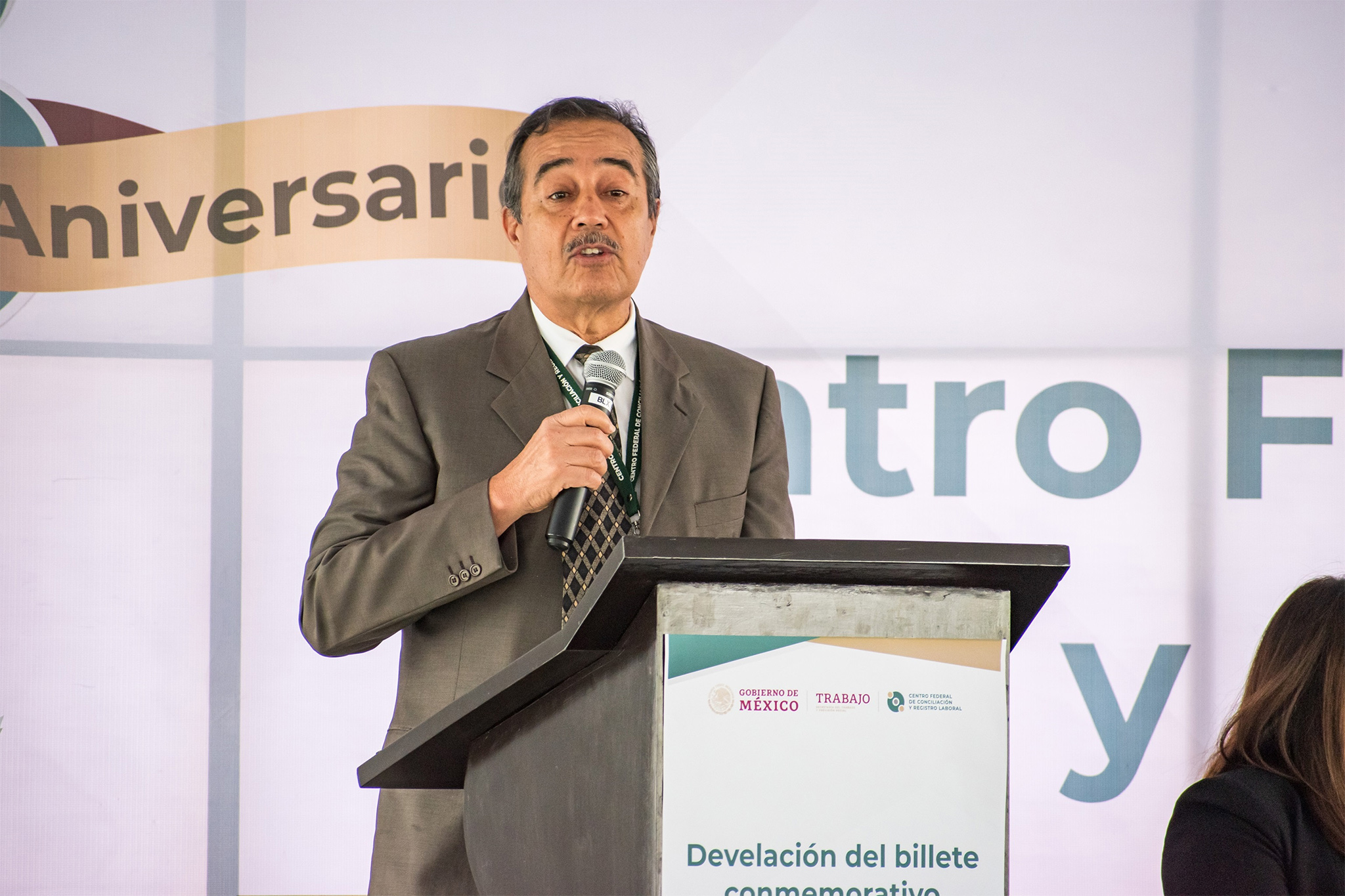
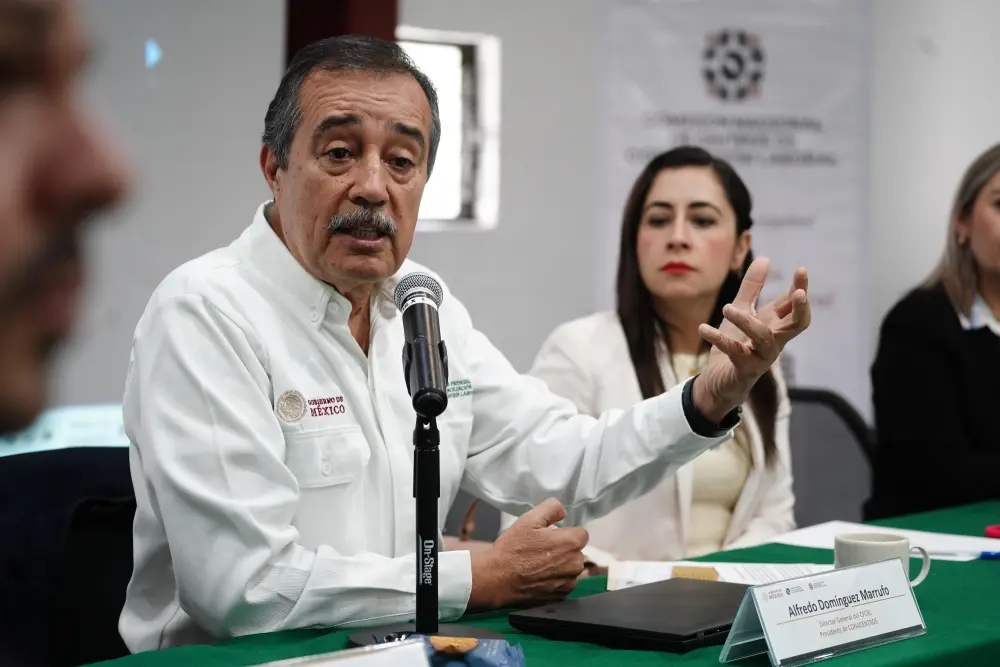
Alfredo Domínguez Marrufo, Director General of the CFCRL, stated in an interview with El Economista that there is a “great expectation” that the Center will have legal instruments to strengthen its actions. “The idea is to be able to address these issues at home, without necessarily having to wait for an international complaint to be filed,” he explained.
For businesses, this scenario implies an environment of increased scrutiny and stricter enforcement of labor regulations, particularly regarding union activity, collective bargaining, and non-interference by employers. The reform that would grant these powers has already been approved by the Chamber of Deputies and remains pending in the Senate, thus continuing to be a key issue on the regulatory agenda.
Institutional strengthening will be accompanied by a budget increase in 2026. Domínguez Marrufo acknowledged that, after a year of restrictions, the increase in resources represents operational relief: “It gives us a breath of fresh air,” he stated, highlighting that it will allow for the promotion of projects such as the expansion of inspectors and online monitoring of labor obligations.
Internationally, the CFCRL anticipates that the review of the USMCA’s Rapid Response Labor Mechanism (RRLM) will not entail substantive changes, although it will involve adjustments to the protocol. “I don’t foresee fundamental changes , but rather nuances, definitions, and adjustments to the protocol,” the official stated, emphasizing the need to provide greater certainty and avoid “flexible” interpretations of the rules.
Domínguez Marrufo defended the role of the MLRR by pointing out that, even with the excesses that have been observed, “it has served somewhat to send a very clear message to employers who are tempted to depart from the principles of non-interference in union life and good faith negotiation.”
However, structural challenges to the model persist. Union transparency remains an unresolved issue, as many unions do not fully submit reports on the use of dues. Regarding representativeness, the rigor of the processes has also revealed a high level of vetting. “Practically half are rejected,” noted the director of the CFCRL, referring to applications for certification that do not demonstrate the minimum support of 30% of the workers.
Looking ahead to 2026, the message for businesses is clear: the Mexican labor model is moving towards a phase of greater institutional maturity, with greater supervisory capacity, more precise rules, and a growing emphasis on resolving labor disputes within the country before they become a trade risk under the USMCA.
-
“Washington Stole the Election from Me. It Happened in Honduras and It Can Happen in Mexico”
In an interview with Sin Embargo, the Honduran ex-candidate says Trump’s attacks and the Juan Orlando Hernández pardon were a planned operation, and urges the left to organize.
-
Defense of Sovereignty “Is Not Rhetoric, It’s Principles,” Sheinbaum Says
Sheinbaum recalled foreign pressure on Mexico in the 19th and 20th centuries and blamed the neoliberal governments and Calderón for opening the door to U.S. influence.
-
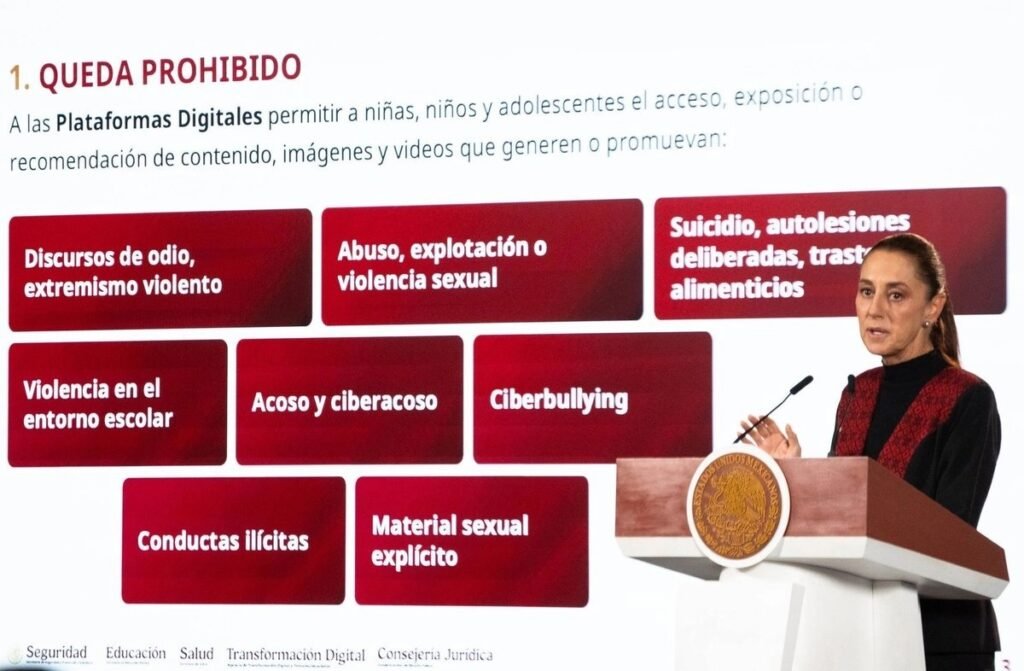
Sheinbaum Presents Draft Decree to Force Digital Platforms to Take Down Content That Incites Violence and Hate
No fines for now: the government will talk with tech companies before publishing the decree next week, a promise made after the Coahuila school attack.