Anti-Fuel Theft Program Stalled
This article by Juan Carlos Rodríguez originally appeared in the March 3, 2026 edition of El Sol de México.
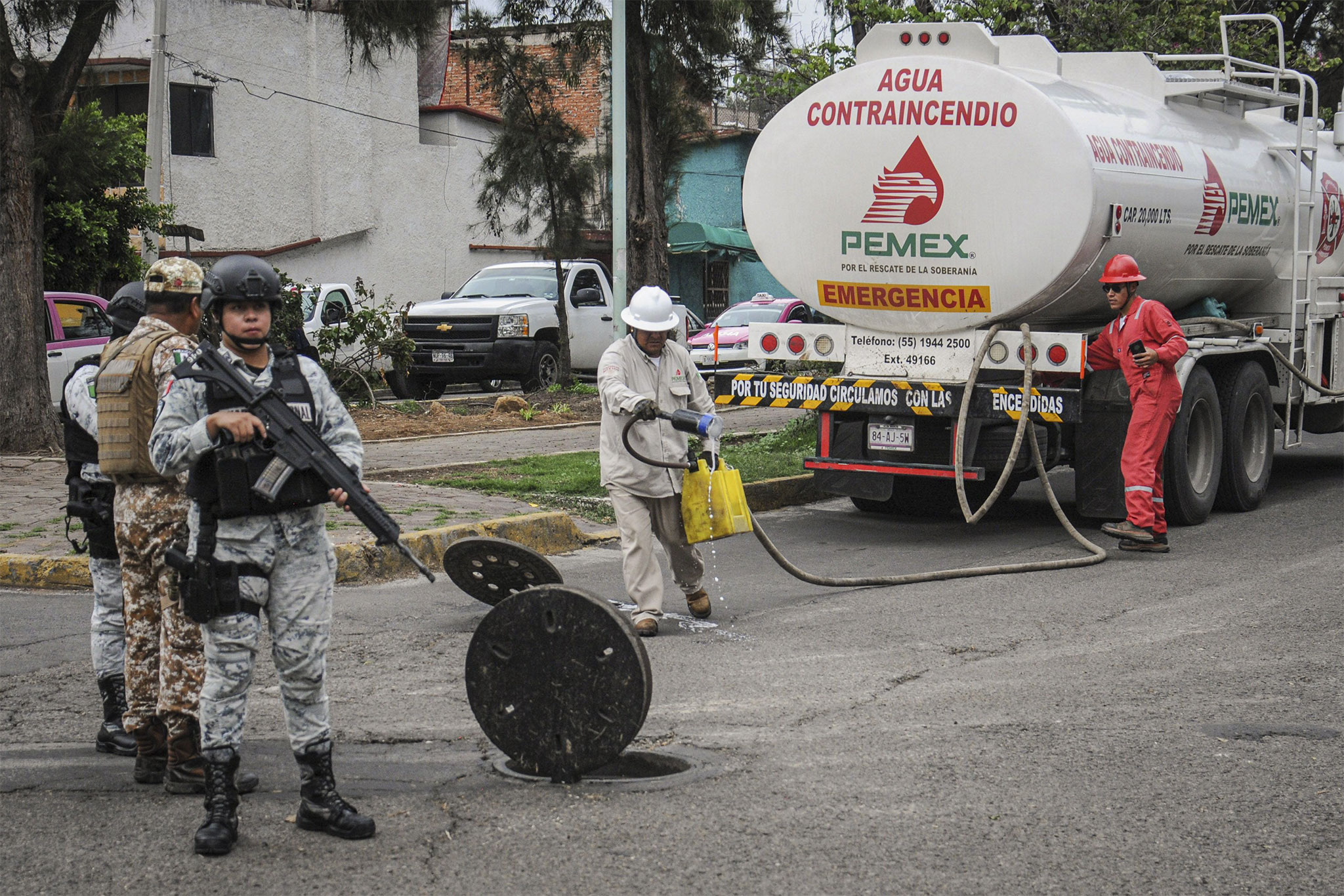
While the theft and smuggling of hydrocarbons in Mexico is measured in millions of liters, the National Energy Commission’s (CNE) program to help contain this illicit activity is progressing in dribs and drabs.
Two months after the requirement came into effect for all hydrocarbon, LP gas and petroleum product transport units to carry a QR code and GPS geolocation systems, only a third of the vehicles have complied with this regulation.
In Mexico, it is estimated that there are around 1.2 million units that transport fuels ; however, only about 3,725 QR codes have been issued, according to information obtained by El Sol de México through a request via the National Transparency Platform.
Regarding liquefied petroleum gas, 1,373 QR codes have been provided, of which 1,182 correspond to distribution permits and 191 to transport permits ,” explains the CNE in its response, as of February 4 of this year.
In the area of petroleum products, 2,352 QR codes have been granted, of which 252 are distribution permits and 2,100 are transport permits by means other than pipelines.
In total, these permits cover some 360,000 delivery vehicles, tank trucks, tank ships, semi-trailers and tractor-trailers that, since January 1 of this year, should carry the markings to monitor their routes, as well as loading and unloading operations.
On September 23, the Director General of the CNE, Juan Carlos Solís Ávila, published in the Official Gazette of the Federation an agreement ordering that all vehicles that transport or distribute fuels must carry identification data in order to prevent illegal activities.
The marking system includes semi-trailers, tank trucks, tractor-trailers, tank cars and delivery vehicles associated with each permit, allowing for effective tools for detecting illicit conduct, as well as improving the traceability of transported products, the agreement states.
Likewise, the commitment considered it essential that all vehicle units associated with the transportation and distribution activities of petroleum products, LP gas and petrochemicals by means other than pipelines have a global positioning system (GPS) , which allows real-time monitoring of the vehicles.
This technological tool not only allows the verification of permitted activities, but also contributes to providing greater security and certainty to the people who carry out this activity in order to “mitigate the negative impacts caused by the theft of vehicle units, as well as by the diversion of products and the improper use of authorized vehicles,” the document highlights.
Originally, a 15-day period was given to process and acquire the sticker and the code that includes vehicle data and a QR code. However, given the complexity of the operation, the deadline was extended to December 31, 2025. But even with the extension, the process has been slow.
And while the distribution of stickers has been staggering, the distribution of GPS devices is even worse. This publication requested an estimate from the National Electoral Council (CNE) of the number of vehicles already equipped with geolocation systems, but no information is available.
“This Hydrocarbons Unit does not currently have the requested information; this is because the integration of statistics that break down said data is in the implementation phase,” the agency stated.
El Sol de México also asked the CNE the number of units and/or permit holders that have been sanctioned for not complying with the new requirements to prevent fuel theft, but the data is not available either.
“This Hydrocarbons Unit does not have the requested information, since the Verification Unit is the area that, within the scope of its supervisory, verification and sanctioning powers, can have it.”
Last November, Petróleos Mexicanos (Pemex) considered that illicit activities related to fuels, including so-called fiscal fuel theft, are likely to persist, according to the report it sent to the United States Securities and Exchange Commission (SEC).
In its third-quarter report, the oil company listed several risks, such as theft, diversion, and manipulation of crude oil, natural gas, and refined products from its pipeline network.
Pemex added that these acts include the illegal extraction of hydrocarbons, such as clandestine taps on its pipelines, and the illegal trade of fuels, such as those brought into the country through tax evasion, a practice known as fiscal fuel theft.
Juan Carlos Rodríguez is a reporter with three decades of experience chasing uncomfortable stories.
-
Jáuregui’s Defense Demands That Mexico’s Attorney General Summon Governor Maru Campos to Say What She Knows About the CIA
His lawyer says all the evidence points to the late state investigations chief, and that Campos changed her version of what she knew on Latinus.
-
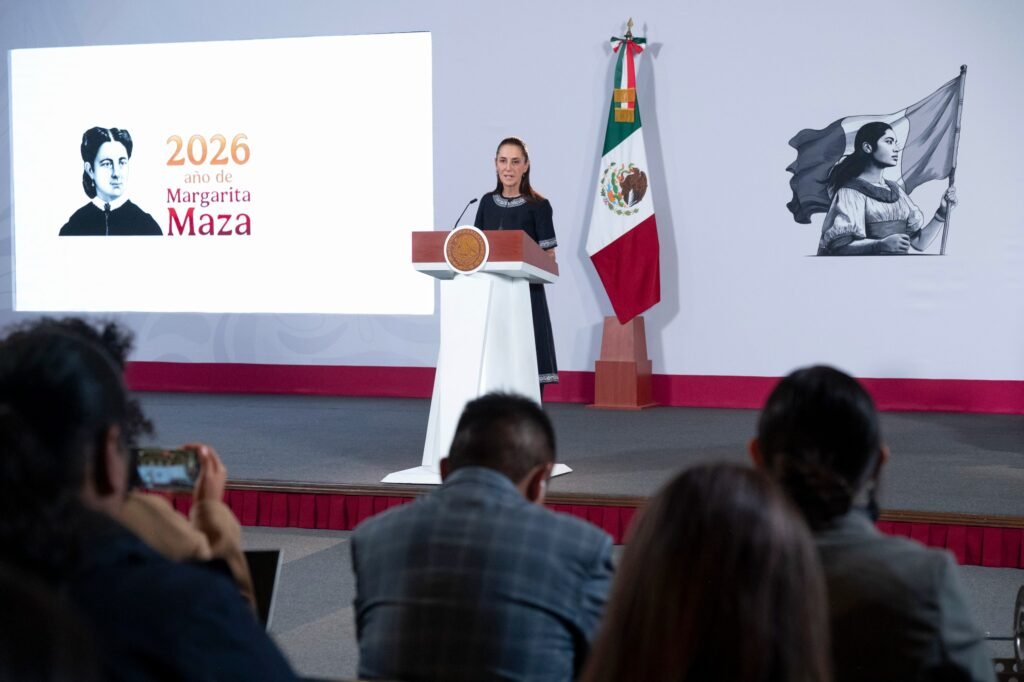
People’s Mañanera October 21
President Sheinbaum’s daily press conference, with comments on Pemex, fuel theft, Jalisco’s water crisis, missing persons, and the lie detector.
-
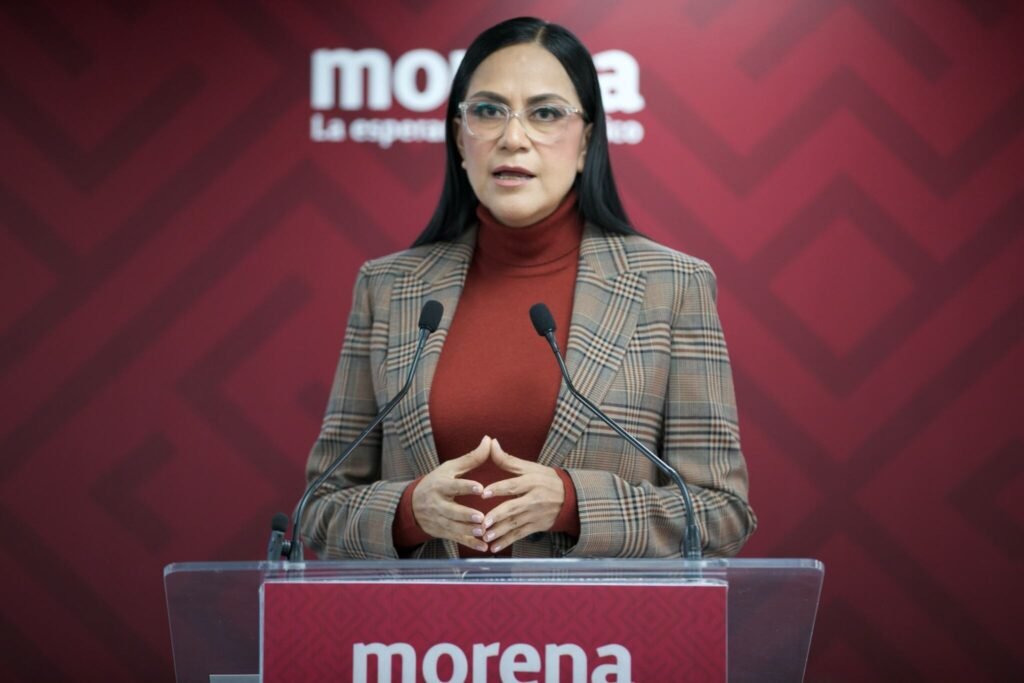
Jáuregui’s Arrest Does Not Close the CIA Case in Chihuahua; Morena Demands Broader Investigations
Morena leader Ariadna Montiel holds Governor Maru Campos politically responsible and says ex-prosecutor Guillermo Zuany must also face justice.