Mexican Navy Searching for Nuestra América Convoy Sailboats in Caribbean en Route to Cuba
This article by Daniela Wachauf originally appeared in the March 26, 2026 edition of El Universal.
Editor’s note: The US Coast Guard had erroneously reported that the passengers are “safe and sound” and that the two vessels have made it to Cuba.
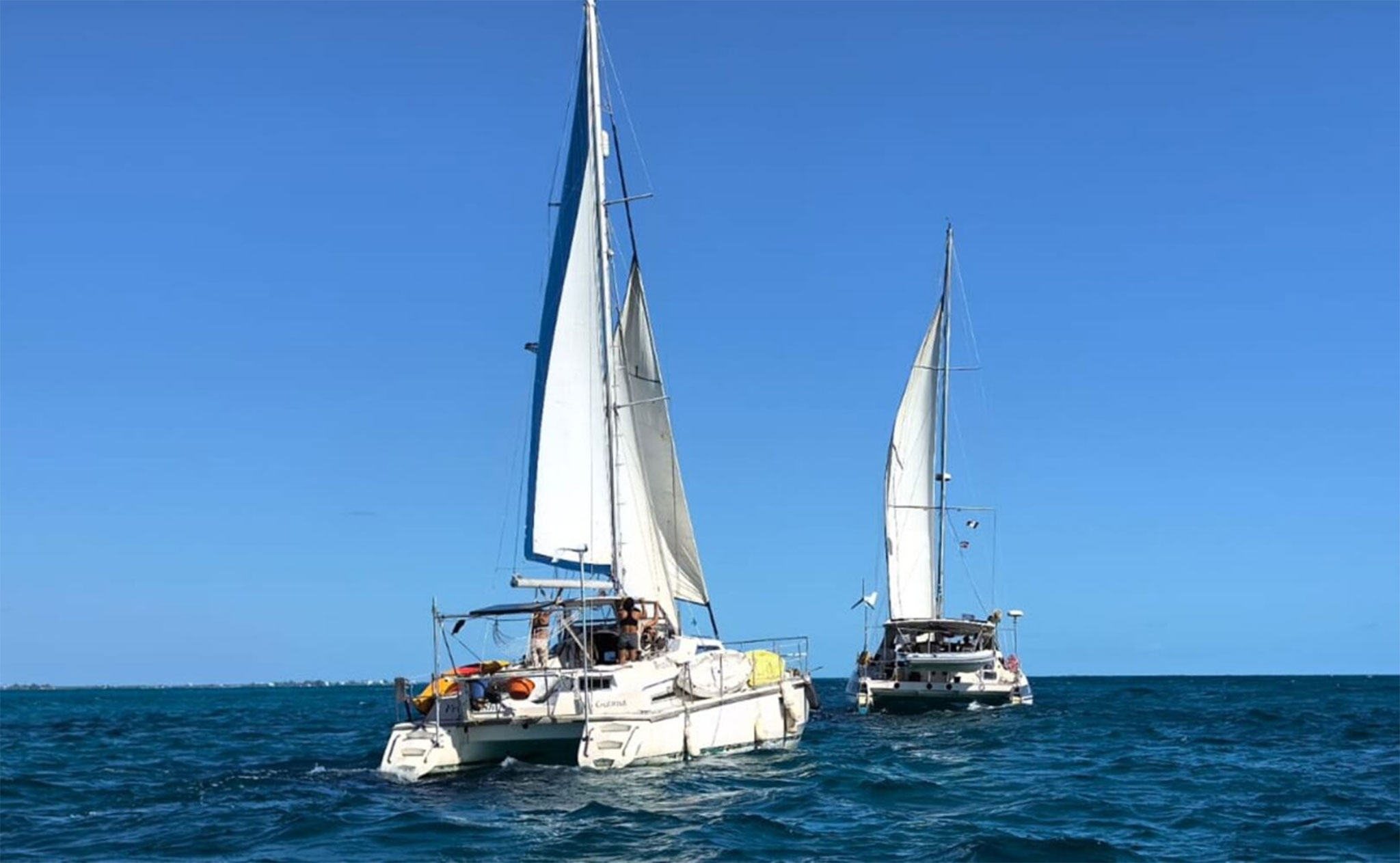
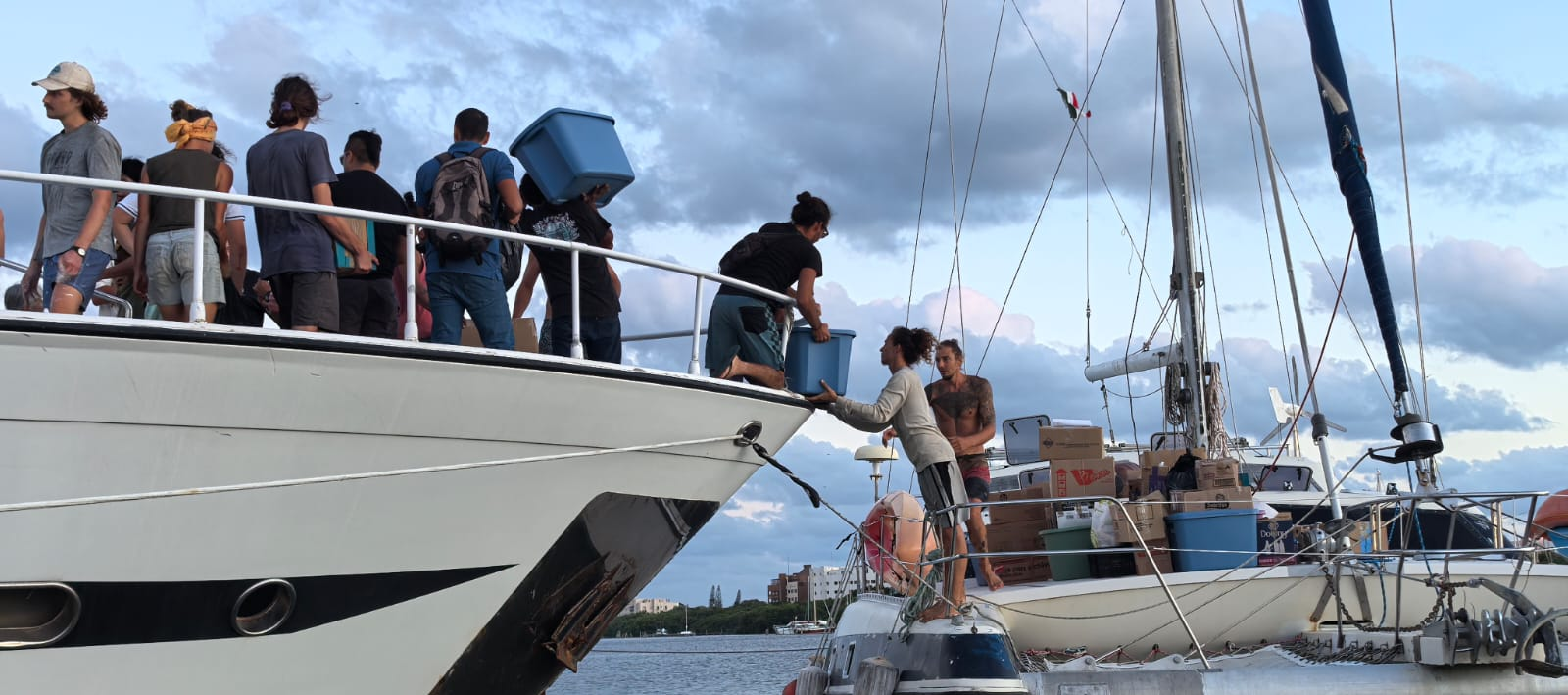
The Mexican Navy (SEMAR) reported that it activated the Navy Plan to locate two sailboats carrying nine crew members of different nationalities, with the objective of delivering humanitarian aid in Havana, Cuba.
These ships set sail on March 20 from Isla Mujeres, Quintana Roo “without any communication or confirmation of their arrival to date.”
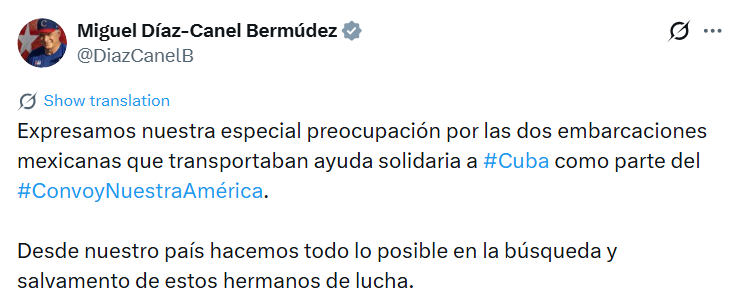
The vessels were scheduled to arrive between March 24 and 25, so the protocols were activated, in compliance with the responsibility of the Mexican State to safeguard human life at sea.
In a statement, the agency indicated that as part of the actions implemented, the Naval Commands of the Fifth Naval Region, Ninth Naval Zone, based in Isla Mujeres and Yucalpetén, were alerted.
As well as the Naval Search, Rescue and Maritime Surveillance Stations (ENSAR) of those commands, in addition to issuing notices to the maritime community, with the purpose of expanding location capabilities.
Also, inter-institutional coordination was established with the Port Captaincy of Isla Mujeres, Quintana Roo, technical bodies for the analysis of maritime information, which allows strengthening the planning of operations and optimizing decision-making.
The Mexican Navy (SEMAR) emphasized that international coordination is maintained through communication with shipping agencies and Maritime Rescue Coordination Centers (MRCCs) in Poland, France, Cuba, and the United States, as well as diplomatic representations of the countries of origin of the people on board, in order to strengthen cooperation and the exchange of information in real time.
Regarding field operations, surface and air units have been deployed, including Persuader aircraft, which are carrying out maritime and air search patterns on the estimated route between Isla Mujeres and Havana, considering the planned course, possible points of change of course, as well as the prevailing weather conditions and sea currents in the region.
“Likewise, permanent monitoring and continuous analysis of available information is maintained, which allows for the updating of the search action plan and the definition of probable drift zones, with the aim of increasing the probability of locating the vessels,” the agency emphasized.
Furthermore, he called upon the national and international maritime community, including commercial, fishing, recreational vessels and platforms operating in the Caribbean and Gulf of Mexico, to immediately report any information or sightings of the aforementioned vessels to the nearest naval authorities.
The actions are carried out under international search and rescue protocols, prioritizing at all times the protection of human life at sea.
The Mexican Navy reiterated its commitment to use all available resources to locate the vessels and safeguard their crews.
Ships Were Part of the Nuestra América Flotilla Initiative
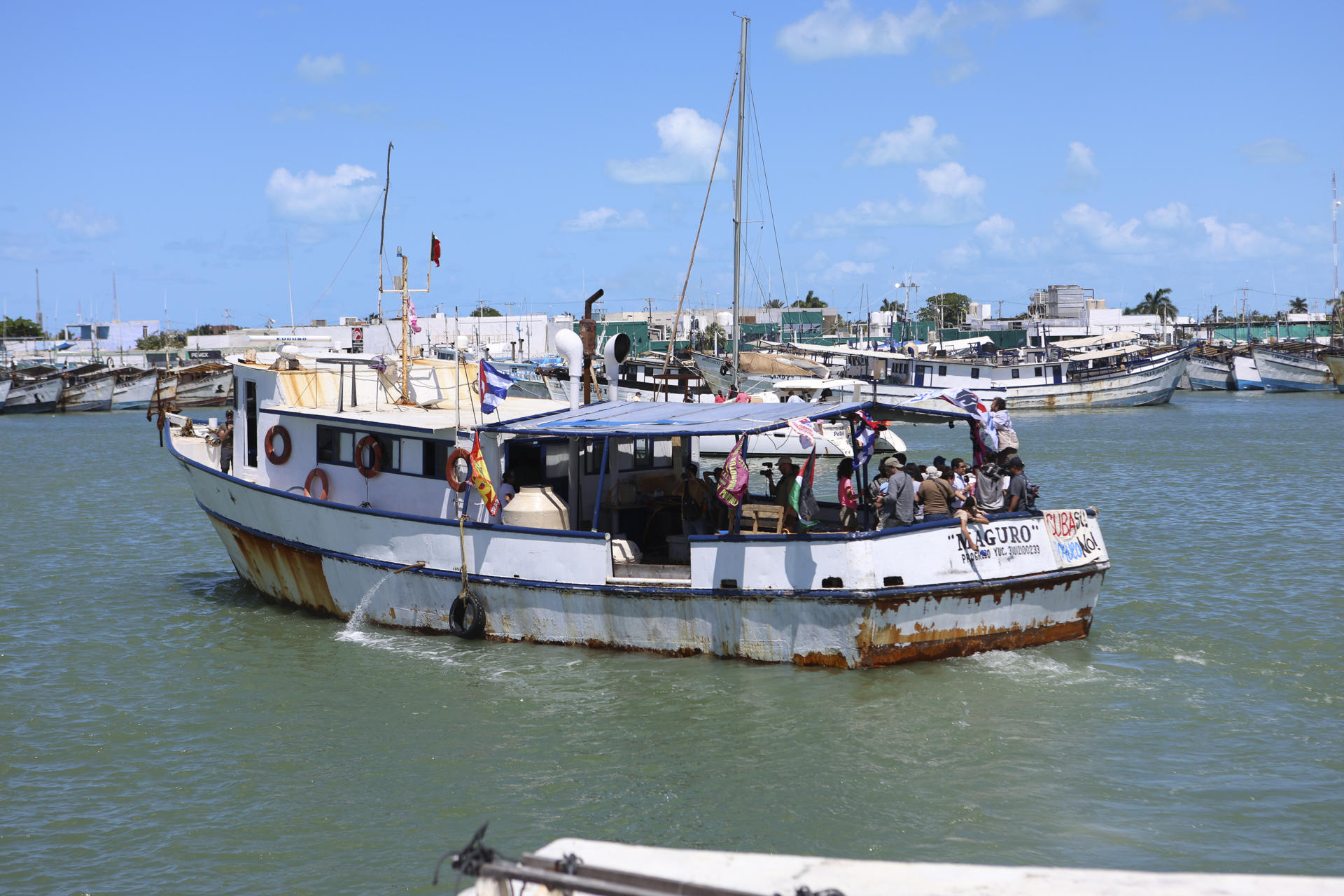
Last Friday, March 20, EL UNIVERSAL reported that two ships from the Nuestra América Flotilla initiative, made up of 10 crew members, including a four-year-old child, were preparing to leave Isla Mujeres, Quintana Roo, Mexico , bound for Cuba.
According to the mission coordinator, the mission consisted of two catamarans named Friends ship and Tiger moth, with between two and three tons of medicines and food supplies.
-
Sheinbaum Backs UN Resolution on Pedro Castillo
Sheinbaum backed a UN panel that found Castillo’s detention arbitrary, said his ouster lacked the votes Peruvian law required, and signaled Mexico is open to restoring ties with Lima.
-
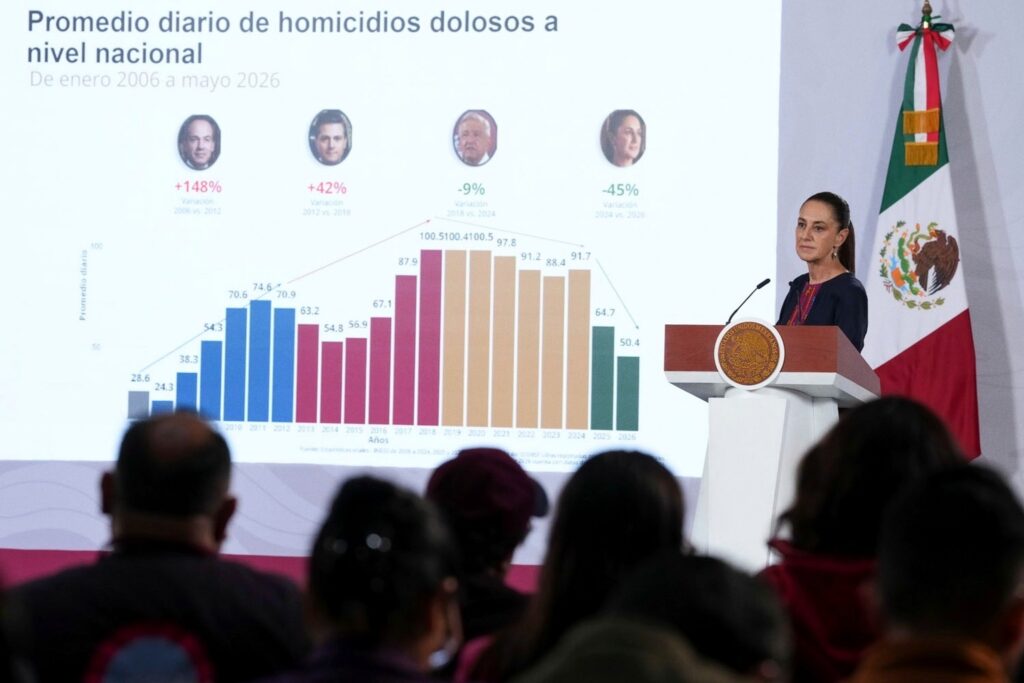
Under Calderón There Was Interference, Deals With Cartels, and Violence Increased: Sheinbaum
Sheinbaum said Calderón’s pacts with the Sinaloa Cartel and unchecked US operations drove homicides up 148%, citing Fast and Furious.
-
Centro Fox, a Little Gift from the Elites Thanks to Tax Favors, Will Become a Catholic School
Former Mexican President Vicente Fox handed his elite-funded complex, bankrolled by Slim, Azcárraga and Salinas, to a Catholic order on a 100-year loan.