Mexican Government Reports Progress in Atoyac Cleanup; Textile Discharges, Main Challenge: Sheinbaum
This article by Arturo Sánchez Jiménez and Alma E. Muñoz originally appeared in the July 16, 2026 edition of La Jornada, Mexico’s premier left wing daily newspaper.
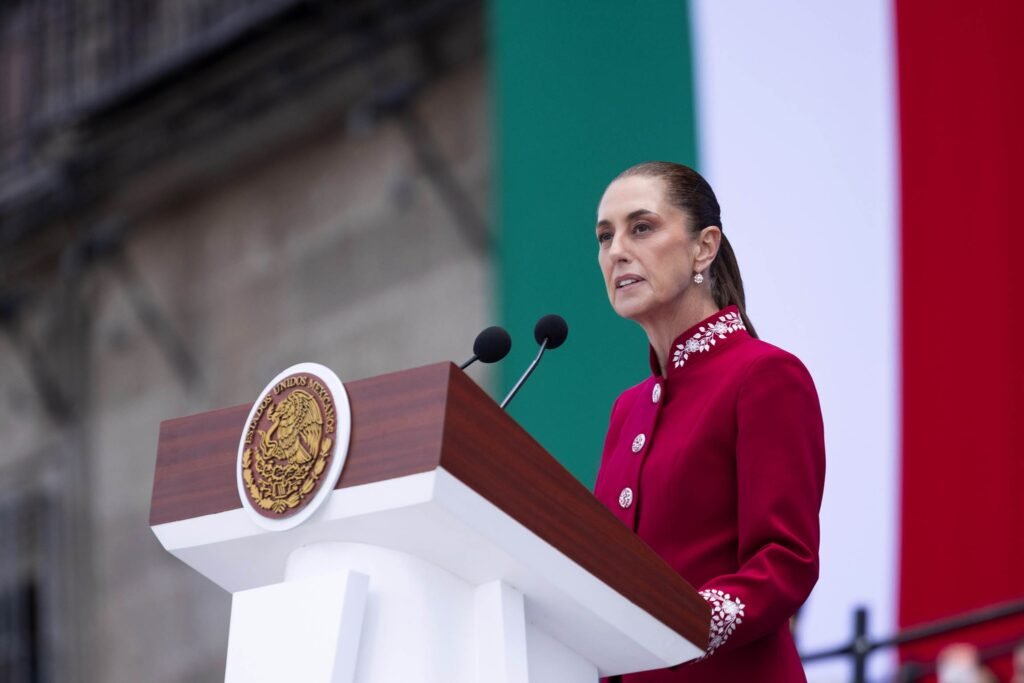
Mexico City. One year after the start of the recovery work on the country’s main polluted rivers, the federal government reported this Thursday that it has inspected 280 companies, imposed fines totaling 56 million pesos, and shut down eight establishments, while President Claudia Sheinbaum Pardo warned that discharges from the textile industry remain the most complex problem in the cleanup of the Atoyac River.
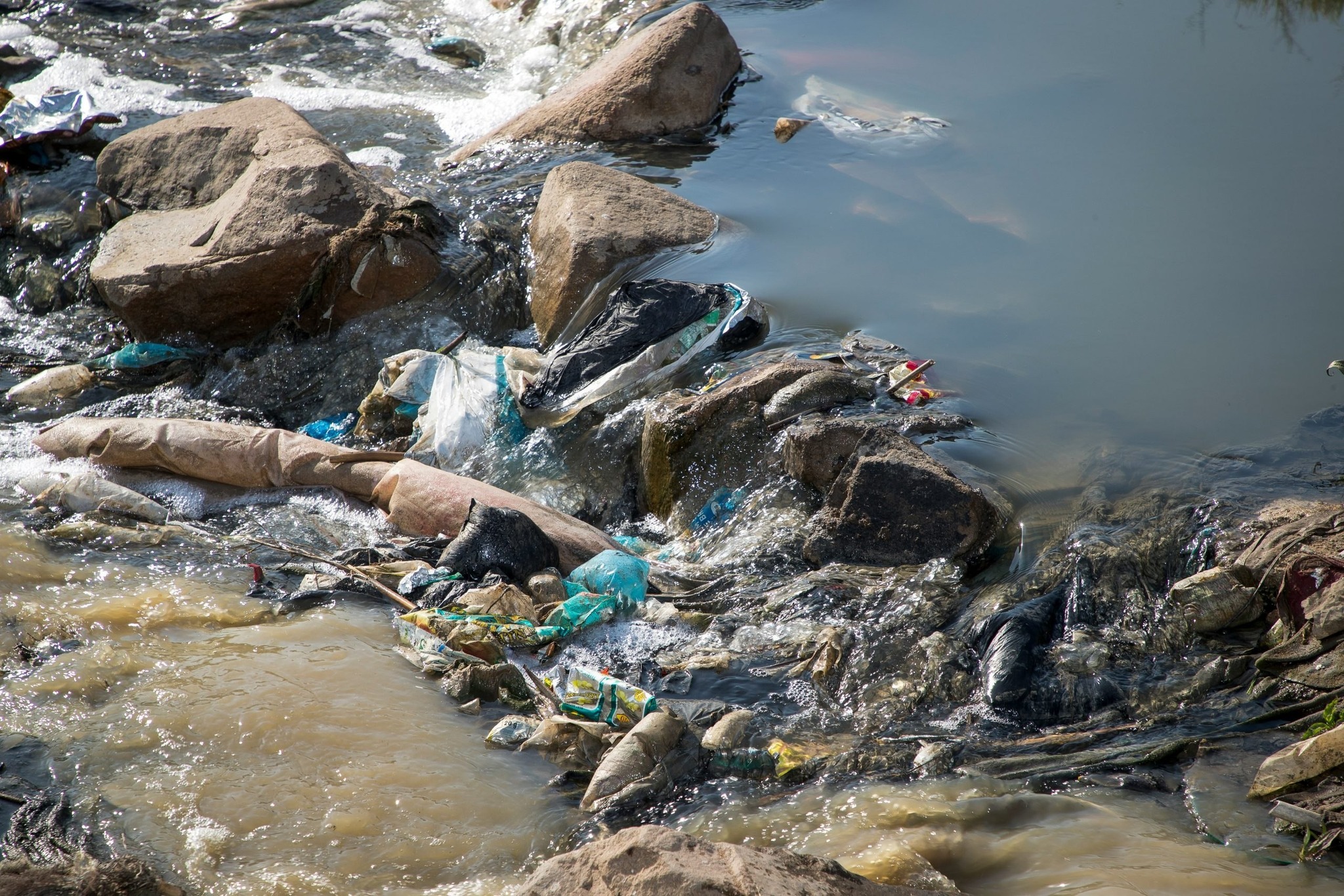
In presenting an update report on the restoration actions for the Atoyac, Tula, and Lerma-Santiago rivers, the president noted at her morning press conference at the National Palace that the pollution comes mainly from untreated municipal discharges, industrial dumping, garbage, and silt.
In the case of the Atoyac, she stressed that the main challenge is the chemical pollution generated by the textile industry.
“In the Atoyac, perhaps the greatest of the challenges are the small textile businesses… there are discharges into the river that have to do with the paints used for dyeing fabrics,” she affirmed.
She explained that, unlike biological pollution, “the chemical” kind is harder to treat and requires specialized processes.
The Secretary of Environment and Natural Resources, Alicia Bárcena, explained that the inspections cover 89 companies in the Atoyac basin, 63 in Tula, and 128 in Lerma-Santiago. She added that the authorities have imposed economic sanctions totaling 56 million pesos and carried out eight closures for violations of environmental regulations.
The official indicated that one of the greatest difficulties arises in the textile industry, where part of the washing and dyeing of fabrics is done in small workshops or homes, and not necessarily at industrial plant facilities.
“The big textile plants have… it’s like the community divides up the washing of the textiles; so the houses are washing and the runoff ends up in the river,” she explained, which complicates the control of the discharges.
Bárcena also confirmed that during the monitoring heavy metals have been detected in the bodies of water. “Yes, we have found them and yes, it is being cleaned up, of course with higher-capacity treatment plants,” she said.
As part of the assessment, she reported that more than 3,000 kilometers of watersheds have been surveyed, 322 sites sampled, and 3,202 industrial discharges, 460 potentially polluting industries, and 479 clandestine garbage dumps identified.
Efraín Morales López, director general of the National Water Commission (Conagua), said that the strategy includes the construction of new treatment plants, rehabilitation of existing infrastructure, installation of automatic stations to monitor water quality, reforestation, and recovery of public spaces.
Sheinbaum reiterated that the goal is to recover the three rivers through an investment of more than 20 billion pesos during the six-year term. “We are building treatment plants, dredging, reforesting, and working with the population to remove the garbage dumps. It is very intense work,” she maintained.
-
Sheinbaum and Trump Talk. A Deal Appears Imminent
Politico and Bloomberg report a Wednesday call a U.S. official called “constructive,” days before the September 28 and 29 USMCA review, as Trump pushes to close a deal before the U.S. midterms.
-
People’s Mañanera September 17
President Sheinbaum’s daily press conference, with comments on infrastructure, the fight against drugs, sovereignty, Mexican handicrafts, and historical memory.
-
“I’d Like a Report on What the U.S. Does Against Drugs,” Sheinbaum Says
The president turned the tables on Washington’s drug scorecard, pointing to U.S. consumption, the opioid crisis, money laundering, and the guns flowing south into Mexico.