PAN Ex-Governor of Baja California Ran the Largest Fiscal Fuel-Smuggling Network Brought In from the US, Says Mexico’s Attorney General
This article by Gustavo Castillo originally appeared in the July 16, 2026 edition of La Jornada, Mexico’s premier left wing daily newspaper.
Mexico City. The head of the Attorney General’s Office (FGR), Ernestina Godoy Ramos, announced the dismantling of the largest network for smuggling fuel from the United States and illegally distributing it in the country, one of whose leaders was the former governor of Baja California, Ernesto Ruffo Appel, and which caused damage to the treasury of more than four billion pesos.
The investigation led to 25 arrest warrants, among them that of Ruffo Appel, which has already been served, as have those against three other people.
Godoy Ramos reported in a message to the media that this organization carried out actions of “hydrocarbon smuggling, which consists of bringing fuel into the country through false or incomplete customs declarations, that is, reporting less than what is actually transported or declaring it as if it were other products in order to evade taxes.”
She established, as La Jornada reported in recent days when covering an organization dedicated to railway fuel smuggling, that this organization was made up of “business, financial, customs, and logistics structures,” which included financial movements from one company that later channeled the money to foreign companies through international transfers. She noted that the FGR carried out “the reconstruction” of the scheme, and to do so an analysis was conducted of bank accounts, foreign-exchange operations, international transfers, corporate relationships, and financial movements across different jurisdictions.
“Based on the analysis of ministerial, customs, tax, financial, railway, and foreign-trade information, the Specialized Prosecutor’s Office for Organized Crime (FEMDO) managed to identify the largest fuel-smuggling network detected so far.“
Damage to the Treasury of More Than 4 Billion Pesos
During the message to the media she explained that between January and July 2025, it was detected that “the organization under investigation had carried out 4,238 import operations through the customs offices of Nuevo Laredo, Ciudad Camargo, Matamoros, and Reynosa, in the state of Tamaulipas,” which made it possible to estimate damage to the public treasury of more than 4 billion pesos, resulting from the irregular introduction of fuels and the failure to pay the corresponding taxes.
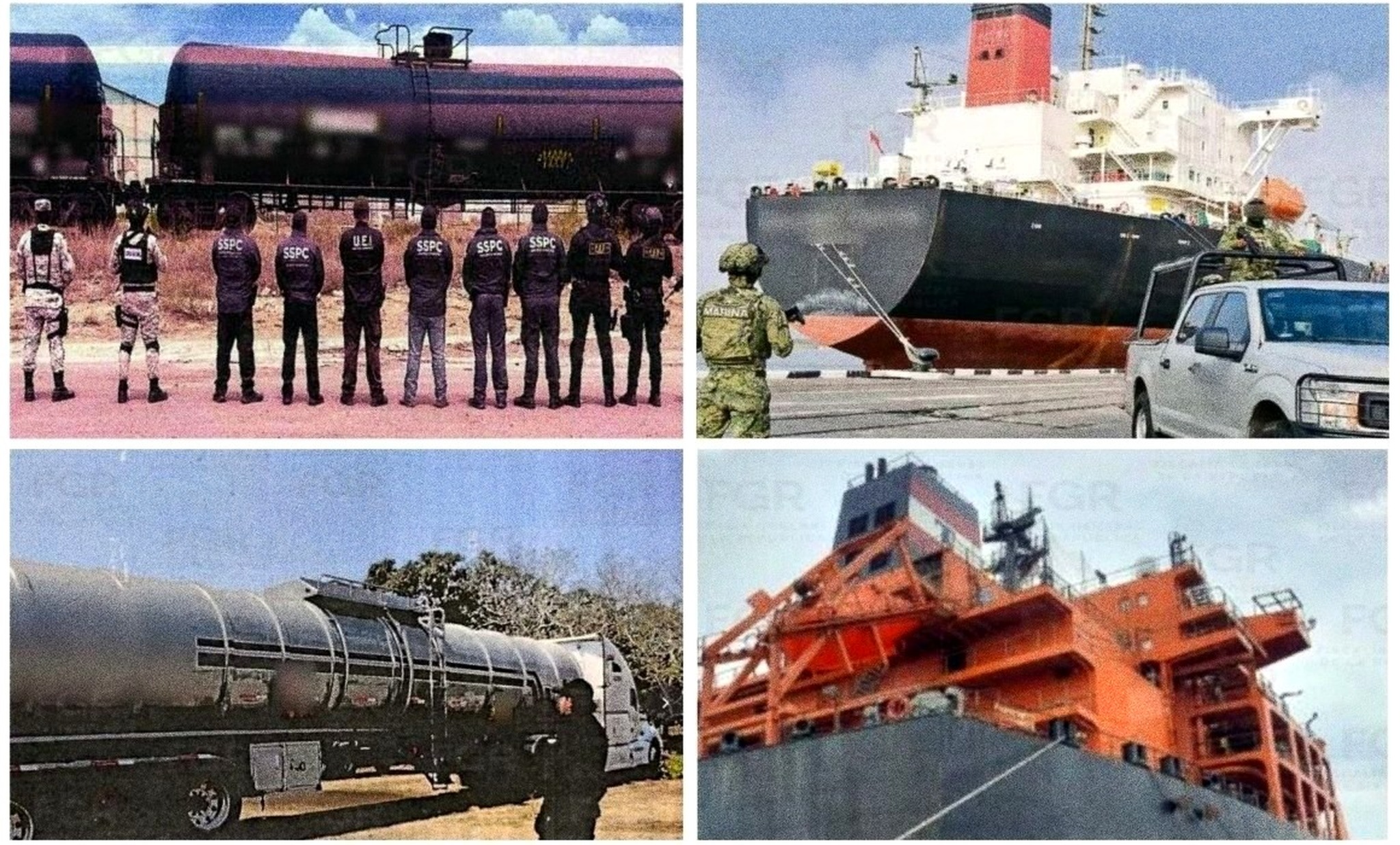
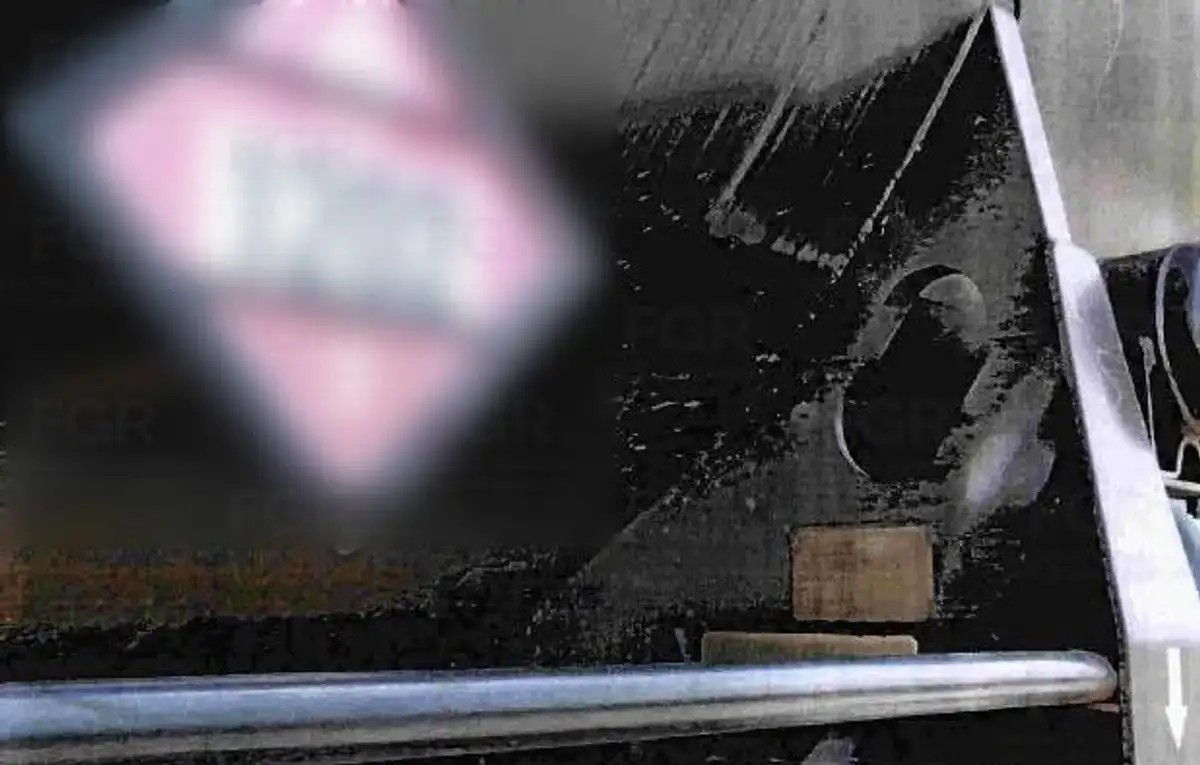
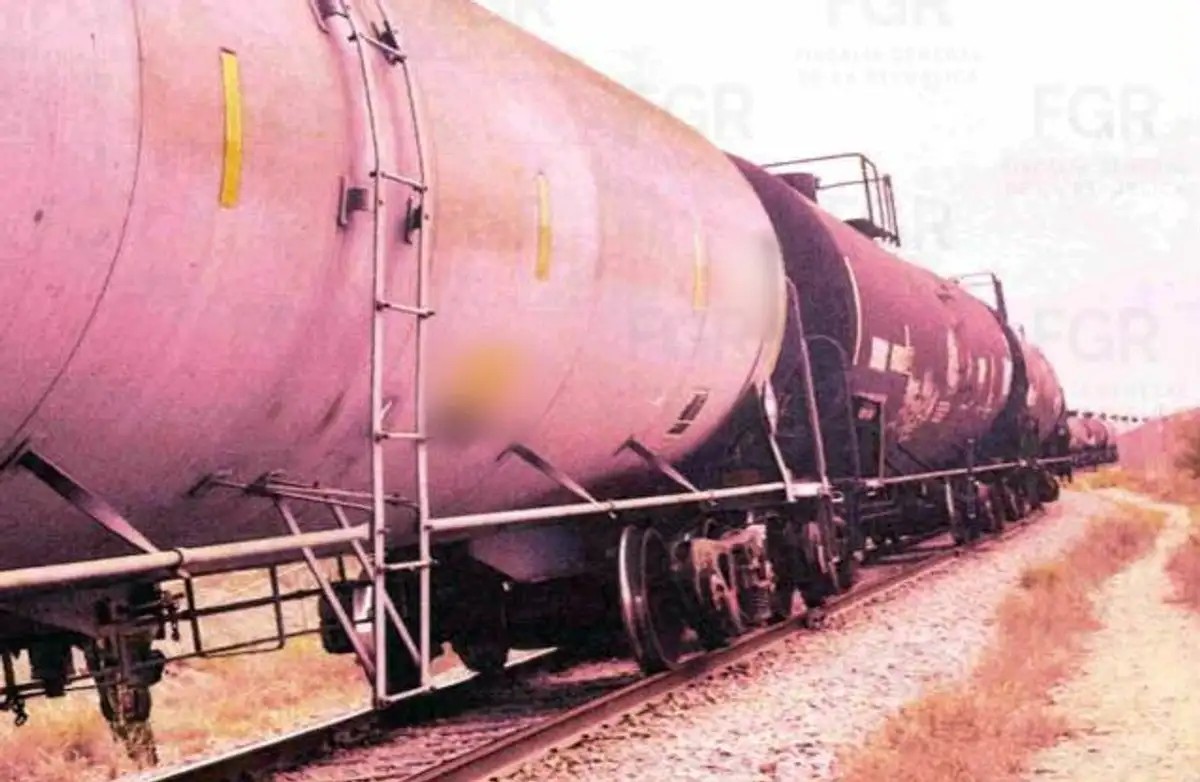
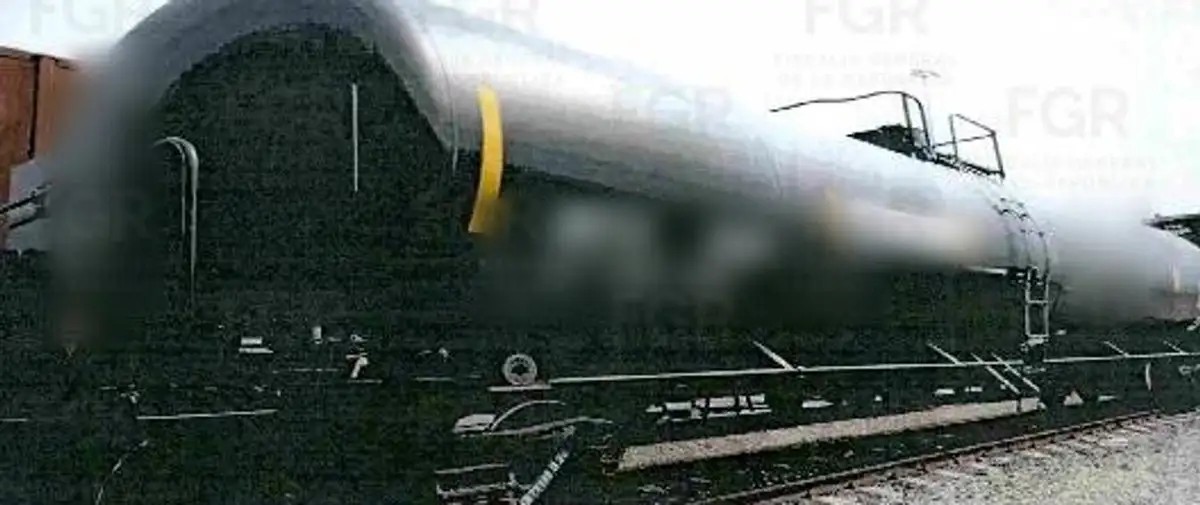
The prosecutor specified that this organization “used railway tank cars to carry out its operations” and, to that end, operated through a company related to port services, dredging, and port operation, founded by the former governor of Baja California, Ernesto Ruffo, who was arrested this Thursday in Ensenada, Baja California.
The companies linked to this network were formally engaged in importing petroleum-derived products. However, when bringing the merchandise into Mexico from the United States, they declared quantities lower than the real ones or registered products different from those they were actually transporting, said the head of the FGR. She stated that the fuels, gasoline and diesel, came from refineries located in Texas, United States, and were distributed mainly in Coahuila, Durango, and Zacatecas.
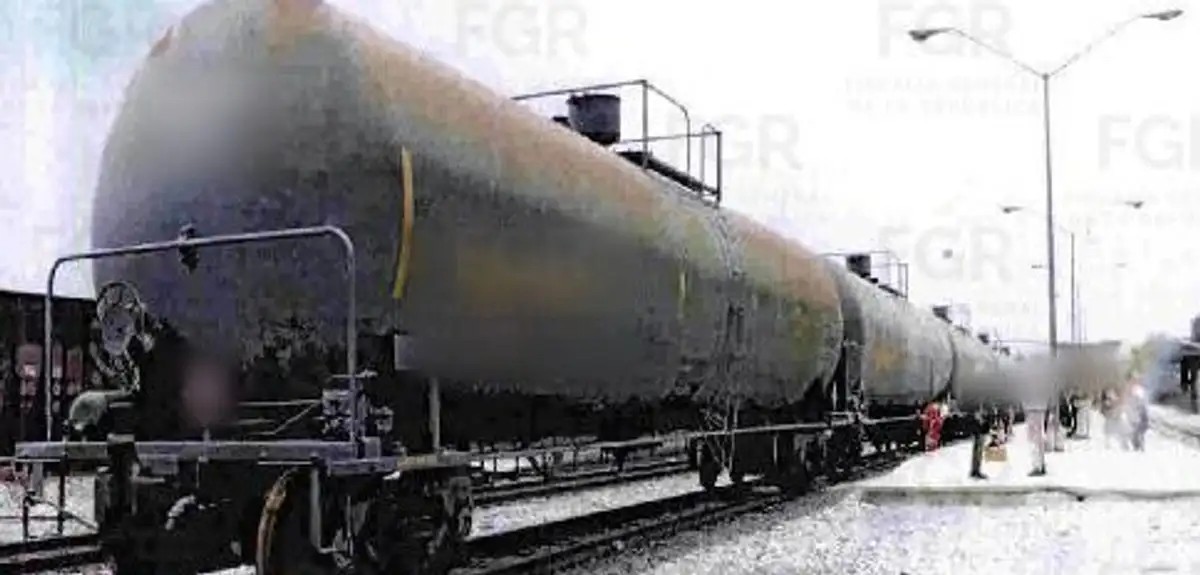
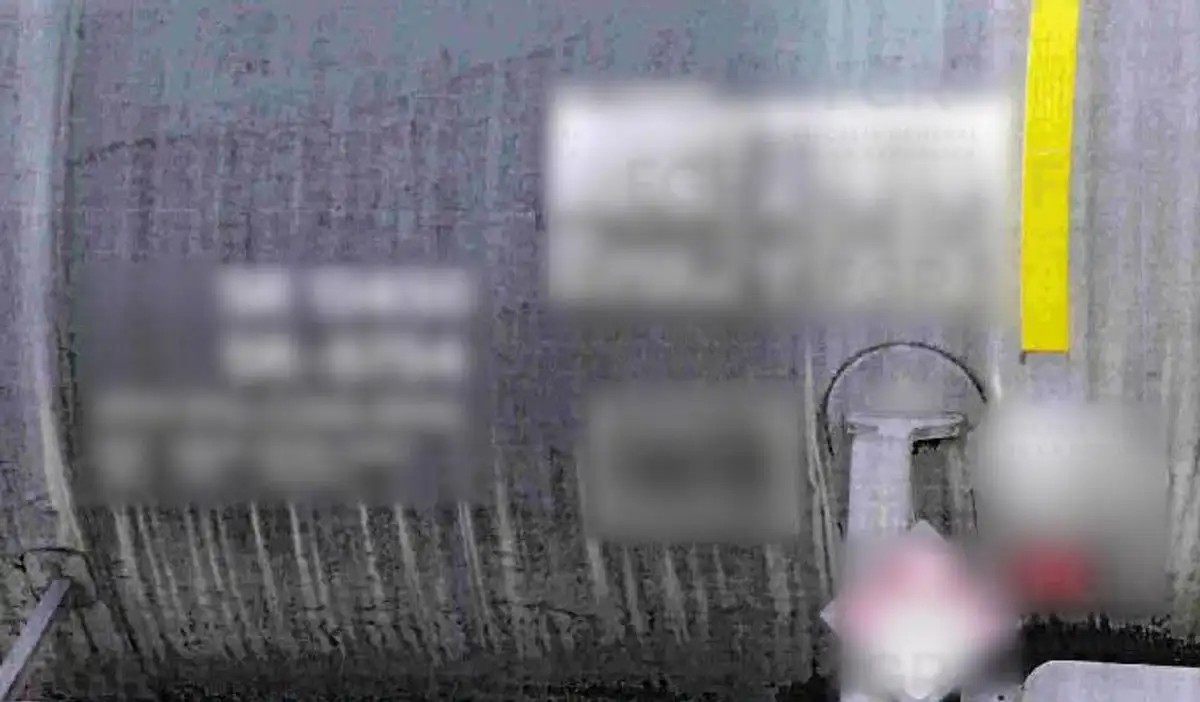
“Once in national territory, the merchandise was brought in without the corresponding customs inspections being carried out,” and according to the investigations “the network declared only 10 percent of the real capacity of each railway tank car,” that is, the import of 10,000 liters was declared and up to 110,000 liters were brought in. “That fuel entered without customs inspection and was unloaded on connecting tracks” into tanker trucks and tractor-trailers belonging to seven different companies, and the fuel was later sold and distributed in various regions of the country.
Fiscal Fuel-Smuggling Network Moved 15.3 Million Liters Without Declaring Them
The investigations also revealed a multimillion-peso loss to the treasury resulting from the irregular declaration of hydrocarbons and the failure to pay taxes, since based on the analysis of the cargoes investigated, it was determined that approximately 15,299,830 liters of fuel were not declared to the authorities. Likewise, it was identified that the organization had used 162 railway tank cars to omit the payment of federal contributions. From the Special Tax on Production and Services (IEPS) alone, the estimated evasion amounts to 88,511,516 pesos. To this are added 18,289,304 pesos corresponding to the Value Added Tax (IVA). Together, the possible damage caused to the public treasury by these taxes amounts to 106,800,821 pesos, said Godoy Ramos.
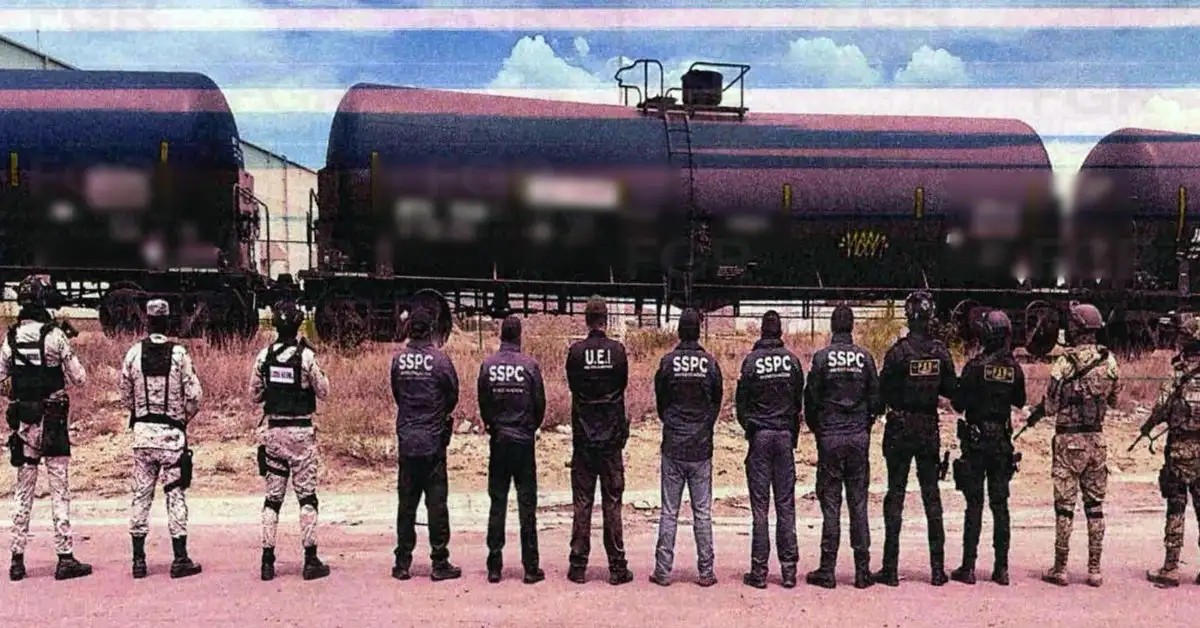
The investigation also revealed significant differences between the volumes authorized for importing fuel and the amounts that actually entered the country. In the case of diesel, the import of volumes equivalent to more than ten times the authorized amount was detected.
“With respect to regular gasoline, the companies involved brought in more than three and a half times the permitted volume. In this case, the investigation was not limited to documenting irregularities in the import operations.”
“In parallel, a specialized financial analysis was carried out that made it possible to identify operating patterns incompatible with the economic activity reported by the companies and to reveal the mechanisms used to manage, move, and disperse the resources derived from these activities.
“As a result of this analysis, movements of more than 3.075 billion pesos were identified through nearly 80 national bank accounts, as well as foreign-exchange operations exceeding 1.386 billion dollars. The accounts analyzed showed a recurring pattern: the funds were received and transferred almost immediately, maintaining minimal balances.”
-
Sheinbaum and Trump Talk. A Deal Appears Imminent
Politico and Bloomberg report a Wednesday call a U.S. official called “constructive,” days before the September 28 and 29 USMCA review, as Trump pushes to close a deal before the U.S. midterms.
-
People’s Mañanera September 17
President Sheinbaum’s daily press conference, with comments on infrastructure, the fight against drugs, sovereignty, Mexican handicrafts, and historical memory.
-
“I’d Like a Report on What the U.S. Does Against Drugs,” Sheinbaum Says
The president turned the tables on Washington’s drug scorecard, pointing to U.S. consumption, the opioid crisis, money laundering, and the guns flowing south into Mexico.