Maru Campos Urged Mexico’s Supreme Court to Uphold Chihuahua’s Electoral Reform
This article by Anahí Del Ángel originally appeared in the September 29, 2026 edition of Contralínea, a Mexican investigative-journalism magazine.
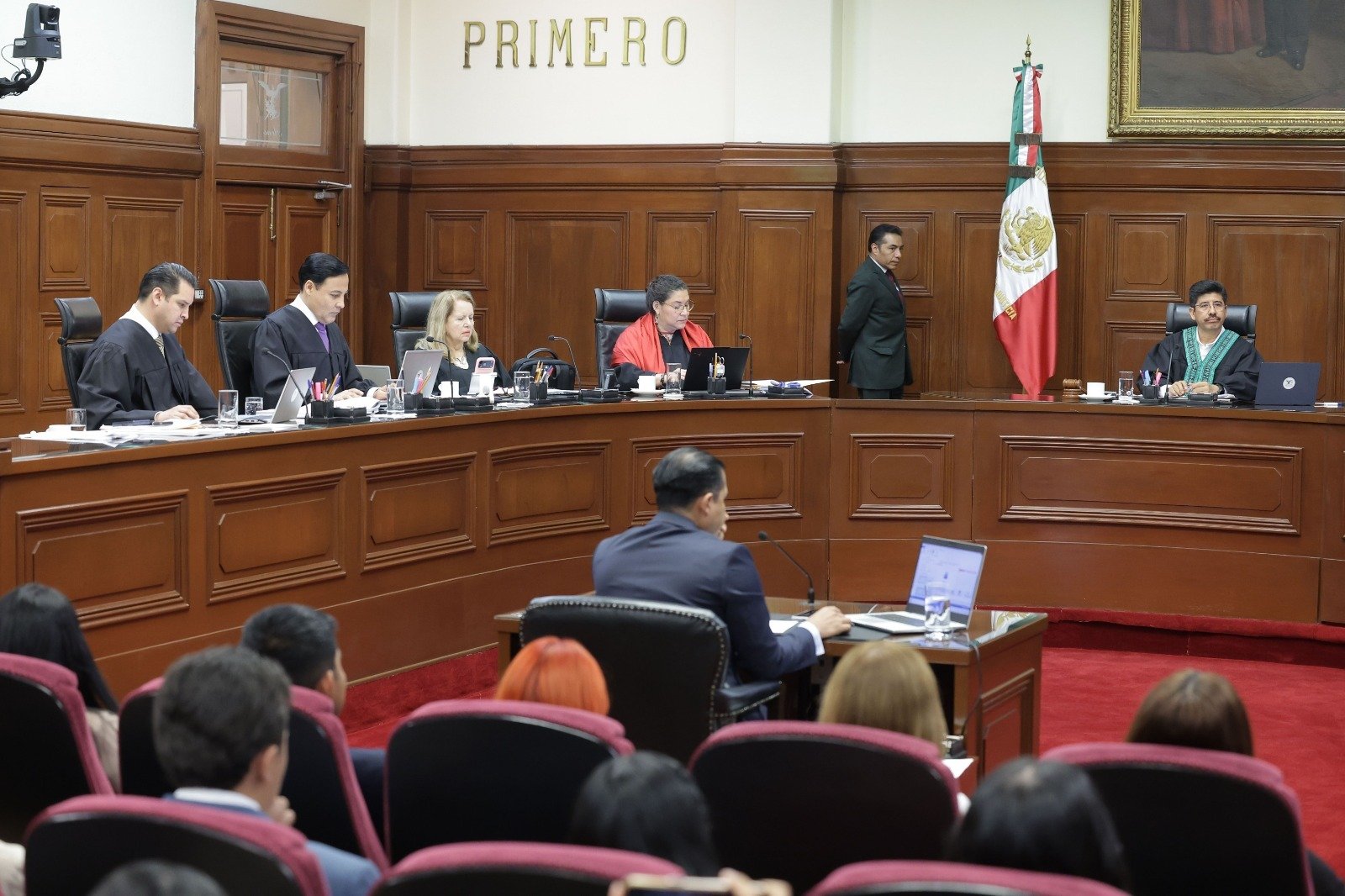
Mexico’s Supreme Court of Justice (SCJN) will decide whether to uphold or strike down provisions of Chihuahua’s electoral reform, which allow an election to be annulled when organized crime intervenes and restrict the participation of candidates linked to criminal activity, prompting Governor María Eugenia Campos to urge the justices to vote in favor of keeping it in force.
The state governor maintained that the reform, passed by the Chihuahua Congress, seeks to prevent criminal groups from intervening in electoral processes, and said it is a measure no other state had written into its legislation: “In Chihuahua we did what no other state in the country had dared to do: establish in our law that an election is annulled if organized crime intervenes in it, and that anyone with ties to criminal activity cannot run.”
She noted the amendment was approved by every political force represented in the state Congress, with the exception of Morena, whose local lawmakers, she said, voted against the reform.
According to the governor, after the reform was approved in the local Congress, Morena went before the Court to request that the provisions on organized-crime intervention and crime-linked candidacies be annulled: “Morena voted against it, and when it didn’t have the votes to stop it here, it went to the Supreme Court to ask that it be invalidated.”
Morena lawmakers, however, argue that the state government’s proposal fails to respect prior due process, meaning a person could be sanctioned on mere suspicion, without the need to provide evidence, which would violate the principle of presumption of innocence.
The PAN governor defended the reform as a response to the possibility that criminal organizations could intervene in electoral processes: “It wasn’t a whim, it was a response to what we’ve seen happen in Mexico: entire states where narco traffickers decide who registers, who competes, and who wins.”
The governor said the SCJN’s ruling will be decisive in determining whether Chihuahua keeps the provisions it approved.
What’s at stake is not an article of a state law, it’s whether a state of the Republic can defend its elections from organized crime, it’s that the vote is decided at the ballot box and not in the headquarters of crime.
Governor María Eugenia Campos
-
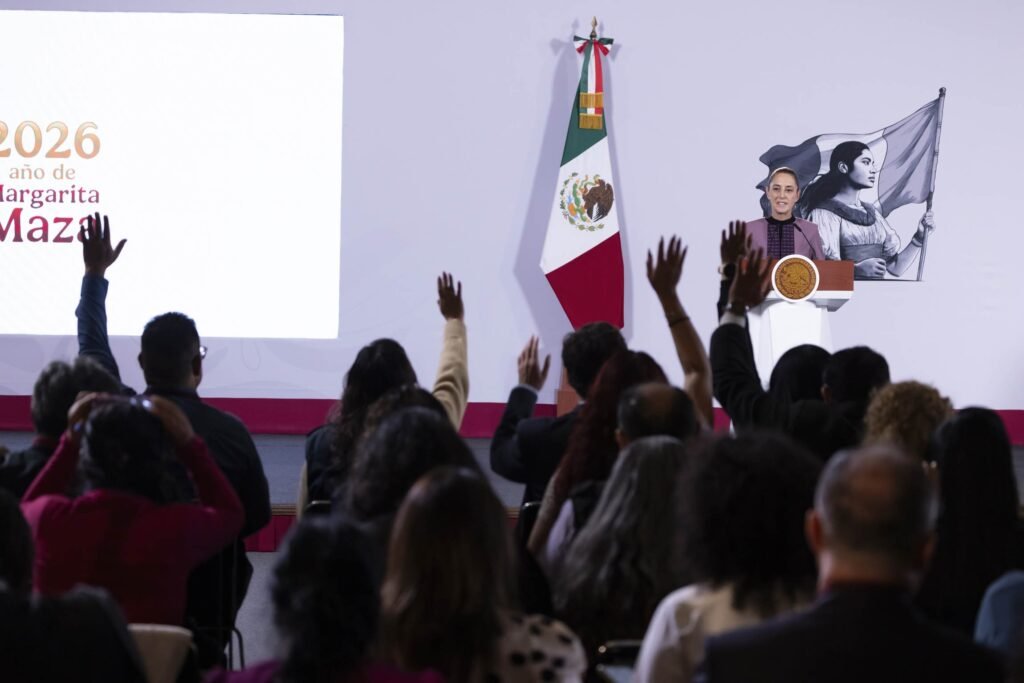
People’s Mañanera September 29
President Sheinbaum’s daily press conference, with comments on universal health care, public health, the USMCA, Ayotzinapa, and the “anti-meme law.”
-
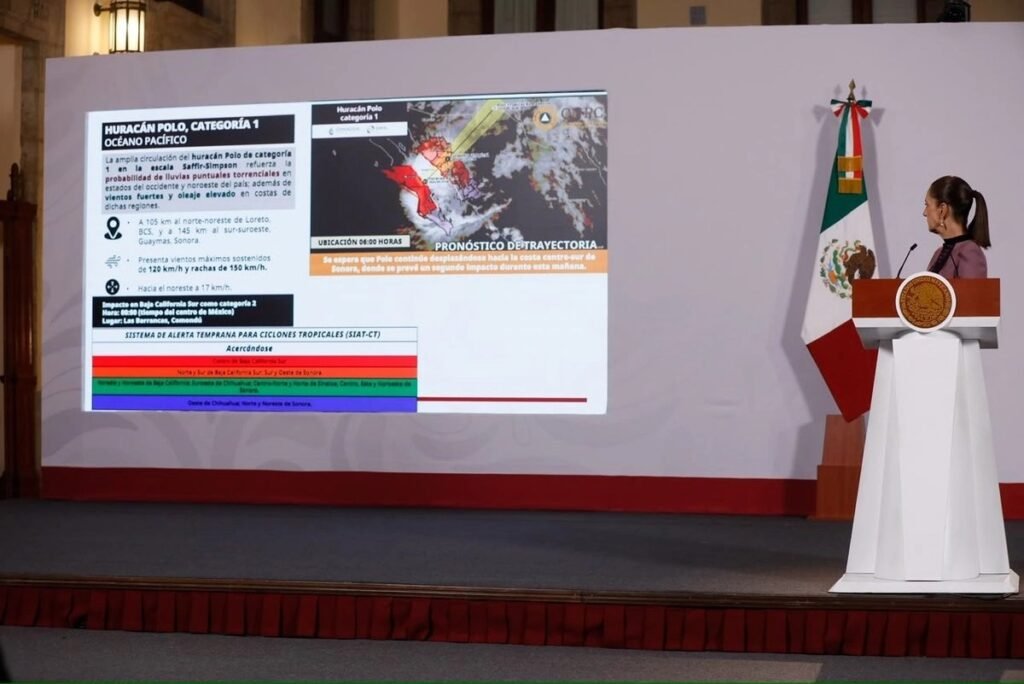
Hurricane ‘Polo’ Leaves No Fatalities in Baja California Sur; to Hit Guaymas, Sonora This Morning
Civil Protection says 6,700 evacuees are returning home as nearly 6,900 federal, state, and military personnel respond across the Baja California peninsula and Sonora.
-
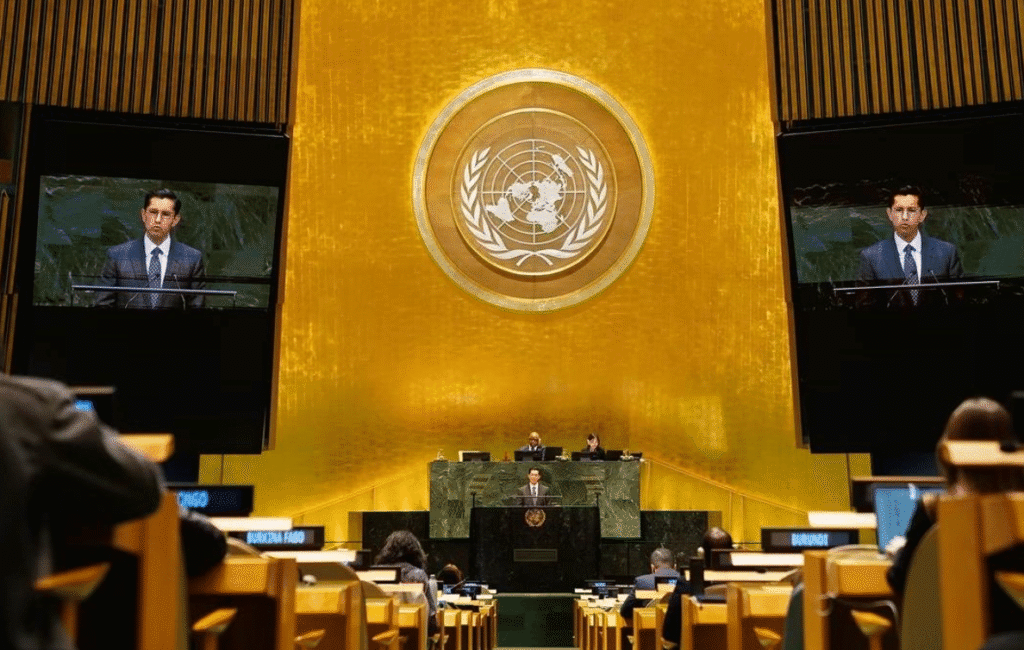
Vasconcelos’ Team Clarifies That Ambassador Was Not Present During Netanyahu’s Speech
The team of Héctor Vasconcelos, Mexico’s permanent representative to the UN, clarified that he was not in the General Assembly hall during Benjamin Netanyahu’s speech, without specifying whether other delegation members joined the walkout.