Mexico’s Federal and Jalisco Governments Will Invest 25 Billion Pesos to Solve the Water Problem in Guadalajara
This article by Alonso Urrutia and Alma E. Muñoz originally appeared in the October 28, 2026 edition of La Jornada, Mexico’s premier left wing daily newspaper.
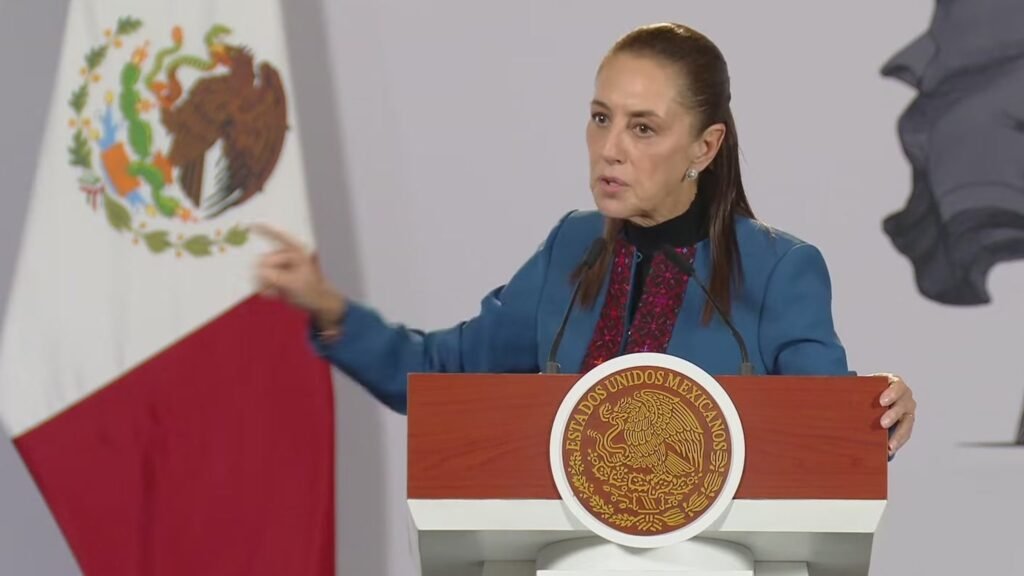
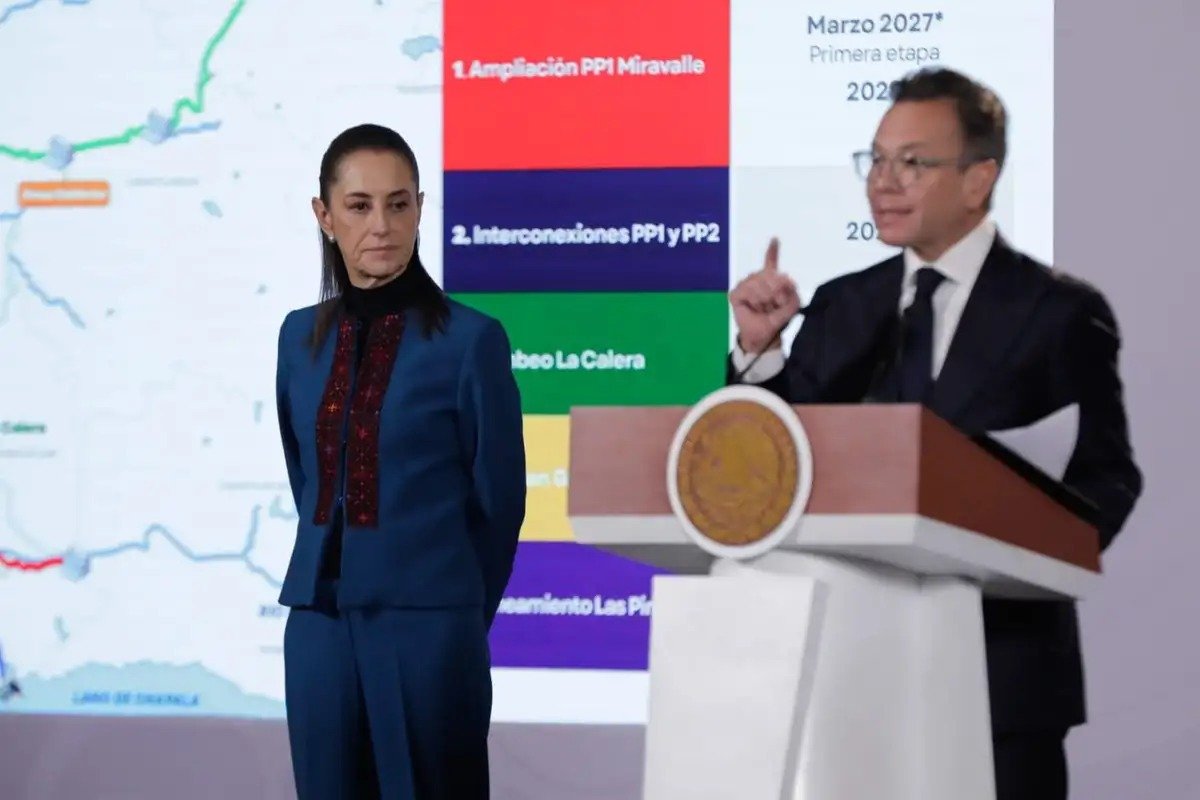
With Jalisco Governor Pablo Lemus present at the National Palace, President Claudia Sheinbaum announced that the federal government will invest 14 billion pesos to address the problem of water supply to the Guadalajara metropolitan area. With this allocation, the state government will avoid taking on public debt to finance the project.
In parallel, the governor announced an investment of 10.2 billion pesos by the state government so that, jointly, the Chapala-Guadalajara and Calderón-San Gaspar aqueducts will be built, with which, he said, the problem of water supply and quality for Guadalajara can be solved at its root. He described this project as historic for remedying a problem that is decades old and for reducing water extraction from Chapala.
Lemus highlighted that these investments come from budget adjustments, so, he assured, there will be no debt or privatization. Nor will there be an increase in water rates for the Guadalajara metropolitan area.
For his part, the head of the National Water Commission, Efraín Morales, said that the federal government will invest 9.3 billion pesos to build a new 42-kilometer aqueduct, and the capacity of the water purification plant will be expanded.
In parallel, 5.2 billion pesos will be invested and a second aqueduct will be built, which will be complemented by the state government’s investments in water sanitation and the closure of illegal discharges, which will be remedied with the construction of collectors.
During her press conference, the president explained that as an alternative to confront this water situation in Guadalajara, Lemus had proposed a financing scheme through public debt, given his government’s insufficient public resources to finance it. Given this situation, together with the National Water Commission, they opted for a joint investment between both governments.
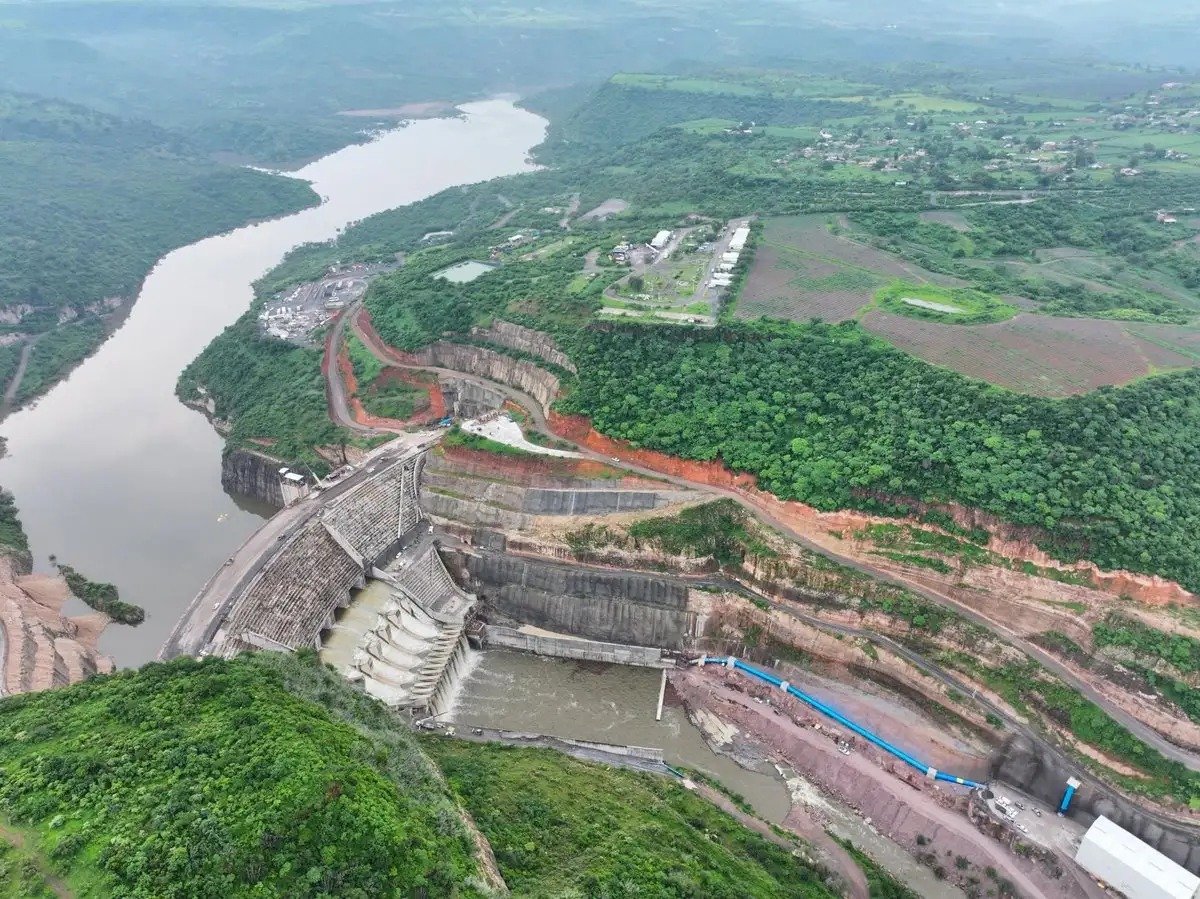
Explaining the actions the state government will carry out, Lemus said that together, both governments will invest 25 billion pesos to solve the water problem in Guadalajara.
He said that with state investment “we will renovate the water purification plant in Miravalle, which supplies 42 percent of Guadalajara’s residents and is already 70 years old.” In a first stage, the aim is for it to begin operating within six months to supply clean water at 3,000 liters per second. The three phases, over two years, will involve 7.5 billion pesos in state funds.
It is important to finish in six months, because service cuts are being experienced, it is necessary to recover flows and overcome the rationing of water in their neighborhoods.
Jalisco Governor Pablo Lemus
He reported that they will build a network of collectors to prevent the water coming from Chapala from arriving contaminated, stopping discharges through the collectors. He asserted that in collaboration with Conagua they detected 150 illegal water discharges, both residential and industrial, which are being closed, and sanctions are being imposed.
Meanwhile, via a link to the border between Nayarit and Jalisco (near Puerto Vallarta and Bahía de Banderas), the Secretary of Infrastructure, Communications and Transportation, Jesús Esteva, inaugurated a new highway section and the Amado Nervo bridge in those states, which would relieve vehicle traffic in both states, benefiting 480,000 inhabitants of the region and reducing travel times by up to 40 minutes.
-
People’s Mañanera October 28
President Sheinbaum’s daily press conference, with comments on Guadalajara water, INE contracts, Marine Le Pen, and the Lie Detector.
-
Denying the Blockade Against Cuba Is US Hypocrisy, Cuban Ambassador to Mexico Eugenio Martínez Says
At Mexico’s Chamber of Deputies, the diplomat said Washington imposes an energy siege, virtually a naval blockade, and pressures countries to change their UN votes.
-
Mexico’s Ambassador Vasconcelos Says at UN That Ending US Blockade Against Cuba Is Urgent and Imperative
Citing food and medicine shortages and an energy crisis on the island, Mexico also called for Cuba’s removal from Washington’s list of state sponsors of terrorism.