Sheinbaum Supervises Construction of the Mexico City-Querétaro Passenger Train; “It’s Progressing According to Schedule”
This article by Arturo Sánchez Jiménez originally appeared in the October 31, 2026 edition of La Jornada, Mexico’s premier left wing daily newspaper.
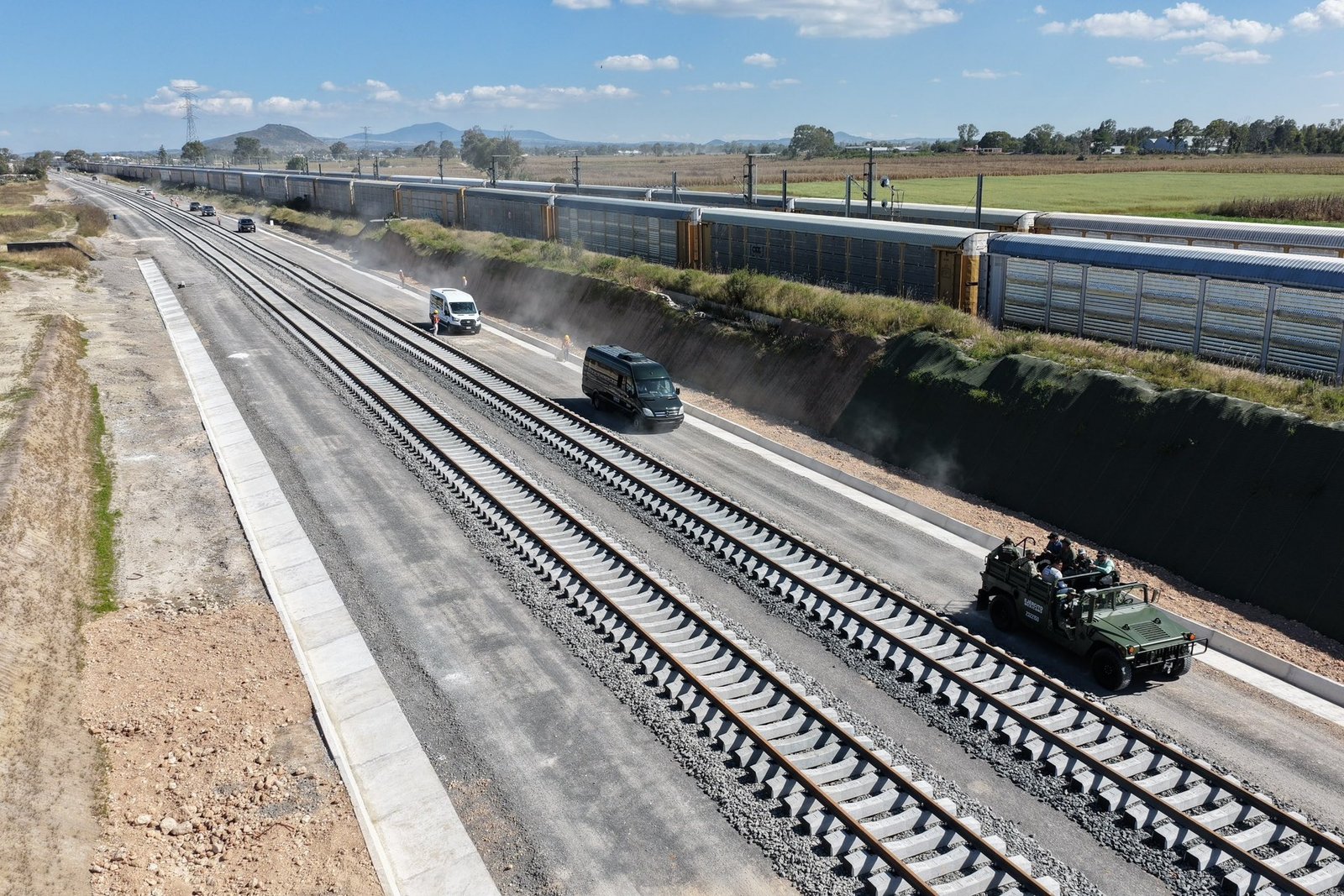
Polotitlán, State of Mexico. With 32 percent progress and 90 percent of the right-of-way cleared, construction of the Mexico City-Querétaro passenger train “is progressing according to schedule,” President Claudia Sheinbaum Pardo stated this Saturday, specifying that the project is part of nearly 2,500 kilometers of railways to be built during the six-year term, with an investment of around 700 billion pesos.
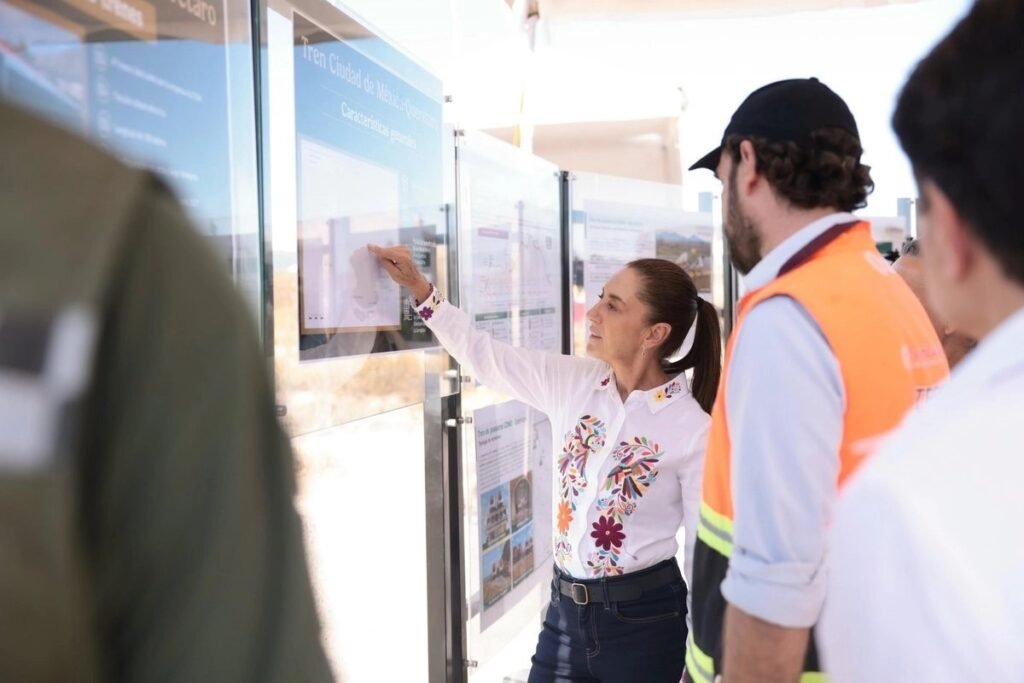
While supervising the work at kilometer 137, the president toured about 13 kilometers of the route, accompanied by the governors of the State of Mexico, Delfina Gómez, and of Hidalgo, Julio Menchaca; General Gustavo Vallejo, head of the general construction residency, and Andrés Lajous, head of the Railway Transport Regulatory Agency (ARTF), as well as cabinet officials.
Sheinbaum highlighted that the train “is faster” than cars, since on these routes “there is very heavy saturation on the highways,” and that the Mexico City-Querétaro route “is solving a mobility problem for what is the central zone of the country, really a very large metropolitan area.” She added that in some areas it will operate “like an urban train” and that its construction generates jobs and regional development.
General Vallejo reported that the project “is 32 percent complete,” with 12 construction fronts in operation, and that the front visited registers almost 39 percent. He detailed that there are currently around 18,500 active jobs and that the train will cover the route in about two hours, with speeds of up to 180 kilometers per hour on some stretches.
For his part, Lajous explained that the route, of around 230 kilometers from Buenavista to downtown Querétaro, will be double-track, with diesel-electric trains. He indicated that 47 trainsets are already contracted and being manufactured in Ciudad Sahagún, Hidalgo, and that all stations will connect with local public transportation.
-
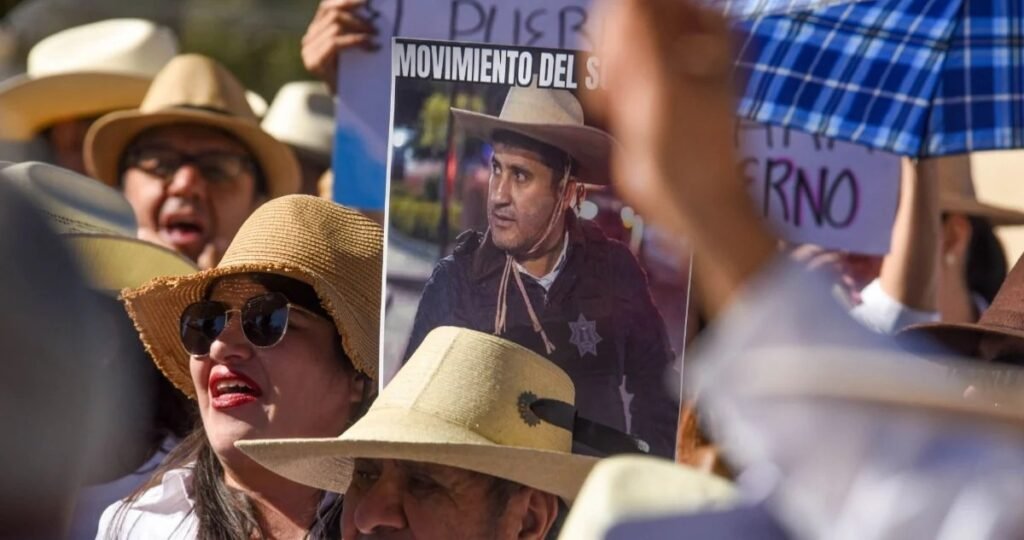
How the McPRIAN, Salinas Pliego and Others Profited from Carlos Manzo.
His brother accuses the widow’s movement of politicizing the case, as prosecutors tie the killing to CJNG revenge and report 33 arrests one year on.
-
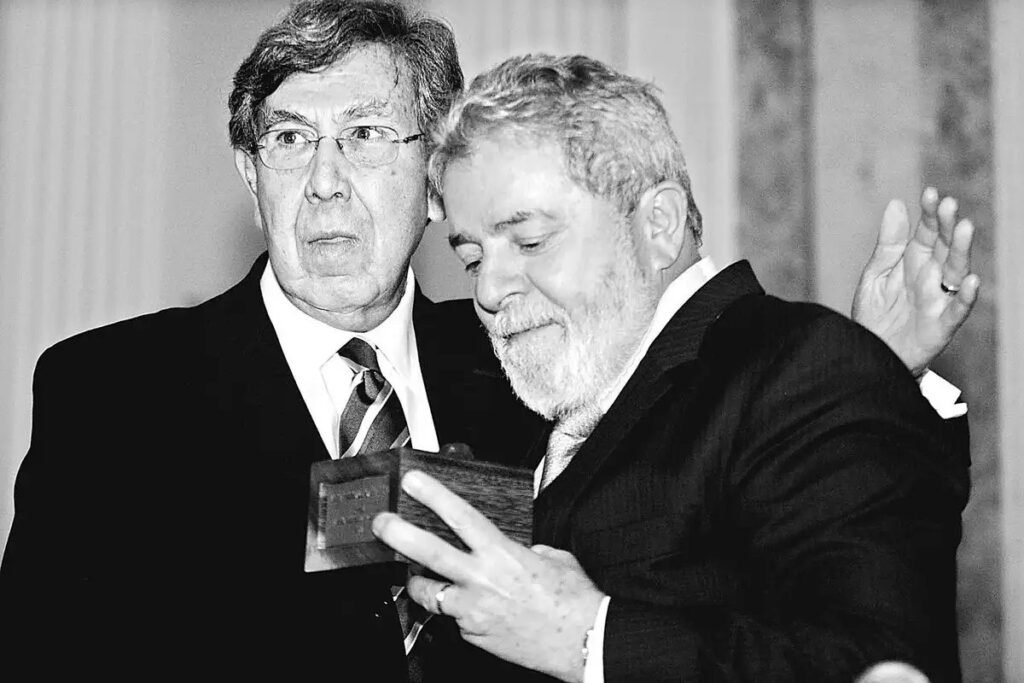
“With You I Learned to Do Politics”: Lula Remembers Cuauhtémoc Cárdenas
A stranger in a Houston audience rescued Lula’s 1979 talk by offering to translate. It was Cárdenas, who decades later visited him in prison in Curitiba.
-
Passenger Trains and Housing Drive the National Economy, Sheinbaum Says
Mexico’s economy grew 3.2% in the third quarter, beating forecasts of under 1%, as some 2,500 kilometers of new rail lines are built across the country.