
A Raw Deal
This article originally appeared at Educa Oaxaca on February 20, 2026.
Contrary to what the mining industry always boasts, that its projects generate economic development in the places where they extract the minerals, an investigation reveals that in the municipalities with the highest extraction of metals such as gold, silver and copper, the population lives in conditions of poverty and in some cases, the level of poverty exceeds the national average.
The research, The Condemned of the Underground: Poverty in the Mining Municipalities of Mexico, by Beatriz Olivera, researcher and director of the organization Engenera, and Dr. Isidro Téllez, researcher and professor at the Institute of Geography of the UNAM , demonstrates the general persistence of high levels of poverty in the main mining municipalities of Mexico.
Based on a review of official data and indicators of economic development and well-being, as well as the volumes of mineral extraction and export, the document concludes that “extractive activity has not translated into clear or permanent improvements in the living conditions of the populations of the territories from which three-quarters of the value of the national production of the minerals that Mexico exports are extracted.”
Likewise, “the data revealed a clear pattern: municipalities with higher production of precious metals (gold and silver), such as Eduardo Neri, in Guerrero; Caborca, in Sonora; Fresnillo and Mazapil, in Zacatecas, tend to have higher levels of poverty than those municipalities with lower extraction volumes.”
The municipality of Guadalupe y Calvo, Chihuahua, one of the main silver-producing municipalities, has one of the highest rates of extreme poverty in the country, indicating that the economic benefits of mining have not been enough to alleviate the needs of the local population. Meanwhile, in Fresnillo, Zacatecas, considered the world’s largest silver-producing center and with a more diversified economy, four out of every ten inhabitants live in poverty and are generally forced to migrate in search of employment.
Regarding copper, the study reveals that two of the seven producing municipalities had poverty levels above the national average. Álamos (Sonora), home to the Piedras Verdes open-pit mine , the third largest copper mine in Mexico, and Mazapil (Zacatecas), where the Peñasquito mining unit operates—one of the largest in Mexico and with the highest volumes of gold and silver extraction—have a poverty rate of 44%.
-
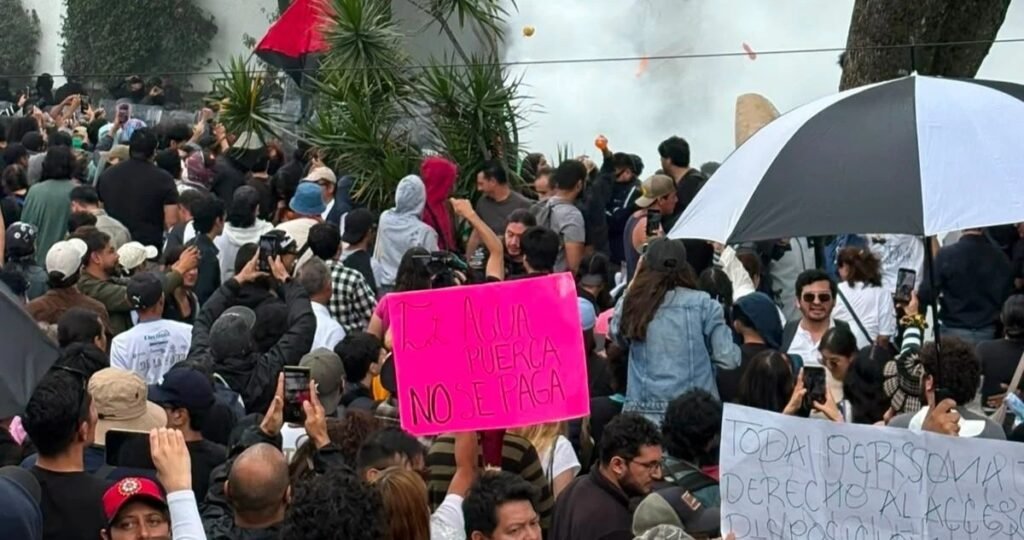
Thousands Demand Clean Water in Jalisco and Lemus Uses It to Repress Them
In Jalisco, governed by the opposition party Movimiento Ciudadano, police met the march with water cannons and tear gas, and protesters reported arrests and two people disappeared.
-
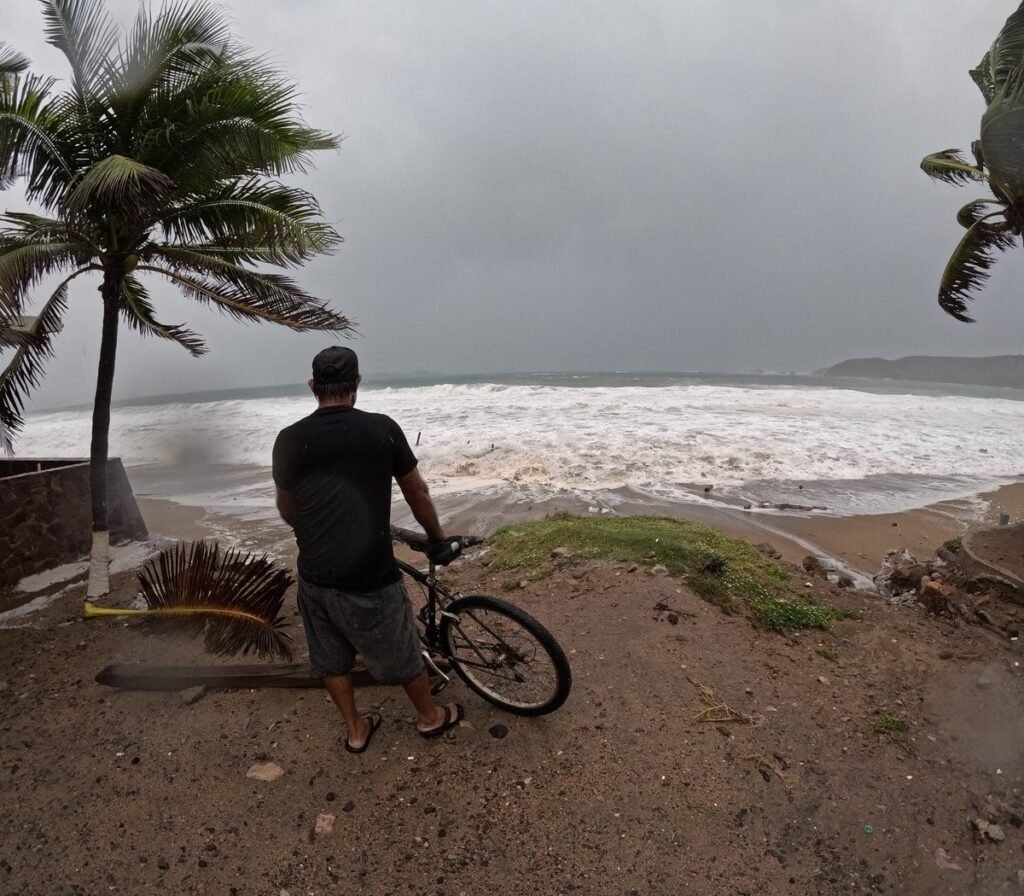
Hurricane Simon Paralyzes Towns and Highways in Jalisco Amid Forecast That It Will Make Landfall
With an erratic path, the Category 4 storm keeps the coast shut in under nonstop rain, though no casualties have been reported so far.
-
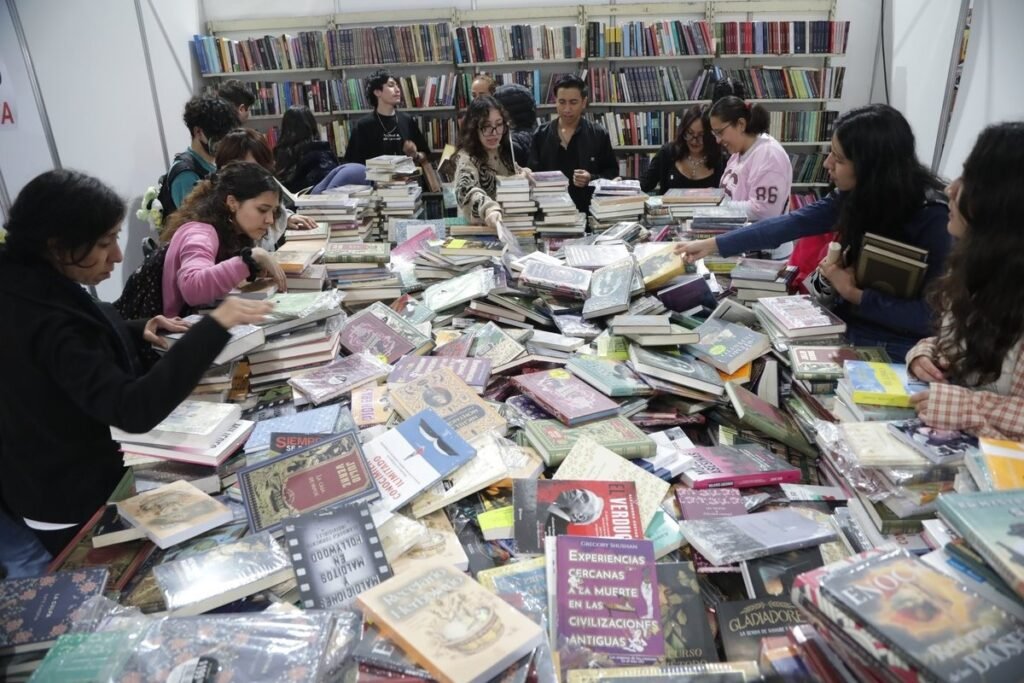
Mexican Book Fairs
“Book fairs in Mexico are among the great gatherings that speak of how a people nourishes itself on books,” observes Poniatowska.