Mexico Recovers 1,132 Pre-Hispanic Archaeological Artifacts Returned from the US
This article originally appeared in the August 17, 2026 edition of La Jornada, Mexico’s premier left wing daily newspaper.
Mexico City. The Consulate General of Mexico in Boston, Massachusetts, United States, received the voluntary restitution of 1,132 archaeological objects belonging to Mexico’s cultural heritage, the National Institute of Anthropology and History (INAH) reported. The handover represents one of the largest archaeological sets received by that consular representation in recent years and constitutes an example of academic, ethical, and professional cooperation and of cultural diplomacy for the protection of heritage.
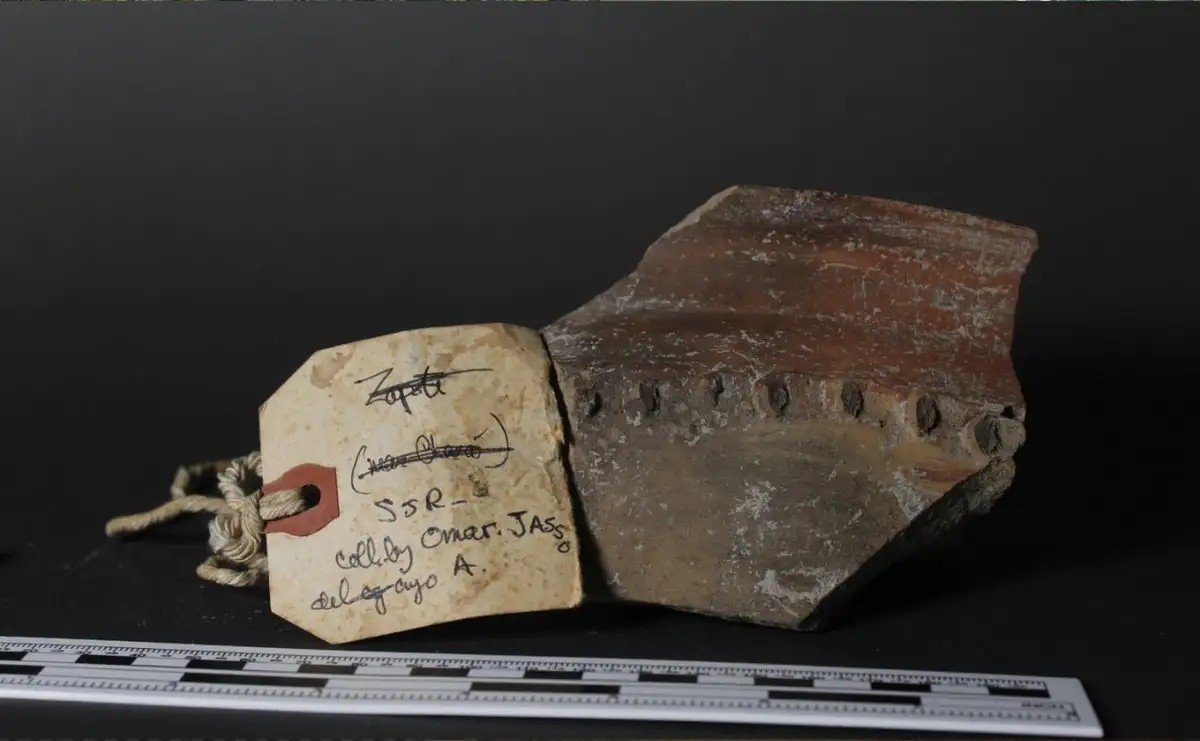
Collection Includes More Than a Thousand Pre-Hispanic Ceramic Fragments
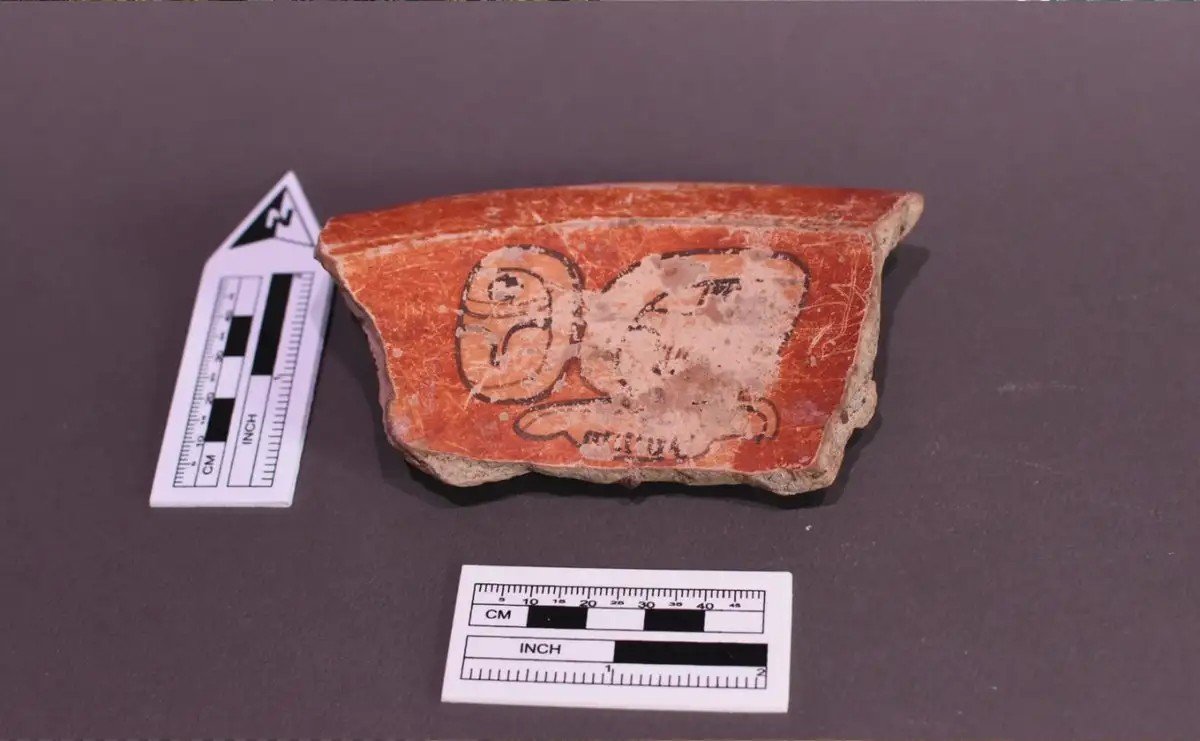
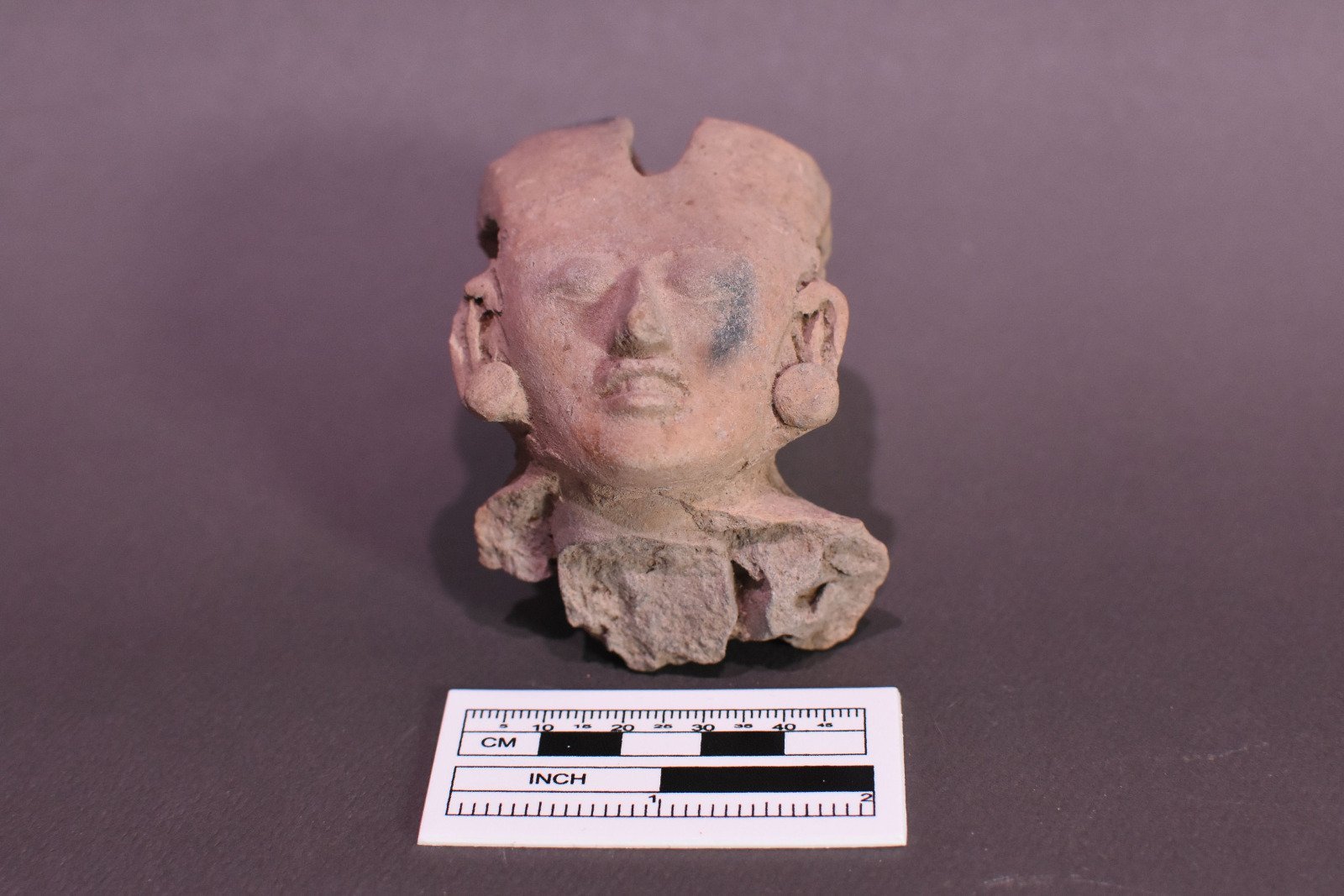
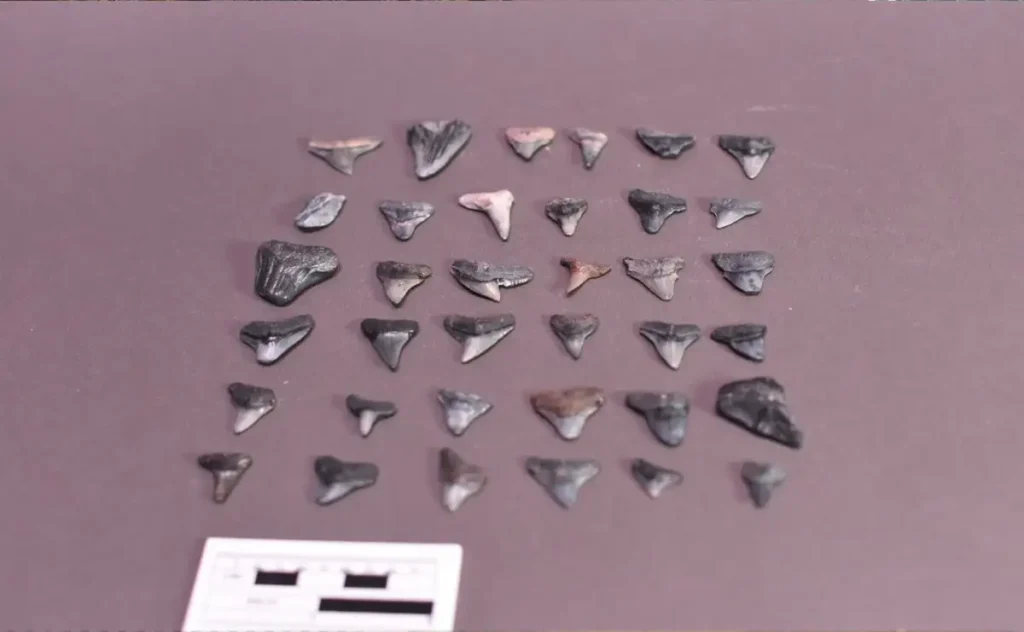
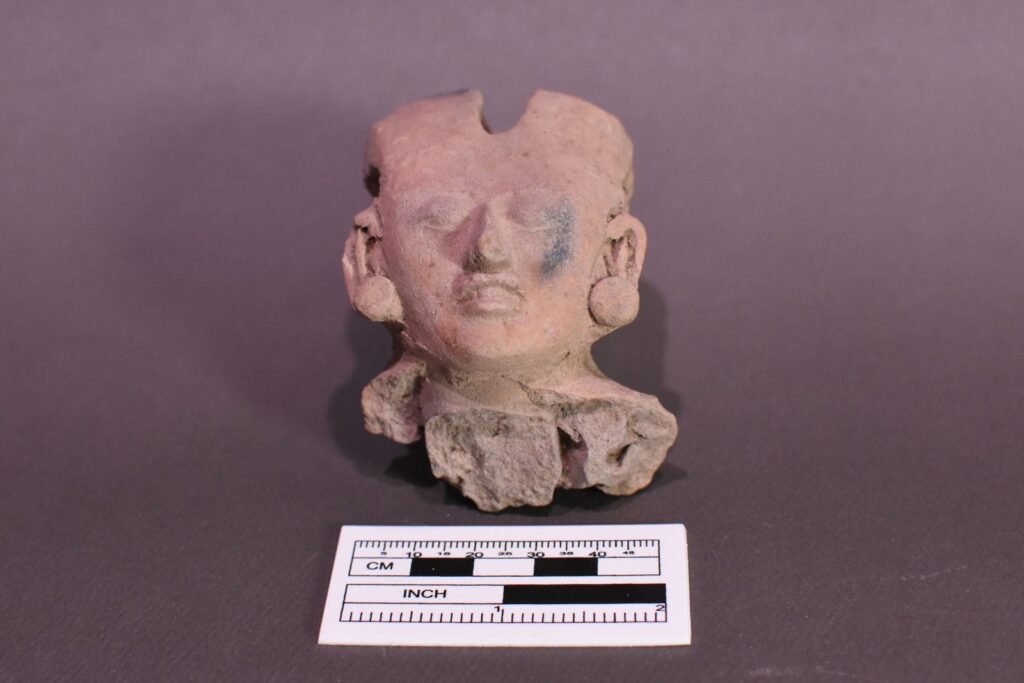
According to the assessment prepared by INAH specialists, the collection is made up of pre-Hispanic goods. Notable are 1,053 smoothed, modeled, painted, and incised ceramic sherds, mainly for domestic use; two complete spindle whorls; 18 figurine fragments; nine obsidian flakes and 11 of flint, as well as three stone polishers. It was concluded that the set of objects, which includes 36 shark teeth associated with the artifacts and potsherds, comes from southeastern Mexico.
The temporality of the elements is diverse, so the documentation delivered to the consulate by Jeremy Pilver, a teacher and archaeologist at Farmington High School, regarding their provenance, will be used to establish datings and obtain other data useful for research.
More Than 40 Students Took Part in the Restitution Over Two Years
For nearly two years, more than 40 high school students participated in the classification, surface cleaning, cataloging, preparation of an inventory and a digital database, photographic record, documentation, and professional packing of the collection for its restitution.
The process was coordinated by the Consulate General of Mexico in Boston, in close collaboration with the INAH and the Secretariat of Foreign Relations (SRE), as well as with academic institutions of the New England region.
-
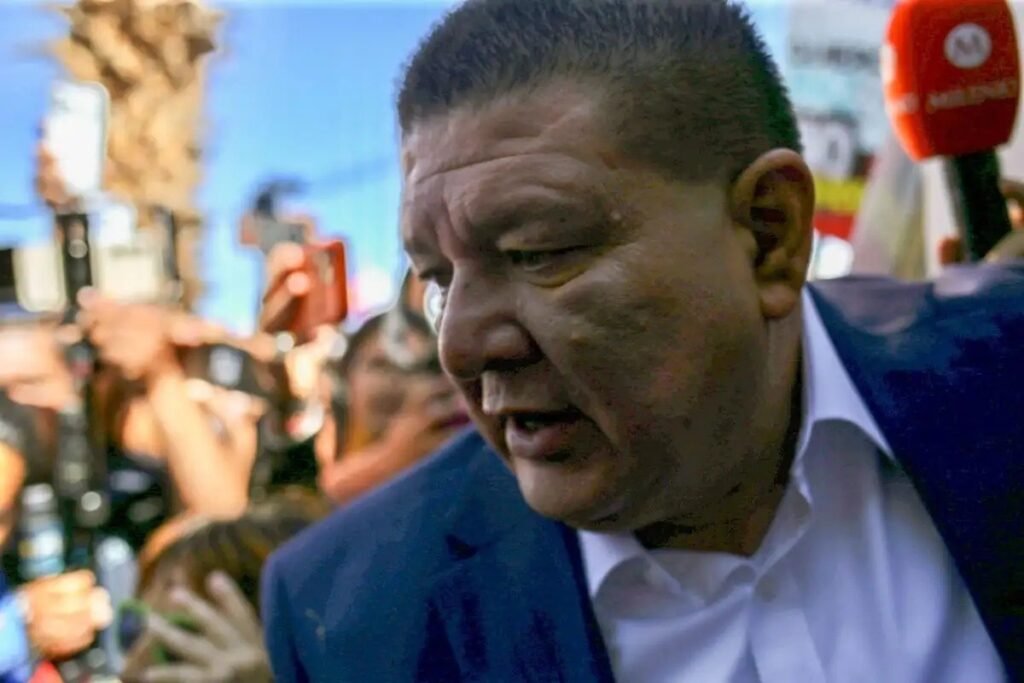
César Jáuregui, Maru Campos’s Former Prosecutor, Arrested in Relation to the CIA Case in Chihuahua
The CIA operated illegally on Mexican soil without the federal government’s consent; now the Chihuahua officials who allowed it are facing charges.
-
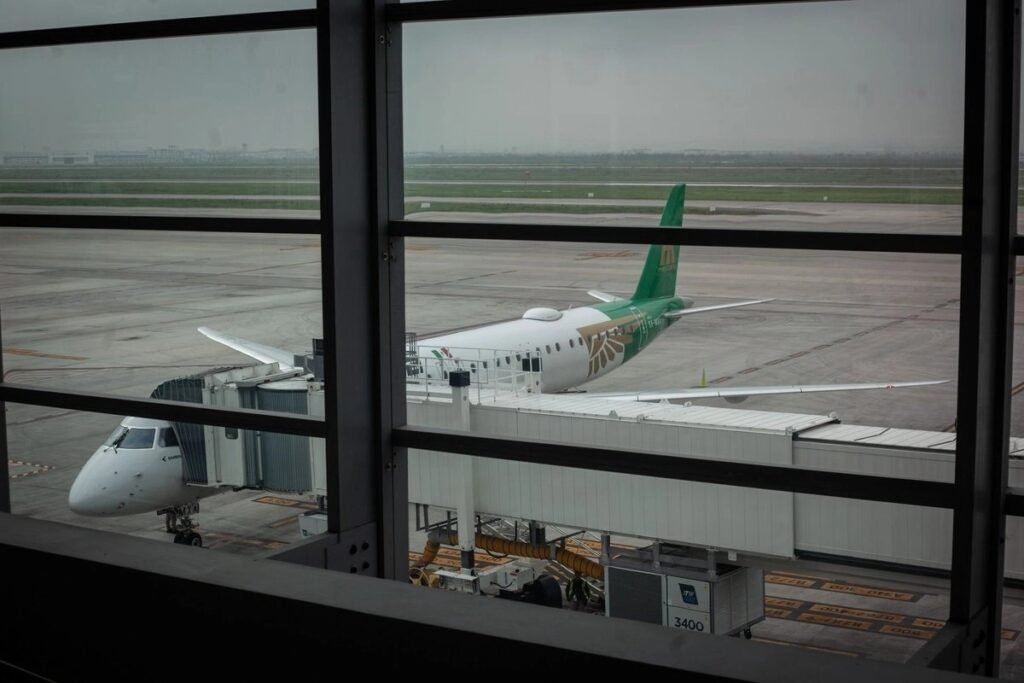
US Lifts Restrictions on Mexican Airlines
Washington revoked Order 213-2, imposed in 2025 over cargo flights moved to AIFA, reopening new US routes from both Mexico City airports.
-
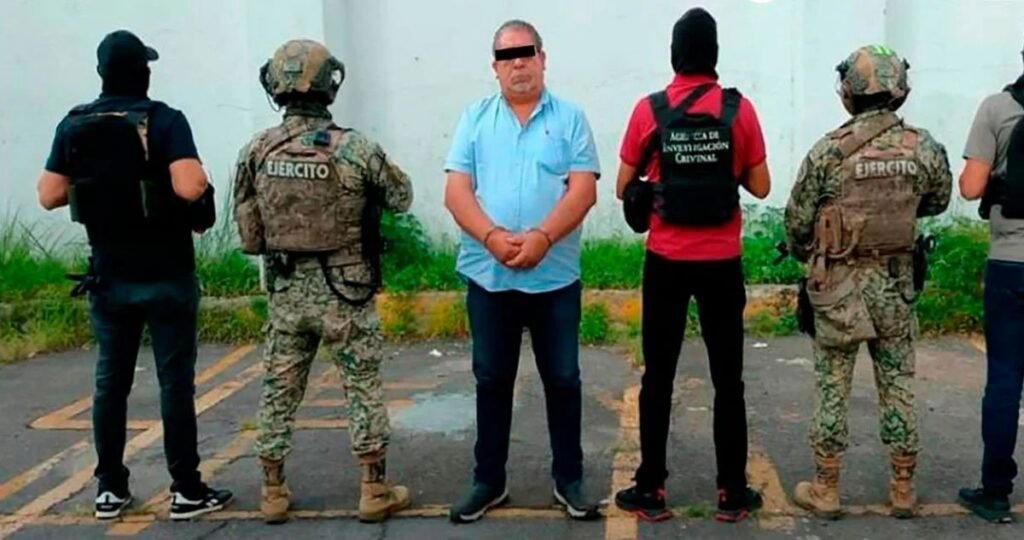
“Ingeniero,” CJNG Member Who Designed and Built Narco-Tunnels, Falls in Zapopan
The Defense Secretariat says Luis Manuel “N” built drug tunnels into the US from Tijuana and took orders directly from CJNG leader Juan Carlos Valencia González.