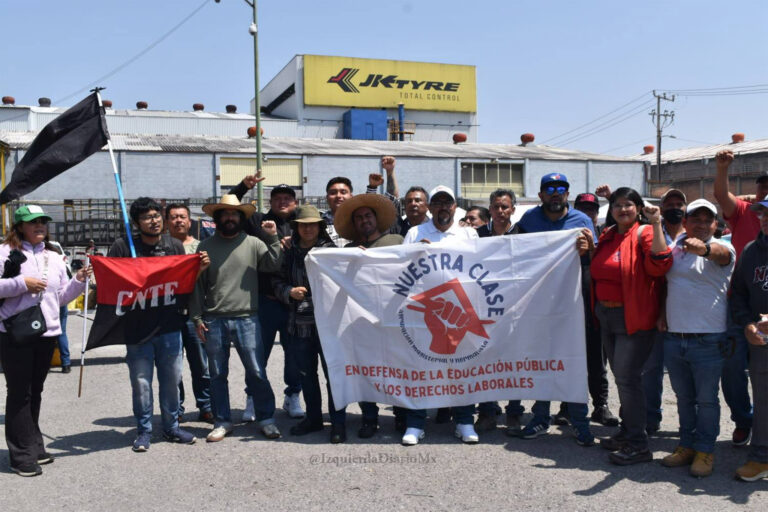
Workers’ Struggle at Transnational JK Tyre Turns Bloody
How is it possible that, in 2026, Mexican workers still have to physically defend themselves against armed groups while simultaneously fighting for their rights and class interests?
Teachers said they had met several times with President AMLO, who told them the ISSSTE Law couldn’t be repealed because they didn’t have a majority in Congress, “now they tell us it’s because there are no resources.”
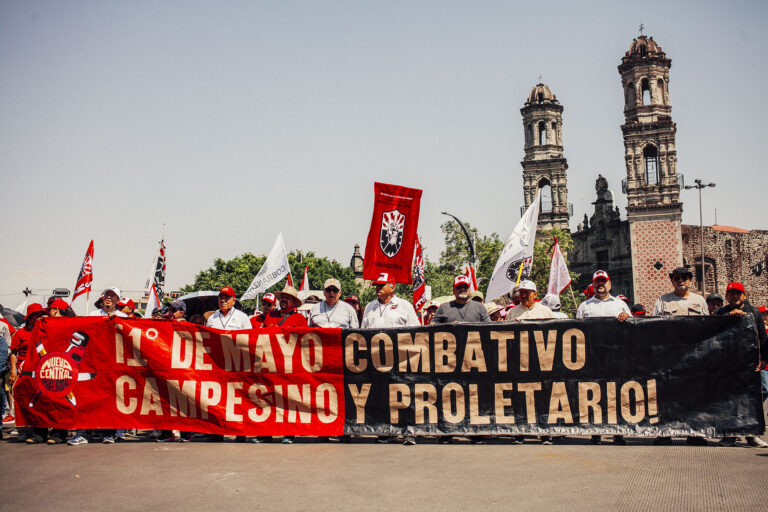
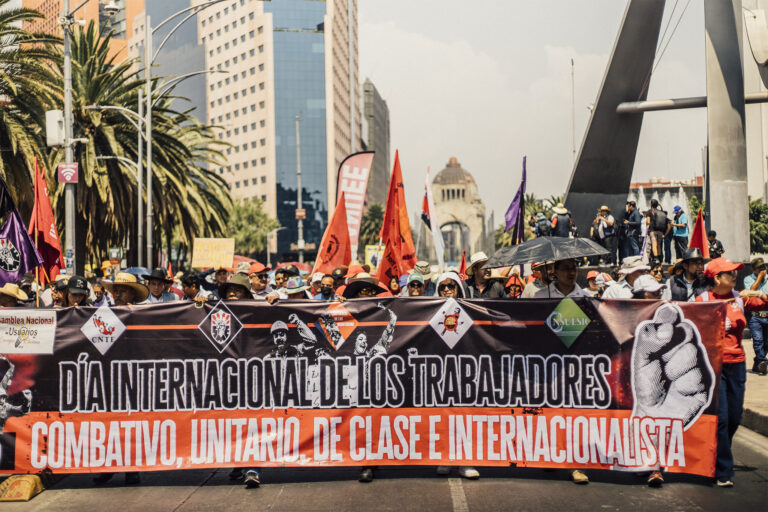
“The task at hand for workers can be none other than to promote organization and combative struggle in defense of our class interests,” writes Ricardo Torres.
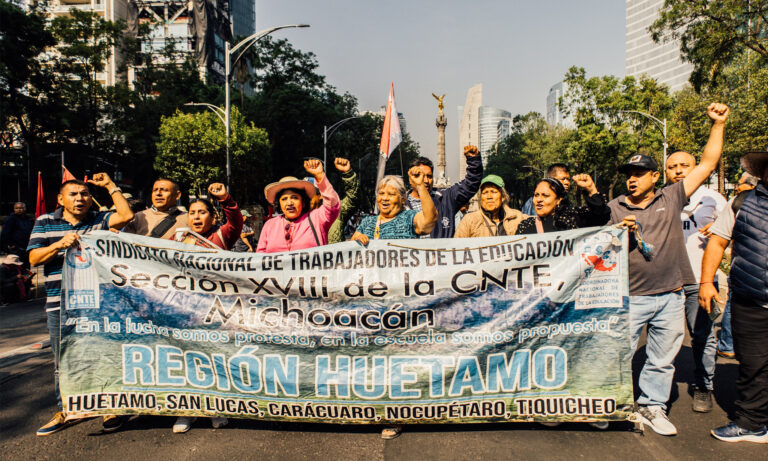
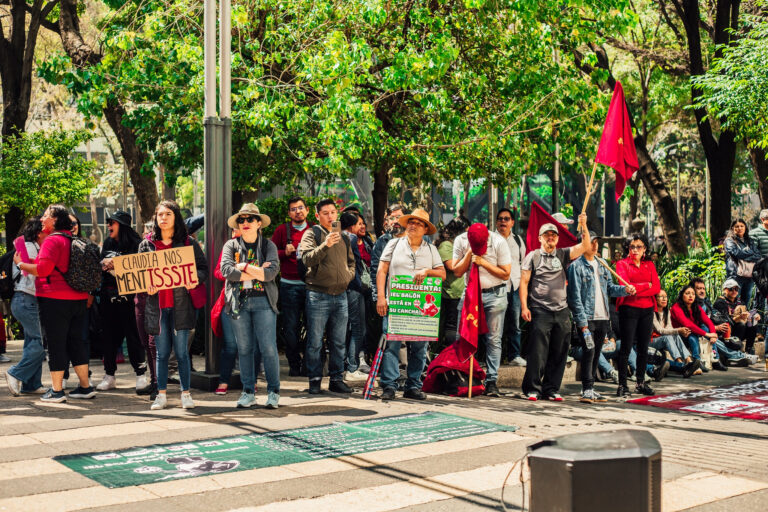
The striking teachers indicated that as part of their 72-hour National Strike, they will continue protesting the Mexican government’s failure to comply with agreements reached in tripartite meetings and to demand repeal of the 2007 ISSSTE Law.
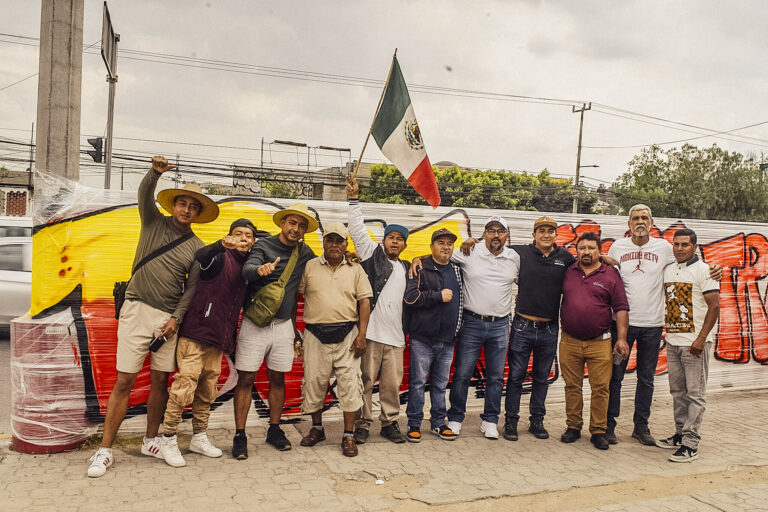
Around 4:30 AM, about 60 armed men with sticks and firearms began attacking the workers, who managed to capture two of the attackers.
The union emphasized their demand is that “the negotiation table be resumed with President Claudia Sheinbaum Pardo, who has failed to keep her promise to repeal the 2007 ISSSTE Law.”
President Sheinbaum said that education officials will address demands that are “feasible to meet.”
The Metropolitan Autonomous University’s faculty and staff union has broadened the base of democratic decision-making in an institution where unilateral decisions abound.
For a plant of 7,000 workers, the mobilization of a strike committee of 300 sends a clear message to GM: a willingness to reach an agreement doesn’t imply a renunciation of their demands.
The CNTE urged unions and workers to join actions to demand repeal of the 2007 ISSSTE Law, & for the defense of a social security system that “provides all with health services and decent pensions.”