
Cine Mujer Collective Celebrates Sisterhood as Resistance in ‘Rebeladas’ Documentary
This article by Jorge Caballero originally appeared in the March 6, 2026 edition of La Jornada, Mexico’s premier left wing daily newspaper.
In the late 1970s, amidst a patriarchal society, the Cine Mujer Collective emerged, a group of feminist filmmakers who found in cinema the ideal political tool to denounce the gender issues that defined Mexican society at the time. Today, almost five decades after its formation, this documentary turns to the members of this group to explore some of their films, and at the same time contrast the reality portrayed by the collective with the landscape that Mexican women face today.
Directed by Andrea Gautier and Tabatta Salinas, the film tells the story of the nascent collective during the 1970s and 80s, bringing its members together to reflect on their fight against gender violence, sexism, and their advocacy for abortion rights, demonstrating that these issues remain relevant today. “It’s an exercise in historical memory that celebrates sisterhood and art as a form of resistance,” the filmmakers noted.
In an interview with La Jornada, Gautier and Salinas also spoke about the origin, development and projection of the documentary Rebeladas, mentioning that their artistic intention was “to avoid a strictly chronological narrative, privileging the dialogue between past and present to connect with new generations.”
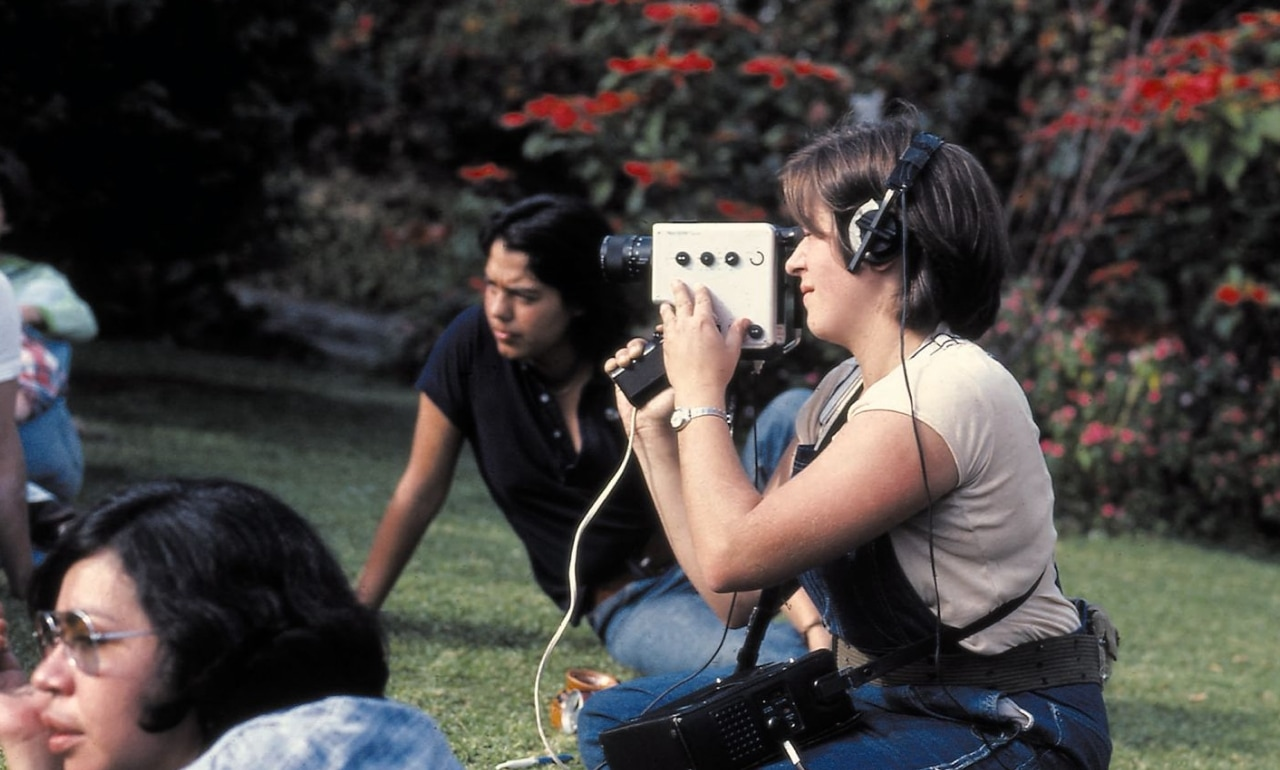
In another point of agreement, they mentioned that in this generational discussion, Rebeladas shows “what can be learned from the Cine Mujer Collective, because we need to recover freshness, urgency, and be less self-demanding, proposing a more punk and less self-censored approach to activism and cultural creation. We need to recover a more visceral and less self-questioning attitude, following the examples of previous generations.”
Regarding the previous answer, Andrea and Tabatta elaborated on the loss of freshness due to fear of what others will say and “cancellation,” and emphasized the importance of daring to be different without overthinking political correctness in order to regain innocence and spontaneity.
The documentary, which premieres this March 6th in theaters nationwide, features testimonies from the collective such as María Novaro, María Eugenia Tamés, Sonia Fritz and Maricarmen de Lara, among others.
Specifically, Andrea recounted her investigative discovery in 2005, the first contact with members of the collective, and the process of compiling archives and interviews that led to resuming the film between 2016 and 2023.
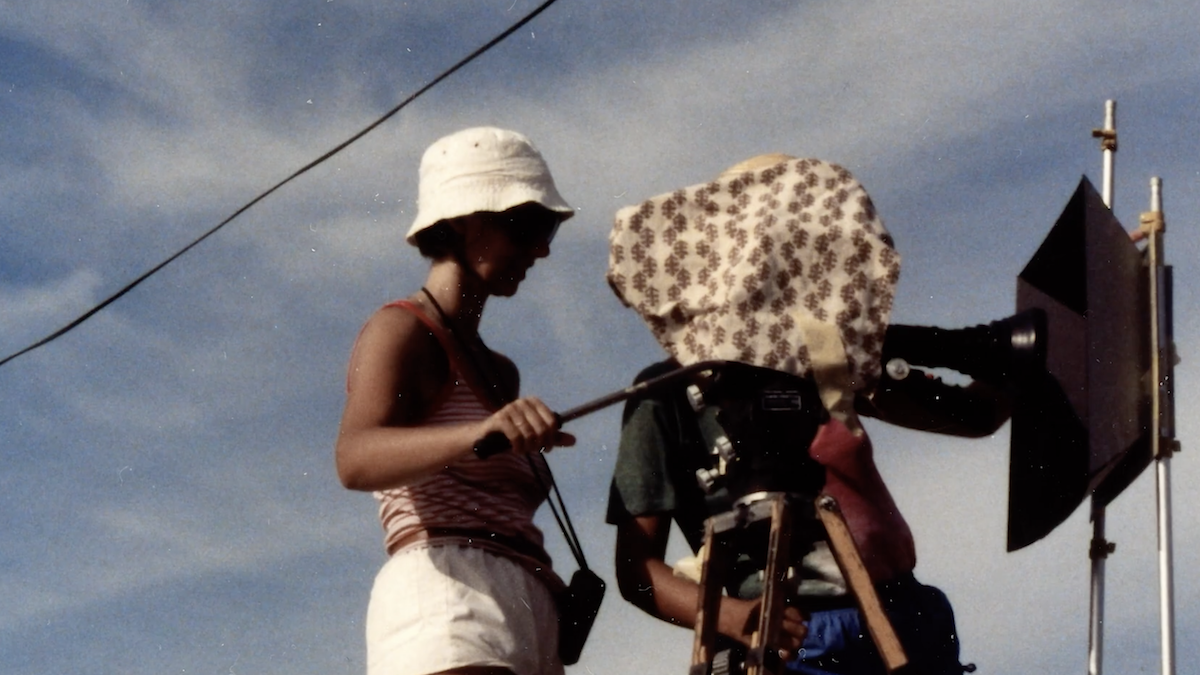
“I was looking for information on women in film and I came across it at UNAM in 2005. Women who reclaimed cinema as a political and feminist tool, addressing taboo subjects of the time such as abortion, rape, domestic work, and sexual abuse. That’s how I discovered the work of the Cine Mujer Collective, and then I met Tabatta and we started working together. We began researching the Cine Mujer Collective, contacted them, and brought them together for the first time in academic meetings after the initial research and early audiovisual recordings were compiled. That was the basis for making Rebeladas.”
Later, the directors explained: “The project evolved from the idea to production. Then in 2016 we got the project off the ground, which was a difficult thing, and it began its festival circuit, premiering in 2023. We always kept in mind the preservation of the interviews over the years and made the stylistic decision to prioritize emotions and intergenerational dialogue in the documentary, opting for a non-chronological structure that prioritizes emotions and dialogue with the present instead of a traditional biopic.”
The interview covered the reception of Rebeladas at festivals, its premiere at DOCS MX, its participation in the Morelia International Film Festival, tours with Ambulante and presentations with collectives such as Colmena.
The premiere in commercial theaters in the country, they confessed: “has us excited and we want to thank the team for having reached this exhibition channel, and we are waiting to see the public’s response to an independent feminist documentary that always has difficulties getting out into the open.”
-
Families of Missing Persons Request Meeting with President Sheinbaum After Release of Disappearances Data
Families expressed their concern about an update to Mexico’s National Registry which “prioritizes administrative management over the reality of families on the ground.”
-
Clicks
Our weekly roundup of stories in the English and Spanish language press including Mexico’s new film law, Langston Hughes, disappearances, Nuestra América convoy, evictions, deportees, and the trade spat with China.
-
Mexican External Relations Secretariat Demands US Investigate Death of Mexican Citizen in ICE Custody
14 Mexican citizens have lost their lives in ICE custody or in immigration operations during President Donald Trump’s second term.