Cities Without Drainage, Homes Without Water: the Complex Reality of Mexico
This article by Alejandro Castro originally appeared in the March 25, 2026 edition of El Sol de México.
According to the latest United Nations report, 40 percent of the world lacks access to quality sanitation. In the case of Mexico, official indicators suggest that access to drinking water and sanitation is practically resolved. According to the National Water Commission (CONAGUA) and the National Institute of Statistics and Geography (INEGI), 96.1 percent of the population has access to drinking water and 95.2 percent to sewage systems.
But these percentages mask a more complex reality. In the case of cities, having a connection to the network does not mean receiving sufficient, potable, or continuous water, nor does it mean having functional sanitation systems.
The Economic Commission for Latin America and the Caribbean (ECLAC) has said that, although coverage is high, investment in the sector is insufficient to guarantee safe services, and that it would require allocating about 1.56 percent of annual GDP to achieve this, well above what is currently invested, which is around 1 percent.
On more than one occasion, this organization has emphasized that significantly larger investments are required to achieve securely managed services.
The consequence is an urban paradox, in which millions of people live in cities with formal infrastructure, but without effective access to basic hygiene conditions.
Access, But Inconsistent
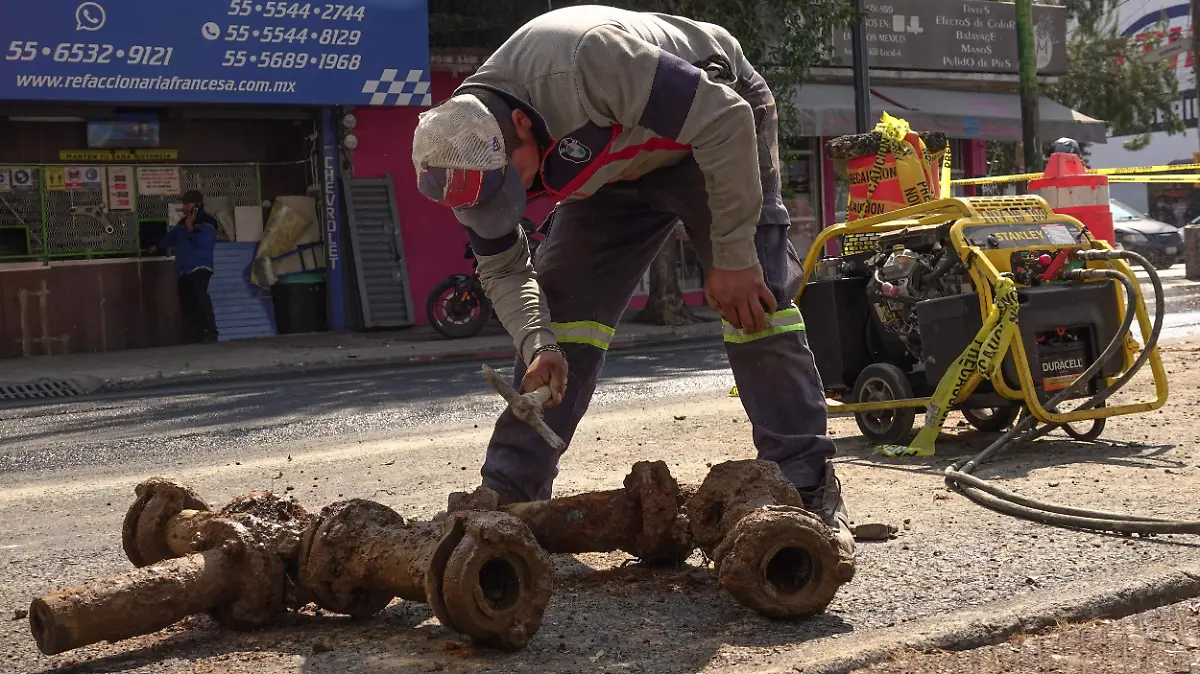
One of the most revealing indicators is the continuity of service. According to INEGI, only 53.4 percent of Mexican households have a daily water supply. But what is most alarming is that in 2019 that percentage was 62.4 percent, which indicates a clear decline.
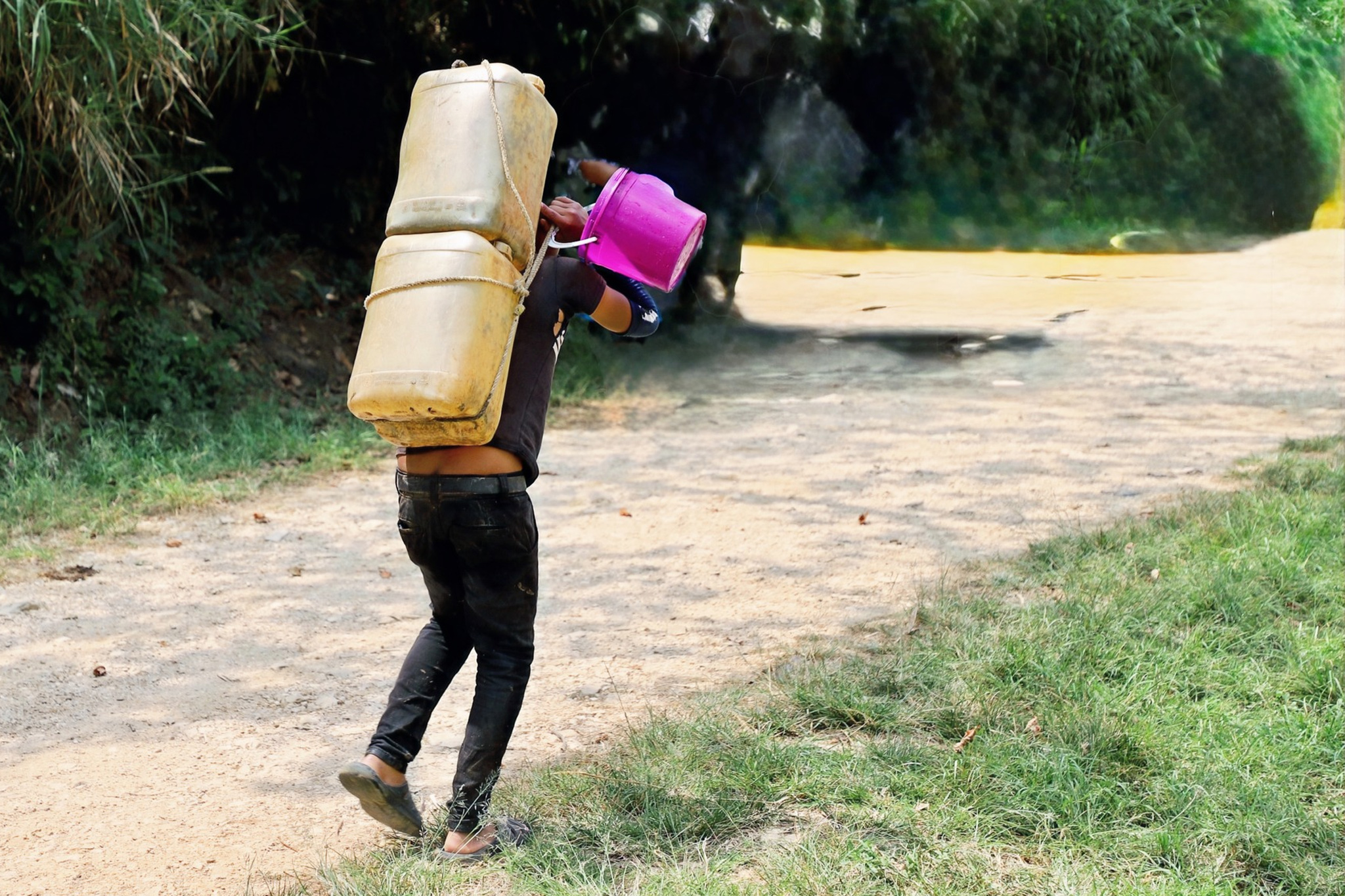
This means that almost half of those living in cities must store water, buy water from tankers, or depend on water rationing, which directly affects daily hygiene.
Almost half of Mexicans who live in cities must store water, buy water from tankers, or depend on water rationing; an increase from 2019.
The National Institute of Statistics and Geography (INEGI) itself acknowledges that satisfaction with the drainage and sewage service is limited: Only 45.4 percent of the adult population declares itself satisfied with the service, which reflects failures in quality, maintenance or coverage.
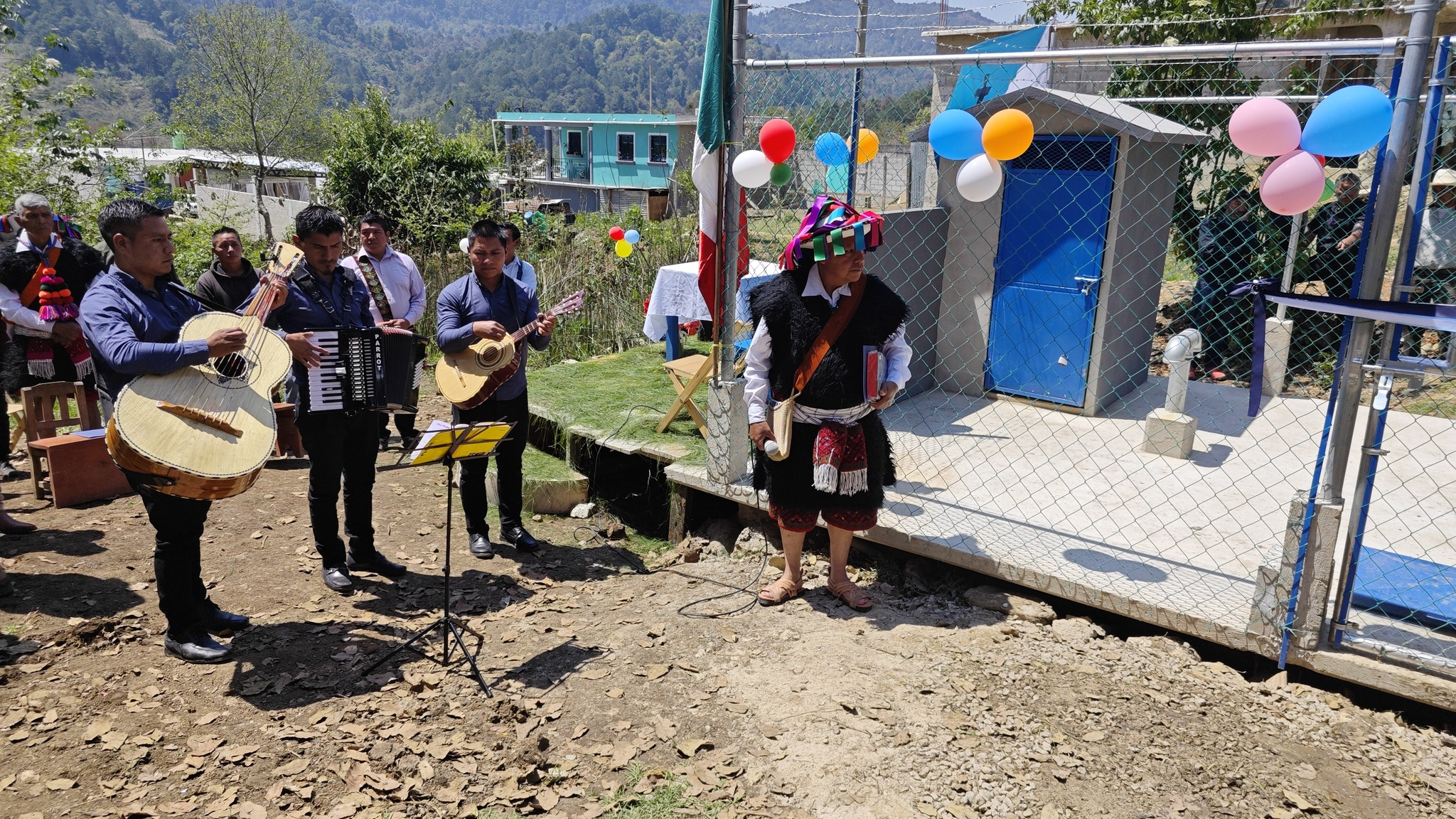
On the subject, Enrique Lomnitz, founder of Isla Urbana, has said that the supply infrastructure is in very poor condition and the percentage of the population receiving water on a rotating schedule has increased dramatically: “We need to reinvent ourselves: rainwater harvesting in cities could cover 50 percent of domestic demand, reducing pressure on degraded aquifers.”
Coverage Isn’t the Same as Access
International organizations use a stricter indicator, which is that of “safely managed service”, which implies having water available, potable and accessible in the home.
According to the WHO – UNICEF Joint Monitoring Programme, 57 percent of households in Mexico do not have safely managed water, while 43 percent lack safe sanitation. This does not mean that there are no pipes, but rather that the supply may be intermittent, contaminated, or insufficient to guarantee basic hygiene.
Fermín Reygadas, co-founder of Cántaro Azul, says: “Institutional weakness has directly contributed to the destruction of the common good of water. We need to change the narrative: sanitation is not just about laying pipes, it is a care-based and collective health approach that is deeply fractured today.”
UNICEF points out that access to water , hygiene and sanitation is a fundamental human right, essential for health, education and dignity, but that there are still urban and peri-urban communities without adequate conditions.
Research on water resources in Mexico City warns that the system faces structural water stress, due to overexploitation of aquifers, disorderly urban growth and aging networks.
Limitations in Vulnerable Contexts
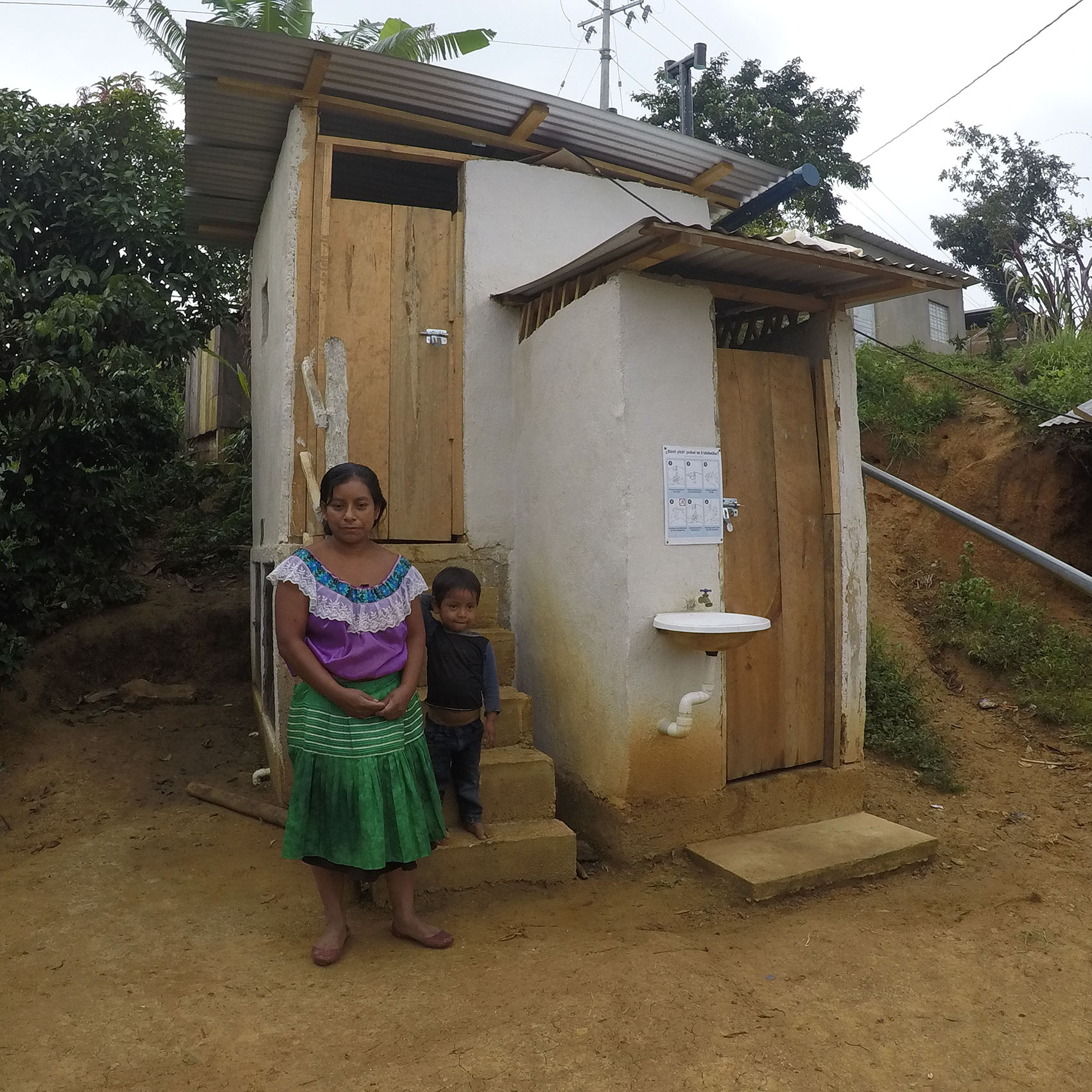
The lack of continuous water has direct consequences on hygiene, because it hinders the performance of essential activities such as hand washing, forces the storage of water in unsafe conditions, increases the risk of gastrointestinal diseases and affects schools, hospitals and public spaces.
The situation in educational institutions is particularly critical. According to the Second National Survey on Menstrual Management ( UNICEF Mexico/Essity, 2026 ), 67 percent of the students surveyed reported not having access to free menstrual hygiene products at their schools in case of emergencies.
Nationally, 5 out of 10 girls miss school during their period due to a lack of decent toilets or running water for hygiene.
And if this were not enough, only 64 percent of hospital units in urban areas meet the WHO standard of one functional sink for every 10 beds (Ministry of Health, 2025).
UNICEF warns that hygiene depends not only on infrastructure, but also on the actual availability of water in the home, which remains a challenge in Mexico, especially in contexts of urban poverty and migration.
One of the most striking features of the problem is inequality , because although national coverage exceeds 95 percent, some states have much lower levels, particularly Guerrero, Oaxaca and Chiapas.
The National Council for the Evaluation of Social Development Policy (CONEVAL), in its report on the measurement of poverty 2024-2025, points out that the lack of basic services in housing continues to be a major challenge in urban peripheries.
In cities like Mexico City, the intermittent supply affects more than 14 million people, who are forced to rely on external storage systems that, if not managed properly, compromise basic hygiene.
ECLAC warns that institutional fragmentation and variations in tariffs and regulations between states make it difficult to guarantee homogeneous quality services.
A Problem Growing with Urbanization
Mexico is now a predominantly urban country, and the demand for water in cities continues to increase. Studies on urbanization warn that water demand could double in the coming decades, while current infrastructure is already operating at its limit.
Another pending challenge is wastewater management , since the lack of sanitation is not only limited to the absence of drainage, but also to the inefficiency in waste treatment. Data from Conagua in March 2025 reveals a weakened infrastructure landscape, as only 65.6 percent of the 3,440 municipal wastewater treatment plants in the country are operational. On the other hand, the cost of surface water degradation and aquifer depletion amounted to 102,029 million pesos in 2023, representing 0.32 percent of the national GDP (INEGI, 2025).
Outlook for the Future
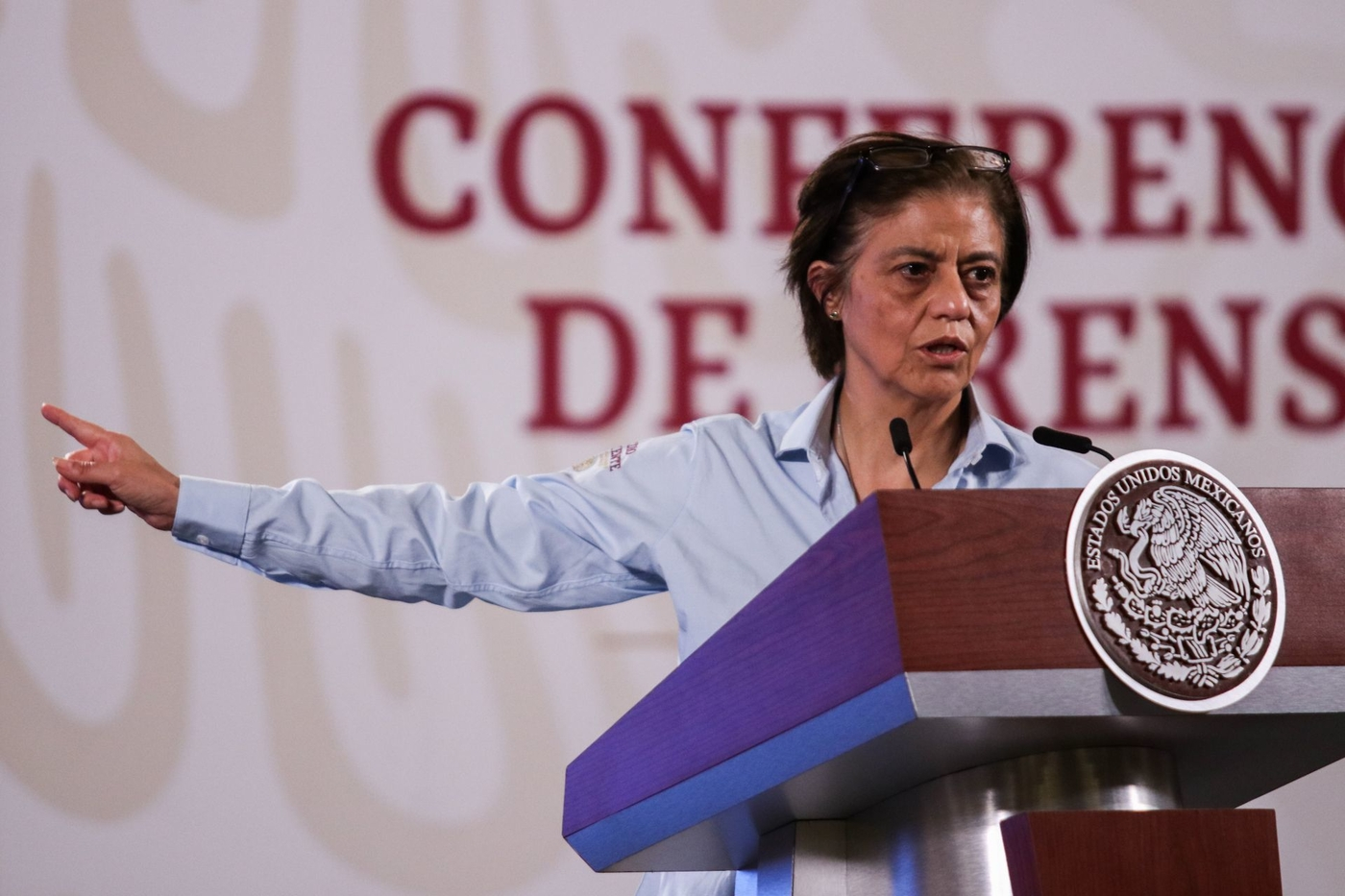
By 2030, Mexico faces the international commitment of Sustainable Development Goal 6 (Clean Water and Sanitation). Institutional data shows that, while there has been progress in digitization and monitoring, the physical infrastructure is reaching a breaking point. The success of the coming years will depend not only on economic investment (estimated by CONAGUA at more than 12.4 billion pesos, just for regional sewerage ), but on comprehensive management that links health, education and environmental conservation under a model of social justice.
As Blanca Jiménez Cisneros, UNESCO expert and former head of CONAGUA, points out, drinking water and drainage services are the structural basis for the development of any country: “Currently, Mexico does not fully cover these rights, and until comprehensive sanitation is achieved, the inequality gap will continue to grow.”
Alejandro Castro is a journalist specializing in music, art, and culture, with 25 years of experience in radio and print media.
-
US Military Illegally Entered Mexico in Nogales, Sonora
This follows a November 2025 incident when US military contractors installed “restricted area” signs on Playa Bagdad in Tamaulipas, Mexico claiming it as US Department of Defense property.
-
El Taller: Cuba, Iran and the Wounded Empire with Hilary Goodfriend
In the second part of this El Taller conversation, hosts José Luis Granados Ceja and Kurt Hackbarth continue their wide-ranging discussion with Hilary Goodfriend, a postdoctoral researcher at UNAM and specialist in Central American politics. The conversation turns to the geopolitical fallout from the U.S. war in Iran and what it could mean for Latin…
-
China Says it has Right to Take Retaliatory Measures Over Mexico’s Anti-China Tariffs
The tariffs, announced by Mexico in December, were seen by analysts as an attempt to placate the United States, whose President levied significant tariffs on Chinese goods.