El Taller: Cuba, Iran and the Wounded Empire with Hilary Goodfriend
In the second part of this El Taller conversation, hosts José Luis Granados Ceja and Kurt Hackbarth continue their wide-ranging discussion with Hilary Goodfriend, a postdoctoral researcher at UNAM and specialist in Central American politics.
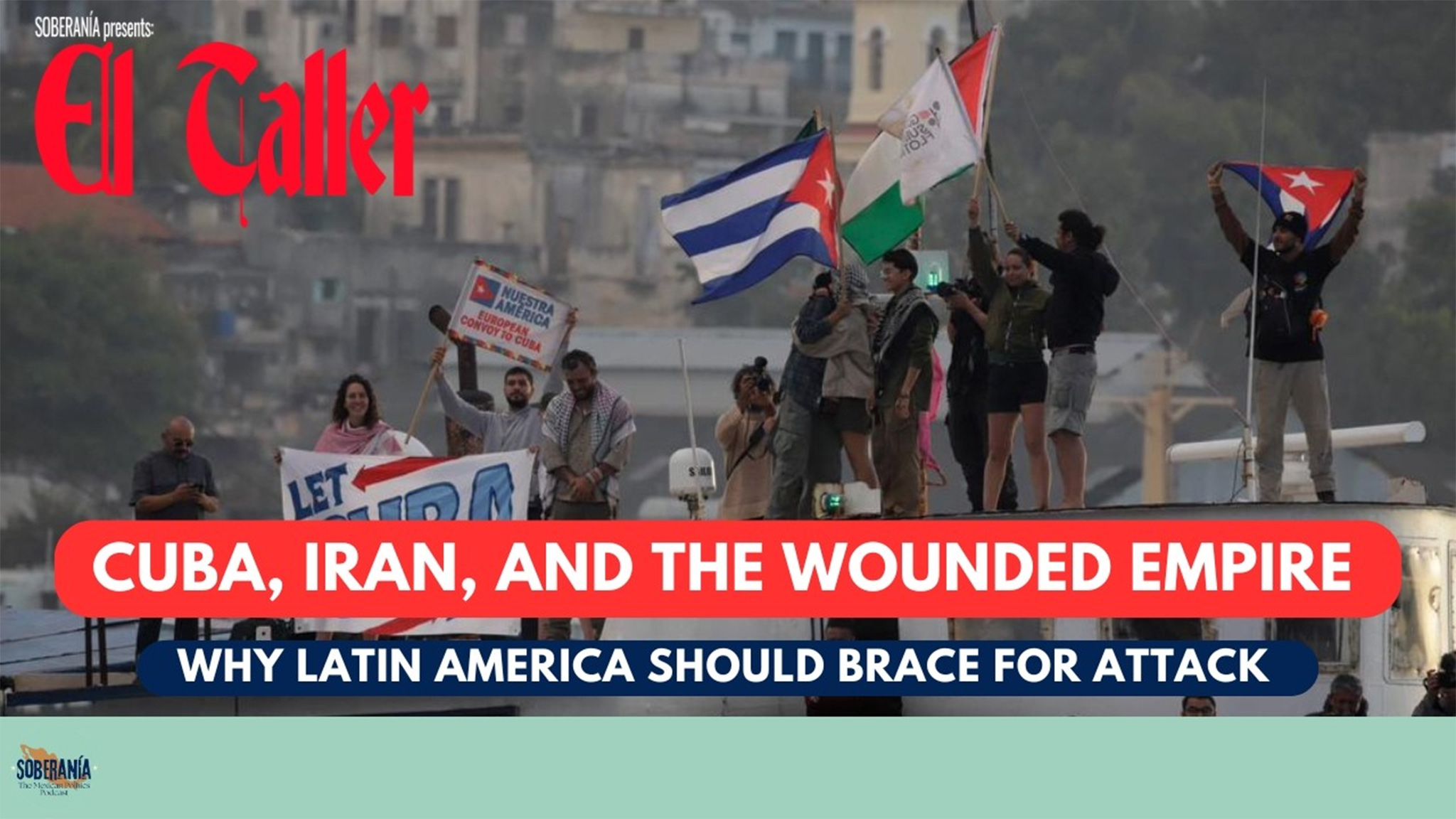
The conversation turns to the geopolitical fallout from the U.S. war in Iran and what it could mean for Latin America. With Lindsey Graham publicly declaring “Cuba is next” and U.S. military action already underway in Ecuador, the hosts and Goodfriend consider whether a bloodied empire will retreat or lash out at smaller powers, a pattern with deep roots in Central American history.
They also examine the economic vulnerabilities of the region, from remittance-dependent economies like El Salvador to Mexico’s complex position in USMCA negotiations. The discussion traces how decades of U.S.-funded NGO-ization depoliticized social movements, leaving a vacuum that far-right figures like Bukele have exploited—and what lessons progressive governments in Mexico, Colombia, and Brazil might draw from Central America’s recent history.
Throughout, the conversation returns to a central tension facing left governments today: the pressure to moderate in the face of destabilization versus the need to mobilize and deliver for the base that brought them to power.
-
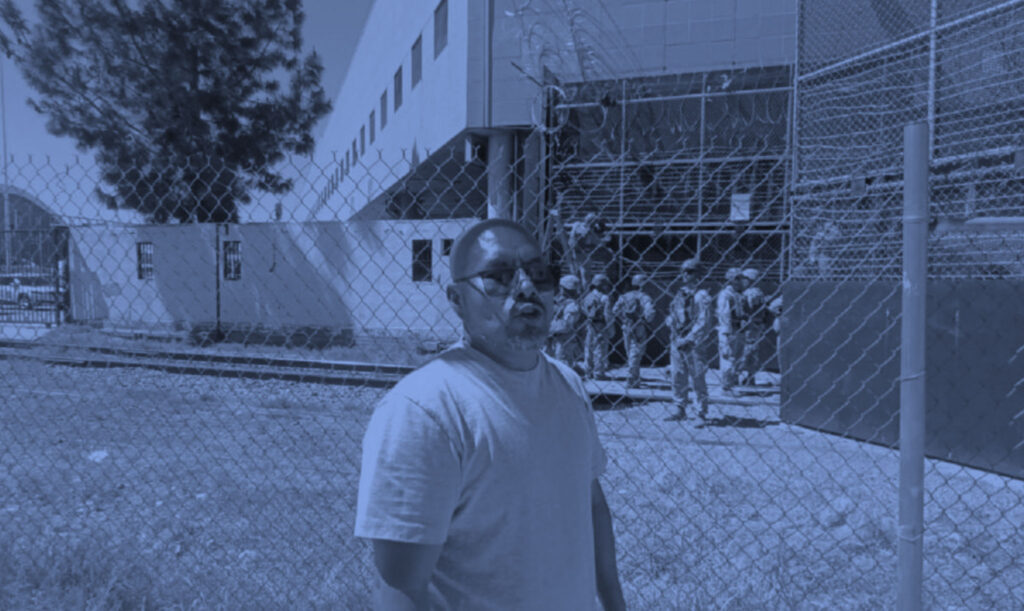
US Military Illegally Entered Mexico in Nogales, Sonora
This follows a November 2025 incident when US military contractors installed “restricted area” signs on Playa Bagdad in Tamaulipas, Mexico claiming it as US Department of Defense property.
-
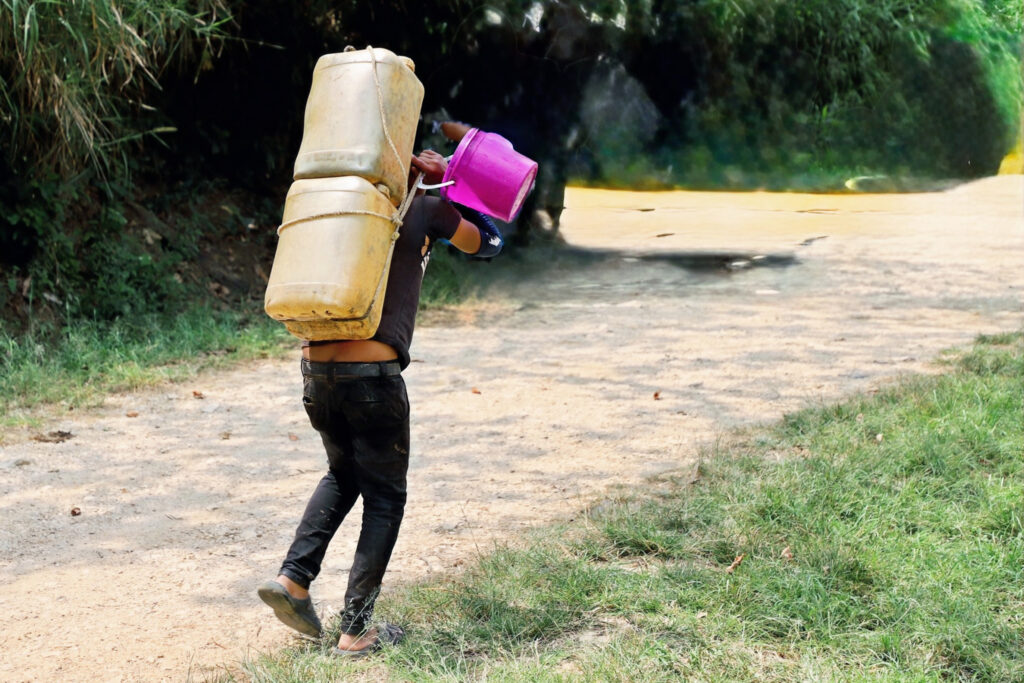
Cities Without Drainage, Homes Without Water: the Complex Reality of Mexico
96.1% of the Mexican population has access to drinking water and 95.2% to sewage systems, but that doesn’t mean Mexicans receive sufficient, potable, or continuous water, nor does it mean all sanitation systems are functional.
-
China Says it has Right to Take Retaliatory Measures Over Mexico’s Anti-China Tariffs
The tariffs, announced by Mexico in December, were seen by analysts as an attempt to placate the United States, whose President levied significant tariffs on Chinese goods.