Sheinbaum: “Media Apply the Formula ‘I Hit You So You Pay Me'”
This article by Nancy Flores originally appeared in the August 4, 2026 edition of Contralínea, an independent Mexican investigative magazine.
Now that the amount of government advertising has been cut to a third, compared with what they were given during Enrique Peña’s six-year term, the media apply the formula: “I hit you so you pay me,” President Claudia Sheinbaum said this morning. This was in reference to the behavior of certain media companies that orchestrate campaigns of lies to force commercial negotiations.
At her morning press conference, the president indicated that this phrase was told to her by a person, whom she did not identify, with whom she recently spoke about the current media dirty war. “A little while ago a person told me, because there was that phrase from López Portillo, who used to say to the media: ‘I don’t pay for you to hit me.'” And now it is “I hit you so you pay me.”
Sheinbaum Pardo confirmed that some companies do behave this way: “And yes, they seek funds, which they are not going to get because the money belongs to the people.” She also explained that there is now more distribution of the government advertising budget, since now “state and local media are supported.”
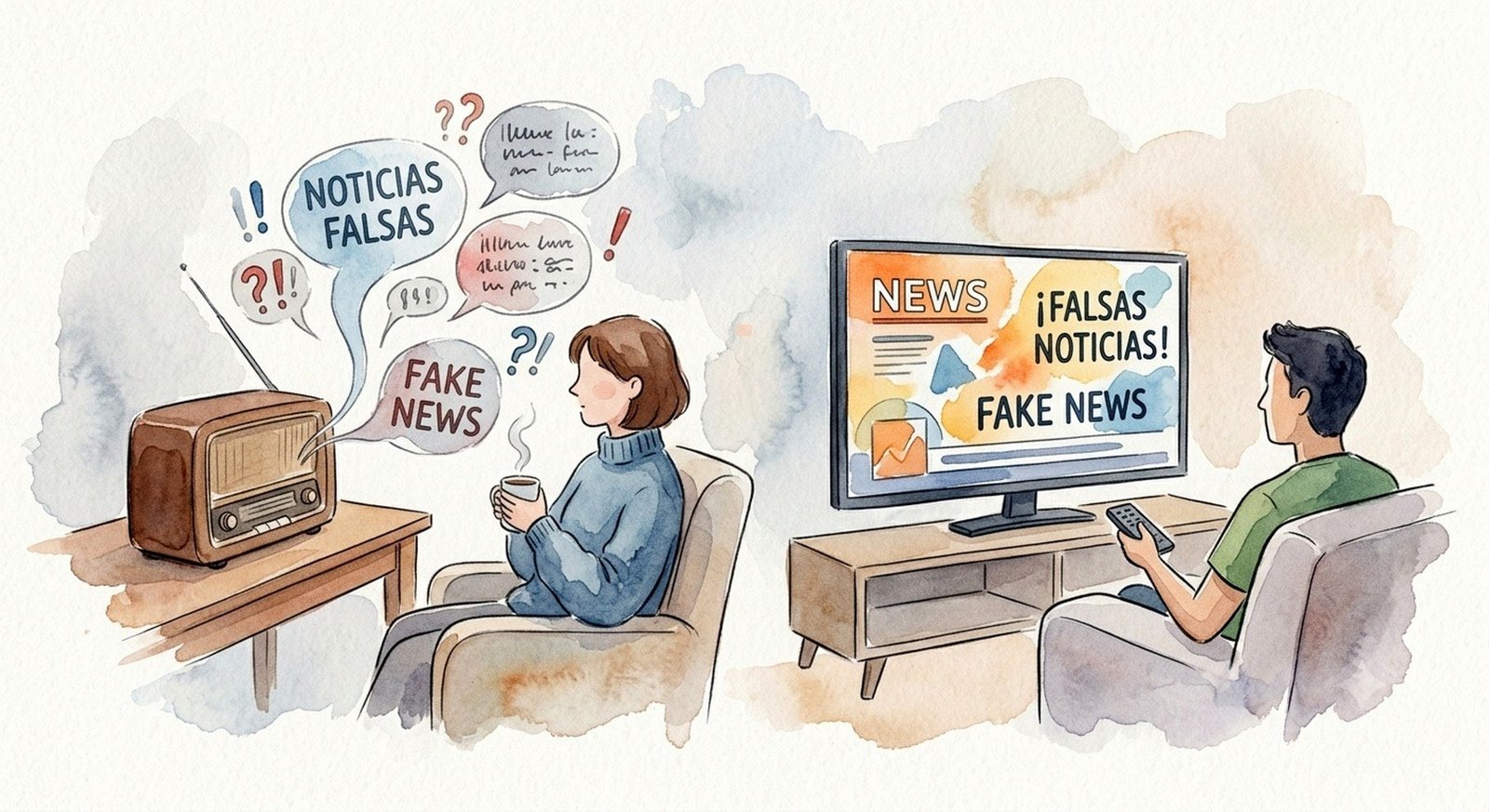
Asked by Contralínea about the false debate in the media over the guidelines to regulate the right of audiences, and which, according to the commentariat, is an attempt at government censorship, the president of the Republic charged that those same media outlets “deliberately lie. President López Obrador used to say it a lot: ‘it is the maxim of Hitler, of Goebbels: I must tell a lie so many times until it becomes truth.’ And that is how many media are.”
Regarding the guidelines for radio stations and television channels to respect the rights of audiences, she indicated that, at the very least, the aim is for them to publish their codes of ethics and give listeners and viewers space to file complaints.
“What is your Code of Ethics? Maybe they publish a code of ethics [that says]: ‘we want to sell everything, freedom is in the market; the supremacy of one person over another is feasible. And that is what I am going to spread.’ ‘The market is everything,’ ‘there are no rights for the people,’ ‘I do not agree that there should be freedom of expression.’ That is their code of ethics, that would already be an outrage, right? But at least publish it.”
Sheinbaum Pardo added that if, on the contrary, the code of ethics establishes that the outlet is committed to “telling the truth” and “seeking plural opinions,” as the Constitution says, and they do not comply with it, “then people are also going to see where the ethics are. But to enter into a process of censorship from the government, of determining whether the content is one thing or another, is very dangerous and we are not going to fall into that. But at least let the audience have the right to complain.”
Likewise, she indicated that “the right to information is just that, a right, it is not a commodity, it is established in the Constitution as a right.” And she read a phrase from Article 6 of the Constitution: “‘every person has the right to free access to plural and timely information.’ A right!”
Contralínea pointed out that on the issue of the right of audiences, there is a false debate in the media because there is no right or freedom to lie, defame, manipulate, or extort. No international convention, law, or code of journalistic ethics establishes that the media and the commentariat have the right to corrupt themselves and systematically violate human rights, beginning with the rights to truthful information, to democracy, and to justice. And the companies that constitute themselves as media outlets have constitutional obligations related to Articles 6 and 7, which establish the human rights to information, and freedom of expression and the press.
Those obligations correspond to the right that the people have to truthful information, and that is why journalism cannot be confused with a business, because it is a service to society, and the truth is a public good. Therefore, in that false media debate, whoever defends that there be no rules or criteria for audiences to exercise those human rights is not promoting freedom of expression, of opinion, or of the press; they clearly defend lies, extortion, and defamation.
This is because the International Code of Journalistic Ethics of UNESCO clearly states in its Article 1: “The people’s right to true information: The people and individuals have the right to receive an objective picture of reality by means of accurate and comprehensive information, and to express themselves freely through the various media of culture and communication”; while the World Charter of Ethics for Journalists states in its first article: “1. Respect for the truth of the facts and the right of the public to know it constitutes the journalist’s primary duty.”
-
Mexican Governor Maru Hands Out Gifts and Rivers of Public Money to Media and Famous Journalists From Mexico City
Ties from Pineda Covalín, 5,000 tamales and 1.5 million pesos for Adela Micha: Chihuahua’s PAN governments have spent billions polishing their image.
-
Jáuregui, Maru Campos’s Former Prosecutor, Is Ordered to Stand Trial for Treason Against Mexico
After 80 years without a similar case, a judge ordered the trial on more than 150 pieces of evidence presented by the Attorney General’s Office.
-
Mexico Meets Minimum Annual Water Delivery to the US Despite Extreme Drought
Washington’s Agriculture Secretary confirmed the 350,000 acre-feet, but pressed Mexico to keep delivering and repay the “water debt owed to Texas farmers”.