Mexico Eliminates 88% of Consumption of Substances That Damage the Ozone Layer
This article by Fernanda Monroy originally appeared in the November 6, 2026 edition of Contralínea, a Mexican investigative journalism magazine.
Mexico eliminated 88 percent of its consumption of hydrochlorofluorocarbons (HCFCs) relative to its national baseline, as of December 2025, and maintains the goal of their total elimination by 2030, reported the Undersecretary of Environmental Regulation, Ileana Villalobos Estrada, during the 38th Meeting of the Parties to the Montreal Protocol (MOP38), held from November 2 to 6 in Kigali, Rwanda.
Representing the Secretary of Environment and Natural Resources, Alicia Bárcena Ibarra, the official presented Mexico’s progress in eliminating substances that deplete the ozone layer and in the transition toward refrigeration technologies with lower environmental impact.
According to Undersecretary Villalobos Estrada, as part of the implementation of the Kigali Amendment, since 2024 Mexico has applied national control measures and an import quota system for hydrofluorocarbons (HFCs), with the goal of freezing their consumption and advancing in their gradual reduction.
The undersecretary also presented the progress in the technological conversion of the national refrigeration industry. Among them, she highlighted the projects to replace refrigerants with high global warming potential with natural alternatives.
Likewise, she reported that in 2025 the conversion of the national manufacturing sector for self-contained commercial refrigeration equipment was completed, through the incorporation of alternatives with lower climate impact and improvements in energy efficiency.
During her participation, the official noted that the Mexican government is promoting a Humanist Ecological and Environmental Policy that places people and ecosystems at the center of public decisions.
According to what she presented, this orientation seeks to link environmental protection with the well-being of the population and to promote a technological transition that contributes both to the protection of the ozone layer and to climate change mitigation and adaptation.
Ten years after the adoption of the Kigali Amendment, the official highlighted multilateral cooperation as a tool to address environmental challenges. The agreement establishes the gradual reduction of HFCs, used in various refrigeration and air-conditioning systems and with a high global warming potential.
Undersecretary Villalobos Estrada reiterated Mexico’s commitment to complying with the Montreal Protocol and the Kigali Amendment, through the adoption of sustainable technologies, increased energy efficiency, and the strengthening of national capacities.
-
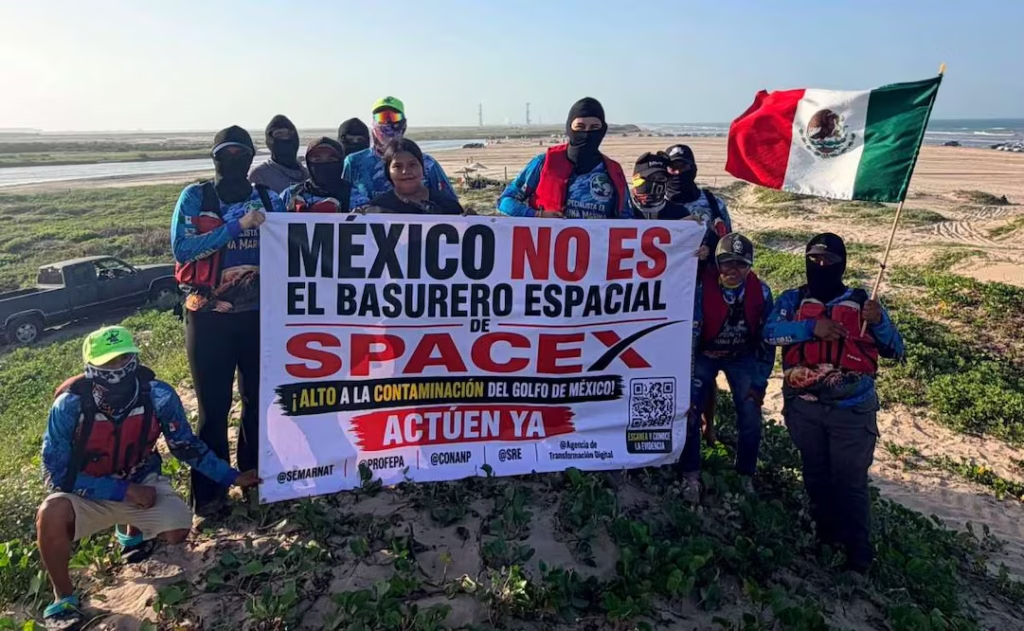
Mexico Requests Meeting with US to Regulate SpaceX Flights and Airspace Use
Sheinbaum says SpaceX needs authorization to use Mexican airspace, while officials investigate Starship debris on a Tamaulipas beach.
-
Press Stays Silent on the U.S. Government’s Lack of Action Against Drugs
U.S. media covered the capture of Chapo Isidro in detail, but barely mention a $100-billion domestic drug market where only one in six people needing treatment gets it.
-
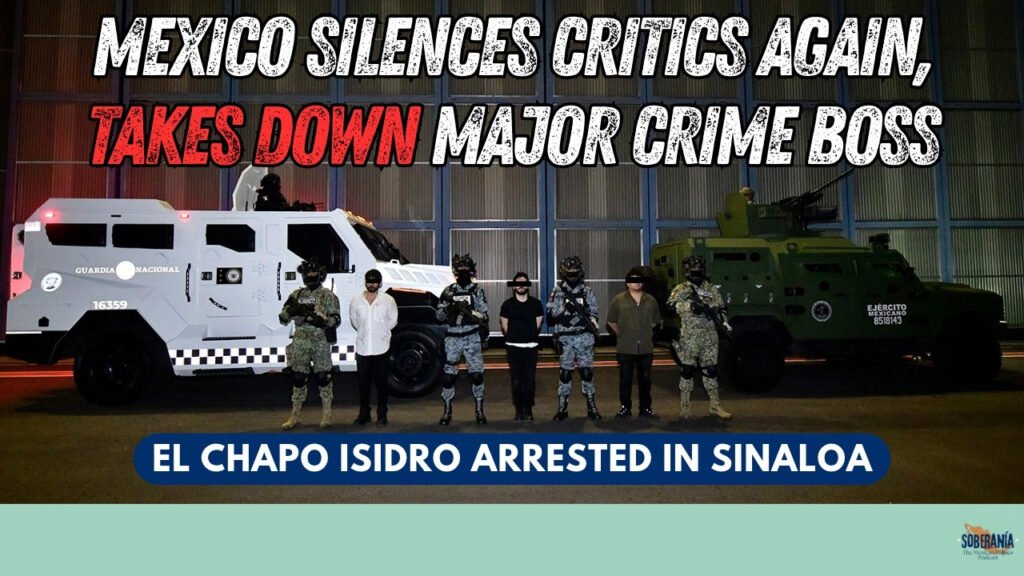
Mexico Silences Critics Again, TAKES DOWN Major Crime Boss – Soberanía 133
El Chapo Isidro’s capture, Mexico’s rejection of “narcoterrorism” at the OAS, and the US pause in joint operations with Ecuador.