Secretariat of Health Recognizes Indigenous Traditional Medicine in the National Midwifery Committee
This article by Ángeles Cruz Martínez originally appeared in the June 18, 2026 edition of La Jornada, Mexico’s premier left wing daily newspaper.
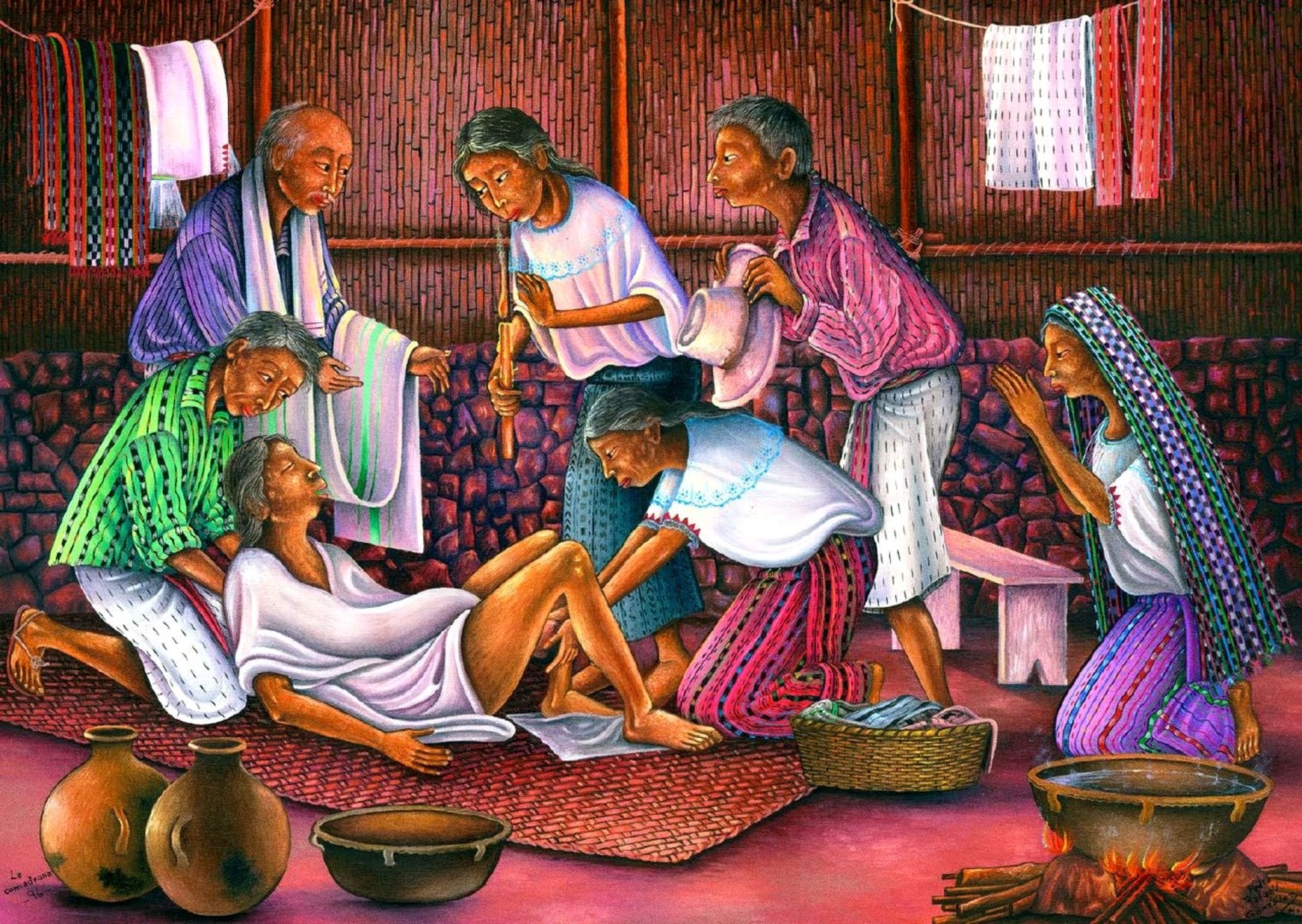
Mexico City. The Secretariat of Health (Ssa) modified some aspects of the recently created National Midwifery Committee, in order to include an intercultural approach, the representative participation of indigenous and Afro-Mexican peoples and communities and, with them, traditional midwives, who will, in addition, participate voluntarily in training, formation and continuous updating strategies in the health services.
In the ministerial agreement published in the Official Gazette of the Federation on May 1 for the creation of the Committee, it was implicitly established that traditional midwives should be incorporated into those activities, and this was, in fact, one of the complaints organizations made in recent weeks, since they considered that provision to be a lack of respect for their traditions and ancestral practices.
In the considerations of the new agreement released today, the Secretary of Health, David Kershenobich, acknowledges that the changes to the National Midwifery Committee are intended to comply with the General Health Law and the objectives of the national health system, among them, “respect for, knowledge of and development of indigenous traditional medicine and its practice under dignified conditions, including traditional midwifery.”
Institutions with an Intercultural Profile Join the Committee
He indicates that as a result of a comprehensive review of the original agreement, it was decided to include among the permanent members with voice and vote rights in the National Midwifery Committee, the National Institute of Indigenous Peoples and the National Council of Indigenous Peoples, in order to strengthen the intercultural approach and the representative participation of indigenous and Afro-Mexican peoples and communities.
Also incorporated are the National Institute of Public Health, the School of Nursing and Obstetrics of the National Autonomous University of Mexico (FENO), the Higher School of Nursing and Obstetrics of the National Polytechnic Institute (ESEO), and the General Coordination of the Permanent Nursing Commission (CPE). The Secretariat of National Defense and the Navy were removed from this body. Only the first joins the group of special guests with voice rights in the committee’s sessions.
Meanwhile, the rotating committee seats are given the same powers as the permanent members, primarily to participate in sessions with voice and vote rights. There are seven members who will be designated by the committee, from among the heads of the 32 state health ministries.
The ministerial agreement also provides for the creation of a working group in which civil associations dedicated to the training of professional and traditional midwives will participate. The topics agreed upon in said group may be presented for a vote in the full committee, the document published today in the Official Gazette of the Federation states.
Among the functions of the National Midwifery Committee is to follow up on the implementation of and compliance with regulatory provisions and clinical practice guidelines. The National Care Protocols and public policies related to the care of persons during pregnancy, delivery, postpartum and neonatal care are added, with an intercultural approach and cultural and linguistic relevance.
-
People’s Mañanera October 21
President Sheinbaum’s daily press conference, with comments on Pemex, fuel theft, Jalisco’s water crisis, missing persons, and the lie detector.
-
Jáuregui’s Arrest Does Not Close the CIA Case in Chihuahua; Morena Demands Broader Investigations
Morena leader Ariadna Montiel holds Governor Maru Campos politically responsible and says ex-prosecutor Guillermo Zuany must also face justice.
-
Morena Accuses Violation of the Secular State Over Award Ceremony for Evangelicals in the Chamber of Deputies
A representative of Israel’s embassy attended the PRI-hosted event, and the group’s founder was arrested in the U.S. for drug trafficking in 2007, Morena deputies said.