
Oxfam: Billionaires Contribute Only 21 Cents per 100 Pesos of Tax
This article by Clara Zepeda originally appeared in the January 24, 2026 edition of La Jornada, Mexico’s premier left wing daily newspaper.
Mexico City. The country needs more information about how the nation’s wealthiest citizens pay their taxes. “There is a clear lack of tax transparency in this area, unlike in the rest of the world. In Mexico, for every 100 pesos of federal tax revenue, billionaires, as individuals, contribute only 21 cents,” stated Carlos Brown, Director of Programs at Oxfam Mexico.
While available tax data is relatively extensive for lower-income groups, it becomes vague or nonexistent when it comes to the wealthiest people in the country, limiting public scrutiny of the tax system, warned the author of Oligarchy or Democracy: Nine Proposals Against the Extreme Accumulation of Power.
During a discussion about the report, Brown asserted that “the lack of disaggregated data on tax payments also makes it difficult to challenge deeply entrenched narratives, such as the idea that large fortunes sustain the national economy or that certain groups, such as those working in the informal sector, do not contribute fiscally to society.”
Alejandra Haas, executive director of Oxfam Mexico, highlighted that the organization made nine proposals against the extreme concentration of wealth, and among them, those focused directly on the care system stand out, which consist of promoting inclusive policies with collective participation and developing social infrastructure to redistribute unpaid work.
“A care system can at least fix the issue of time,” Haas said during the presentation of the study; and she specified that freeing up hours of unpaid work would allow women to decide whether they want to enter the labor market or participate in politics.
The head of the agency also warned that without a progressive tax reform, it will be difficult to finance this and other transformations.
The meeting also included Gerardo Esquivel, former deputy governor of the Bank of Mexico and author of the first report that Oxfam made for Mexico.
The economist stressed that Mexico needs to get back on the path of faster economic growth, or at least return to the 2 percent annual growth rate of previous years, in order to continue with a redistributive process; likewise, fiscal transparency is required in order to stop being one of the most unequal countries in the world.
The professor from El Colegio de México also asserted that it is necessary to combine a series of policies that help economic growth and the redistribution of resources.
The progress made in the last six years, and part of this one, to combat inequality, such as the increase in the minimum wage, stands out, Esquivel commented; however, he pointed out that a progressive tax reform could further combat inequality.
-
People’s Mañanera October 21
President Sheinbaum’s daily press conference, with comments on Pemex, fuel theft, Jalisco’s water crisis, missing persons, and the lie detector.
-
Jáuregui’s Arrest Does Not Close the CIA Case in Chihuahua; Morena Demands Broader Investigations
Morena leader Ariadna Montiel holds Governor Maru Campos politically responsible and says ex-prosecutor Guillermo Zuany must also face justice.
-
Morena Accuses Violation of the Secular State Over Award Ceremony for Evangelicals in the Chamber of Deputies
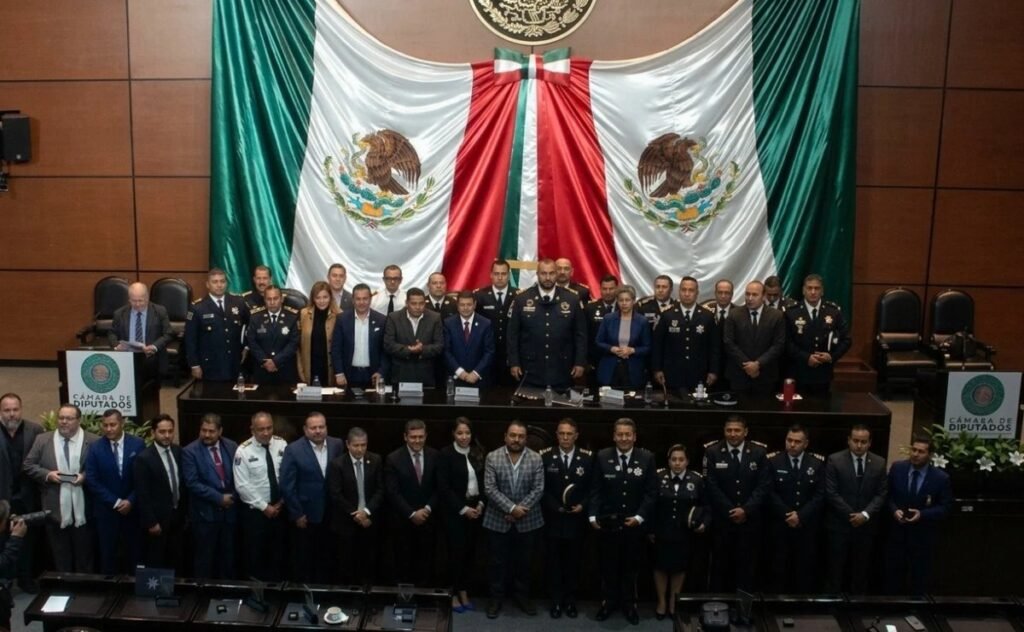
A representative of Israel’s embassy attended the PRI-hosted event, and the group’s founder was arrested in the U.S. for drug trafficking in 2007, Morena deputies said.