High Oil & Fertilizer Prices are Impacting Mexican Agriculture
Research professor Gerardo Noriega says the cost of armed and trade wars has hit Mexican agricultural producers hard.


Research professor Gerardo Noriega says the cost of armed and trade wars has hit Mexican agricultural producers hard.

Sonora-born coffee grower Armando Rodriguez now calls Hawaii his home: carrying on a tradition since the early 1800s, when King Kamehameha welcomed vaqueros, or paniolos, to the island to train horses & breed cattle.

Early morning starts, picking a kind of modern “red gold” that grows in the south of Baja California.
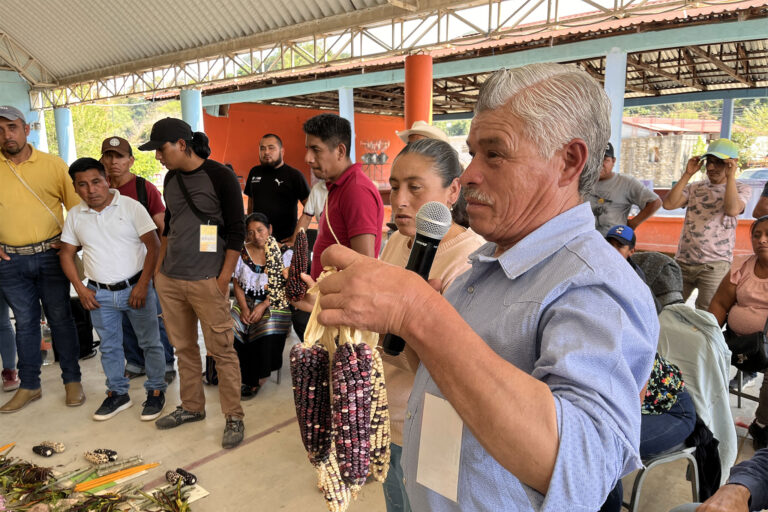
Communities spoke out against seed ownership systems and policies that promote land privatization and commodification, warning that these measures affect autonomy and community organization.
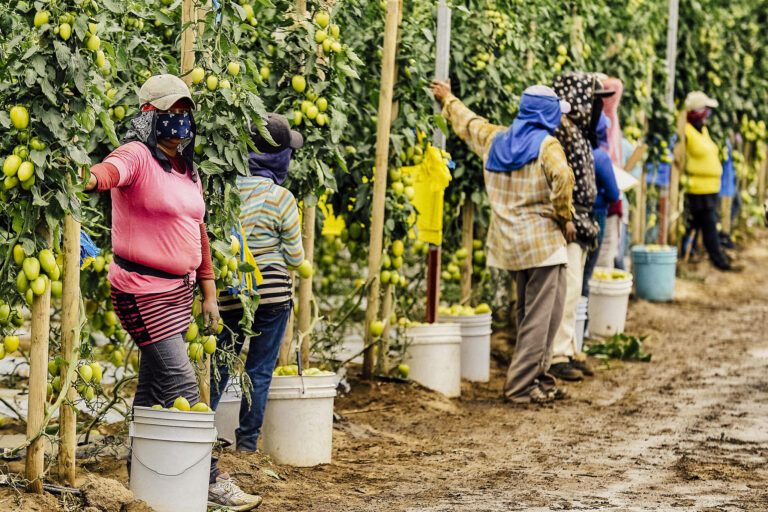
“The separation between landowners, agricultural companies, and transnational corporations, combined with the multiple levels of labor intermediation, creates an extremely complicated context for workers.”
Despite the more than 10 billion pesos in annual production generated by large, technologically advanced agricultural fields, farmworkers live on unpaved streets, without streetlights or public transportation; their homes lack electricity, water, and drainage.
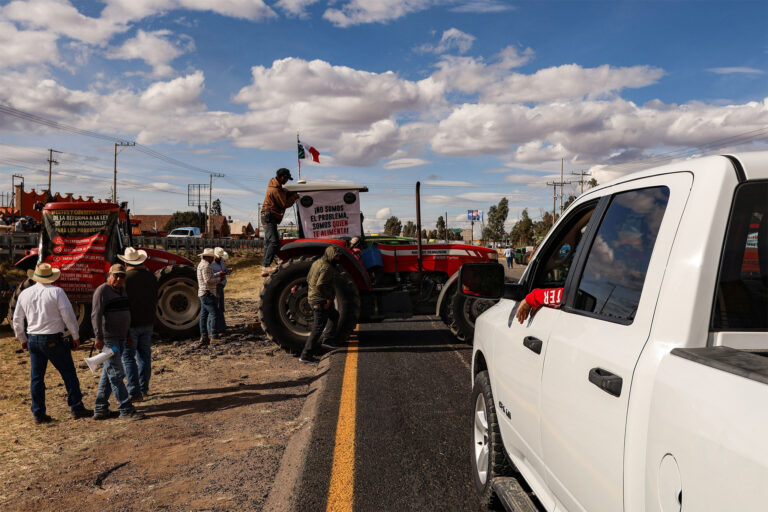
The objective of the mobilizations is to pressure large importers & grain buyers, who buy subsidized US imports instead of national production.

Mexico’s Secretary of Economy touts a new trade policy of origin over price, yet the import of highly subsidized staple grains benefits US producers at the expense of Mexico’s domestic producers.

Mexican sugar exports face quotas in the US, but US corn syrup and high fructose corn syrup have no import restrictions in Mexico, a situation even worse than the original NAFTA agreement.
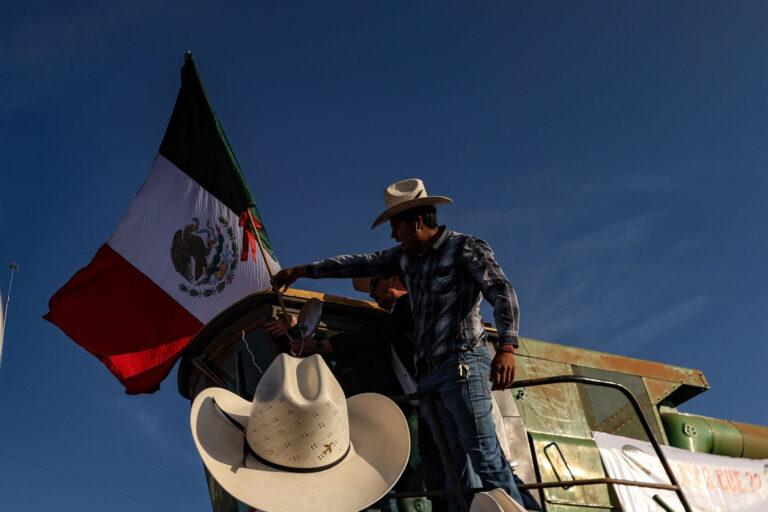
Mexico’s three year crisis is causing desperation, aggravated by US crop dumping, a hostile Agriculture Secretary, monopoly profiteering and an unwillingness from the government to protect agriculture and food sovereignty.