Protesters at the U.S. Embassy in Mexico Demand the Release of Maduro and His Wife
As Maduro and Cilia Flores faced a New York court on ‘narco-terrorism’ charges, Mexico’s Anti-Imperialist Front burned photos of Trump, Vance, and Netanyahu.

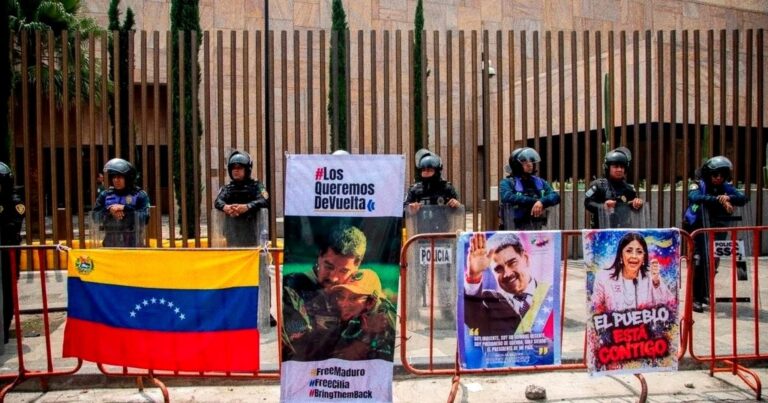
As Maduro and Cilia Flores faced a New York court on ‘narco-terrorism’ charges, Mexico’s Anti-Imperialist Front burned photos of Trump, Vance, and Netanyahu.
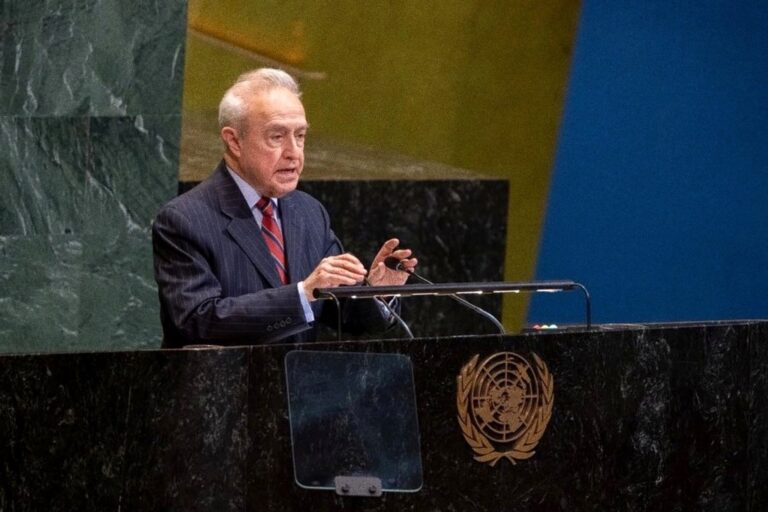
Ambassador Héctor Vasconcelos told the UN the embargo is doubling Cuba’s infant mortality, and urged removing the island from Washington’s terror-sponsor list.
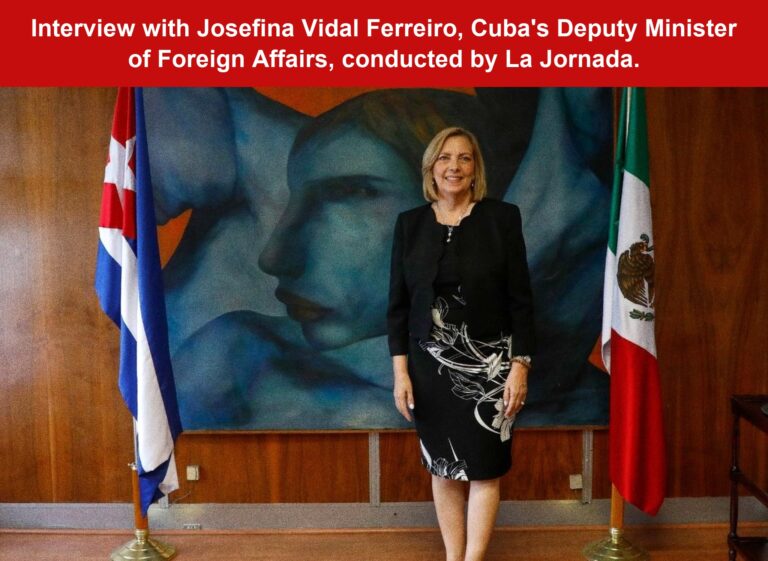
Cuban Deputy Foreign Minister Josefina Vidal Ferreiro says Washington answers every dialogue session days later with new sanctions, and warns Havana is preparing for legitimate self-defense against latent US military threats.
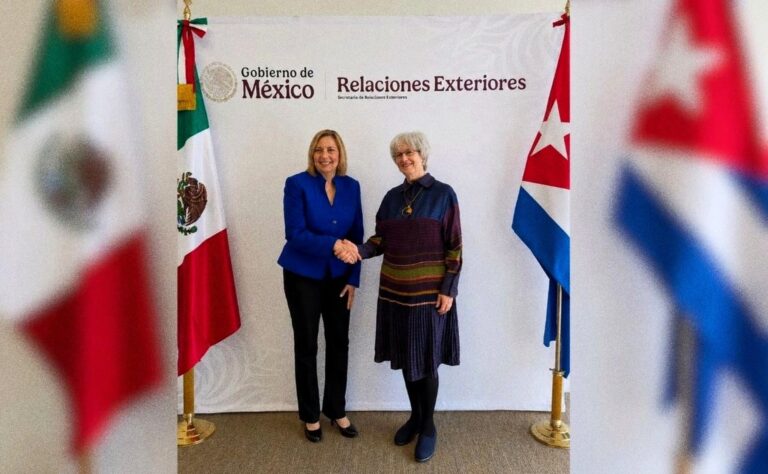
Ferreiro conveyed to the Mexican official Havana’s recognition of the support expressed by the Mexican government and society on Cuba’s behalf, particularly through concrete actions of material support.
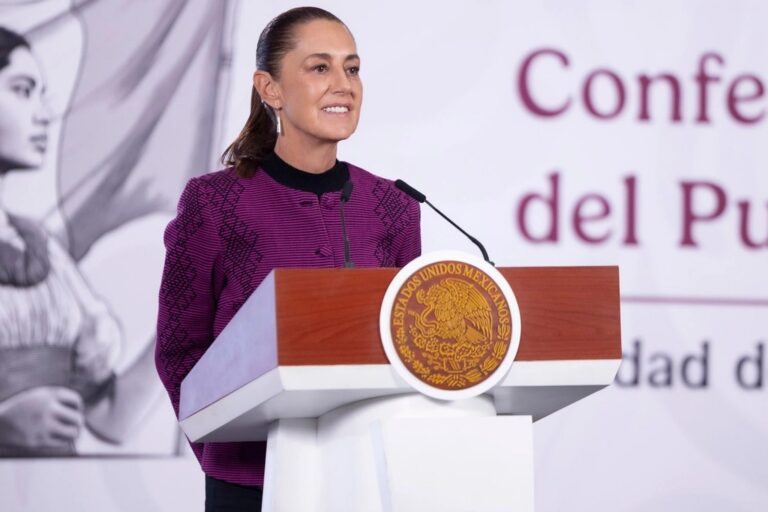
In one of her twenty calls with Trump, Sheinbaum told him Cuba has already opened its economy and urged him to take that into account.
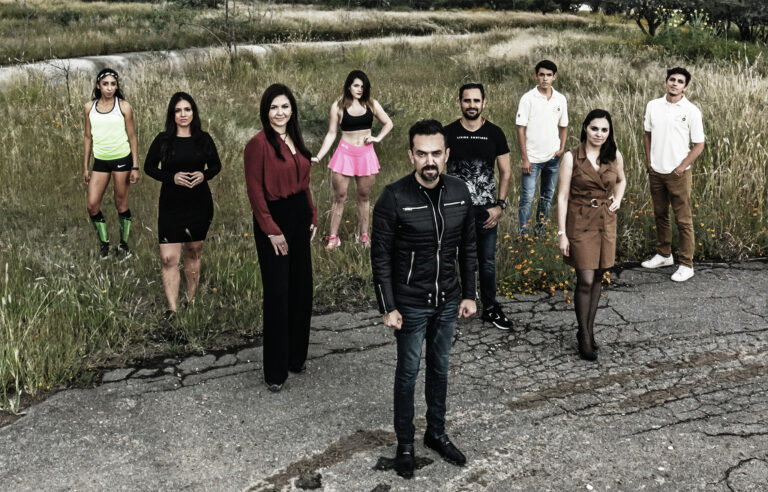
Morena’s parliamentary spokesperson, Arturo Ávila, who owns a weapons company that sells armoured vehicles to Bukele & trains with israeli weapons manufacturers, said the solidarity statement was not an official position of all Morena deputies.
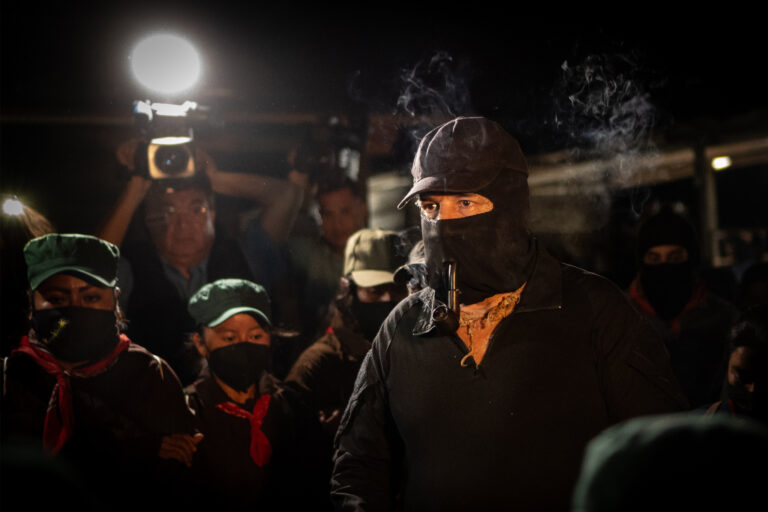
“Maybe the letters to spell the word ‘surrender’ don’t exist in the Cuban alphabet.”
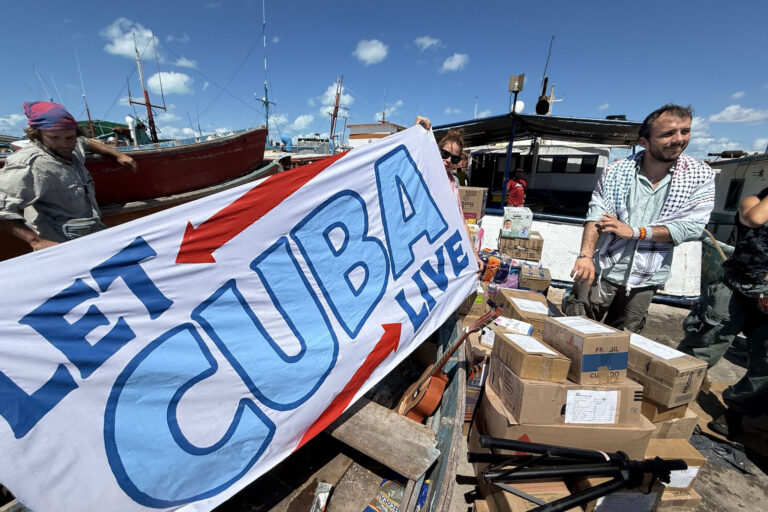
´No More Foreign Wars’ Means Cuba Too.
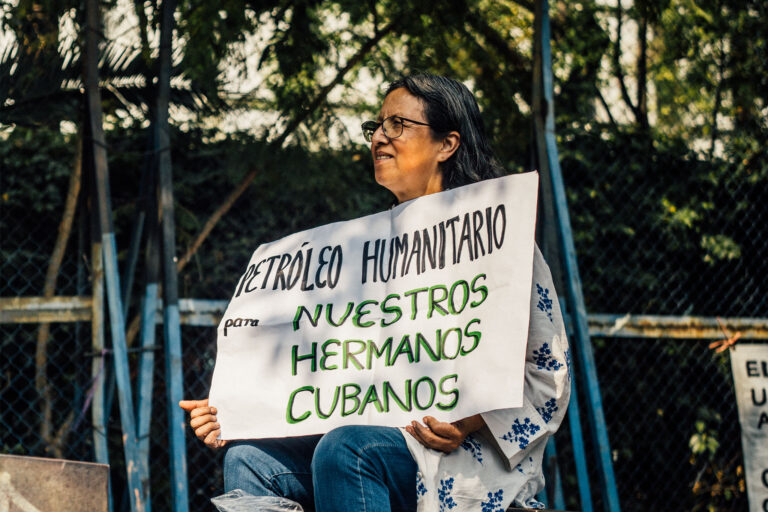
The humanitarian aid approach proposed by the Mexican government “is certainly necessary, but without the possibility of oil trade, it is merely a small palliative.”
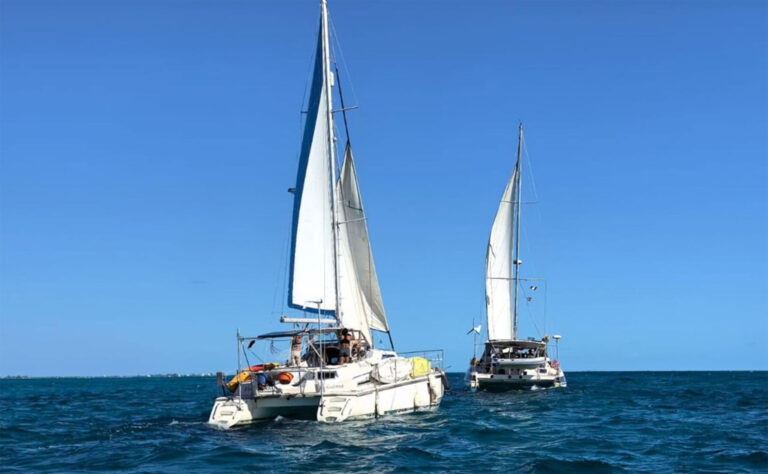
“The convoy is still en route to complete its mission: to deliver urgently needed humanitarian aid to the Cuban people,” said Nuestra America’s spokesman, who thanked Mexican and Cuban authorities for their “support, coordination and professionalism.”