Mexican Grains Crisis Persists: Farmers Threaten More Protests
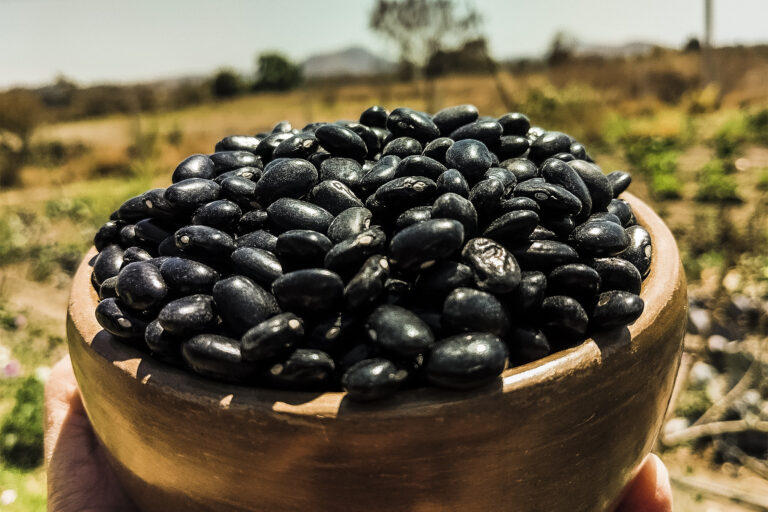
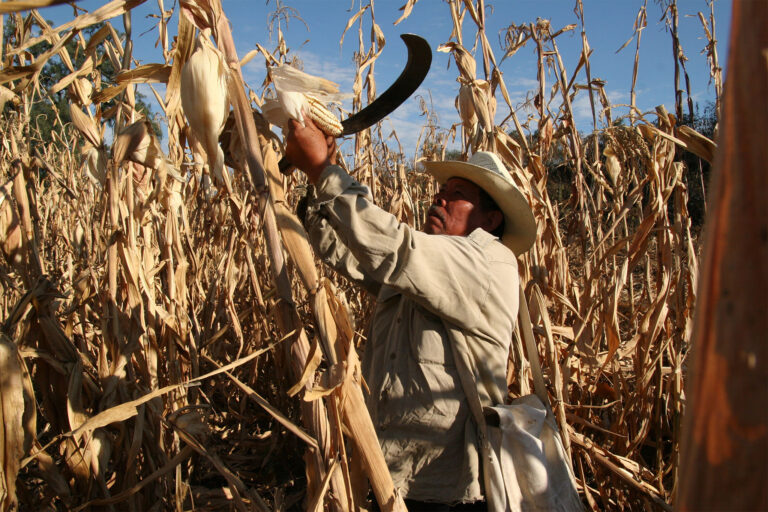
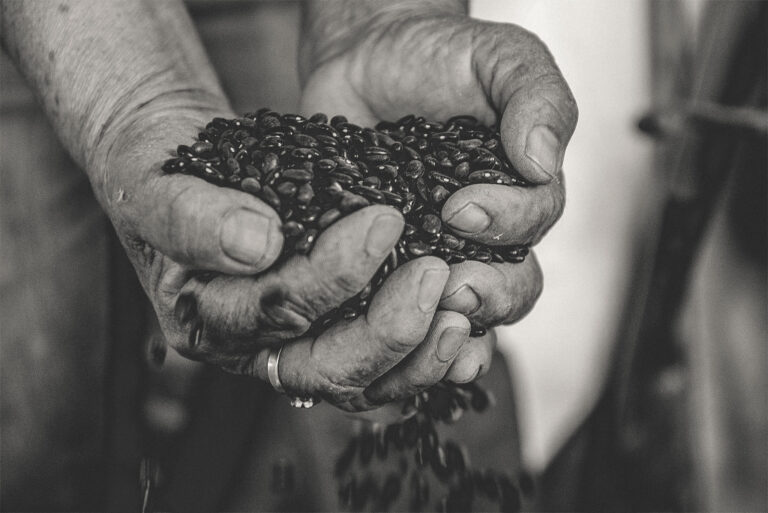
Producers in the Bajío region report they have at least 1.5 million tons of corn unsold, while in Zacatecas, 80% of bean producers cannot sell their harvest.
Mexican agriculture remains in crisis: 10 million tons of grain can’t be sold, the government is not meeting agreements while US dumping destroys the market & even limits access to credit to help farms last another season.
Farmers are guaranteed a price of 27 pesos per kilo from the federal government centers, compared to the 7-12 pesos that intermediaries or coyotes pay them. But there’s one catch: they aren’t operating.
Another blow for Mexican food sovereignty & farmers, who are already battling the US dumping some of the most heavily subsidized crops in the world.
Without state regulation and as a result of “free trade”, transnational corporations are increasingly controlling the basic food market and imperiling Mexican food sovereignty.
Campesino organizations are proposing the government creating a Strategic Food Reserve to stabilize prices, strengthen food sovereignty & help thousands of farmers facing ruin from the agricultural crisis.
Mexico’s government has not met its commitment to enforce its agreed-upon price for farmers, who are forced to sell to an oligopsony of corporations, intermediaries and wholesale operators.
Subsidized US beans are flooding Mexico, above the amount required to meet national demand, while the government fails to meet commitments it made to producers only a month ago.
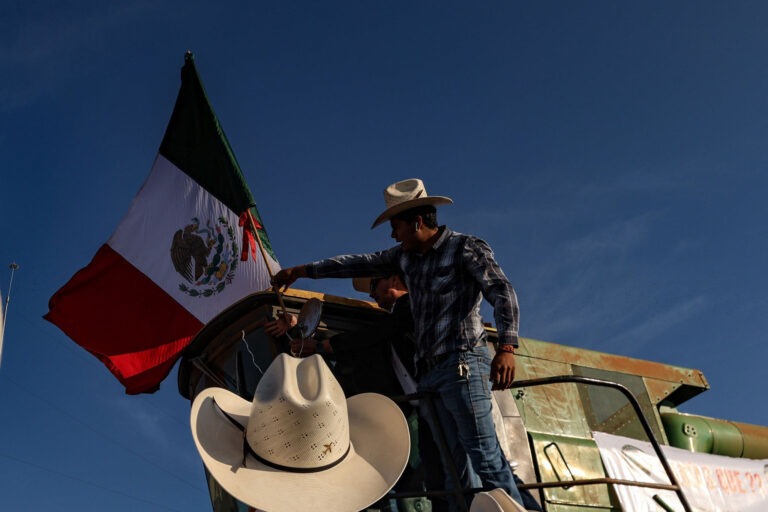
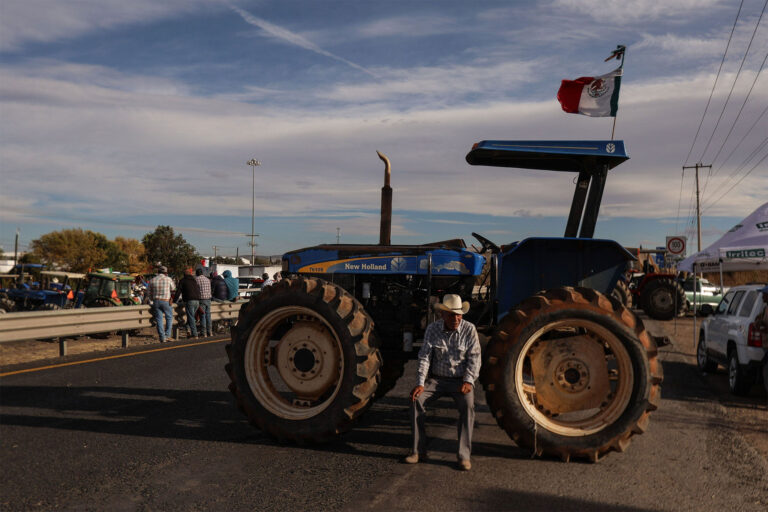
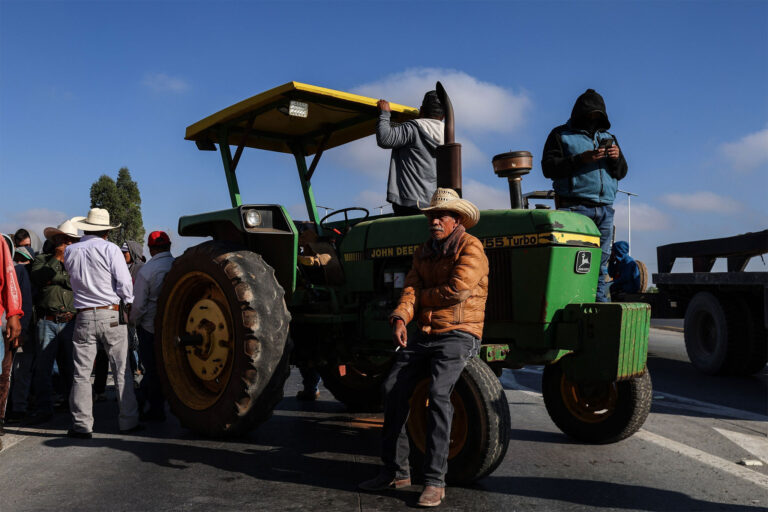
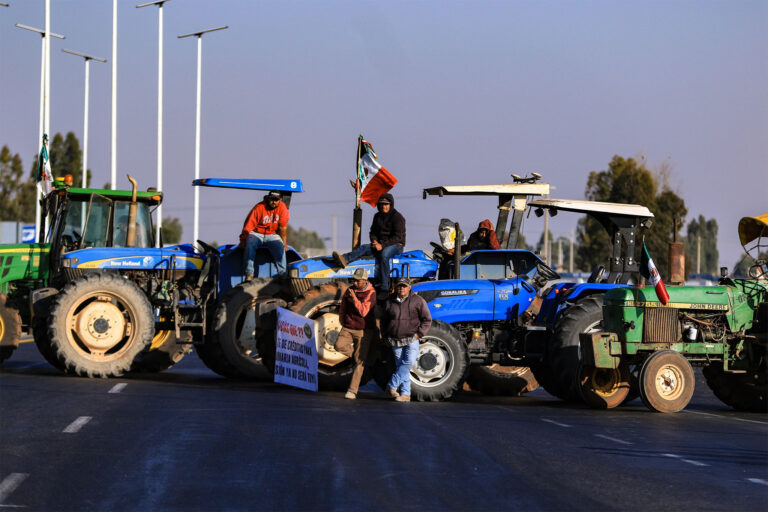
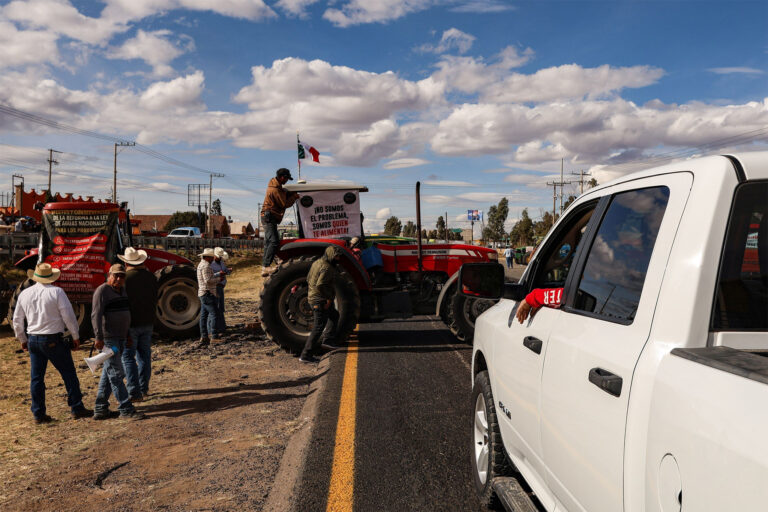
If the government fails to meet the needs of the population and continues to act in favor of the interests of the US and the financial sector, economic and social problems and discontent among affected sectors will worsen, leading to increased protests.
INEGI figures prove it: agriculture in Puebla state is collapsing. In one year, 103,219 workers, almost 20% of the agricultural workforce, lost their jobs.