No Agreement: Government Denies Support to Sugarcane Growers, Postpones Response for 2 Weeks
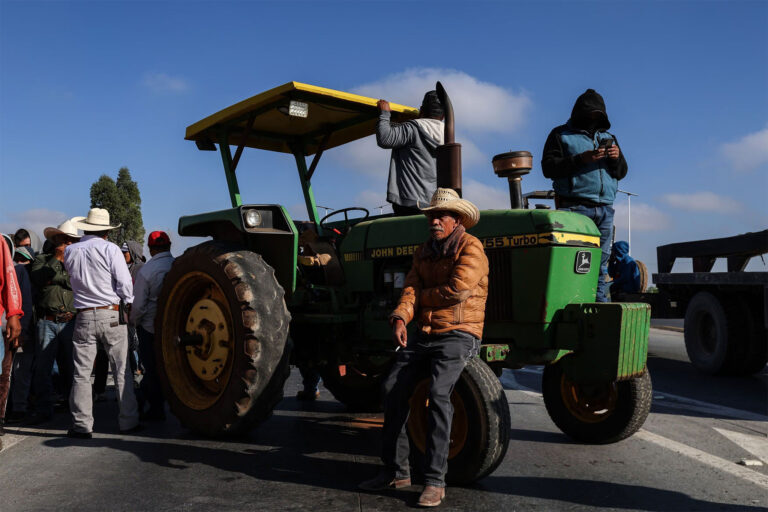
The unsuccessful meeting arose after the government agreed to it to end a November 12th sugarcane grower blockade in Mexico City.
Mexico’s imports are equivalent to 48% of agricultural production, resulting in a year-on-year loss of food sovereignty and a greater dependence on capital inflows which benefits the financial sector at the expense of national public & private sectors.
Environmental deregulation, rural abandonment, speculative pricing, and the prioritization of property rights over human rights were central tenets of neoliberal economic policy, whose impact on Mexican farmers is now a subject of reflection in our country.
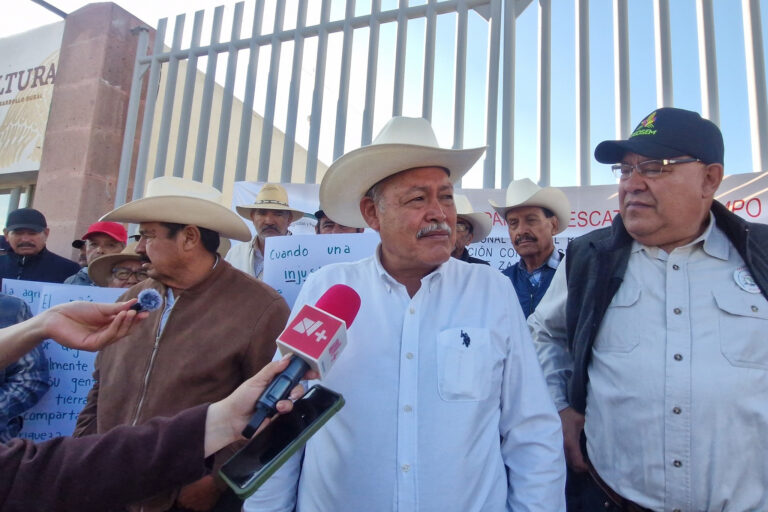
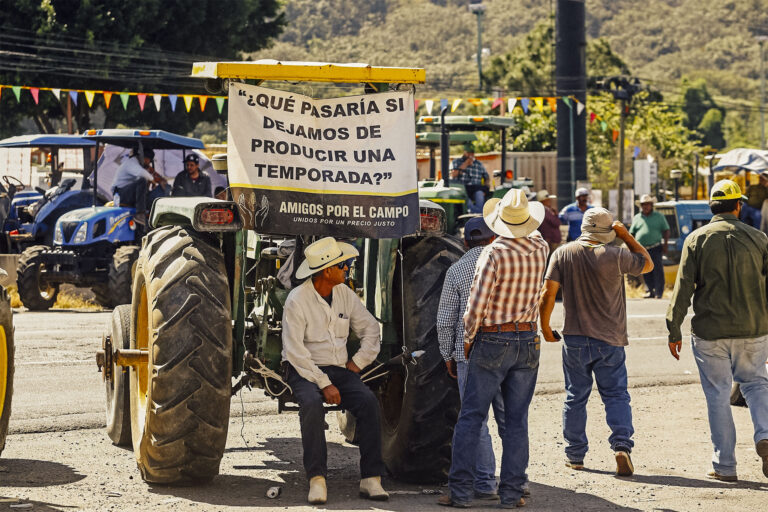
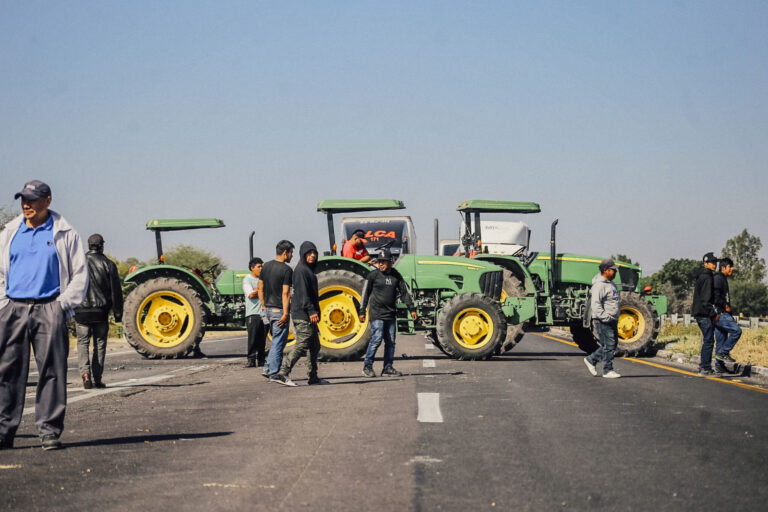
After 30 hours of protest, the sugarcane farmers lifted their blockade in Mexico City, signing a document that did not include their request for a 300 pesos per ton subsidy.
Farmers had planned to block customs & international bridges a week prior, but decided against it to avoid retaliation from the US government.
Mexico, a country that could have been an agricultural powerhouse, resigns itself to surviving on band-aids, managing its decline with welfare programs that change names but not their underlying logic while sacrificing food sovereignty to USMCA diktat.
Mexico’s farmers strike has not ended, as the government has only negotiated with certain producers over issues such as a low price for corn which benefits monopolies and the destruction of food sovereignty initiated by free trade with the US.
Producers did not agree to formalize the base price of 5,200 pesos offered by the government in this most recent national agricultural strike.
Last week’s strike by agricultural producers against the USMCA and the uncontrolled entry of subsidized grains from the US is part of a fight for Mexican food sovereignty that demands the government’s full attention.
2025 will close with record levels of imports, with most of the grain coming from the US, along with genetically modified yellow corn.