Mexico Has Built 4,000 Kilometers of Roads by Hand Since 2018, National Indigenous Peoples Institute Says
Launched under López Obrador in Indigenous communities, the program now reaches 18 states, with 32 billion pesos planned for this term.

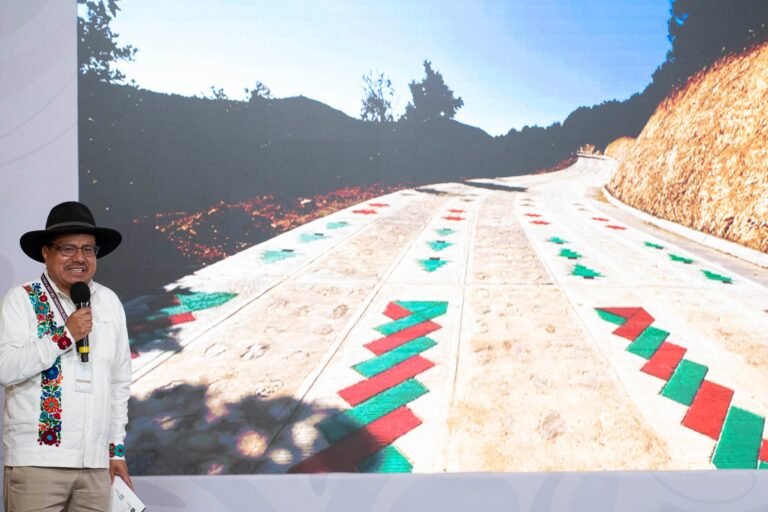
Launched under López Obrador in Indigenous communities, the program now reaches 18 states, with 32 billion pesos planned for this term.
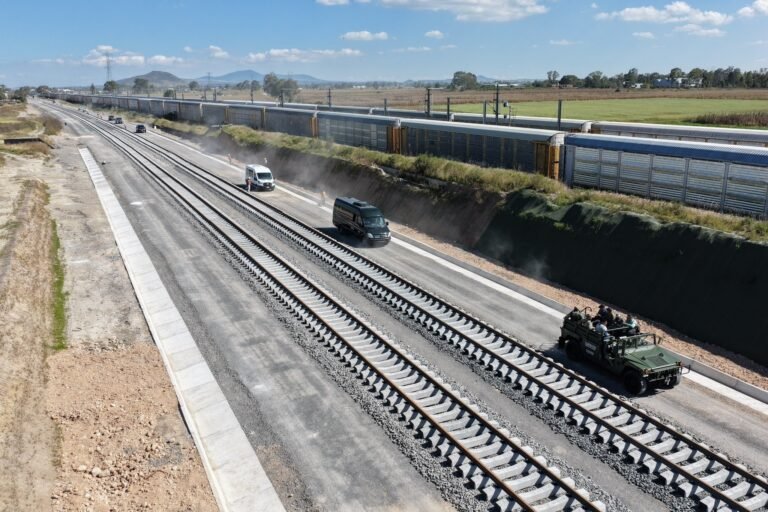
Some 18,500 people are working on the 230-kilometer double-track line, which will link Buenavista to downtown Querétaro in about two hours at up to 180 km/h.
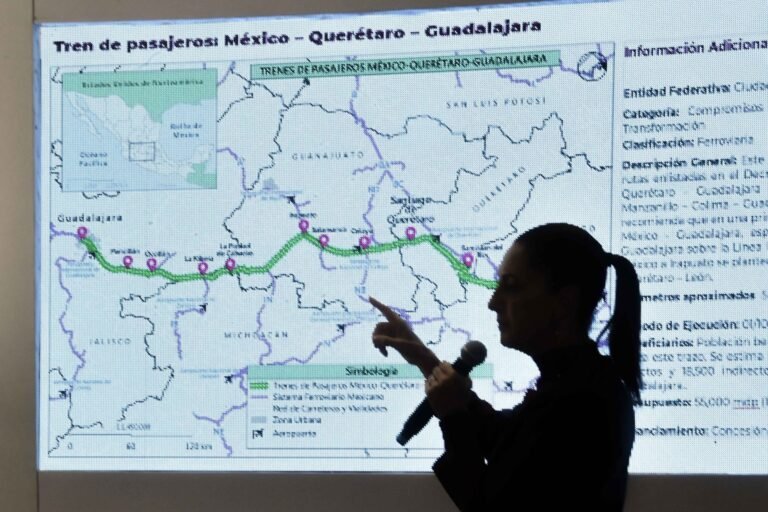
After decades of abandonment, Mexico is rebuilding its passenger railway: the Mexico City–Guadalajara line breaks ground in 2027, another stretch of a national network being revived to connect most major cities.
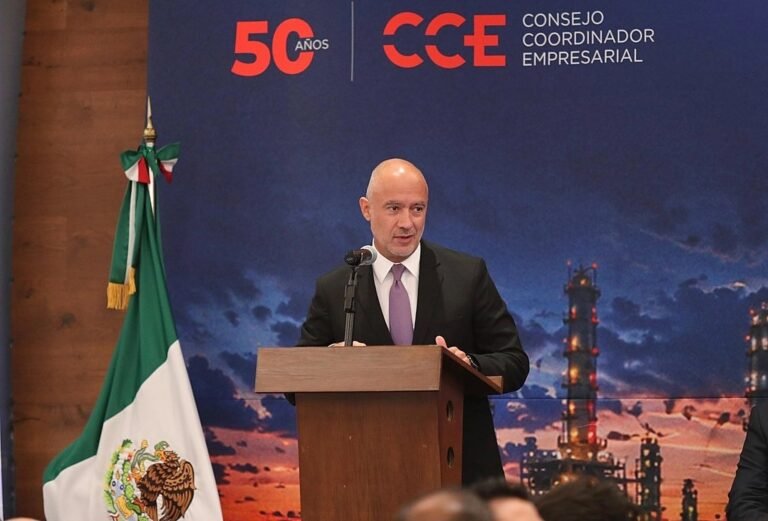
Roads, 3,000 km of new rail and 62 upgraded airports will generate nearly 4 million jobs, says Minister Esteva.

“The rail transportation programs will improve the population’s wellbeing by increasing connectivity and facilitating access to goods and services.”

Both passenger lines are being built by army engineers and are slated to open next year; Sheinbaum contrasted the rail push with Zedillo-era privatization.

96.1% of the Mexican population has access to drinking water and 95.2% to sewage systems, but that doesn’t mean Mexicans receive sufficient, potable, or continuous water, nor does it mean all sanitation systems are functional.

The 57.7-kilometer journey between Mexico City and Toluca will take less than an hour and cost 100 pesos.

The street lighting program matches illumination with sidewalk improvements and murals to bring security and a sense of community to previously dim and neglected urban areas.

The new passenger rail line will reduce travel time between the two cities to just one hour and 15 minutes. The project seeks not only to connect territories but also to boost economic and social development.