A Dangerous Year: Mexico Avoids Tariffs, but Trump Opens More & More Fronts
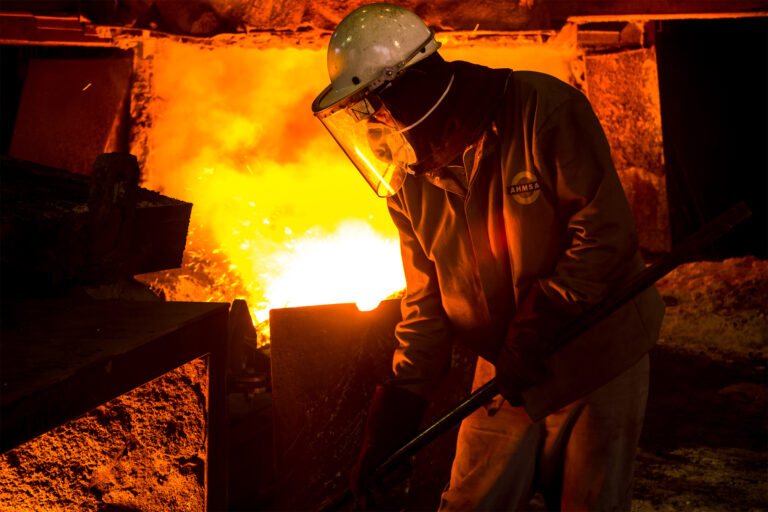
The vast majority of exports from Mexico are from US corporations, while aluminum, steel, and tomatoes, which have Mexican national ownership, face significant tariffs.
The government’s stated reasoning for anti-China tariffs rings hollow when considering the flood of cheap US imports destroying the Mexican countryside and production dominated by US corporations exploiting Mexican labour.
Under Article 32.10 of the USMCA, Mexico can only pursue a free trade agreement with a non-market economy like the People’s Republic of China if the US government approves.
Manufacturers reliant on Chinese inputs warned of rising costs, and lawmakers, including some from Morena, sought to avoid a dispute with a nation many consider crucial to Mexico’s trade diversification.
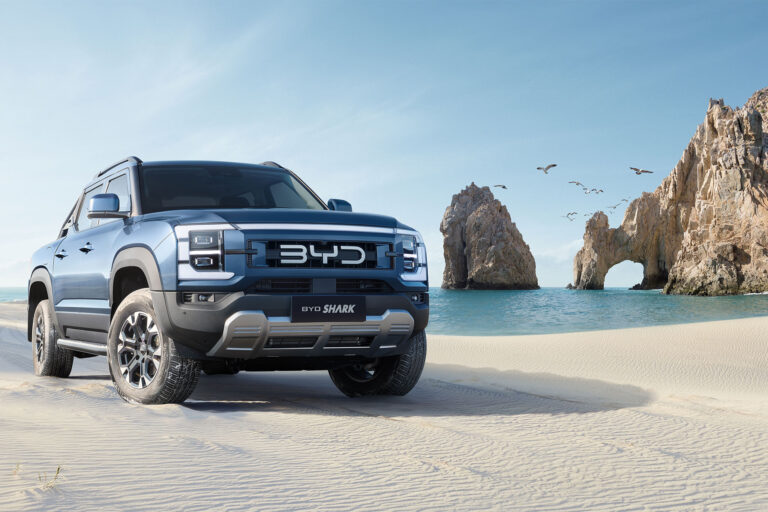
The announcement comes as Mexico appears to be stalling on anti-China EV tariffs, widely regarded as resulting from US pressure, and following a number of plant closures from American & European auto producers.
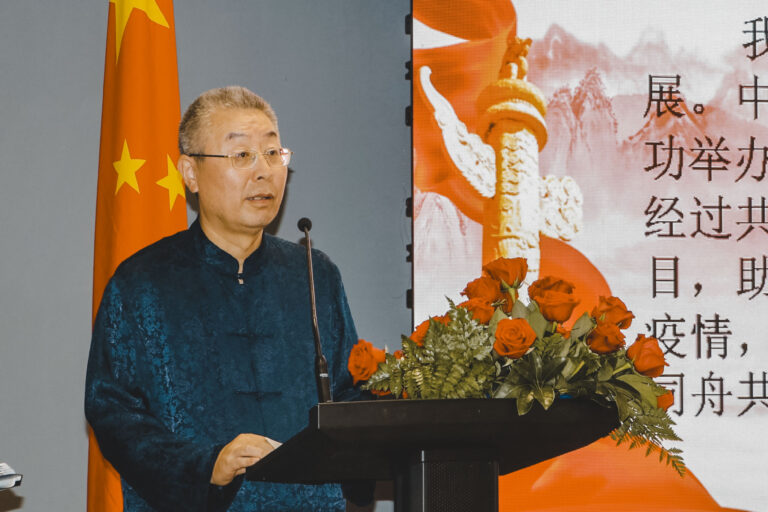
If Mexico applies tariffs to China, it would be validating the United States’ tariff policy, and China will take countermeasures, says Ma Hui, a member of the Communist Party of China’s Central Committee.
The Mexico-China Chamber of Commerce and Technology said the list released by the Mexican government includes a large number of industrial inputs, which will have also have a detrimental impact on Mexican exports.
For Trump, tariffs are far from a trade policy measure; they are desperate actions by a declining power, trying to halt the transition to a multipolar world where American hegemony will be a thing of the past.