Mexico Expresses Concern over China’s 54.3% Tariffs on Pecans
China’s anti-dumping ruling hits Mexican pecan exporters with duties up to 51.6% starting Tuesday; the Economy Secretariat says it will seek to prevent their final imposition.

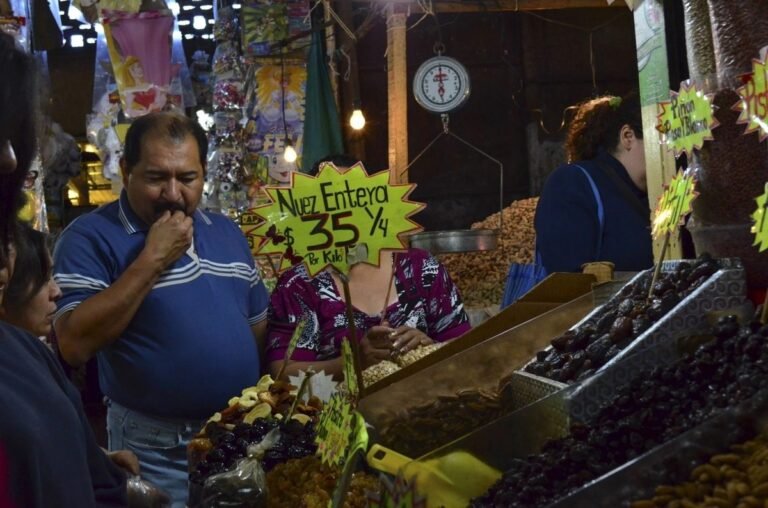
China’s anti-dumping ruling hits Mexican pecan exporters with duties up to 51.6% starting Tuesday; the Economy Secretariat says it will seek to prevent their final imposition.
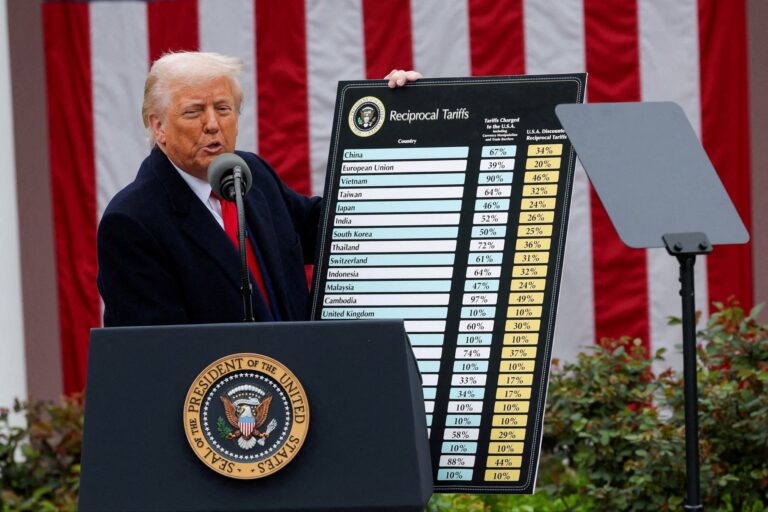
Behind the forced-labor pretext lies a midterm gamble; even as Mexico edges out China as top US supplier, Campa argues any relative win is a Pyrrhic victory.
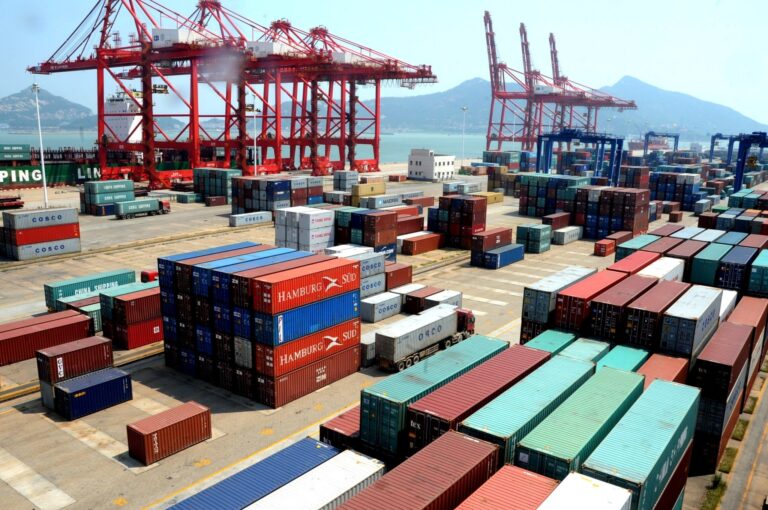
Speaking in Cuernavaca after meeting with U.S. Trade Representative Jamieson Greer, she said rules of origin remain under negotiation.

Mexico stays the top US trading partner at 16.5% of the total, ahead of Canada and China, just days after Washington declined to auto-renew USMCA for 16 years.
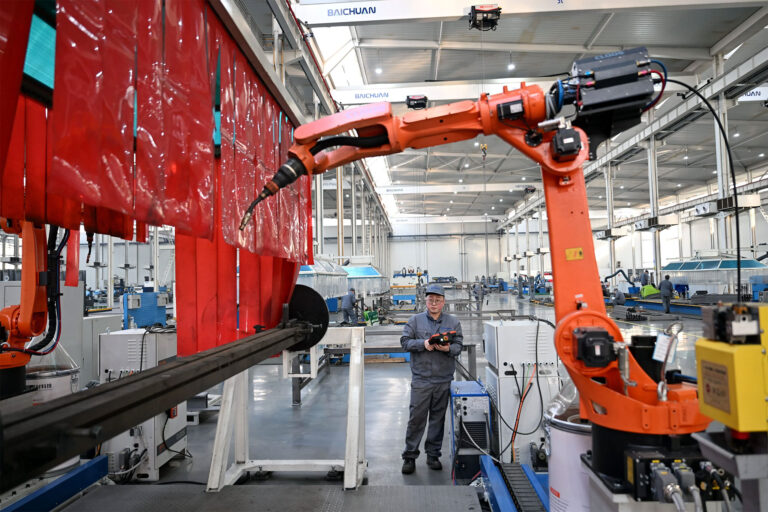
Without a policy aimed at increasing the productive investment rate to accompany the country’s reindustrialization process, trade barriers will be inefficient due to the rigidity of the productive structure.

The tariffs, announced by Mexico in December, were seen by analysts as an attempt to placate the United States, whose President levied significant tariffs on Chinese goods.
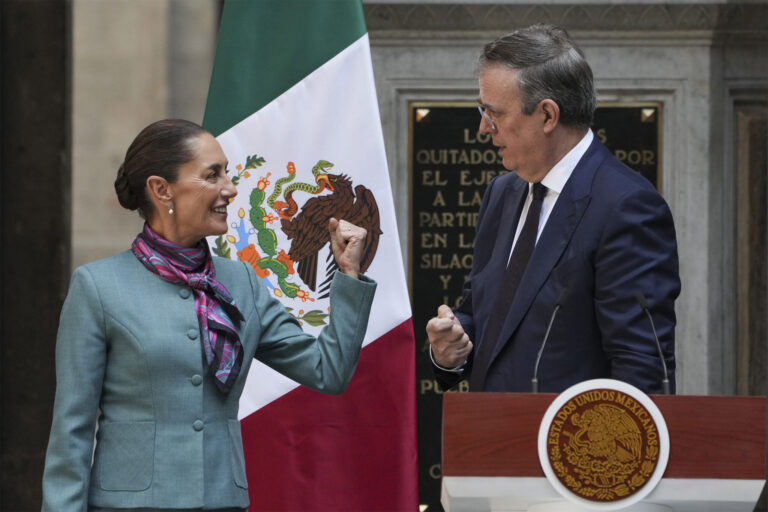
The Mexican President said that lowering or eliminating tariffs is part of the discussion with the US, but not yet reflected in reality.
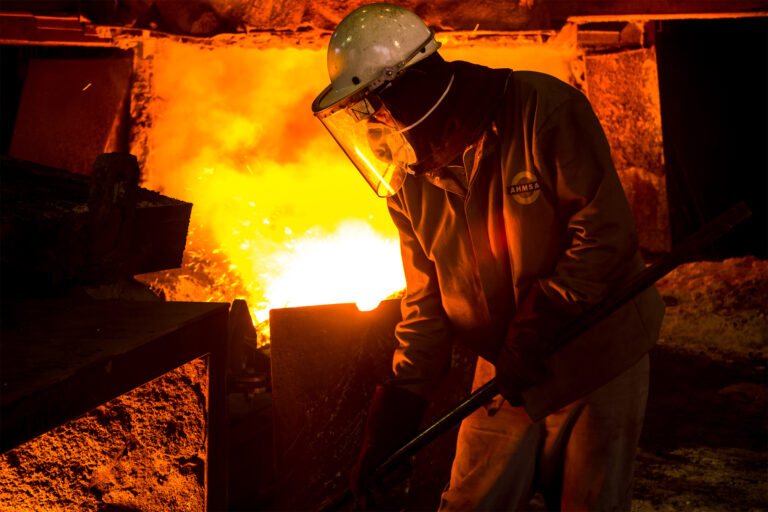
The vast majority of exports from Mexico are from US corporations, while aluminum, steel, and tomatoes, which have Mexican national ownership, face significant tariffs.

The government’s stated reasoning for anti-China tariffs rings hollow when considering the flood of cheap US imports destroying the Mexican countryside and production dominated by US corporations exploiting Mexican labour.

Under Article 32.10 of the USMCA, Mexico can only pursue a free trade agreement with a non-market economy like the People’s Republic of China if the US government approves.