Mexico Picks Up the Pace to Ratify Its New Agreement with the European Union
Approved by the European Parliament in July, the modernized pact now awaits only the executive’s submission to the Senate for ratification.

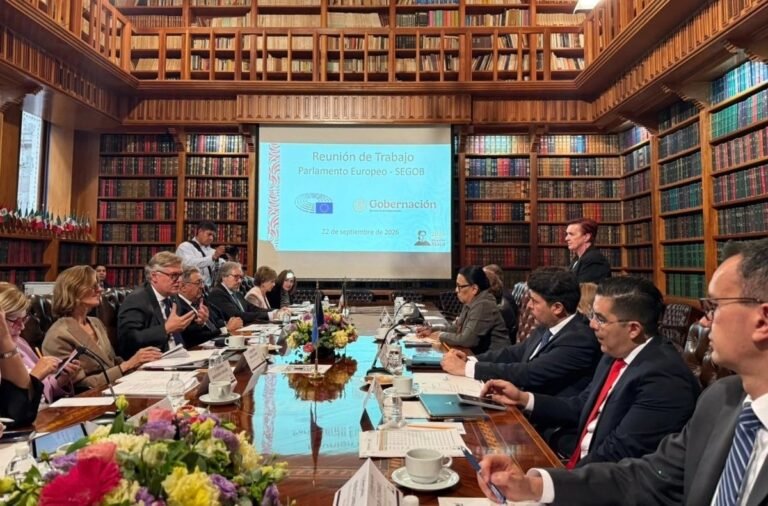
Approved by the European Parliament in July, the modernized pact now awaits only the executive’s submission to the Senate for ratification.
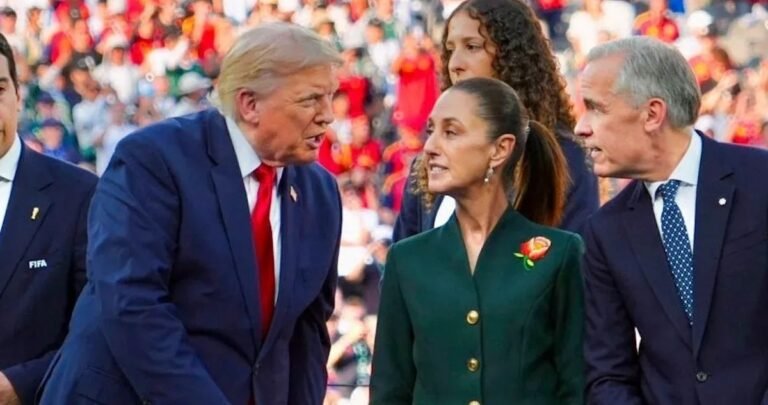
Politico and Bloomberg report a Wednesday call a U.S. official called “constructive,” days before the September 28 and 29 USMCA review, as Trump pushes to close a deal before the U.S. midterms.

Economy Secretary Marcelo Ebrard called the U.S. commerce chief’s meeting with Sheinbaum cordial as both countries prepare a fourth round of USMCA review talks this month.

Mexico’s total exports rose 43.7 percent and imports 45 percent year over year in July 2026, both reaching record values, according to INEGI.
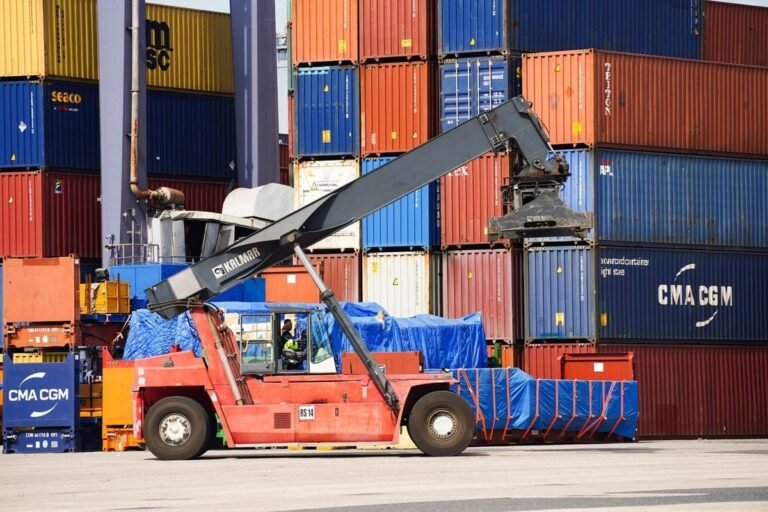
Mexico and Chile reaffirmed their commitment to a more competitive and inclusive economic integration by making full use of their free trade agreement, the Economy Ministry said.

A Chengdu firm signed to buy Sinaloan sorghum via the port of Topolobampo, grain that lab tests found beats Australia’s for China’s baijiu liquor.
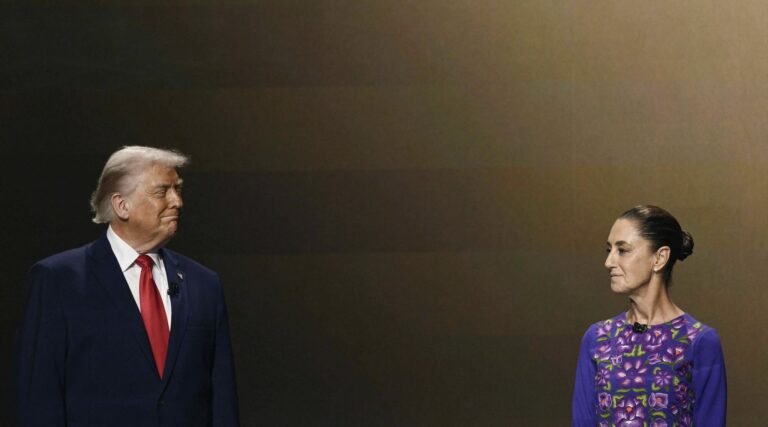
With Treasury yields spiking and US job losses mounting, Mexico’s USMCA shield may not hold, pushing Sheinbaum toward state-led growth and new partners like Brazil.

Trump’s China tariffs rerouted the AI data-center supply chain to Mexico, now the world’s third-largest computer exporter—overtaking its own auto industry.
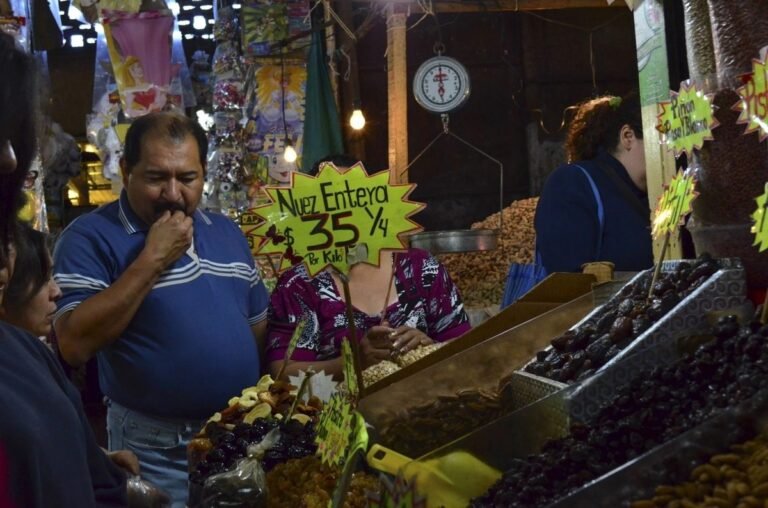
China’s anti-dumping ruling hits Mexican pecan exporters with duties up to 51.6% starting Tuesday; the Economy Secretariat says it will seek to prevent their final imposition.

Beer exports hit US$6.48 billion across 98 countries, 36% of global value, with the US alone buying US$6.046 billion.