People’s Mañanera October 12
President Sheinbaum’s daily press conference, with comments on Jalisco water, the 4T, Indigenous rights, and digital disinformation.

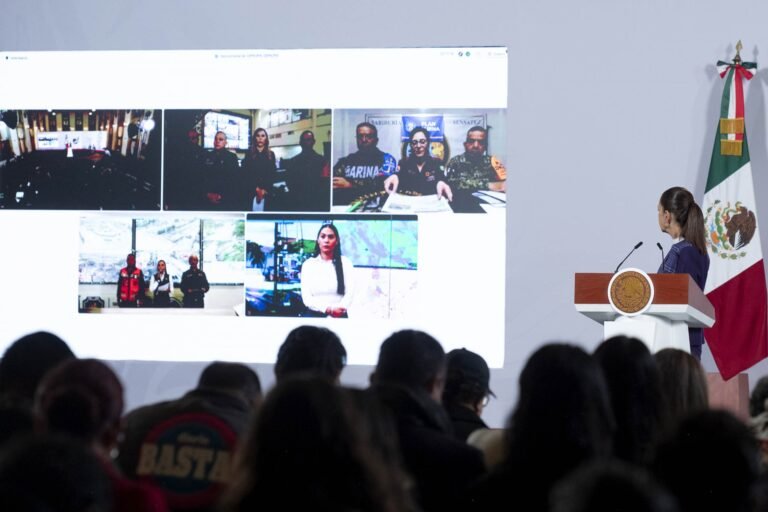
President Sheinbaum’s daily press conference, with comments on Jalisco water, the 4T, Indigenous rights, and digital disinformation.
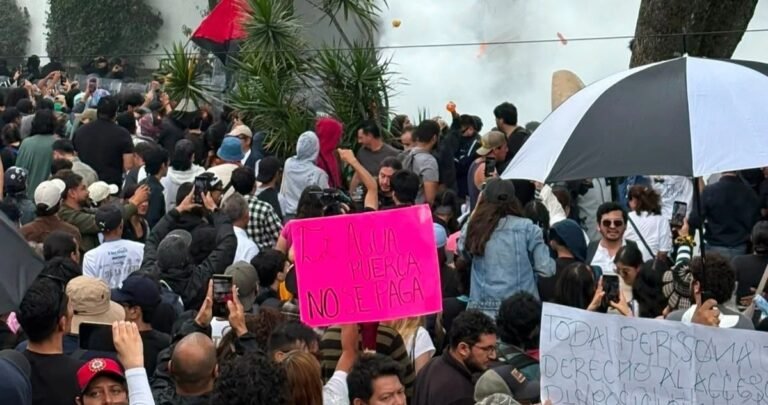
In Jalisco, governed by the opposition party Movimiento Ciudadano, police met the march with water cannons and tear gas, and protesters reported arrests and two people disappeared.
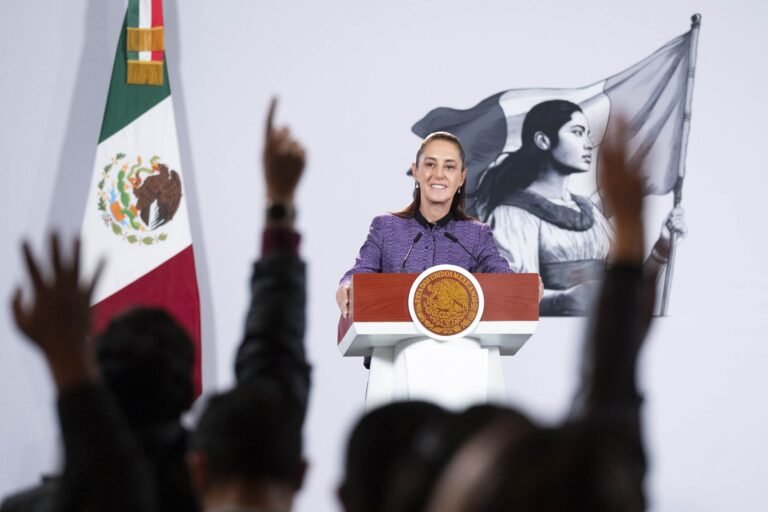
President Sheinbaum’s daily press conference, with comments on housing, the environment, water, single nationality, Calderón, and the Lie Detector.
Following the reform to the National Water Law, Mexico has recovered over 5 billion cubic meters of water from private concessions, enough to supply 90 million people for a year.
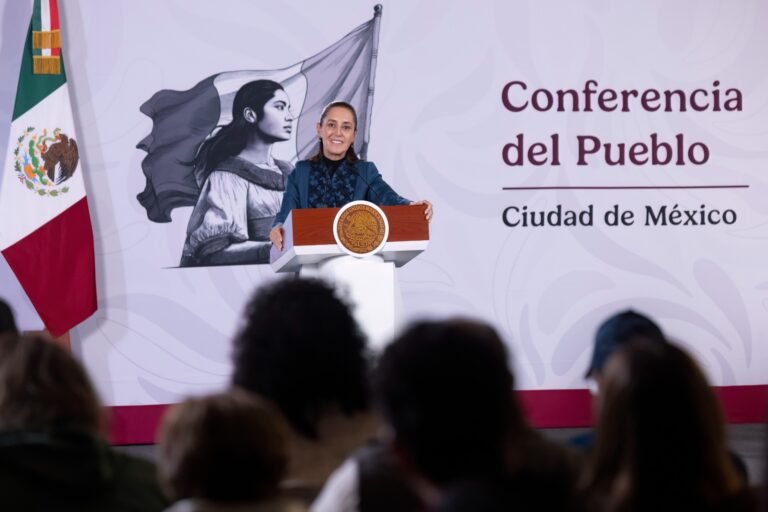
President Sheinbaum’s daily press conference, with comments on children online, solidarity with Colombia, reforestation, renaming Paso de Cortés, avocado plants, water for the eastern Valley, and the Central American Games.
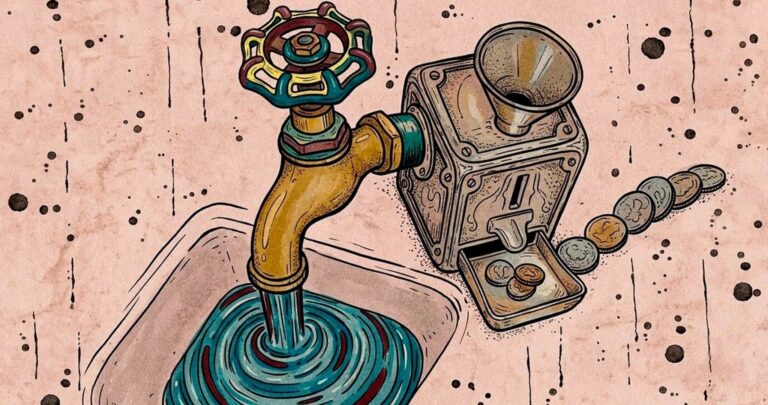
Jalisco’s governor floats water privatization amid a contamination crisis on his own government’s watch, joining other right-wing opposition states embroiled in water scandals.
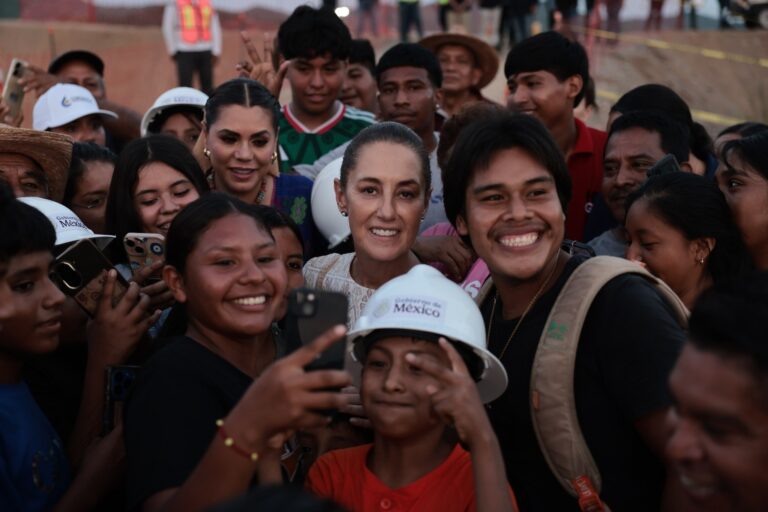
After a two-decade grassroots fight against the CFE dam on the Papagayo River, the government will supply Acapulco with radial wells and tanks instead.
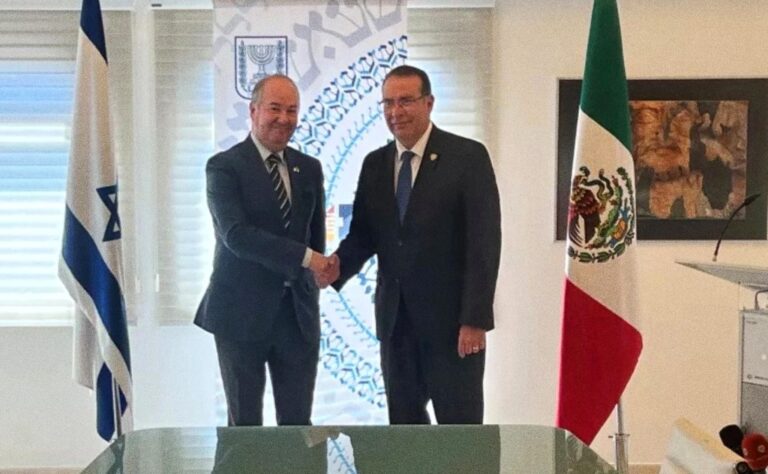
Chihuahua’s right-wing PAN government signed the Israel water pact without registering it with Mexico’s federal foreign ministry; groups in 14 states march August 1 to cancel it.
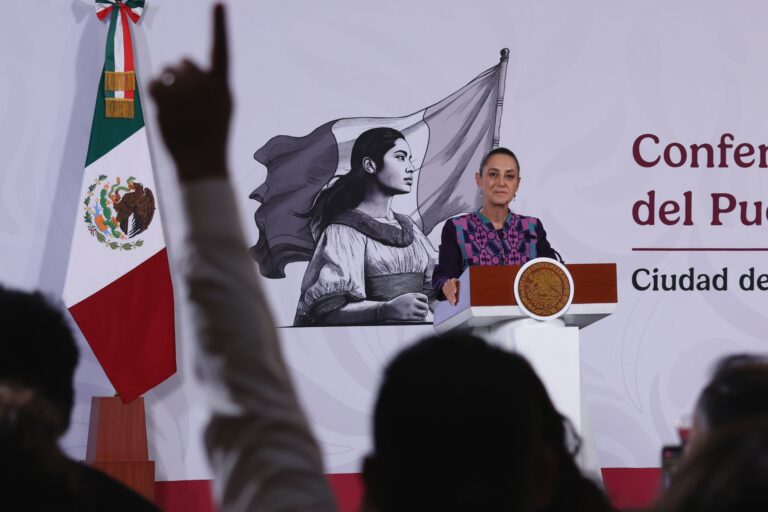
President Sheinbaum’s daily press conference, with comments on river cleanup, gasoline prices, migrant protection, El Mayo Zambada, the USMCA review, and public education.
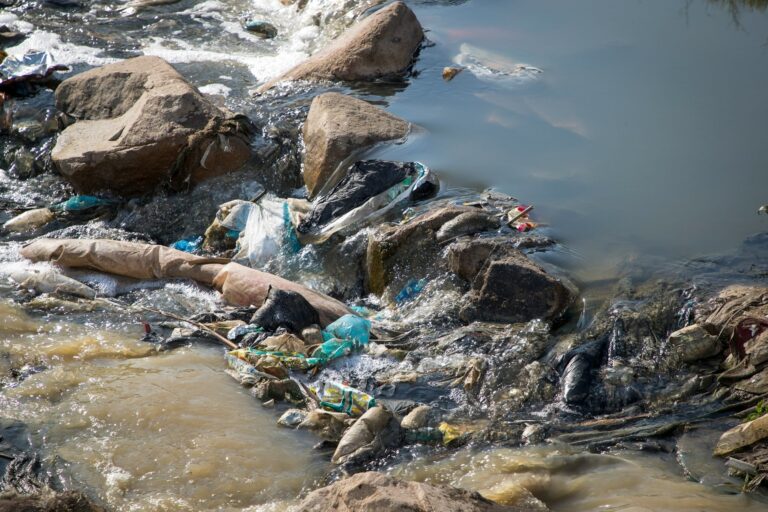
A year into a 20-billion-peso cleanup, authorities inspected 280 firms, fined 56 million pesos, and closed eight sites; dyeing runoff is hardest to curb.