Tlalpan & Coyoacán Residents Call for Action Plan Against 2026 World Cup Effects
This article by Karla Mora originally appeared in the December 21, 2025 edition of El Sol de México.
Residents of the Neighborhood Assembly Against Mega Construction in Tlalpan and Coyoacán launched a call to create an Action Plan against the effects that the 2026 World Cup will bring to Mexico City.
In the last six months, residents of neighborhoods surrounding the Azteca Stadium have expressed their concern about the projects that the city government is carrying out around the sporting event, accusing the authorities of opacity and negligence.
They say that while the World Cup will benefit large participating companies, including Airbnb, in Mexico City there will be an increase in land grabbing and gentrification.
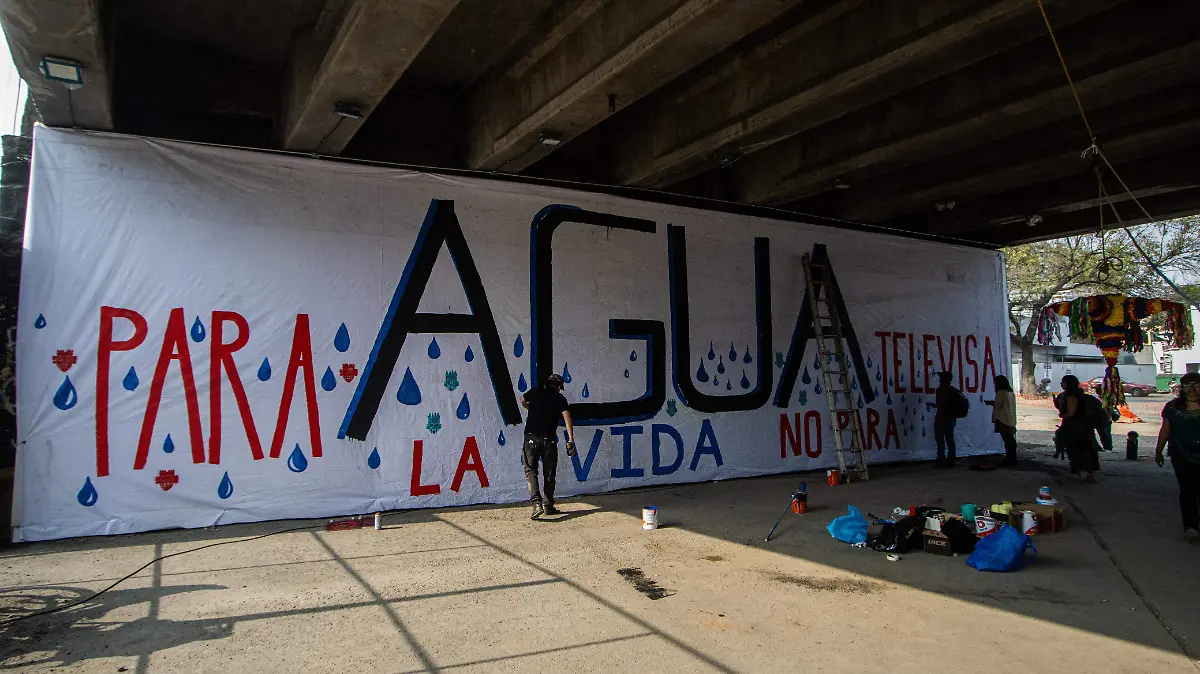
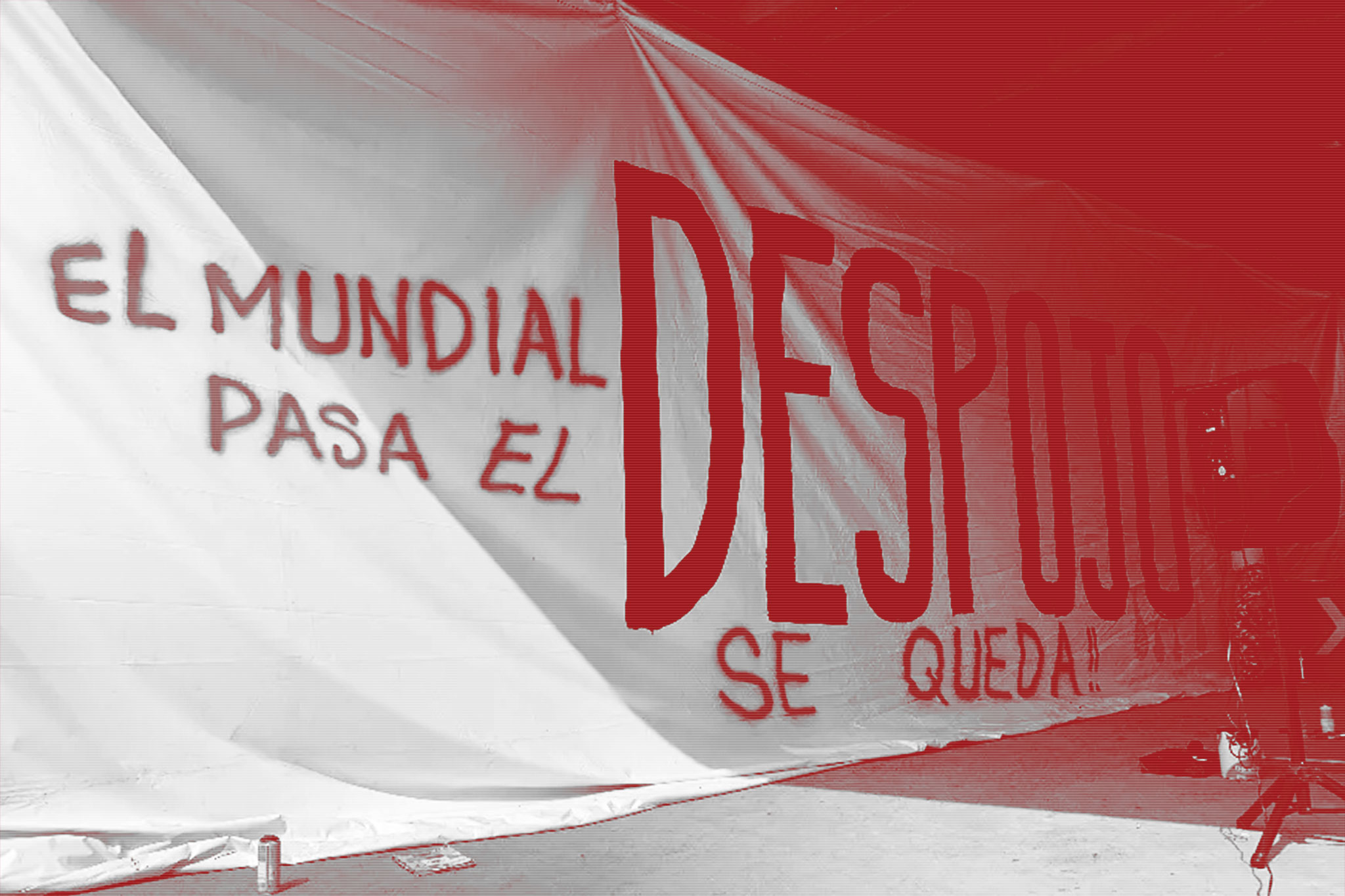
At a press conference under the Azteca Stadium bridge, where protesters had repeatedly attempted to stage artistic interventions against the World Cup, they stated that the Action Plan must include the environmental impacts of the World Cup, primarily regarding water and waste generation.
The plan must also consider the land planning, since they fear the effects that the new trolleybus line, the cycle path and the Cablebús will have.
On the issue of touristification, they promote analyzing the impact that the arrival of tourists will have on Indigenous peoples and popular colonies, because they fear that this will increase dispossession and evictions.

“[We need to know] who the evicted people are and where they are located, which businesses have been victims of these evictions to make way for the World Cup, and how we have lost public and collective spaces due to overtourism,” the Neighborhood Assembly against Mega Constructions in Tlalpan and Coyoacán.
They stated that the Action Plan will aim to establish how to address the problems in an organized manner in defense of the territory. “We need an Action Plan that arises from our anger, from our desire to build spaces for those of us who inhabit them, not for big capital.”
-
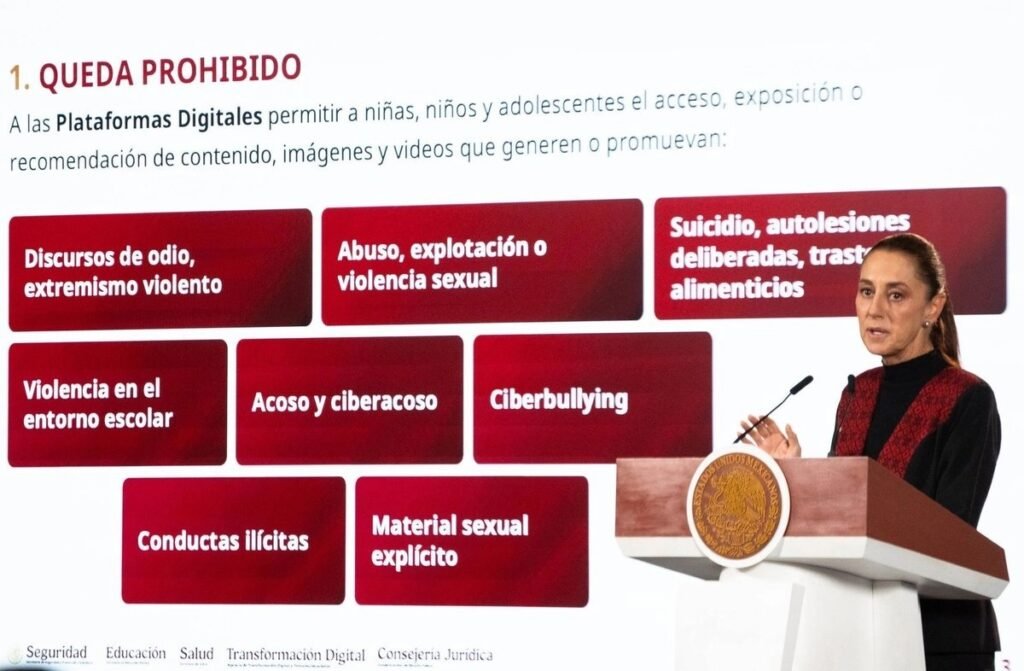
Sheinbaum Presents Draft Decree to Force Digital Platforms to Take Down Content That Incites Violence and Hate
No fines for now: the government will talk with tech companies before publishing the decree next week, a promise made after the Coahuila school attack.
-
People’s Mañanera October 9
President Sheinbaum’s daily press conference, with comments on digital safety, IMSS-Bienestar, sovereignty, and the opposition.
-
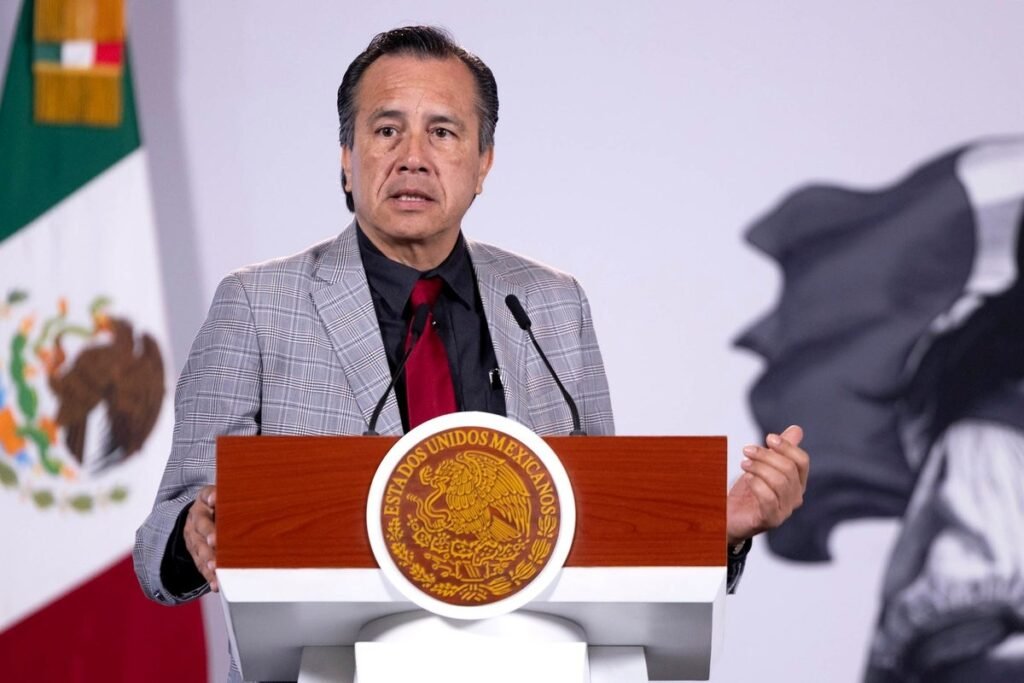
Mexico’s Gas Reserves Would Last Only 3 Days
Cenagas director Cuitláhuac García revealed Mexico has no gas storage and imports 75% of what it consumes, after a US supply cut exposed the risk.