Uncertainty At Vallejo Migrant Camp
This article by Alexia Villaseñor and Jared Laureles originally appeared in the February 21, 2026 edition of La Jornada, Mexico’s premier left wing daily newspaper.
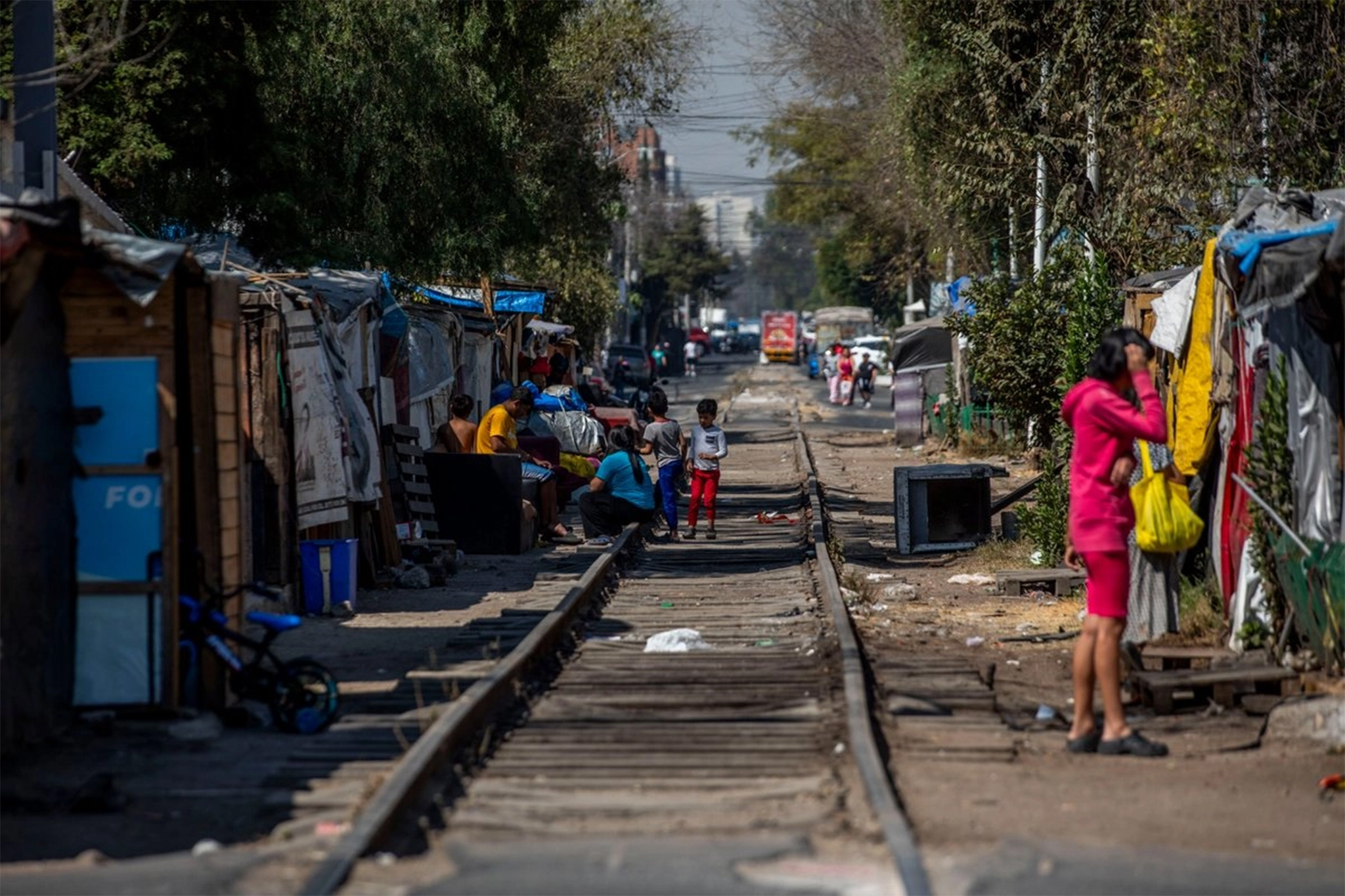
Although there was a presence of patrols and heavy machinery, the Coordination for Attention to Human Mobility (CAMH) of Mexico City suspended the dismantling operation that it was going to carry out, from five in the morning yesterday, in the irregular camp located in the Vallejo neighborhood, where more than 200 migrants live, because there was “a lot of tension during the early morning.”
Overwhelmed and fearful, the foreigners—mostly Venezuelans—stayed awake all night awaiting eviction. For this reason, they organized themselves into groups, stood guard, and posted copies of the injunction a judge had granted to prevent their removal.
Among those who participated were mothers who expressed concern for their children, as they wanted to prevent them from witnessing a conflict that could cause them psychological harm. Some even opted to take them to the homes of Mexican neighbors for their safety.
In a brief message to the media at the scene, the head of this institution, Temístocles Villanueva, reported that the planned actions were suspended: “There was a lot of tension during the early morning and we decided to postpone the action we were going to carry out today,” he indicated without specifying details.
In a less incisive tone than last Thursday, when he stated that he would carry out a “total dismantling of the camp,” Villanueva mentioned that the intention was “to inform about the relevance of leaving this place, since it does not represent a safe space in terms of civil protection, human security and sanitary conditions.”
Harassment & Uncertainty
At the same time, dozens of migrants criticized the ultimatum, arguing that it didn’t give families enough time to explore options, especially since more than 60 children attend school. “We can’t find a place to stay overnight; we have children, and the only school that has supported us is La Prensa Pemex Elementary School,” said Daniela, a Venezuelan migrant.
At the encampment—the only one of three in the capital still standing—in the Gustavo A. Madero borough, the migrants said they packed their documents in bags, along with a few clothes and personal belongings. Others stored appliances elsewhere to prevent them from being destroyed in the demolition.
Several migrants reported an increased police presence at the camp since the beginning of the month, which they considered harassment. They also reported that two of their companions were taken into custody a few days ago for alleged drug trafficking, but were released due to a lack of evidence.
After hours of anguish, the people living in this space expressed mixed feelings, between happiness at the suspension of the operation, but also uncertainty at not having a clear answer about what will happen to the camp in the future.
Meanwhile, residents and parents from nearby schools requested that the students be relocated. “We are not against migrants; we are requesting a dignified relocation, as the law stipulates,” stated Verónica Cortés, principal of one of the schools. They specified that they have spoken with CAMH authorities, but “they haven’t resolved anything.”
-
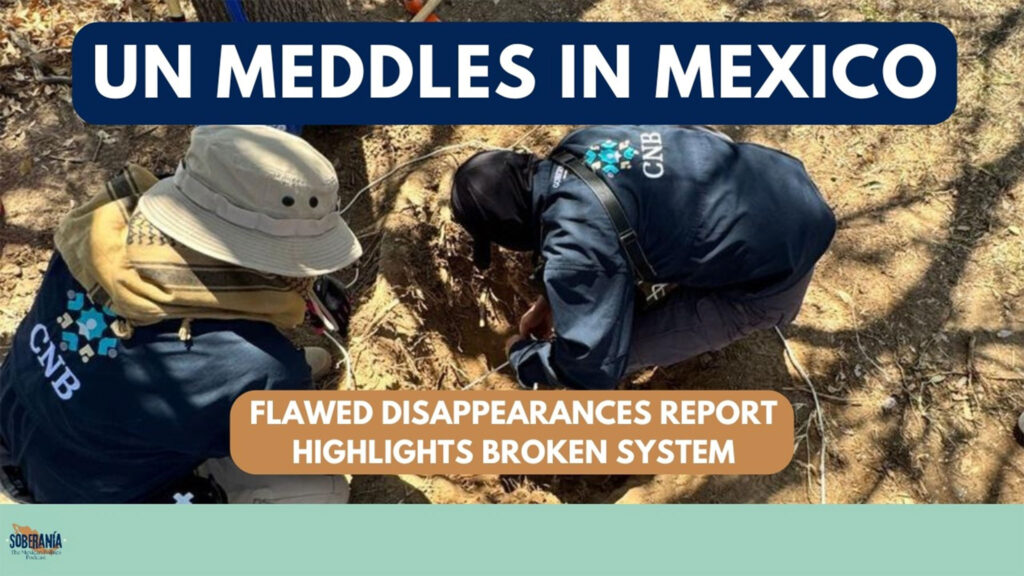
UN Meddles in Mexico: Flawed Disappearances Report Highlights Broken System – Soberanía 102
UN Committee on Enforced Disappearances, migrant deaths in the US, Mexico’s new Foreign Secretary Roberto Velasco, and deterrence in Mexico.
-
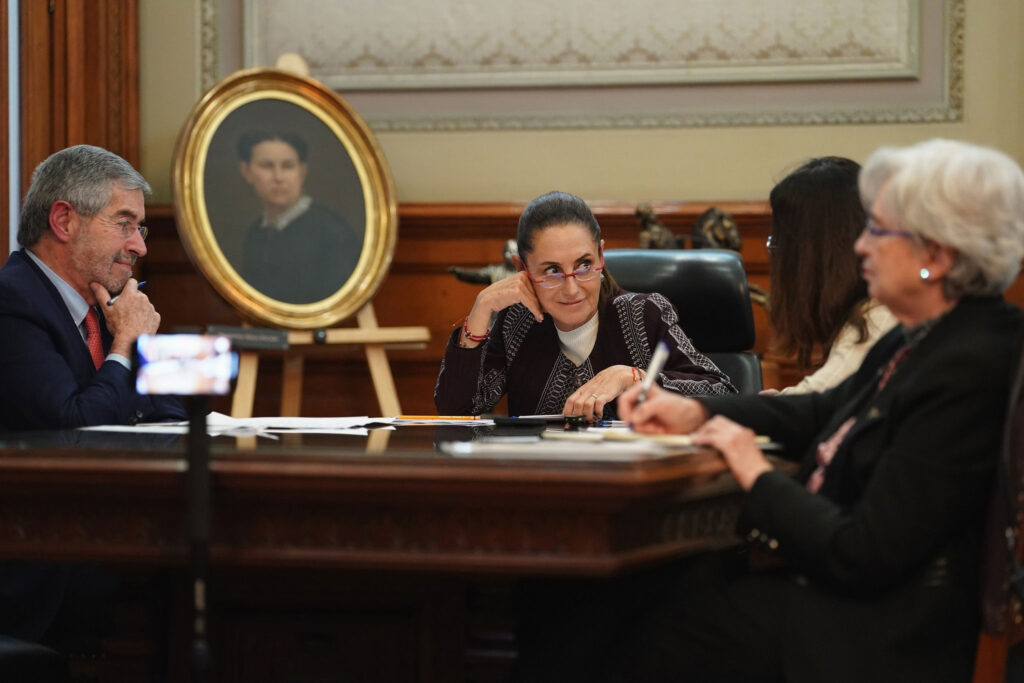
People’s Mañanera April 8
President Sheinbaum’s daily press conference, with comments on Chiapas housing, Mexico’s energy system, US and Iran ceasefire, and BlackRock public-private partnerships.
-
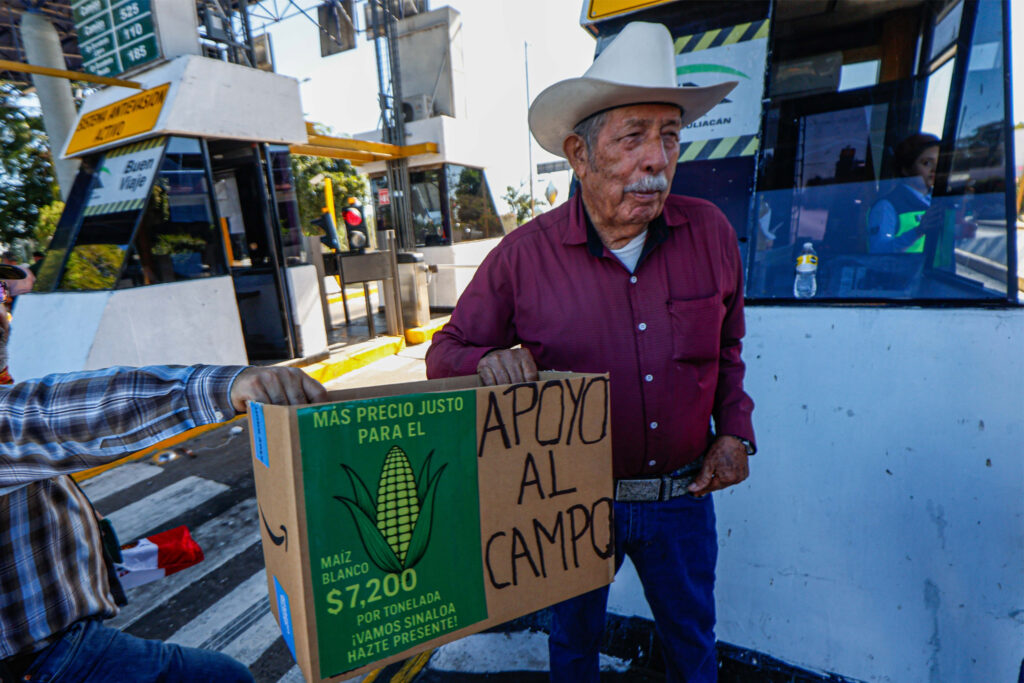
The USMCA is Causing a Decline in Mexican Agriculture
What can the phrase “Without corn, there is no country” mean when domestic corn production is on its last legs in the face of US dumping and the state’s inability to fight neoliberal free trade?