US Revokes Visa of Bolivia’s Attorney General for Investigating Cerimedo
This article by SinEmbargo Staff originally appeared in the September 29, 2026 edition of SinEmbargo, a Mexican independent digital news outlet.
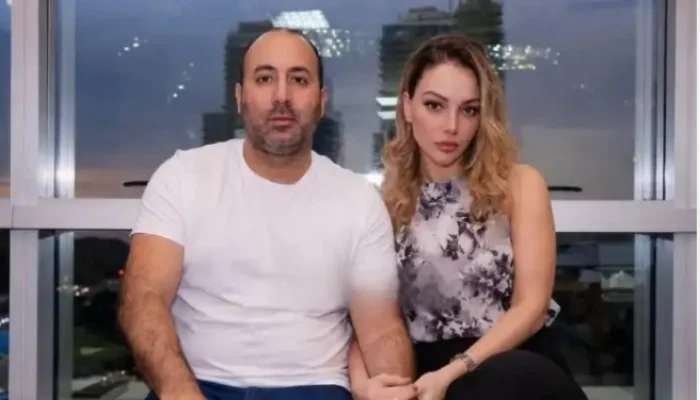
Mexico City, September 29 (SinEmbargo).— The United States government yesterday revoked the visa of Bolivia’s Attorney General, Roger Mariaca, who is leading the investigation into Argentine consultant and La Derecha Diario founder Fernando Cerimedo over the attempted femicide of Nadia Beller, money laundering, usurping of functions, and other crimes.
“Mariaca, elected in 2024 to a six-year term as Attorney General under the presidency of former leftist Luis Arce, and previously state prosecutor in Santa Cruz, abused his public office by soliciting and accepting bribes to facilitate drug trafficking and help violent criminals evade justice,” the U.S. State Department said in a statement.
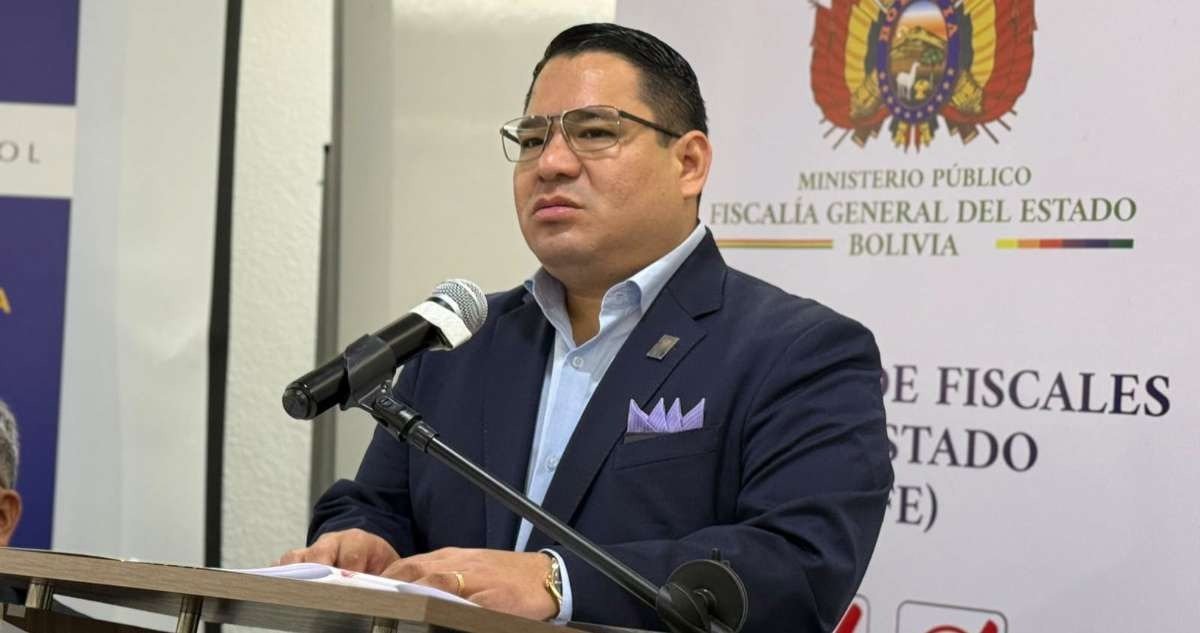
In response, Mariaca rejected Washington’s accusations and demanded respect for his country’s sovereignty, arguing that the U.S. decision amounts to an attempt to interfere in the Attorney General’s Office’s investigations: “Cooperation, yes; interference, no. Dialogue, yes; imposition, no. Respect between states, yes; interference in our institutions, no,” he said at a press conference held yesterday in Sucre, seat of Bolivia’s judicial branch.
Post by @Ollie_Vargas_ on X
During the press conference, Bolivia’s Attorney General warned that the Attorney General’s Office’s investigations will continue despite possible political repercussions, both domestic and international. He specifically addressed the case against Fernando Cerimedo, whose significance, he said, must not become an obstacle to establishing the facts: “We also know that some investigations have implications that go beyond national borders — the so-called Cerimedo case, for example, has generated concern and repercussions across different political spheres, but no political pressure, domestic or international, can become an impediment to clarifying facts that must be investigated,” he said.
Mariaca said his country recognizes the decisions adopted by other nations within their own jurisdictions, but demanded reciprocity toward Bolivian institutions. He questioned why accusations coming from abroad should cast doubt on his performance as head of the Attorney General’s Office: “We cannot accept that the work I have been carrying out as Attorney General […] be called into question by decisions or statements coming from abroad,” he said.
The official also defended his record and argued that any accusation against him should be clarified through the proper procedures, without damaging his reputation before the facts are established. He distinguished between diplomatic differences and actions that, in his view, seek to condition the work of judicial authorities: “We can have differences, we can be critical, we can express disagreements — that’s part of relations between democratic states. But it’s one thing to express a position and quite another to try to condition, interfere with, or affect the work of a sovereign institution like the Attorney General’s Office,” he said.
He also stressed that he will hold his position against any measure he considers retaliation for carrying out his responsibilities.
If doing my duty, defending the independence of our institutions, and upholding Bolivia’s sovereignty now means facing pressure or retaliation, I will take on that responsibility, because public service cannot be held hostage by fear.
Roger Mariaca, Attorney General of Bolivia
-
People’s Mañanera October 21
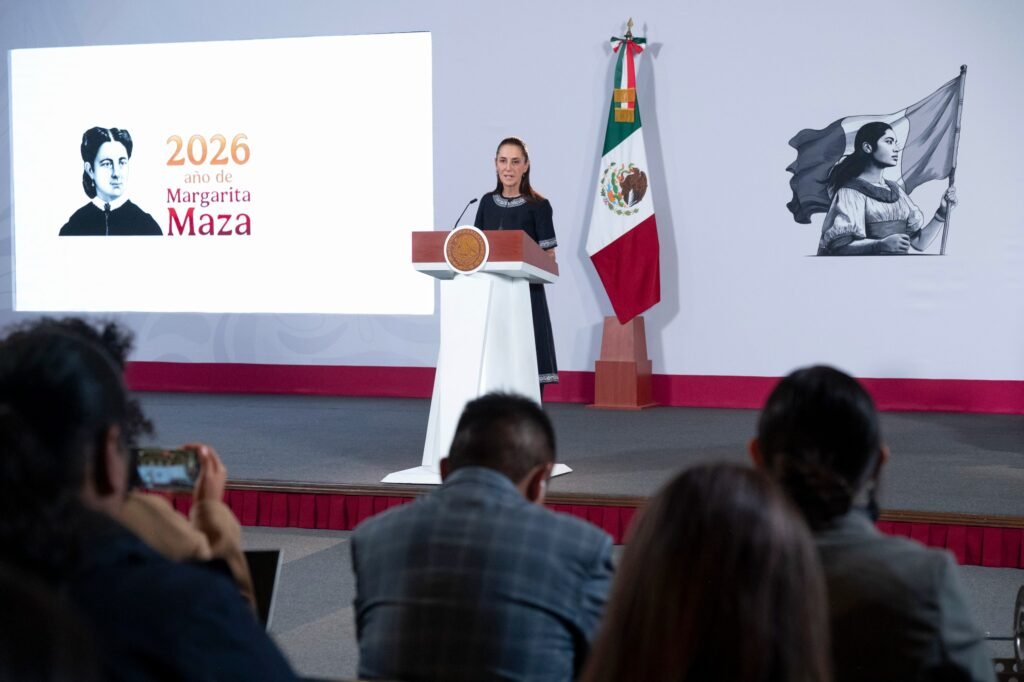
President Sheinbaum’s daily press conference, with comments on Pemex, fuel theft, Jalisco’s water crisis, missing persons, and the lie detector.
-
Jáuregui’s Arrest Does Not Close the CIA Case in Chihuahua; Morena Demands Broader Investigations
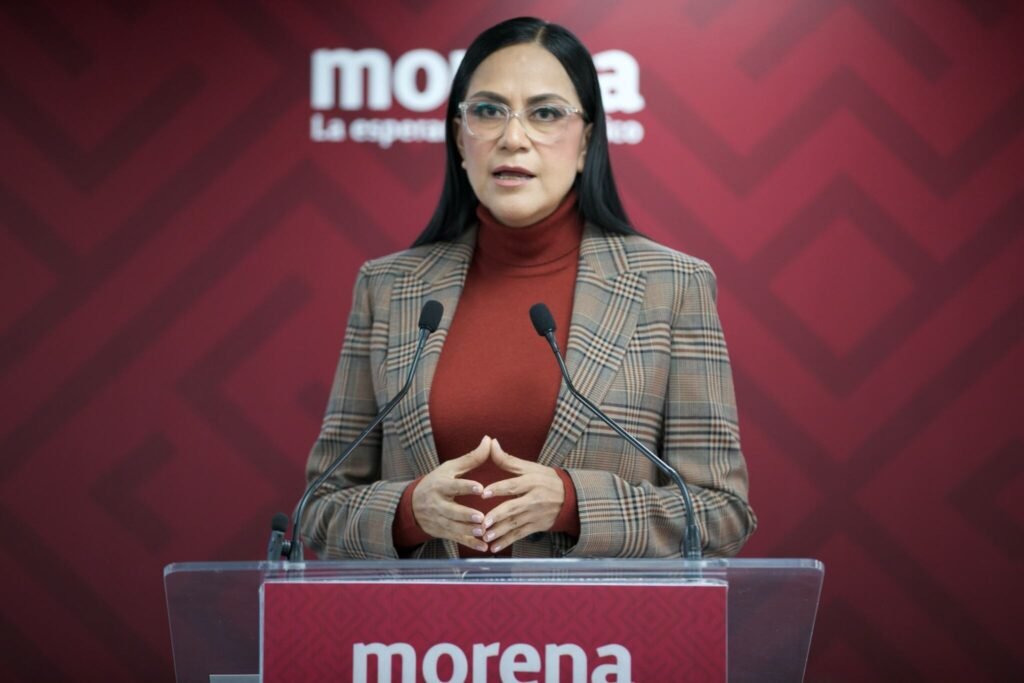
Morena leader Ariadna Montiel holds Governor Maru Campos politically responsible and says ex-prosecutor Guillermo Zuany must also face justice.
-
Morena Accuses Violation of the Secular State Over Award Ceremony for Evangelicals in the Chamber of Deputies
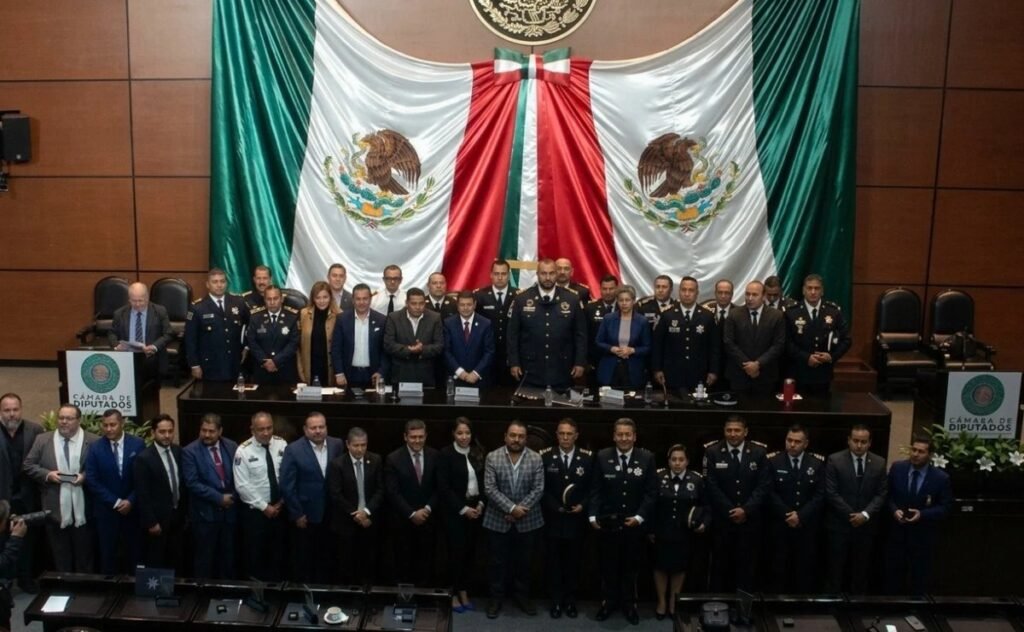
A representative of Israel’s embassy attended the PRI-hosted event, and the group’s founder was arrested in the U.S. for drug trafficking in 2007, Morena deputies said.