US Sanctions Mexican Banks for Money Laundering, No Evidence Provided
This article first appeared in the June 26, 2025 edition of Sin Embargo.
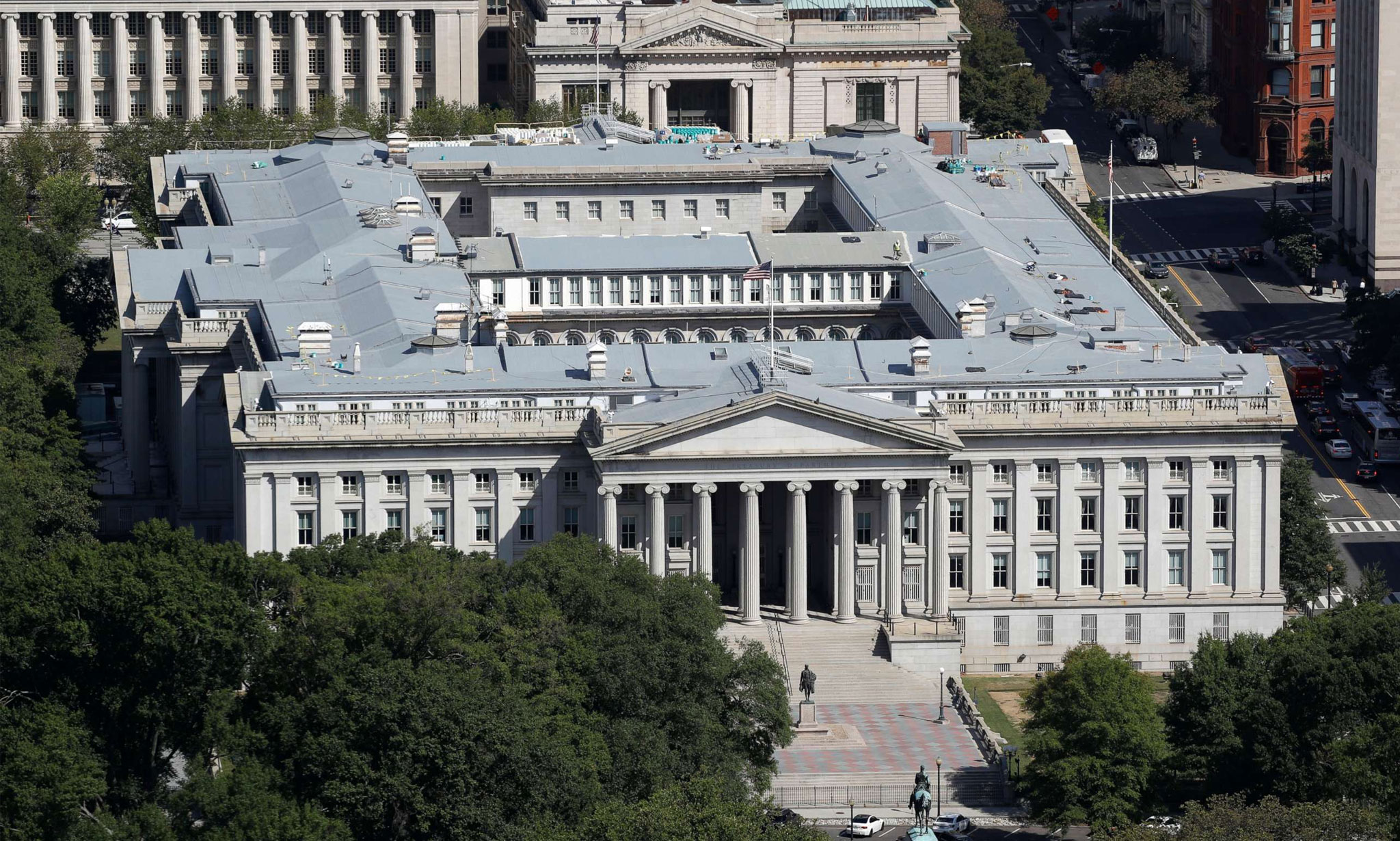
Yesterday, the U.S. Department of the Treasury’s Financial Crimes Enforcement Network (FinCEN) announced it had prohibited “certain funds transfers involving CIBanco, Intercam, and Vector,” Mexico-based financial institutions, after deeming them “primary sources of money laundering concern related to illicit opioid trafficking.”
President Claudia Sheinbaum Pardo announced Thursday morning that the United States (US) warned weeks ago about accusations of money laundering against two banks and a brokerage firm based in Mexico , so the federal government requested more information about the operations that would prove the commission of said crime, but the data never arrived.
“I want to comment on what came out yesterday from the U.S. Treasury Department, regarding these administrative sanctions against two Mexican banks and a brokerage firm. Yesterday there was a statement from the Treasury Department,” she said at the start of her traditional morning press conference.
According to Mexican President Claudia Sheinbaum Pardo, the Financial Intelligence Unit (UIF) and the Ministry of Finance and Public Credit (SHCP) received “confidential information from the Treasury Department and FinCEN—which is the mirror institution of the UIF in the United States—a few weeks ago regarding these three financial institutions.”
“The information that came from this statement issued by the Treasury Department… Well, as soon as the UIF and the Ministry of Finance found out, they let me know. This statement contained very general information. There was no detailed information about the reasons why they believed these financial institutions were engaged in money laundering,” President Claudia Sheinbaum explained.
-
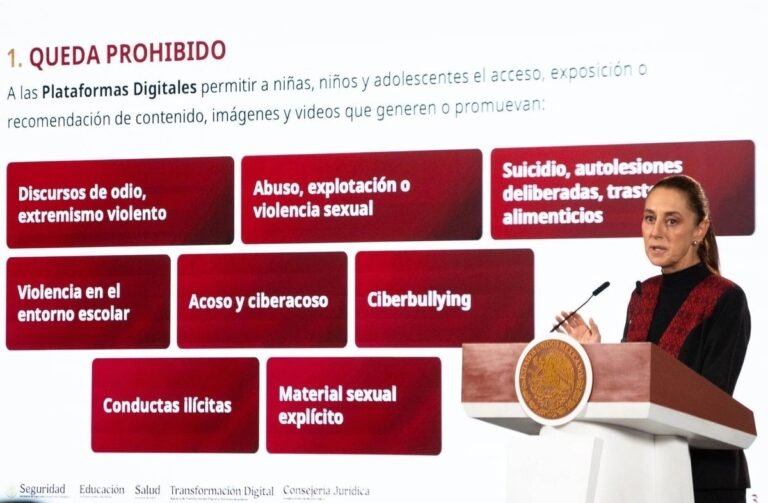
Sheinbaum Presents Draft Decree to Force Digital Platforms to Take Down Content That Incites Violence and Hate
No fines for now: the government will talk with tech companies before publishing the decree next week, a promise made after the Coahuila school attack.
-
People’s Mañanera October 9
President Sheinbaum’s daily press conference, with comments on digital safety, IMSS-Bienestar, sovereignty, and the opposition.
-
Mexico’s Gas Reserves Would Last Only 3 Days
Cenagas director Cuitláhuac García revealed Mexico has no gas storage and imports 75% of what it consumes, after a US supply cut exposed the risk.