US Senate Lowers Remittance Tax to 1%
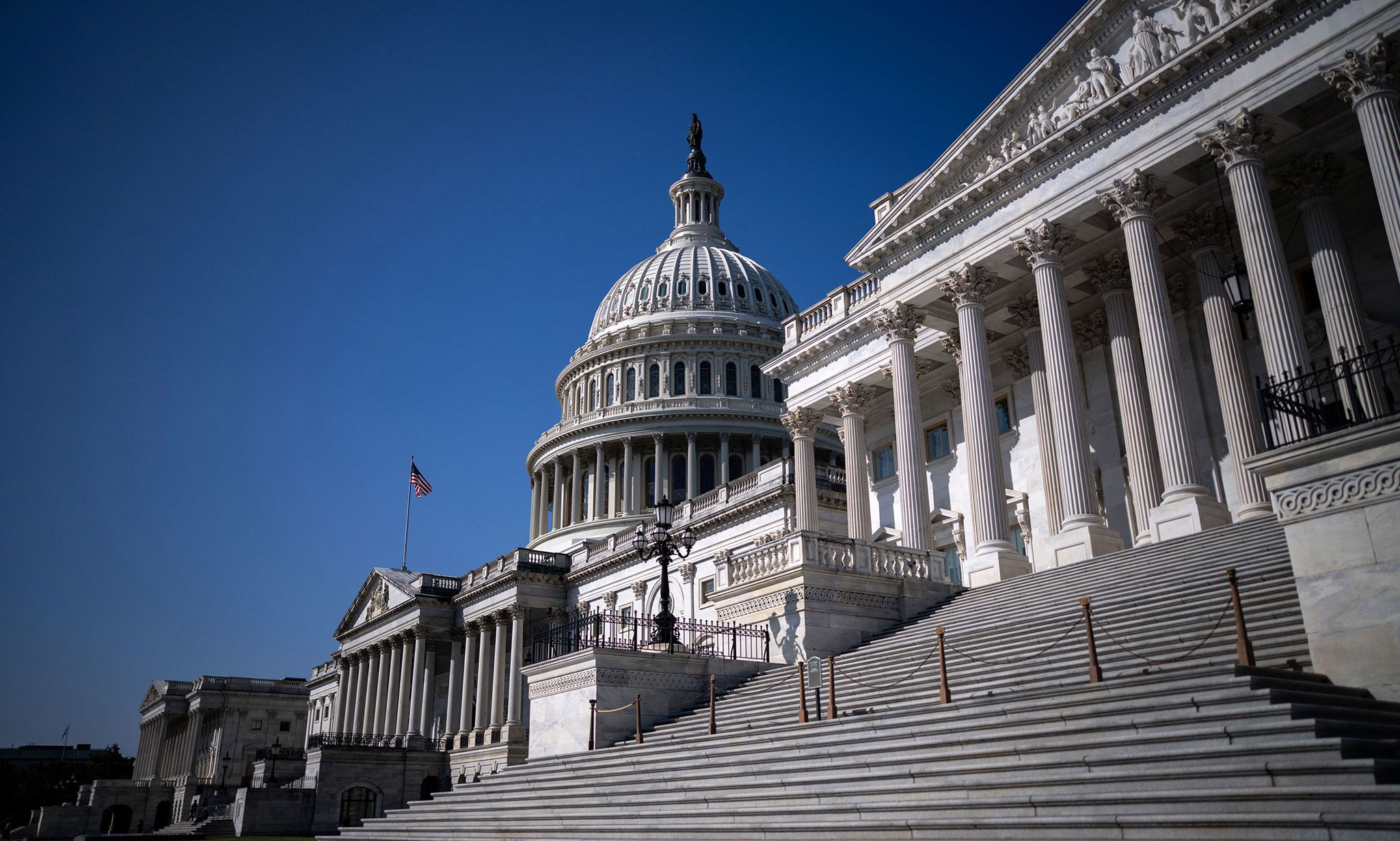
The United States Senate drastically reduced the remittance tax from 3.5 percent to 1 percent when it adopted the mega-budget bill on Tuesday, providing relief for migrants sending money to Latin America.
The text, dubbed a “big, beautiful bill” by US President Donald Trump, will now return to the House of Representatives, where lawmakers had set the tax at 3.5 percent in May. That percentage, although high, was lower than the 5 percent planned in the initial version of the bill.
“A tax equivalent to 1 percent of the amount of any remittance transfer is imposed,” reads the text narrowly adopted by the senators.
If the House of Representatives approves it, it would apply to transfers made on or after December 31, 2025.
It must be paid by the person making the transfer. It does not apply if the money is transferred from a bank account in the United States or with a credit or debit card issued in the country.
The tax is limited to transfers in cash and “similar instruments,” such as a cashier’s check.
On Monday, President Claudia Sheinbaum announced that for migrants who send cash, her government will announce this week “a special program (…) to be able to reimburse them for that 1 percent.”
Trump’s Republicans hold a narrow majority in the House, but many conservatives object to the measure because it increases the federal deficit and includes massive cuts to health insurance that are unpopular with voters.
Trump has set July 4th, Independence Day, as a symbolic deadline to enact it.
According to forecasts from the Inter-American Development Bank (IDB), remittances sent to Latin American and Caribbean countries reached a record high of $161 billion in 2024, with Mexico being the main destination country with nearly $65 billion.
The poorer southern Mexican states of Chiapas and Guerrero are the most dependent on these resources, according to an analysis by the private bank BBVA.
In Chiapas, remittances represent 15.9 percent of the state’s GDP, and in Guerrero, 13.8 percent.
According to the World Bank, remittance flows are also high in other Latin American and Caribbean countries: they represent more than 15 percent of GDP in Nicaragua, Honduras, El Salvador, Guatemala, Haiti, and Jamaica.
-
Defense of Sovereignty “Is Not Rhetoric, It’s Principles,” Sheinbaum Says
Sheinbaum recalled foreign pressure on Mexico in the 19th and 20th centuries and blamed the neoliberal governments and Calderón for opening the door to U.S. influence.
-
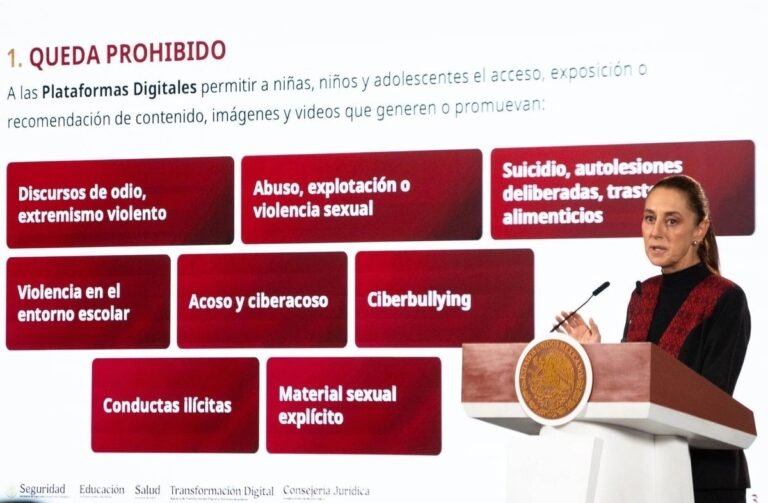
Sheinbaum Presents Draft Decree to Force Digital Platforms to Take Down Content That Incites Violence and Hate
No fines for now: the government will talk with tech companies before publishing the decree next week, a promise made after the Coahuila school attack.
-
People’s Mañanera October 9
President Sheinbaum’s daily press conference, with comments on digital safety, IMSS-Bienestar, sovereignty, and the opposition.