Using Tear Gas & Water Cannon, Tlaxcala State Police Disperse Farmers & Transporters Strike
This article by Guadalupe De La Luz Degante originally appeared in the April 7, 2026 issue of La Jornada de Oriente, the Puebla edition of La Jornada, Mexico’s premier left wing daily newspaper.
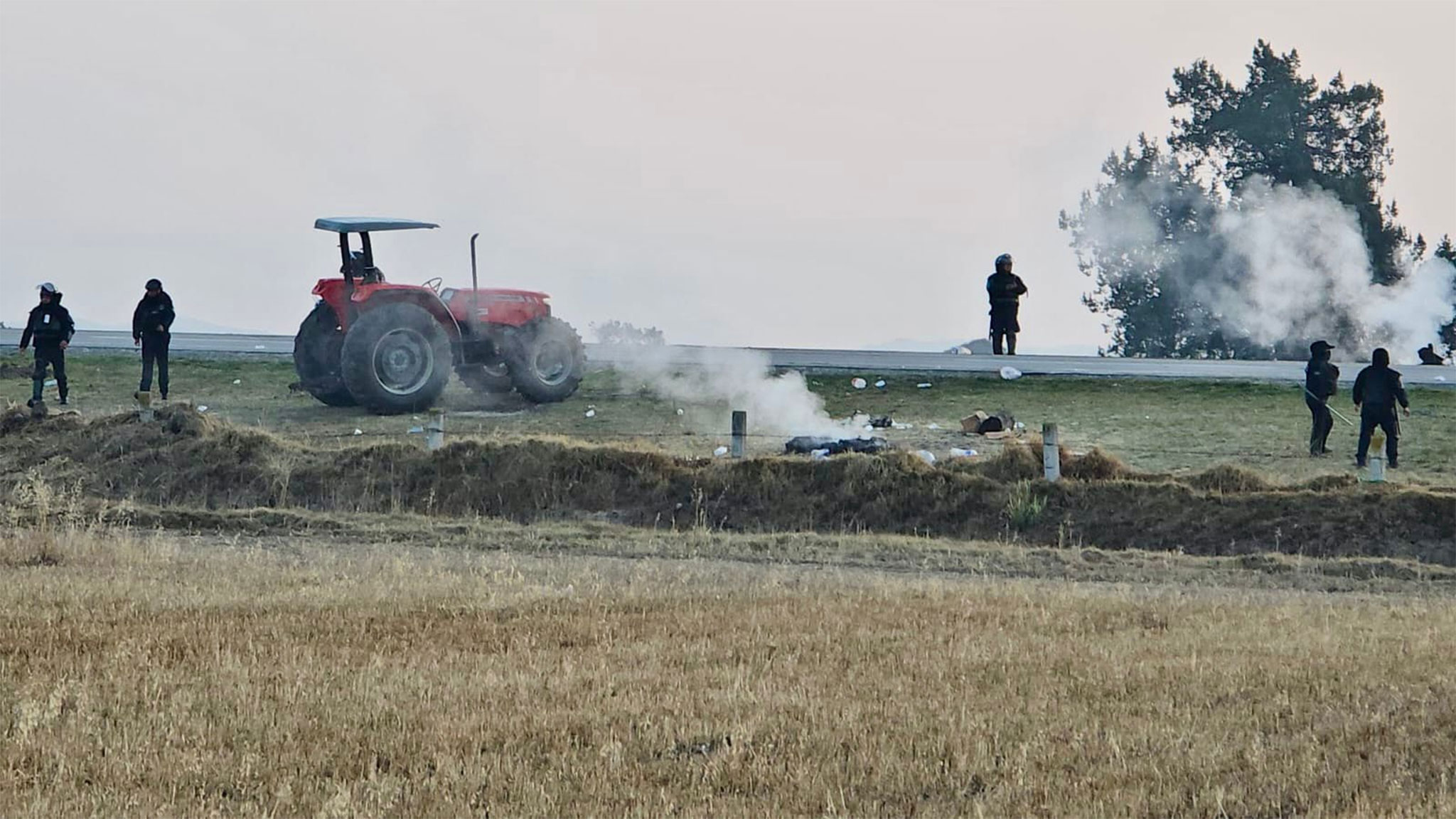
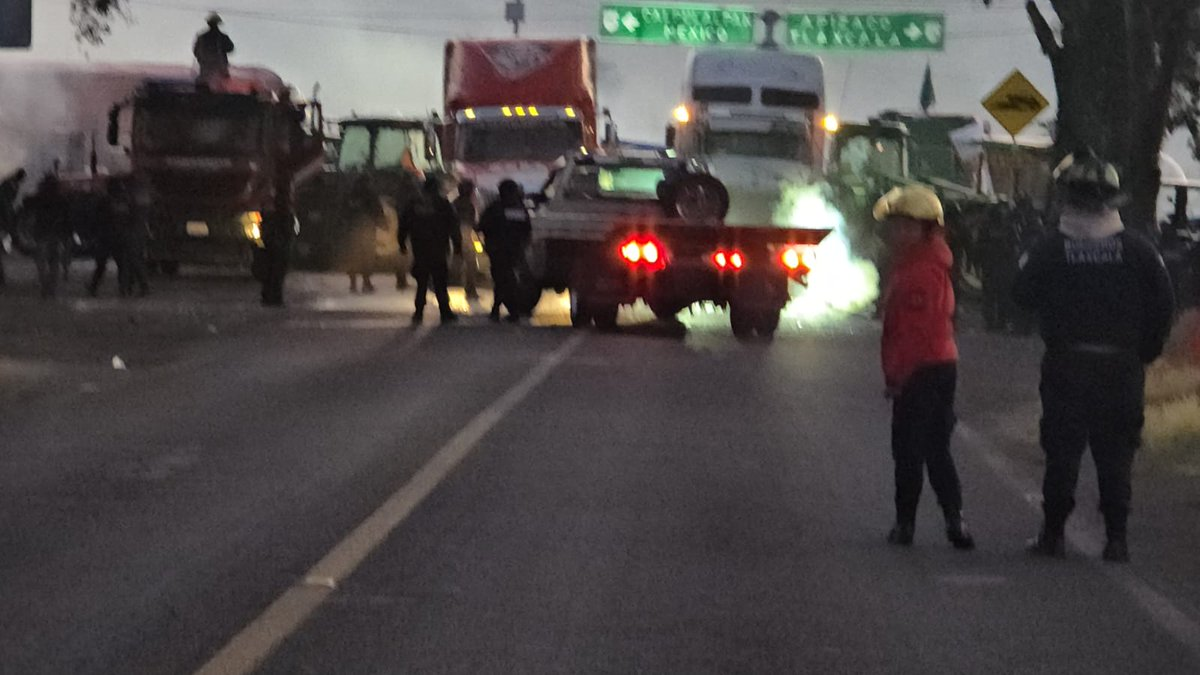
Tlaxcala, Tlaxcala. With tear gas, water cannon, and physical restraints, riot police from the State Police dispersed members of the National Front for the Rescue of the Mexican Countryside of Tlaxcala who were maintaining a road blockade due to the national agricultural and transport strike, which began yesterday, Monday, April 6.
Around 5:00 a.m. this Tuesday, the 7th, more patrol cars and police arrived at the Mexico-Veracruz federal highway near Nanacamilpa, where they allegedly detained several farmers.
A representative from the federal Interior Ministry office in Tlaxcala arrived to ask the farmers to clear the road and offered that a delegation would meet with Governor Lorena Cuéllar Cisneros and the head of the Secretary of Agriculture and Rural Development (Agriculture) the following Monday, but his proposal was not accepted.
Shortly before 6:00 a.m., police officers launched tear gas at the protesters and used a water cannon (which was also used in the 2023 women’s march). From that moment on, they began to suppress the protest.
According to a live broadcast at that time by a member of the farmers’ group, they did not know the whereabouts of some of their companions. Meanwhile, others were threatened, chased, and subdued by riot police, accused of committing crimes.
Emigdio Taboada, spokesperson for this movement in Tlaxcala, described the operation as “an outrage” and a “cowardly” act of repression by the state and federal governments, holding them responsible for the physical safety of the protesters and their tractors, which they used to block the federal highway and the Arco Norte toll road.
The national agricultural and transportation strike began in the state of Tlaxcala at 9:00 a.m. yesterday, Monday, demanding better grain prices and Mexico’s withdrawal from the United States-Mexico-Canada Agreement (USMCA); fair gasoline prices and the elimination of the Special Tax on Production and Services (IEPS); and a development bank to access financing, among other demands.
In response to this morning’s events, the national leadership of the National Front for the Rescue of the Mexican Countryside (FNRCM), through its social media channels, condemned the police deployment and held Governor Lorena Cuéllar Cisneros responsible for the physical safety of each of the producers. They also demanded the immediate withdrawal of the repressive forces and the establishment of a dialogue table for resolution.
As of this moment, the situation of the FNRCM members in Tlaxcala is unknown. Meanwhile, Antonio Martínez Velázquez, spokesperson for the state government, announced that traffic has been restored on the roads and that a statement regarding the operation will be released at a press conference.
-
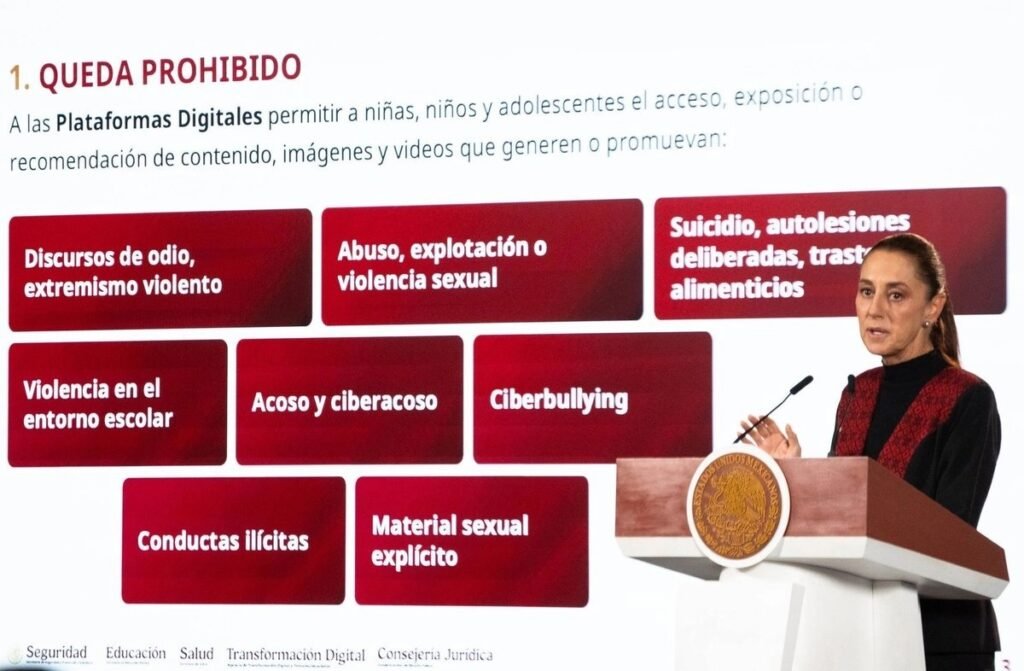
Sheinbaum Presents Draft Decree to Force Digital Platforms to Take Down Content That Incites Violence and Hate
No fines for now: the government will talk with tech companies before publishing the decree next week, a promise made after the Coahuila school attack.
-
People’s Mañanera October 9
President Sheinbaum’s daily press conference, with comments on digital safety, IMSS-Bienestar, sovereignty, and the opposition.
-
Mexico’s Gas Reserves Would Last Only 3 Days
Cenagas director Cuitláhuac García revealed Mexico has no gas storage and imports 75% of what it consumes, after a US supply cut exposed the risk.