Brugada Inaugurated Utopía Acatitla; the Investment Amounted to 119 Million
This article by Contralínea’s editorial staff originally appeared in the July 12, 2026 edition of Contralínea, a Mexican investigative journalism magazine.
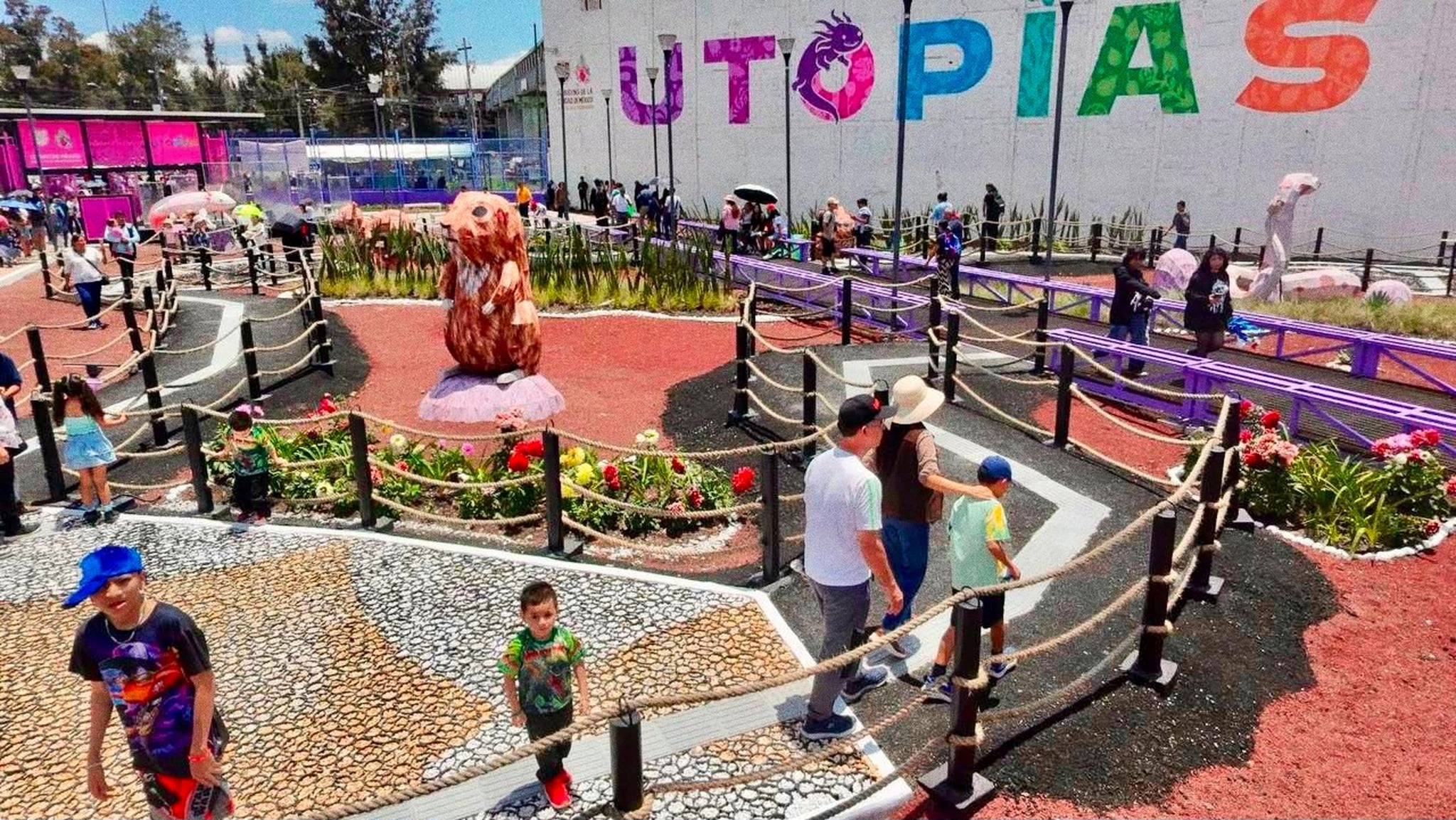
With an investment of 119 million pesos, the head of government of Mexico City, Clara Brugada Molina, inaugurated Utopía Acatitla, in the borough of Iztapalapa. This project aims to bring free culture, sports, health, care, education, and well-being services to the population of the capital’s east side.
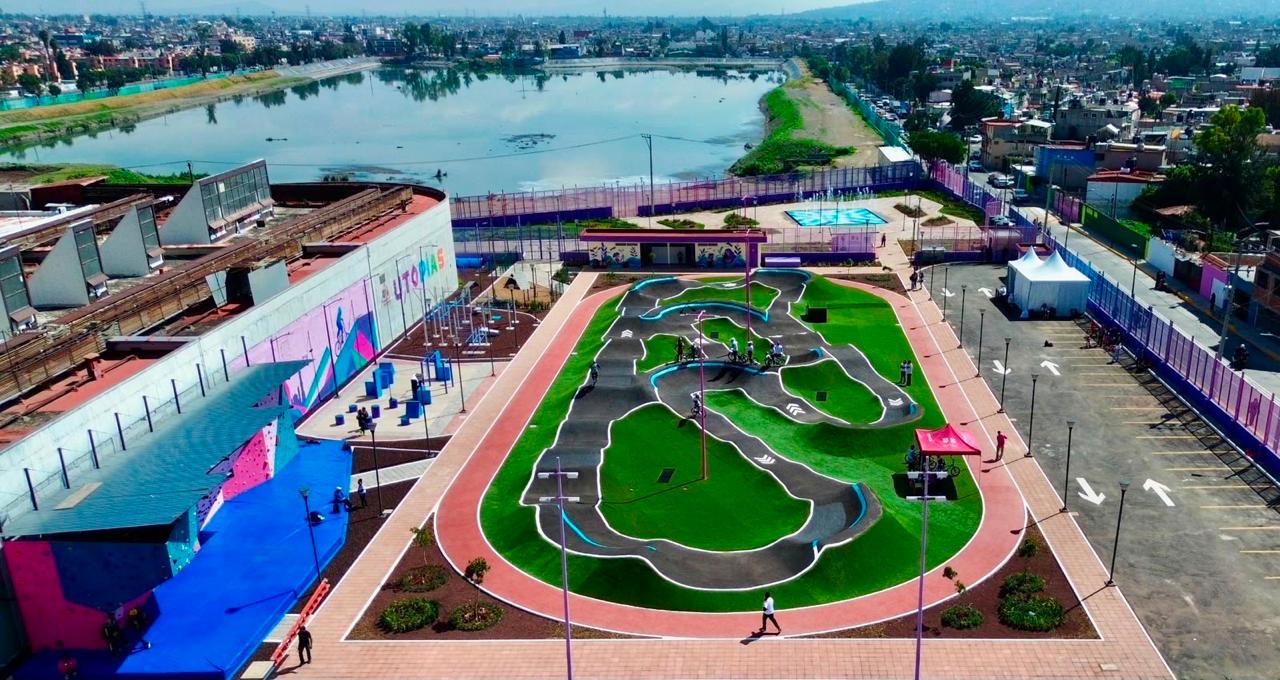
In this regard, the city’s leader affirmed that it was in this district that the conviction was born to transform the city starting from the historically forgotten communities and to guarantee that those who live in the periphery have access to the best public infrastructure.
She recalled that the Utopías were awarded UN-Habitat’s Scroll of Honour, considered one of the world’s most important recognitions for innovative urban practices. Brugada stressed that this is a policy of territorial justice that reverses inequality through public infrastructure. This makes it possible to turn the peripheries into the center of government investment.

“Here the idea was born that it was possible to bring the best to those who have the least, that the best services could also be in the most remote areas. The most remote communities do not deserve the leftovers, nor what is left over; they deserve the best infrastructure in the city.” The head of Government added that Utopía Acatitla was developed on a 16,000-square-meter plot and represents the fifth new Utopía delivered during the current administration.
According to the Mexico City government, the complex will mainly benefit the families of the city’s east side by concentrating, in a single space, free health, culture, sports, education, recreation, and care services, aimed at strengthening the social fabric.
Like the rest of the Utopías, it also has the Public Care System, to provide attention to girls and boys, older adults, and people with disabilities. For this, it has a community dining hall, a laundry, and specialized care and support spaces.

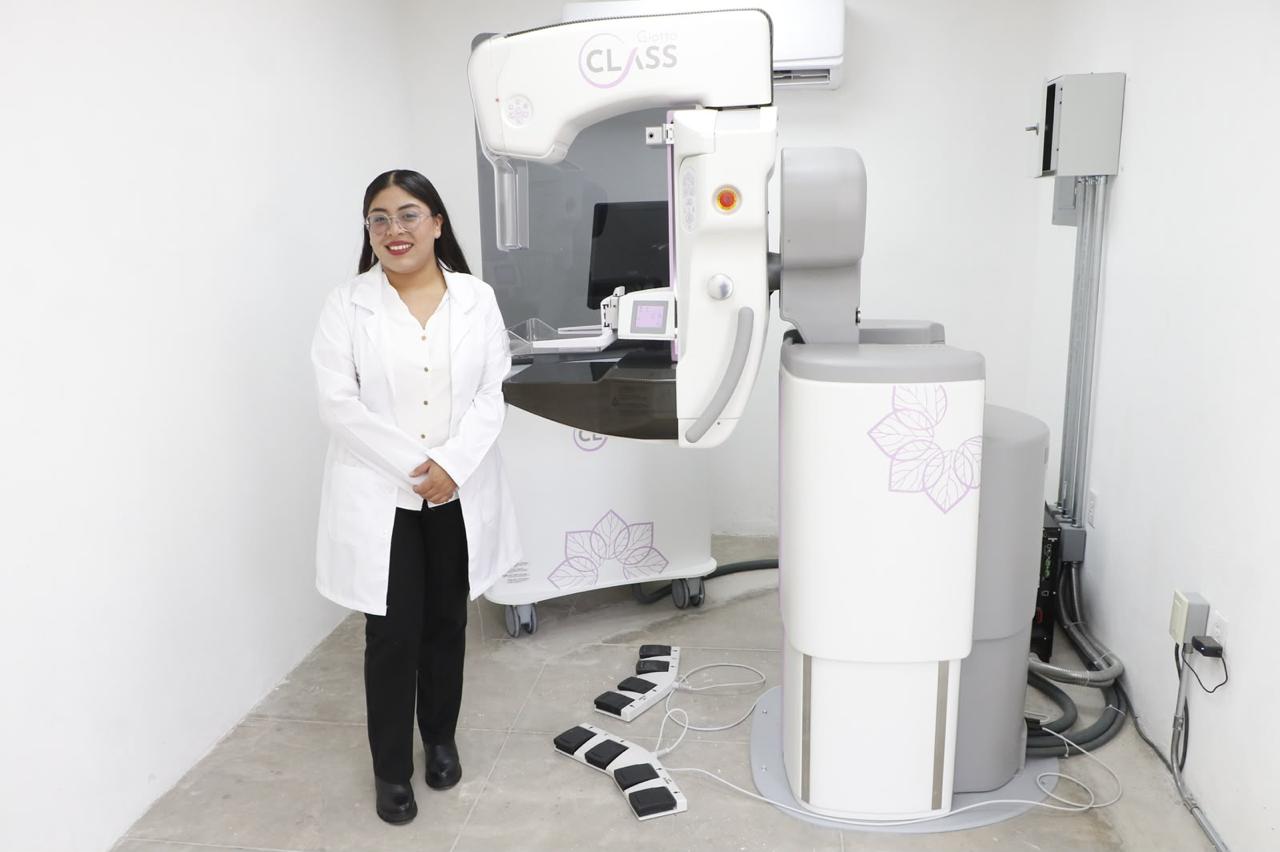
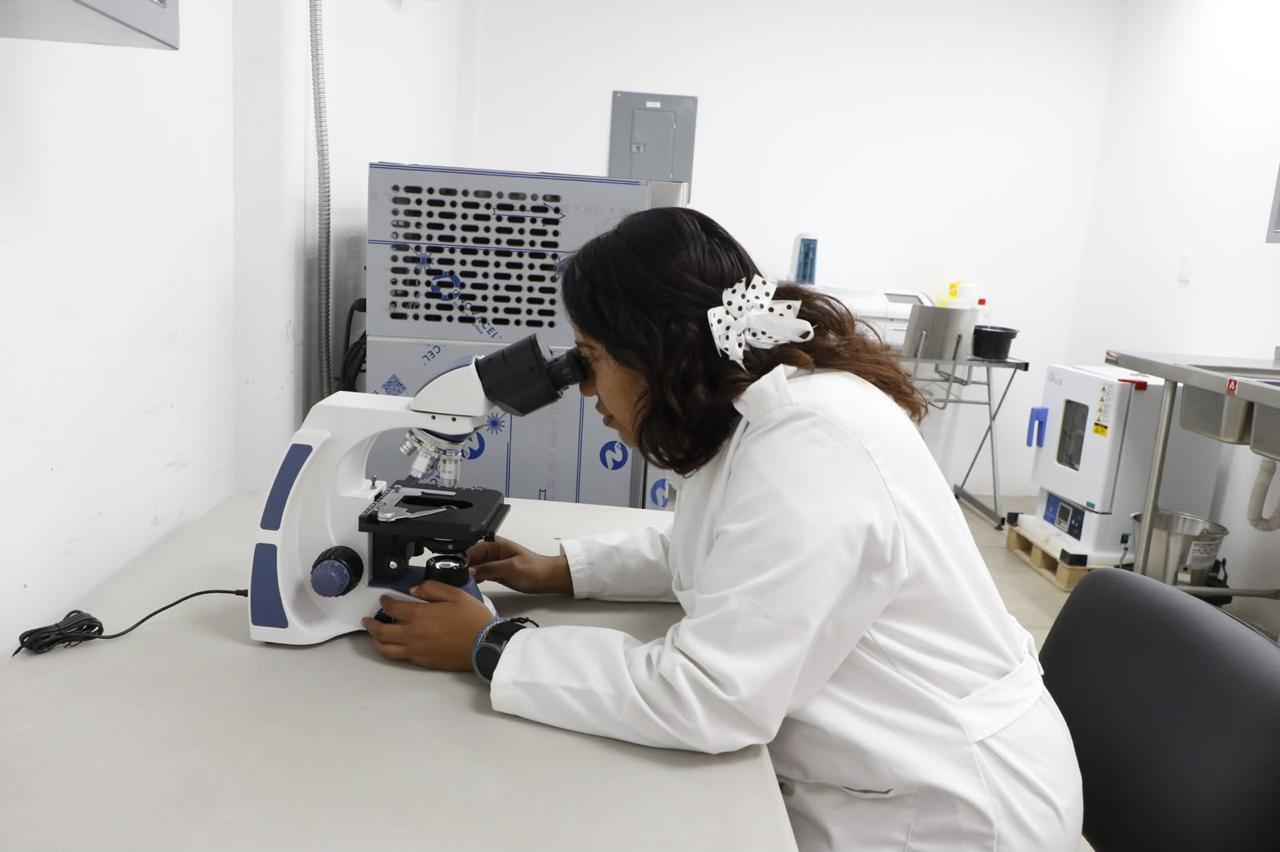
For this reason, Brugada Molina emphasized that this public policy protects the most vulnerable sectors and, at the same time, generates opportunities, autonomy, and well-being for families, especially for women. In the case of the newly inaugurated Utopía Acatitla, she explained that it incorporates comprehensive and specialized health services —such as general medicine, dentistry, a clinical laboratory, mammography, gynecological care, an Emotional Care Center with free psychological attention, and a Colibrí Center for the prevention and treatment of addictions— at no cost.
She also affirmed that the complex democratizes access to art, culture, and sports, with workshops in music, dance, theater, and various sports disciplines, in addition to having a free semi-Olympic pool, a multipurpose court, a pump track circuit, a climbing wall, a parkour area, and a running track.

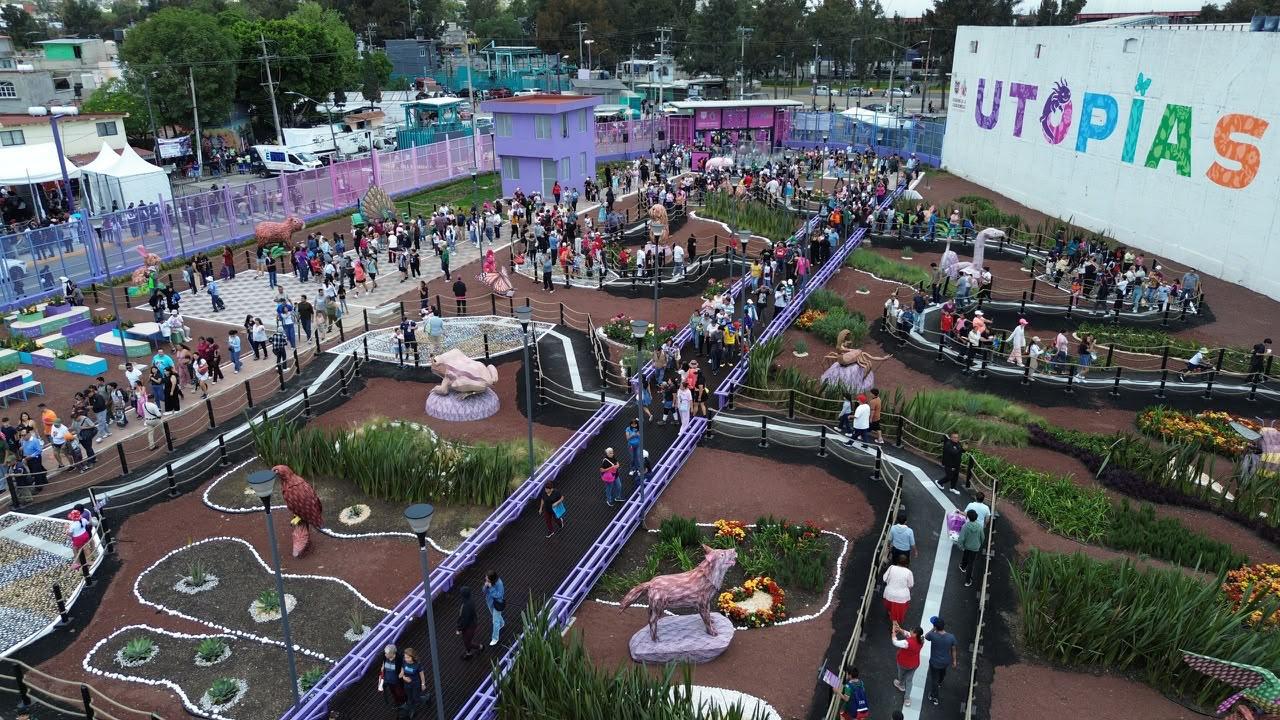
The head of Government added that each Utopía has its own identity and that, in the case of Acatitla, one of its main attractions will be the Fluorescent Magical Night Garden, of more than three thousand square meters, conceived as an immersive experience for families to enjoy.
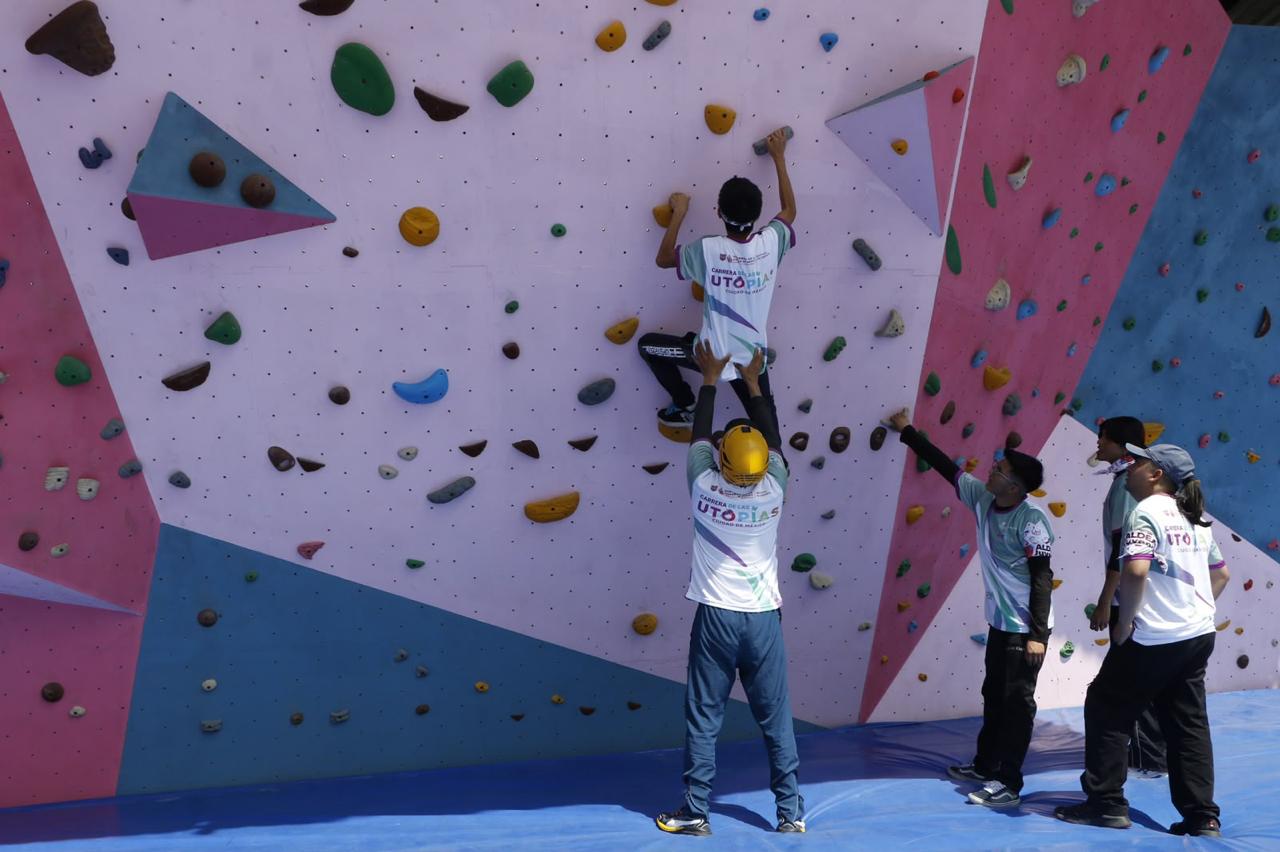
In addition, she announced that, due to the needs of the working population of the city’s east side, Utopía Acatitla will extend its hours of operation until 11:00 p.m. so that those who return late from their workdays can also access its sports, cultural, and recreational activities. “That is what is different about living in the peripheries: understanding what the population that lives far away needs. The goal is to give the best service to those who have the least.”
Brugada stated: “we want that when Acatitla is mentioned, people no longer think of prisons or walls, but of horizons; that when Acatitla is spoken of, people think of freedoms, of rights, and of one of the most important Utopías in Mexico City. […] The peripheries today have to be the center of investment of the city’s Government; the people who live far away have to be the first to be served. All that historical wear of setting the periphery aside is being reversed.”
-
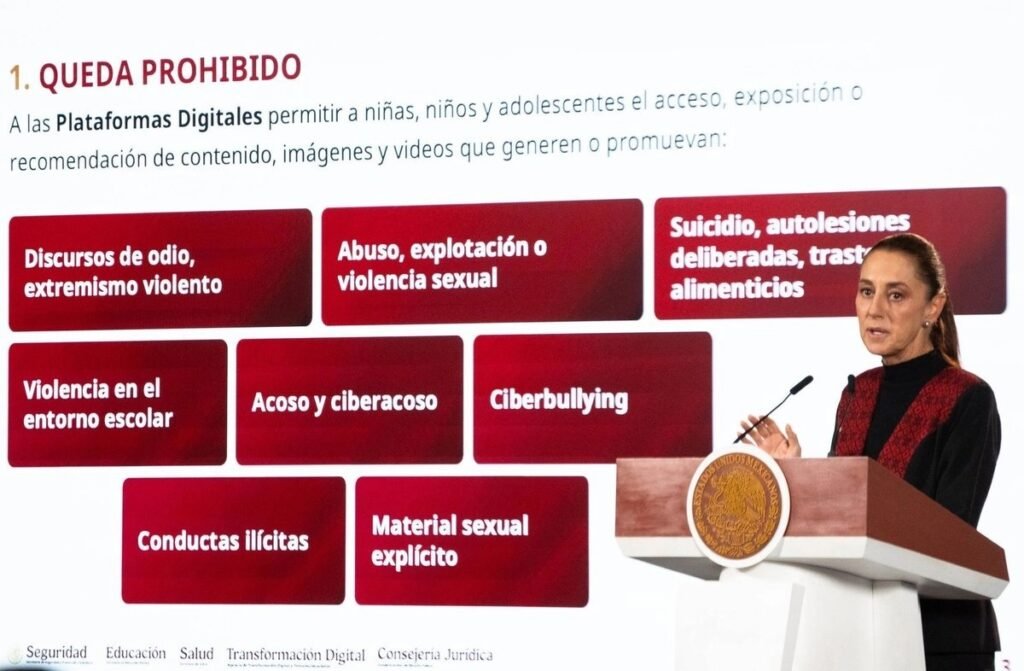
Sheinbaum Presents Draft Decree to Force Digital Platforms to Take Down Content That Incites Violence and Hate
No fines for now: the government will talk with tech companies before publishing the decree next week, a promise made after the Coahuila school attack.
-
People’s Mañanera October 9
President Sheinbaum’s daily press conference, with comments on digital safety, IMSS-Bienestar, sovereignty, and the opposition.
-
Mexico’s Gas Reserves Would Last Only 3 Days
Cenagas director Cuitláhuac García revealed Mexico has no gas storage and imports 75% of what it consumes, after a US supply cut exposed the risk.