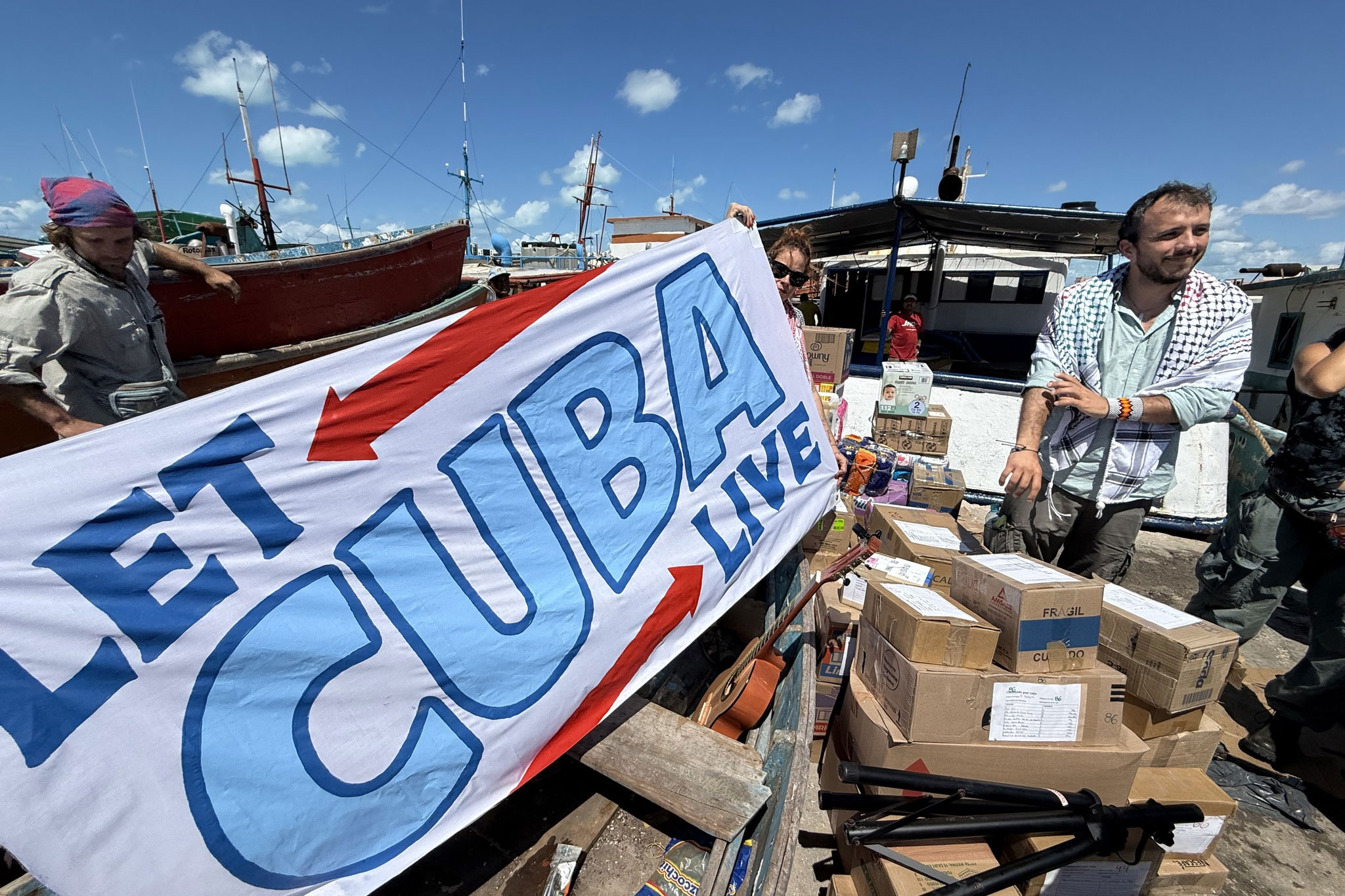
30 Tons of Aid Departs for Cuba from Puerto Progreso, Yucatán
This article by Luis A. Boffil Gómez originally appeared in the March 19, 2026 edition of La Jornada, Mexico’s premier left wing daily newspaper.
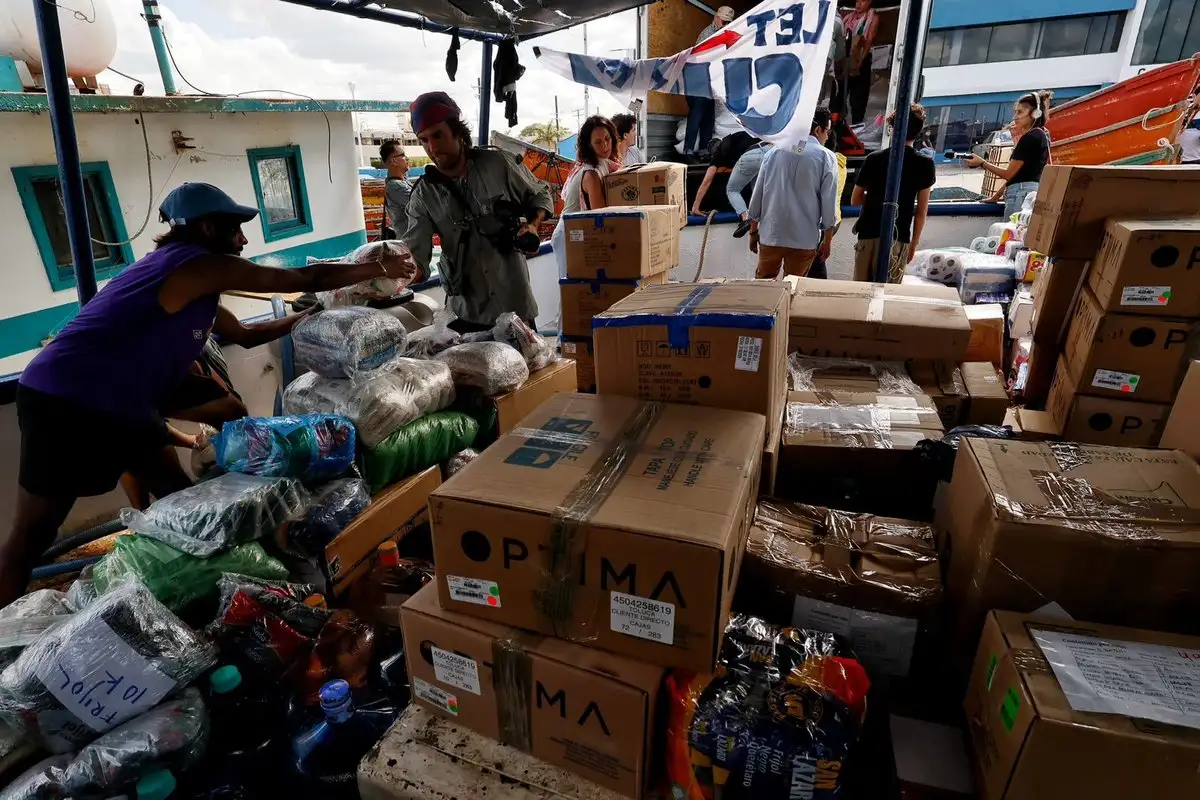
Progreso, Yucatán. Solidarity with Cuba departed today from the docks of Chelem, municipality of Puerto Progreso, loaded with 30 tons of food, medicine, technological equipment and, above all, “hope and resistance against the criminal blockade imposed by the United States government.”
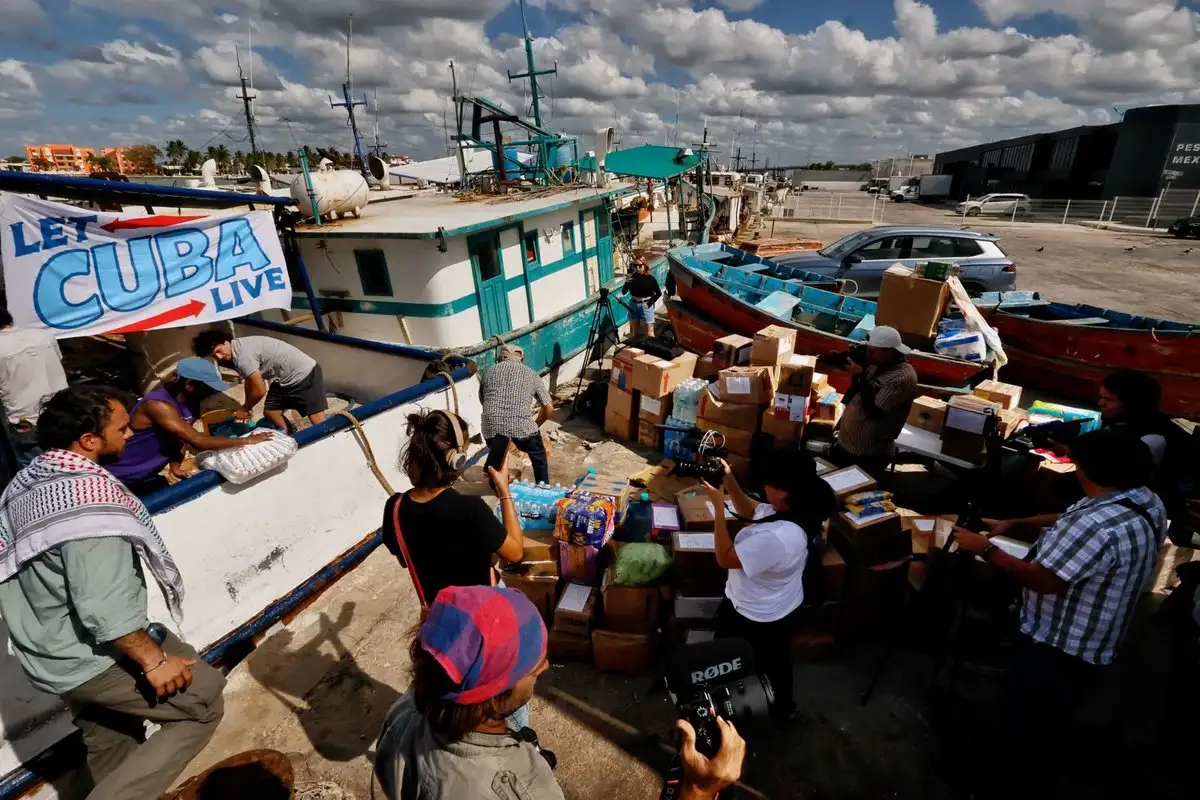
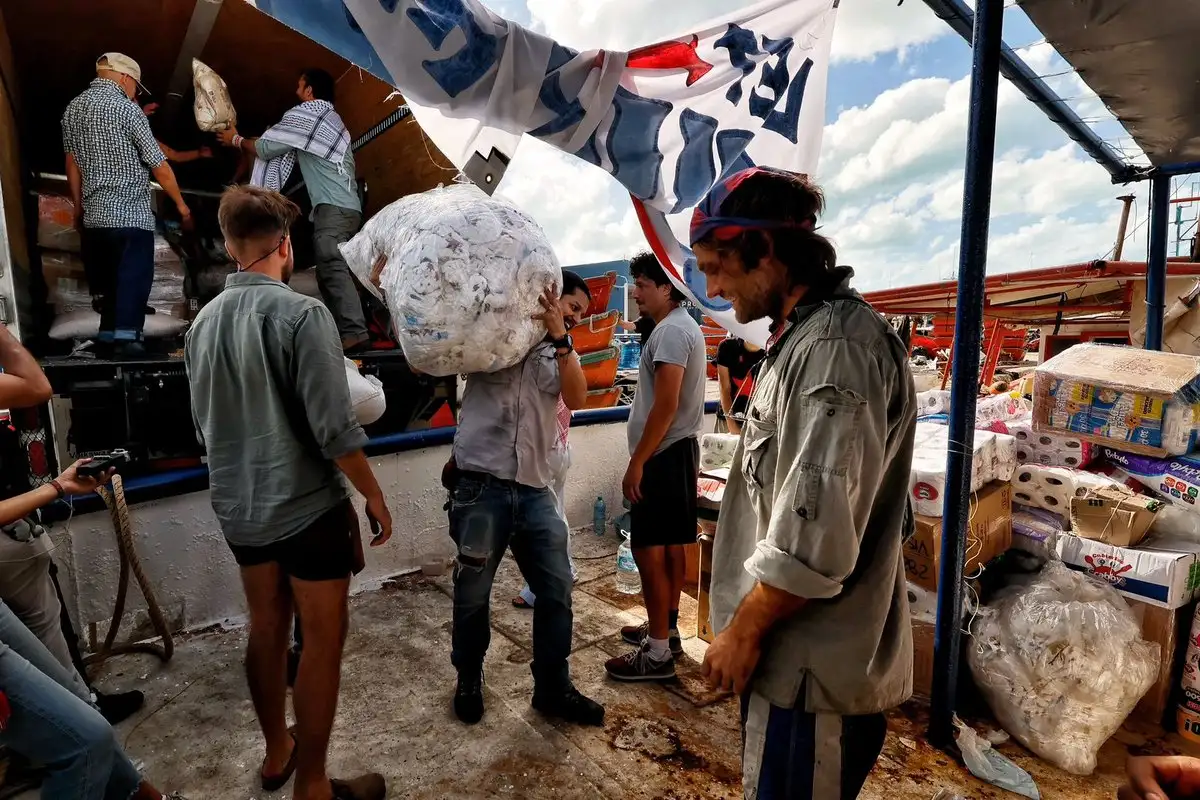
Mexican and foreign activists worked together to unload and load the aid that, inside the Granma 2.0 vessel, so named by the team of volunteers, should arrive on the island in two days, depending on the weather in Mexican and Cuban waters.
Similarly, the so-called Flotilla Nuestra América, through its volunteers, reported that two sailboats, each loaded with three tons of support for the Cuban population, will depart from Isla Mujeres this Friday.
Thiago Ávila, one of the members of Nuestra América, said that not only will humanitarian aid consisting of supplies, medical equipment and medicines be delivered, but solidarity will also be reflected in times of global conflict “where the president (Donald) Trump believes himself to be the world leader to do as he pleases.”
“We must tell that person (referring to the US president) a resounding no and combat his colonialist intentions with an internationalist spirit,” he stressed.
Finally, the activists sang a short chant: “Cuba sí, bloqueo no!”
-
Sheinbaum Presents Draft Decree to Force Digital Platforms to Take Down Content That Incites Violence and Hate
No fines for now: the government will talk with tech companies before publishing the decree next week, a promise made after the Coahuila school attack.
-
People’s Mañanera October 9
President Sheinbaum’s daily press conference, with comments on digital safety, IMSS-Bienestar, sovereignty, and the opposition.
-
Mexico’s Gas Reserves Would Last Only 3 Days
Cenagas director Cuitláhuac García revealed Mexico has no gas storage and imports 75% of what it consumes, after a US supply cut exposed the risk.