Mexico Owns the Water. Who Can Use It?
From the poisoned Santiago River to the 1992 law that turned water into a commodity, Luis Eugenio Parés explains what it will take to make water a right again in an exclusive interview from our latest bulletin.

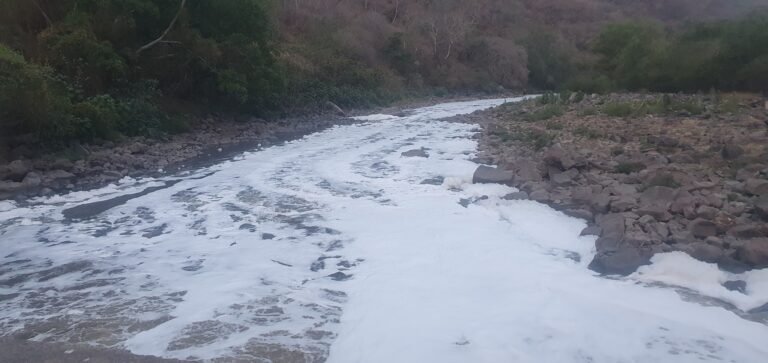
From the poisoned Santiago River to the 1992 law that turned water into a commodity, Luis Eugenio Parés explains what it will take to make water a right again in an exclusive interview from our latest bulletin.
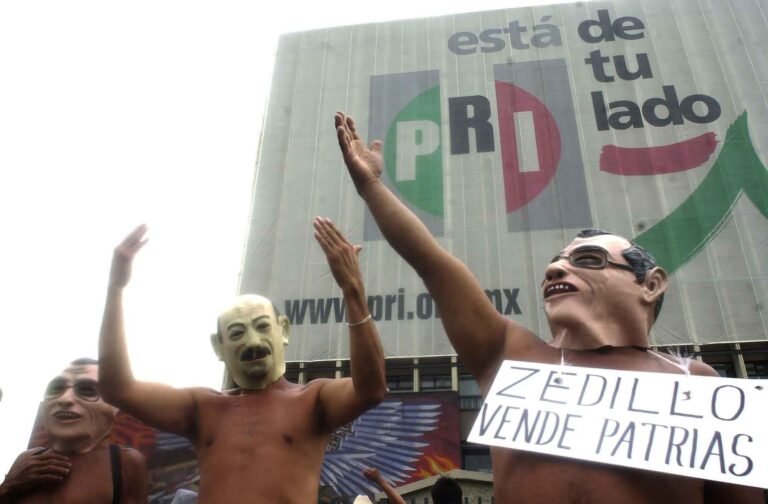
“The same banks that were saved in 1995 are, today, in their ordinary role as investors, collectors of the servicing of that same debt,” charges Rojas Silva in Contralínea.
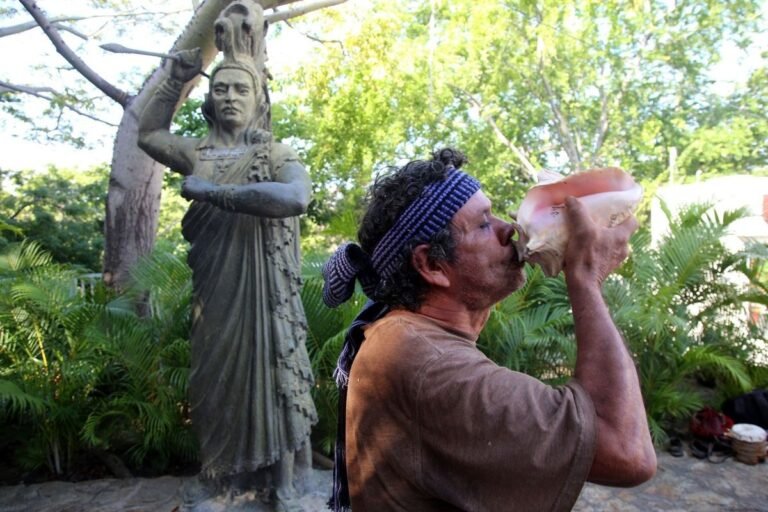
“Those lands were not empty, since they were populated by millions of native inhabitants who had lived on them for millennia,” notes Felipe Ávila.
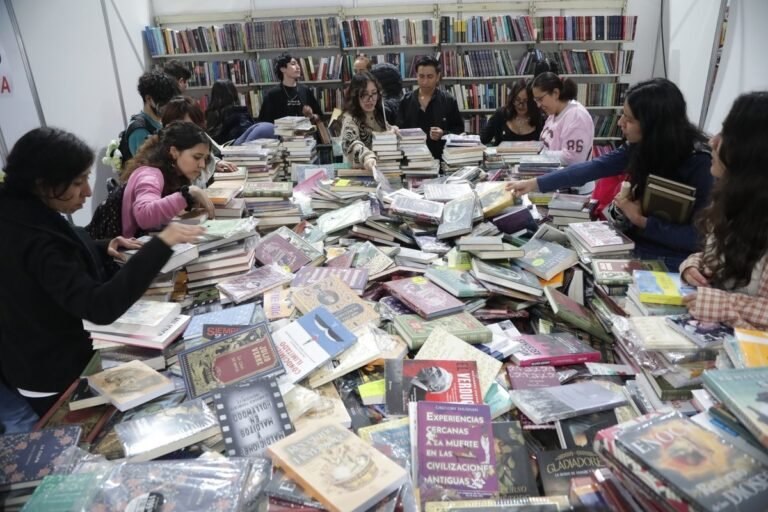
“Book fairs in Mexico are among the great gatherings that speak of how a people nourishes itself on books,” observes Poniatowska.

“That old man they give up for dead will return to the plazas if necessary. Get ready, because he has the strength to travel the country once more,” warns Páez Varela.
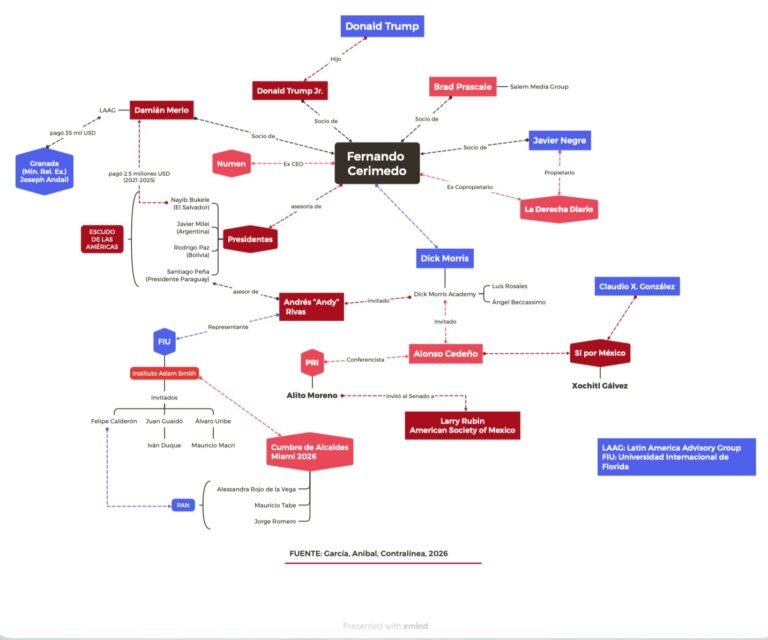
In Contralínea, Aníbal García Fernández shows how Cerimedo’s network reaches Mexico’s right-wing opposition, through the man who ran an anti-Morena group’s social media.
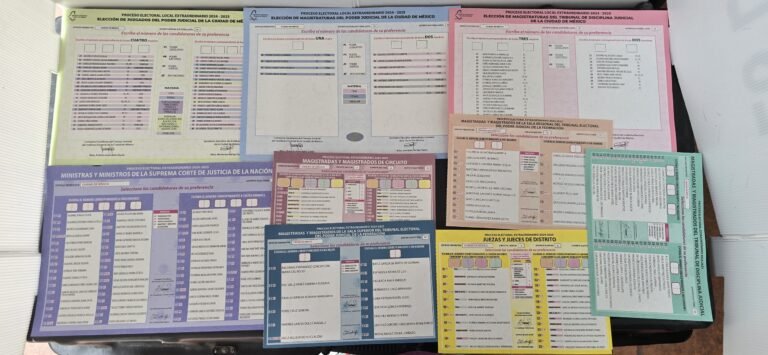
In part two of his paper, Luke Pickrell examines Mexico’s historic 2024 judicial reform: how Morena built mass trust while the PRI and PAN collapsed under neoliberalism and a failed drug war.
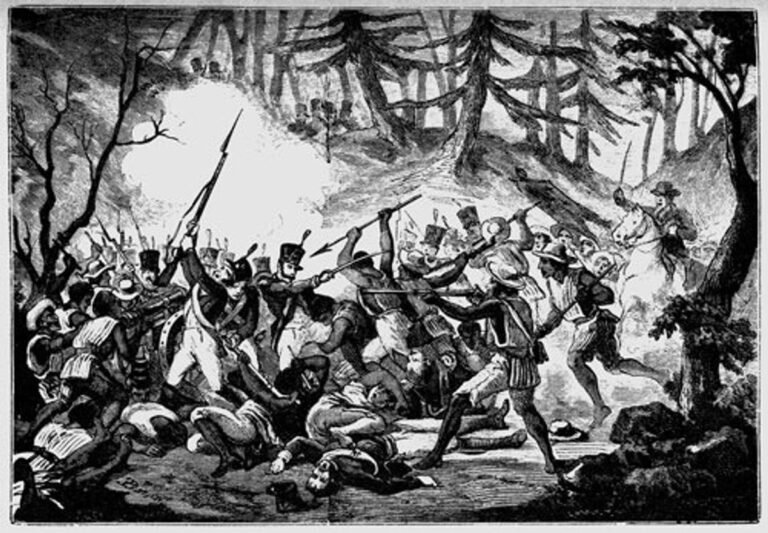
“Guerrero’s army was made up mostly of Black and mulato men who made possible the triumph of the insurgent cause,” writes Felipe Ávila, director of Mexico’s National Institute of Historical Studies of the Revolutions.
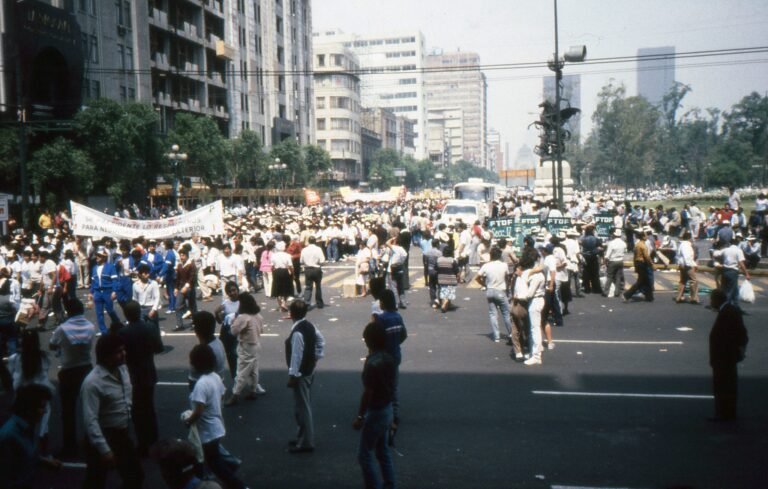
“Now, the companies hire thugs, some connected to cartels, to intimidate workers,” warns Meizhu Lui, co-founder of the Mexico Solidarity Project, in our latest bulletin, urging Mexico to recognize labor rights as human rights.
“The ultraconservative US elite that governs that divided country” engages in “fierce belittling and devaluation of the Mexican,” warns Linares Zapata.