The Women of Mexico’s War of Independence
We interviewed Dr. Pedro Salmerón for our weekly bulletin to talk about Mexican Independence: “Like the nomads of Mongolia, they all moved together. Women participated directly.”

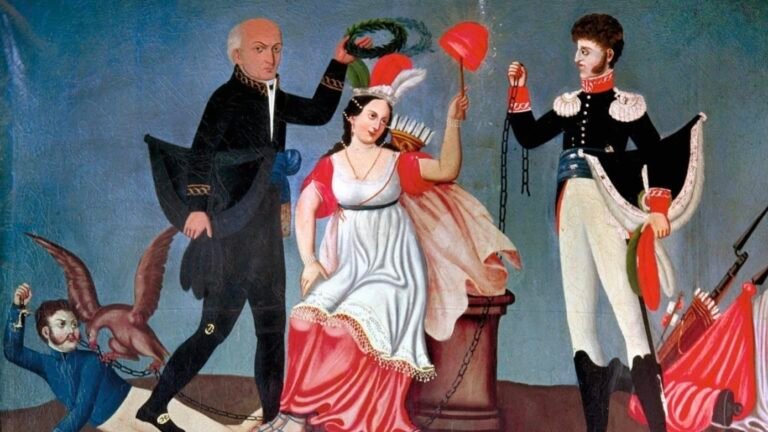
We interviewed Dr. Pedro Salmerón for our weekly bulletin to talk about Mexican Independence: “Like the nomads of Mongolia, they all moved together. Women participated directly.”
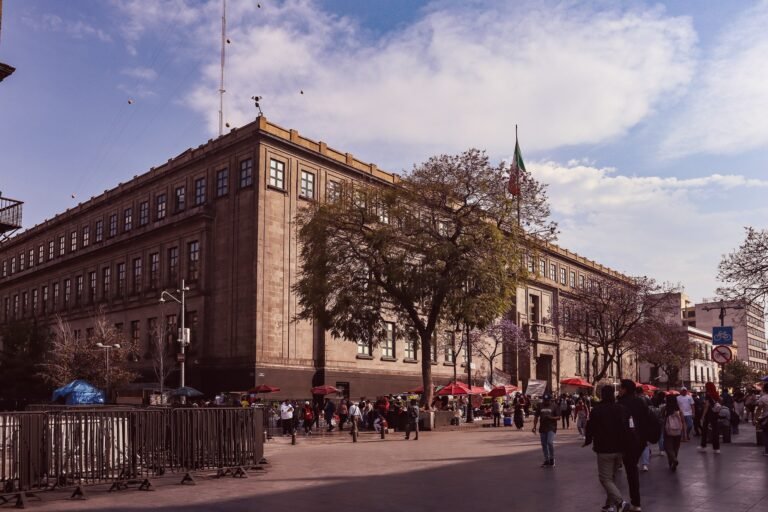
In part one of his paper, Luke Pickrell explores Mexico’s Supreme Court during the neoliberal period and argues it was made to serve the elite rather than the people.
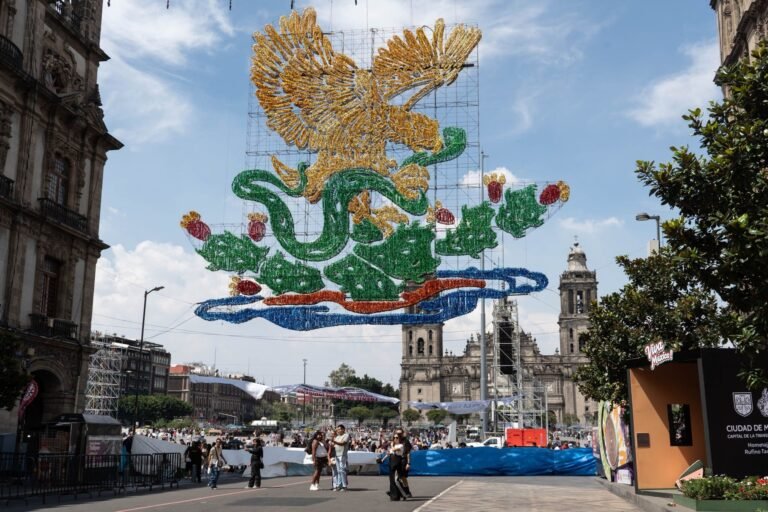
In her Second Government Report, President Sheinbaum frames defending Mexico’s sovereignty —territorial, energy, food, financial, commercial, health, scientific, and even space— as essential to preserving the nation’s freedoms.
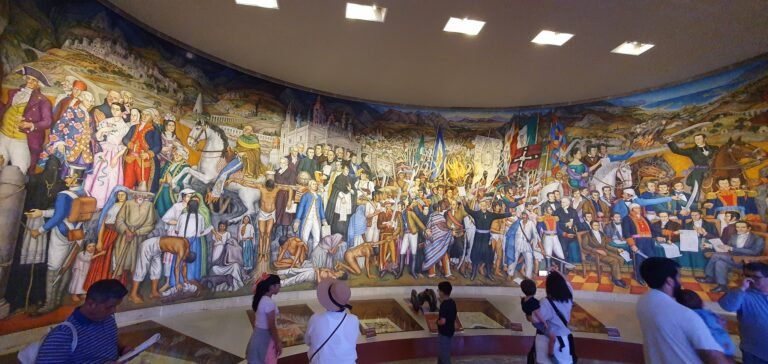
Felipe Ávila, who heads Mexico’s institute for the history of its revolutions, recounts how the 11-year war of independence abolished slavery and the caste system to found a free, sovereign nation.

“In 2027, Morena’s party structure will be a crushing machine,” Mellado writes.

“The support for Huerta was one of the greatest historical errors of the clergy and lay Catholics,” argues Ávila of the choice that helped ignite the Cristiada.
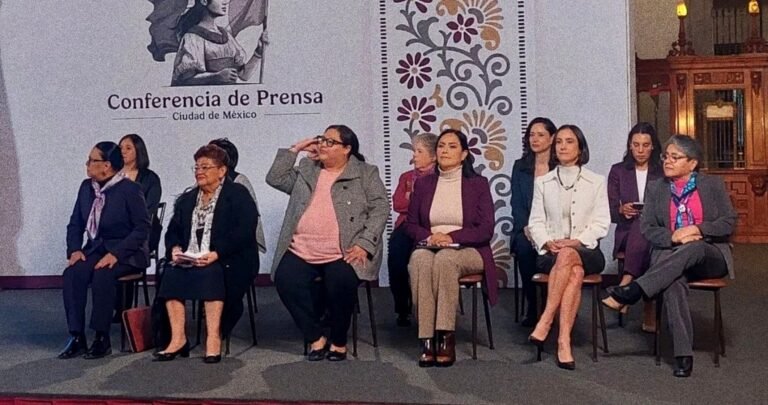
Two years into her term, President Claudia Sheinbaum has consolidated women in key posts across her administration.

Former presidents Calderón, Peña Nieto and Salinas de Gortari enjoy a golden retirement in Madrid, where figures like Elba Esther Gordillo also mingle.
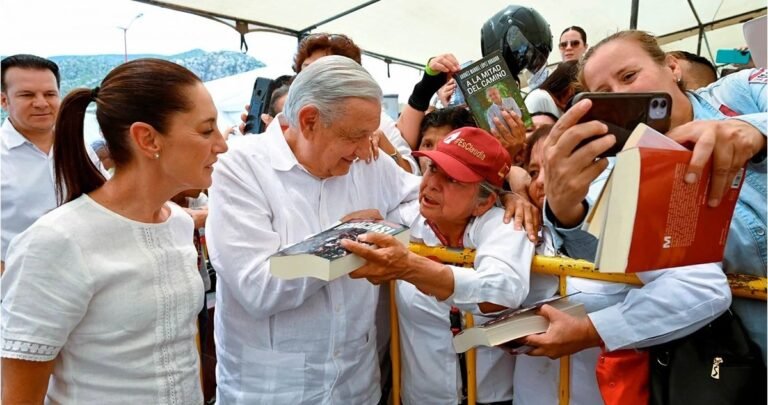
Columnist Fabrizio Mejía Madrid argues the real source of the 4T’s results under AMLO and Sheinbaum is moral authority: the consistency between values and daily conduct.
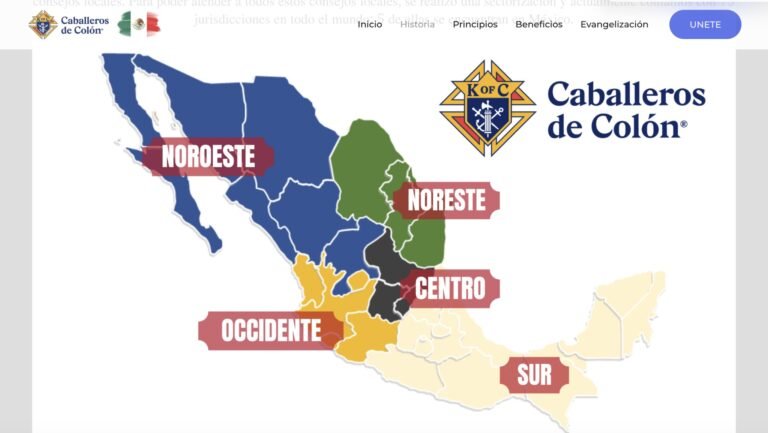
Declassified DFS files show how the far-right Knights of Columbus built a network in Mexico linking PAN members with businessmen, Catholic hierarchs, and foreign leaders.