Milpa Alta: Hands Over the City
This editorial by Luis Hernández Navarro was originally published in the December 23, 2025 edition of La Jornada, Mexico’s premier left wing daily newspaper. The views expressed in this article are the authors’ and do not necessarily reflect those of Mexico Solidarity Media, or the Mexico Solidarity Project.
There are times when art anticipates reality. To better understand the rampant urbanization in Mexico that is currently devastating the residents of Milpa Alta, it is worth watching the film Hands Over the City, by Italian film director Francesco Rosi.
Sixty-two years ago, in this film, Rosi told the story of a city that grows barbarously and gets rid of the “old” in order to “modernize” Naples. In a clandestine scheme, politicians, businesspeople, and public officials make huge profits by building new housing on agricultural land, altering municipal development plans, and increasing land values.
Rosi tells a story of corruption, bribery, fraudulent land rezoning, favoritism, and kickbacks. Without ambiguity, she portrays the implementation of a politics devoid of ethical principles, political parties that serve as real estate brokers, the lack of urban development policies, and the clash between public goods and private interests. Although the film is set in Naples, it could just as easily take place in Milpa Alta.

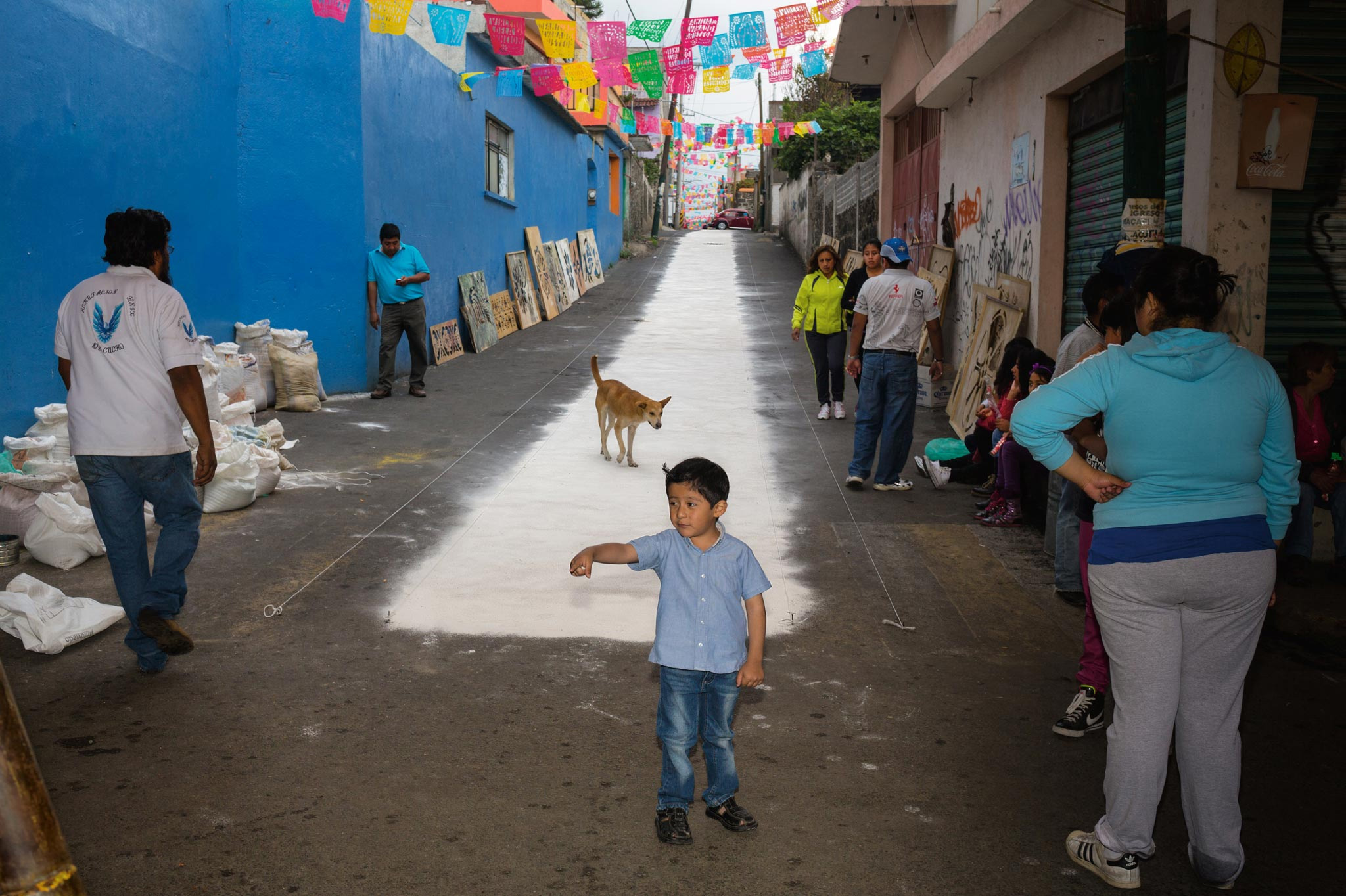
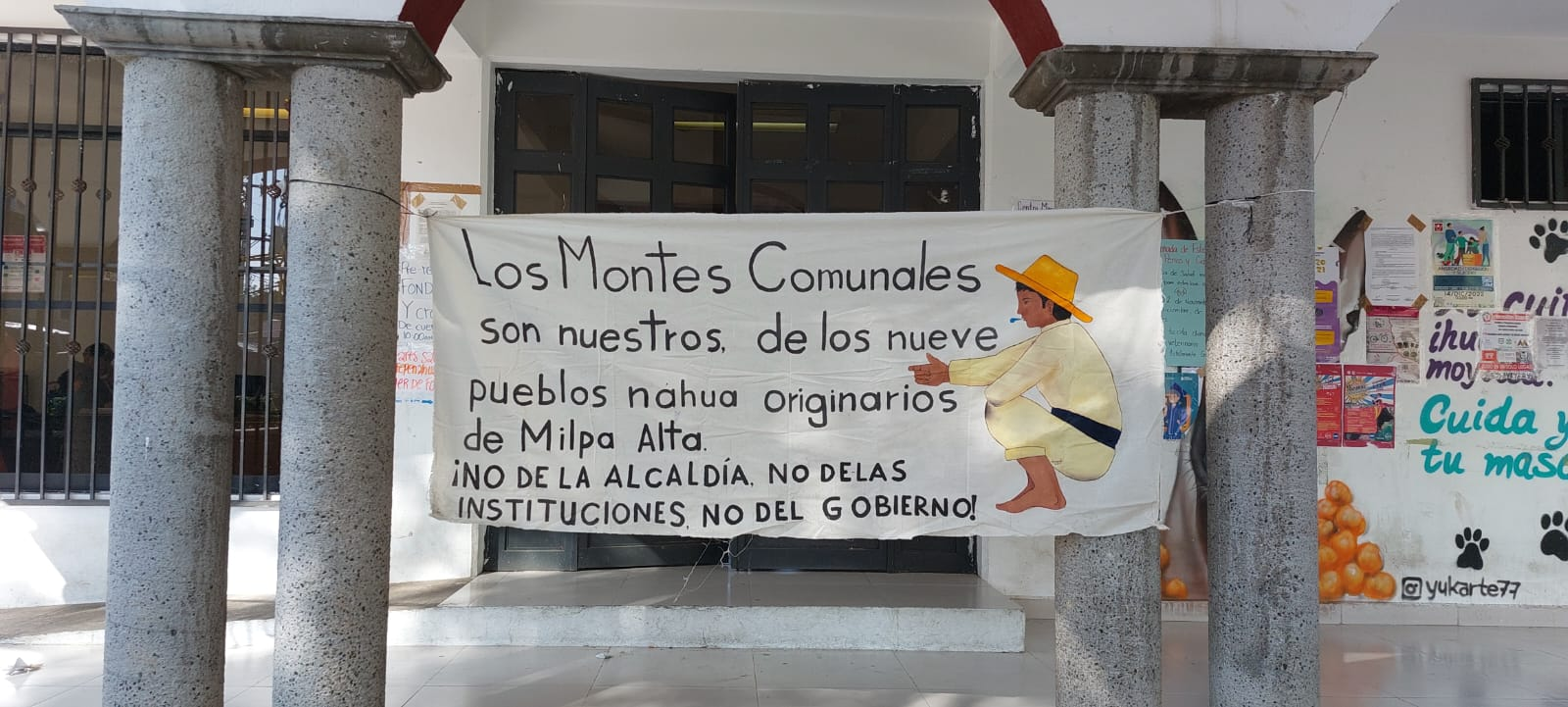
Milpa Alta is one of the boroughs that make up Mexico City. Nine Indigenous and other communities live and work there, identifying themselves as descendants of the city’s founders. Despite being in the heart of the city, they maintain vibrant normative systems, local culture, and a system of communal decision-making. For the past 55 years, they have withstood rampant urbanization driven by the name of “progress.”
Throughout this time, community members and residents have faced numerous challenges. In the 1970s, they successfully fought to conserve their forests and water against the Loreto and Peña Pobre paper mill. They reclaimed their agrarian organizations and ousted illegitimate representatives. The people vividly remember the resistance of the 1970s and 80s, when the National Coordinating Committee of the Plan de Ayala (CNPA) was founded in Milpa Alta. In an episode worthy of a contemporary Fuenteovejuna, in 1980, Daniel Chícharo, a community representative from Milpa Alta, a man both feared and despised, was set on fire by community members during a meeting. He died a few hours later.
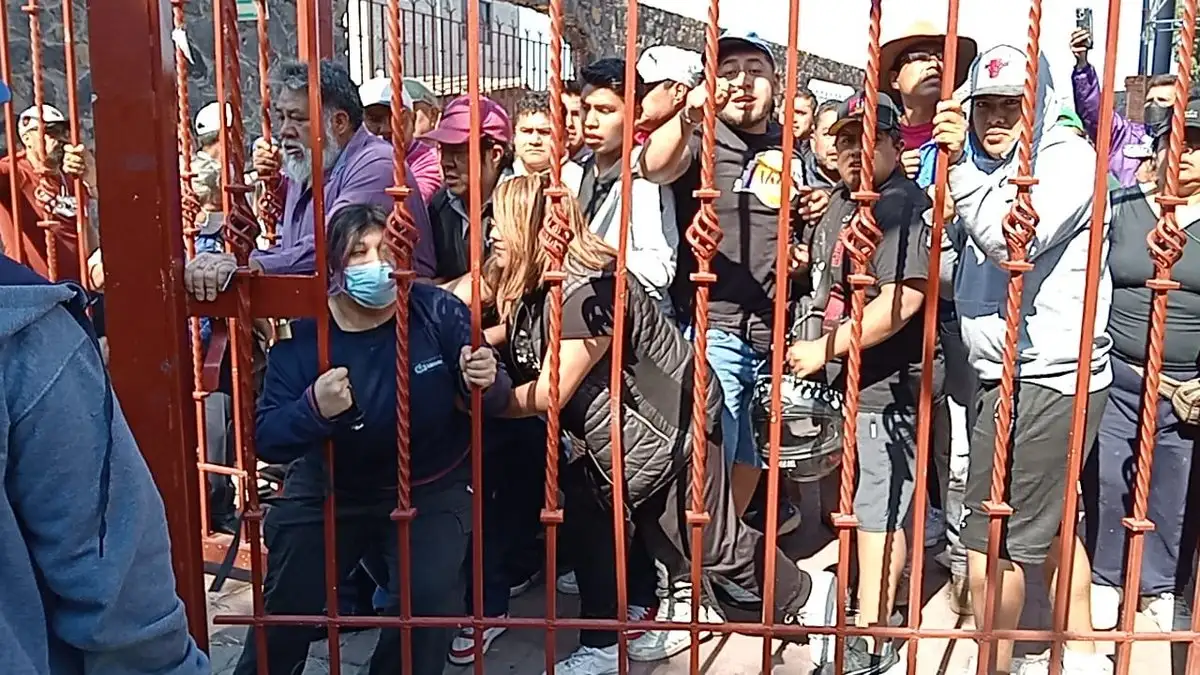
The most recent episode in this ongoing conflict between the interests of real estate developers and the residents defending their land and territory took place at noon on December 21st. That day, a minority group attempted to force a closed-door extraordinary assembly in the town square of San Francisco Tecoxpa. Their objective was to approve the Cablebús Line 6 project by a show of hands.
As denounced by the original members of the Milpa Alta Indigenous Agrarian Community, the meeting was not a community assembly, but a sham. It was convened illegally, without legitimate representation, and in blatant violation of Article 27 of the Constitution, the Agrarian Law, and the agrarian community’s bylaws. They point out that today there is no legal representation that can convene an assembly of community members. Therefore, what occurred was not an assembly, but an imposition.
According to Carlos González, the community’s legal advisor for many years, the entire process was flawed from the start. He says, “The approval of the protocol on December 10th, without the community’s knowledge, was a farce. The informational phase took place on December 15th. It lasted barely two hours. The assembly was neither convened nor publicized.”
He explains: “What hurts the residents who oppose the Cablebús the most is that Milpa Alta is made up of nine towns and has a dual character: indigenous and communal. Regarding land ownership, according to Article 27 of the Constitution, only the general assembly of communal landowners from the nine towns of Milpa Alta can decide the fate of their lands. But the government denies this right. They say no, they only want the Indigenous consultation, which the communal landowners consider a sham.”
And –he adds– “in the indigenous sector, the government has created convenient interlocutors and traditional authorities. The correct course of action would be to consult the community of Milpa Alta, made up of its nine villages.”
The alleged representative of San Francisco Tecoxpa, one of the nine communal villages, is Luis Linares. He was the one who convened the spurious assembly last Sunday. He presents himself as an auxiliary communal representative, but no one knows how he obtained his appointment. No one remembers an assembly being held to appoint him. In 2018, Don Julián Flores, the general representative of the nine villages, died. At that time, Linares impersonated the general representative, but the District 8 Unitary Agrarian Court rejected his claim.
The community members allege that Linares has enriched himself by managing forestry brigades that receive funding from CORENA and are staffed by ghost employees. These ghost employees and their families, along with other beneficiaries of various government programs, were forced to attend the assembly on the 21st. Furthermore, he controls taxi stands and street vendors. He is allied with Mayor Octavio Rivero Villaseñor, a figure who, to put it mildly, has generated much controversy.
The proposed land-use plan that was attempted two years ago in Milpa Alta, but which was halted by the community, indicated, based on various studies, that if the mass transit infrastructure network expands (as would be the case with the Cablebús), the land use coefficient (CUS) would increase from 0.2 to 2.4. This represents a projected 400 percent increase in construction. Increasing building density in this way would lead to uncontrolled urban sprawl and the destruction of remaining rural areas.
In the words of one community member, the Cablebús is not a mobility project, it’s an urbanization project. Milpa Alta is today the Nahuatl version of Francesco Rosi’s film Hands Over the City.
-
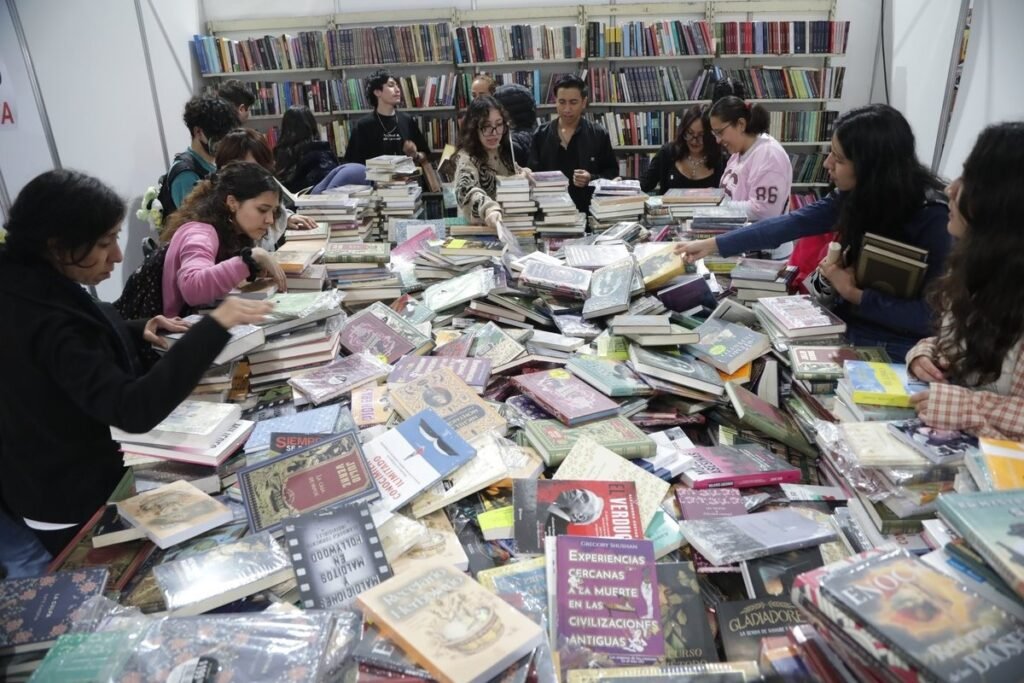
Mexican Book Fairs
“Book fairs in Mexico are among the great gatherings that speak of how a people nourishes itself on books,” observes Poniatowska.
-
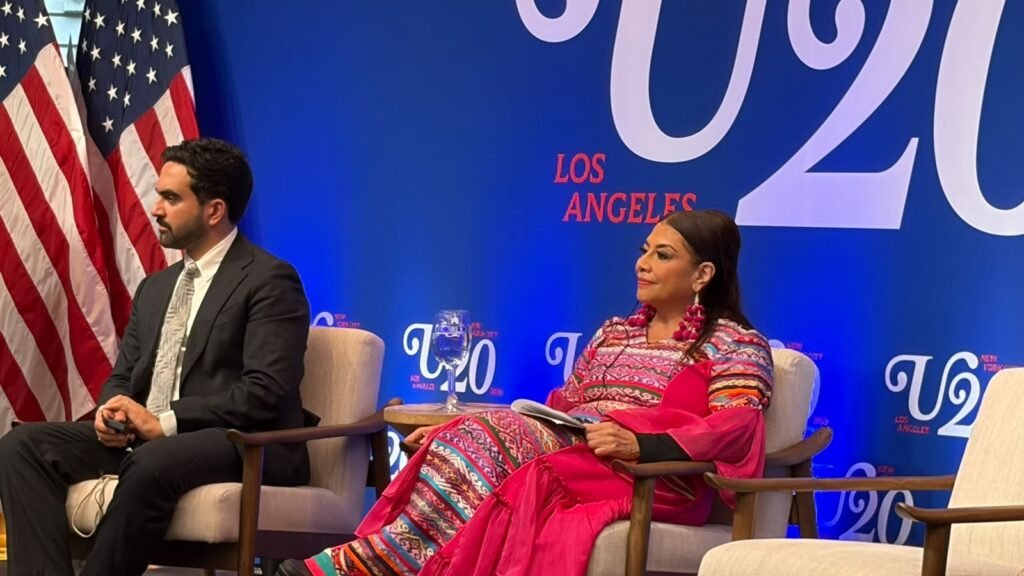
Brugada Reaffirms the Right to Housing at the Urban 20, in NY
Beside New York mayor Zohran Mamdani, Brugada said nearly half a million people left housing poverty in Mexico City since 2018, and urged a global housing coalition.
-
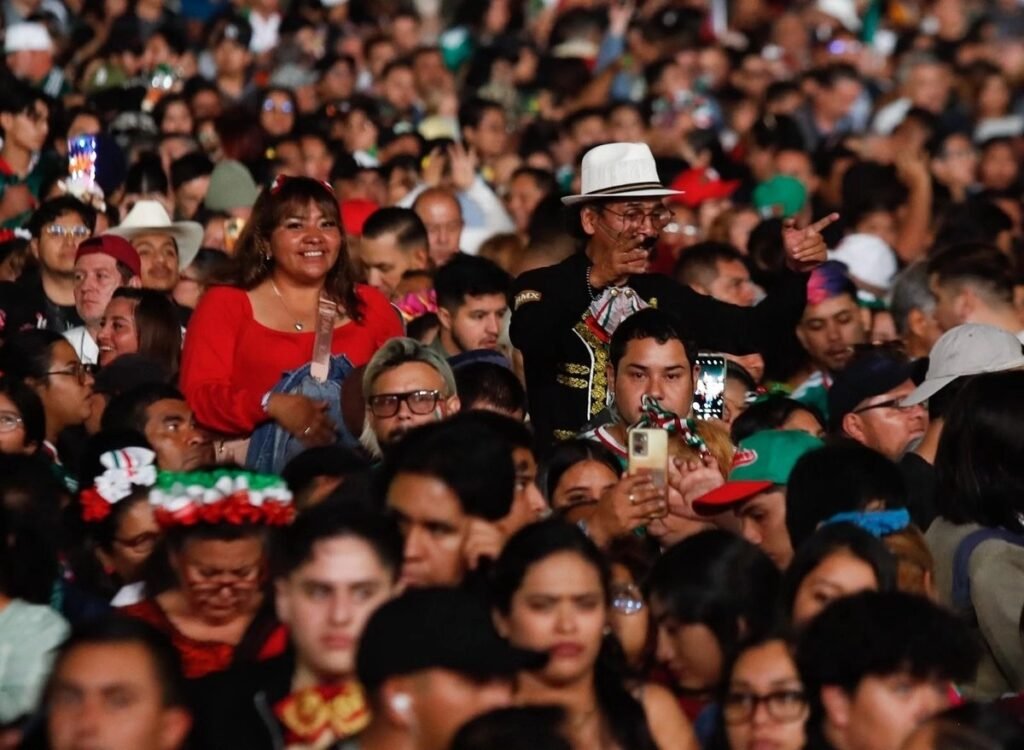
Claudia Sheinbaum’s Cry at the Zócalo Drew More Than 300,000 Attendees: Mexico City Authorities
Mexico City’s government reported that more than 300,000 people packed the Zócalo for Sheinbaum’s Cry of Independence, with celebrations spilling into boroughs across the capital.