Mexico City Government Claims Will Not Use Violence Against Migrants in Vallejo
This article by Alejandro Cruz Flores originally appeared in the February 25, 2026 edition of La Jornada, Mexico’s premier left wing daily newspaper.
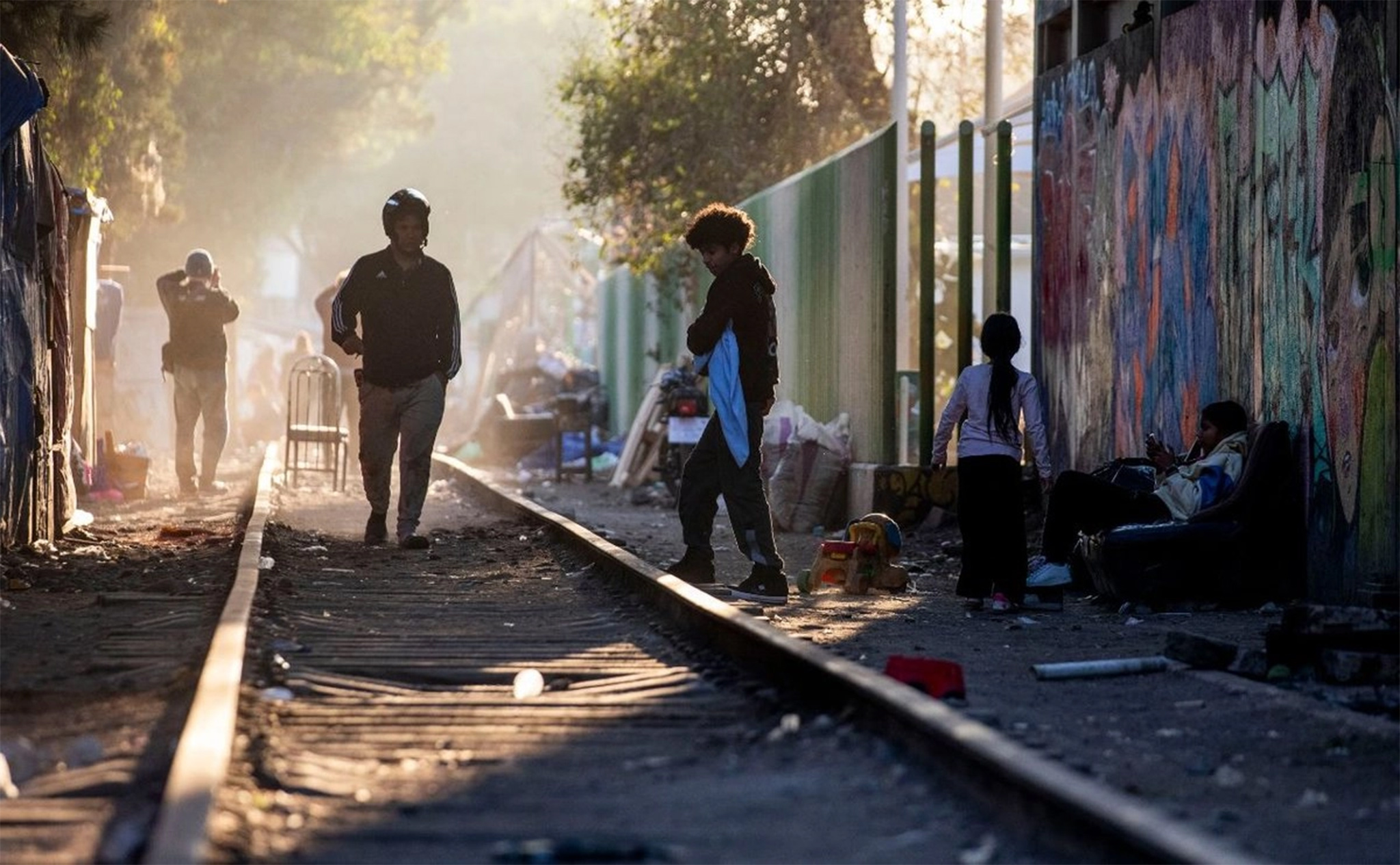
Mexico City. The Mexico City government assured that the migrant encampment in the Vallejo area will be dismantled through dialogue.
“This is in no way about attacking migrants, but it must be said that they do not want to leave the streets to go to a better place,” said the head of the capital’s government, Clara Brugada.
In that regard, she said that he continues to talk with the families who are there to reach agreements and convince them to go to a shelter with better living conditions.
“The goal is not to do anything violent, but to coordinate and talk with them,” said the head of the local executive, who added that her administration is addressing the issue with full guarantee of the human rights of that population.
In that regard, she emphasized that actions have been taken for their benefit, such as the creation of a registry; they were given a credential so that they can have access, for example, to health services; it has even been guaranteed that the children can enter any school in the city.
In that regard, the local government secretary, César Cravioto, indicated that of the 3,000 migrants who had been sleeping on the streets at the beginning of this administration, only 200 remain in that situation.
He added that an agreement was signed with the federal Ministry of Public Education so that all minors in shelters can attend school.
He added that in the case of the Vallejo camp, there are organizations interested in keeping it open, so they have filed injunctions, even though no human right can be fully realized while living in those conditions.
A Better Place
The government has taken steps to ensure better living conditions in shelters, where they have a bed, a roof, spaces to cook, and support to go to hospitals when needed.
“Also, I have to say this. Inside the shelter there are rules, and then there is some substance use, and it’s the parents who don’t want their children to go to a shelter. But we think they should think about their children.”
He noted that the camp is located next to a railway line, where unsafe conditions have also been detected for the families living there.
-
A Hundred Years After ‘La Cristiada’
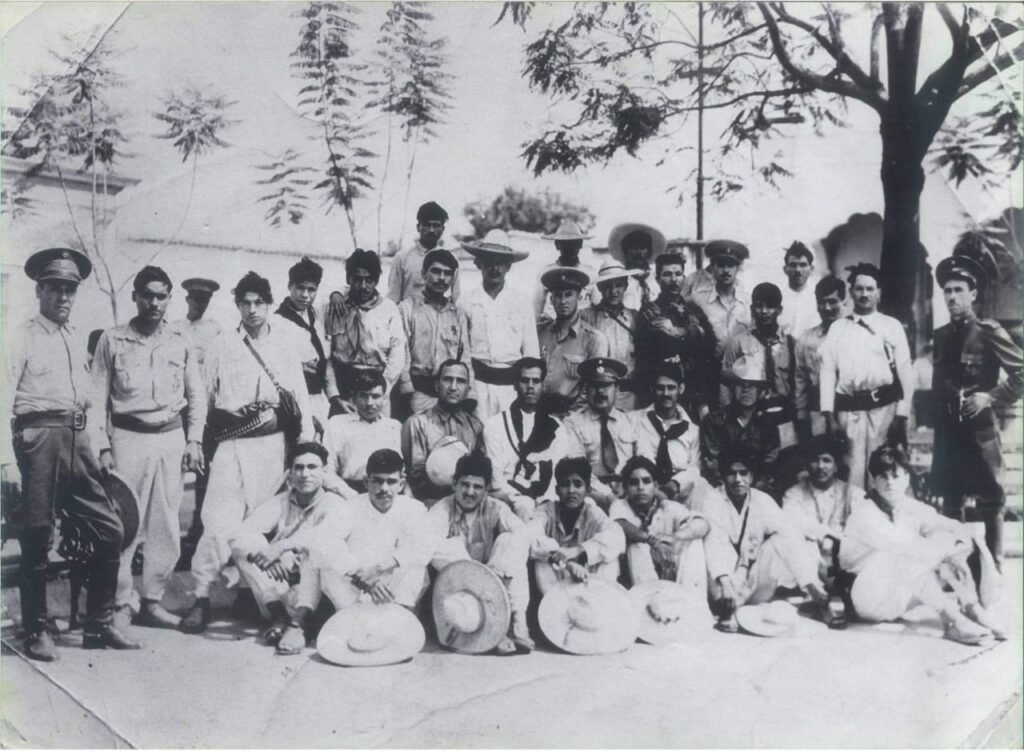
“The Cristero War stands as an example of the high cost that political struggles among the elites of power can have for society when they act irresponsibly,” concludes Meyer.
-
The Normalization of the Abnormal
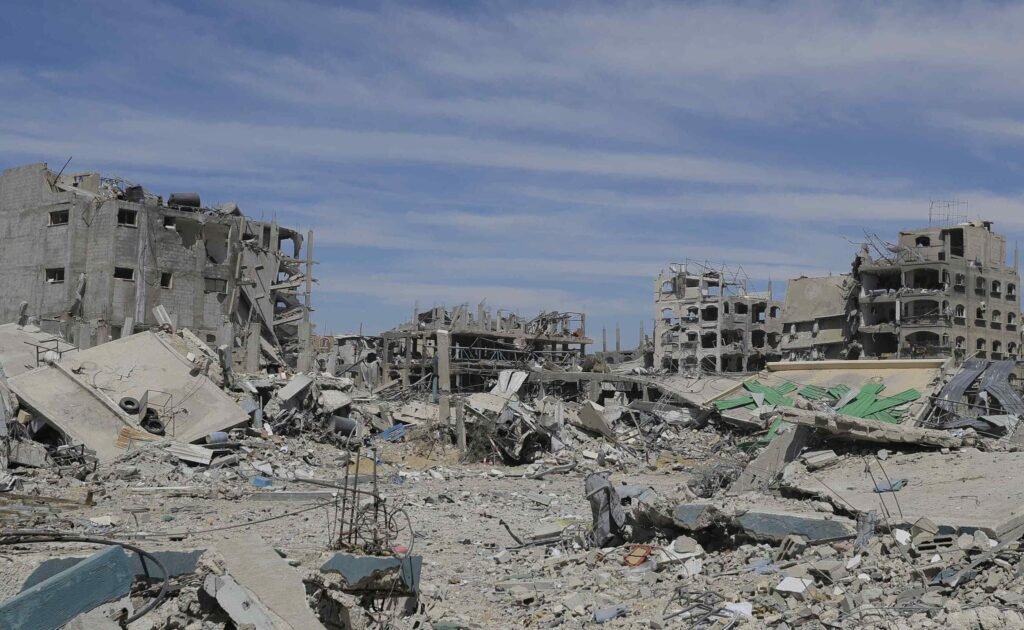
Palestine’s ambassador to Mexico, Nadya Rasheed, denounces the normalization of genocide in Gaza: more than 73,000 Palestinians killed, homes, schools and hospitals destroyed, water poisoned — and a world that looks away.
-
Peña Nieto Filmed Next to Controversial Israeli Contractor
Former Mexican president Peña Nieto was filmed wearing a kippah at a Jewish wedding in Italy, seated beside Avishai Neriah, the Israeli businessman an outlet accused of channeling $25M to him for Mexican government contracts, including Pegasus.