Yoreme Communities Halt Start of Mega-methanol Project in Ohuira Bay
This article originally appeared in the April 25, 2026 edition of Desinformémonos.
Indigenous Yoreme residents of Ohuira Bay prevented the laying of the first stone for the Mexinol methanol plant in Topolobampo, Sinaloa, amidst the imposition of megaprojects without prior consultation and growing tension over the advance of energy investments in Indigenous territories. The disruption occurred during the official ceremony led by Governor Rubén Rocha Moya, whom the residents confronted with slogans of rejection and demands for respect for their territory.
During the meeting, the state governor acknowledged the possibility of canceling the project and affirmed that “the people are in charge,” while also committing to request that the federal government conduct a prior, free, and informed consultation. The Mexinol complex, backed by U.S. capital, aims to produce 1.8 million tons of blue methanol and 350,000 tons of green methanol annually in an area considered strategic within the so-called development hubs of northern Mexico.
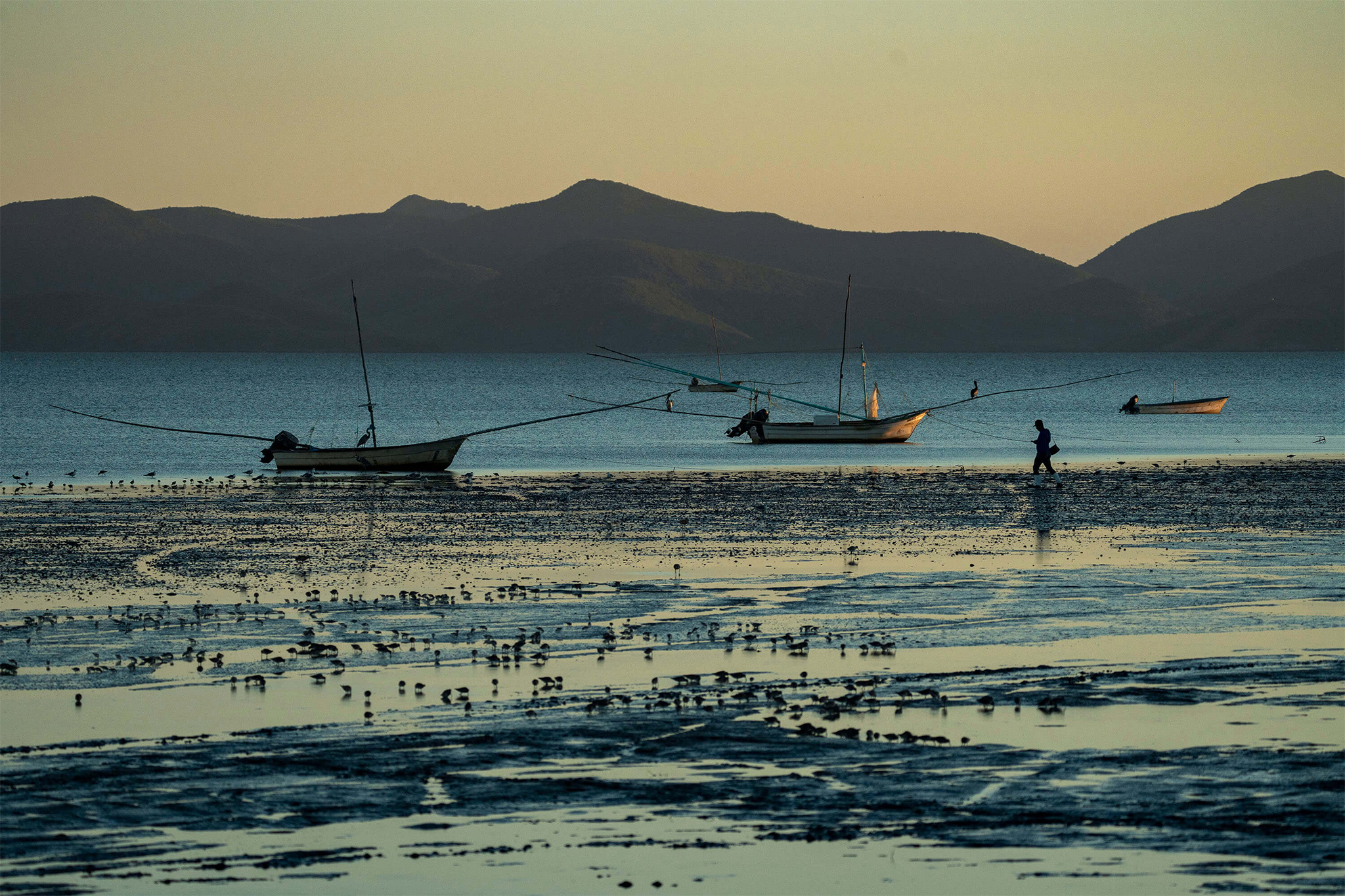
The communities pointed out that Ohuira Bay is Indigenous territory and a highly important ecosystem for fishing and the environment, recognized as a Ramsar site. “This is not a conflict against development. It is the defense of a way of life that depends on the sea and the right of the people to be consulted before projects of this magnitude are imposed,” they stated. Meanwhile, the United States ambassador to Mexico warned that canceling the project would send a negative signal to foreign investment, highlighting the international pressure on these types of initiatives.
The attempt to impose Mexinol adds to other industrial projects in the region that have been challenged by Indigenous communities. In the same bay, the Supreme Court of Justice of the Nation canceled the environmental permit for an ammonia plant in 2022 due to a lack of consultation, while organizations have denounced irregular processes and sham consultations in subsequent exercises. Faced with this situation, the communities continue to defend their territory against a model that prioritizes energy investment over the rights of Indigenous peoples.
The full statement follows:
Indigenous people prevent the laying of the first stone for a Texan megaproject in Ohuira Bay, Sinaloa
Residents of the Yoreme-Mayo indigenous communities in Ohuira Bay successfully prevented the laying of the first stone for the Mexinol methanol plant in the port of Topolobampo , Sinaloa. Yesterday’s event was disrupted by protesters chanting “Not here!” and confronting Governor Rubén Rocha Moya, who initially tried to convince them that the project would be part of the development hub for the port of Sinaloa.
In an interview with La Jornada, Rocha Moya acknowledged the possibility of the project’s cancellation, stating, “We will now seek to do the right thing, what is planned, because the people are in charge.” In response to questions from representatives of the Indigenous communities, the state governor pledged to request that the federal government, through the appropriate agency, conduct a prior, free, and informed consultation with the Indigenous peoples.
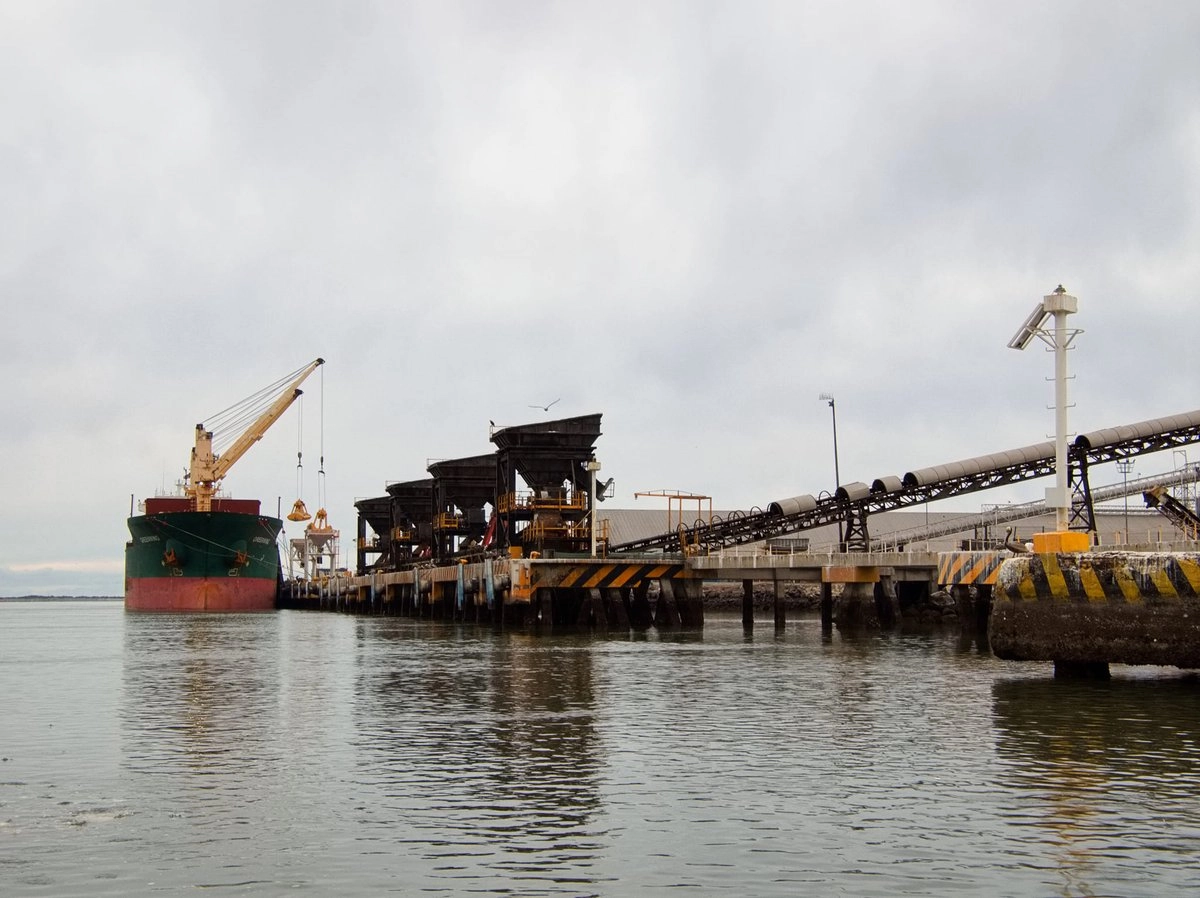
Topolobampo is a port in northern Sinaloa designated by the federal government as one of the supposed “development hubs” and is part of Plan Mexico. The Mexinol industrial complex, which would be the world’s largest methanol plant, aims to produce 1.8 million tons of blue methanol and 350,000 tons of green methanol annually, both key products for the chemical and fuel industries.
Ohuira Bay is not only an Indigenous territory, but also an area of high ecological and fishing importance, internationally recognized as a Ramsar Site . “This is not a conflict against development. It is the defense of a way of life that depends on the sea and the right of communities to be consulted before projects of this magnitude are imposed,” stated those opposed to the energy megaprojects in this region.
Mexinol is a company with primarily U.S. capital. It is part of the Transition Industries LLC group, headquartered in Houston, Texas. U.S. Ambassador to Mexico Ron Johnson warned yesterday from Los Mochis that the suspension of the Mexinol project sends a negative signal to foreign investment. According to the ambassador, the project is part of Trump’s priority to strengthen energy security.
It’s worth noting that in the same bay, the Swiss-German consortium Proman is building the largest ammonia plant in Latin America. In 2022, the Supreme Court of Justice of the Nation (SCJN) canceled the environmental permit for this project because Indigenous communities had not been consulted. A consultation, carried out by the Ministry of the Interior (Segob), the Ministry of Environment and Natural Resources (Semarnat), and the National Institute of Indigenous Peoples (INPI) that same year, has been strongly criticized by the Mayo-Yoreme communities and civil society organizations, who allege that the Indigenous consultation was imposed, lacked transparency, and was designed to justify an ammonia project at the expense of their human rights and the environment. Fifteen communities participated in the consultation, most of which are not located within the area of environmental impact. Following the de facto establishment of the plant, in March 2026, a commission of defenders traveled to Germany to file a complaint against the investors.
Furthermore, in March 2026, the US company Sempra canceled the Vista Pacífico LNG project, a liquefied natural gas terminal also planned for Topolobampo, with the goal of exporting gas to Asia. This decision has been celebrated by environmentalists who defend the Gulf of California, a region considered one of the richest in marine biodiversity on the planet. The development also faced obstacles related to the region’s energy infrastructure, such as the incomplete gas pipeline in the Yaqui region.
-
Sheinbaum Presents Draft Decree to Force Digital Platforms to Take Down Content That Incites Violence and Hate
No fines for now: the government will talk with tech companies before publishing the decree next week, a promise made after the Coahuila school attack.
-
People’s Mañanera October 9
President Sheinbaum’s daily press conference, with comments on digital safety, IMSS-Bienestar, sovereignty, and the opposition.
-
Mexico’s Gas Reserves Would Last Only 3 Days
Cenagas director Cuitláhuac García revealed Mexico has no gas storage and imports 75% of what it consumes, after a US supply cut exposed the risk.