
Sheinbaum: Rejection of Electoral Reform Not a Defeat, Will Present Plan B
This article by Alma E. Muñoz and Alonso Urrutia originally appeared in the March 12, 2026 edition of La Jornada, Mexico’s premier left wing daily newspaper.
Mexico City. Declaring the rejection of her electoral reform a defeat, Mayor Claudia Sheinbaum Pardo announced that on Monday she will send Plan B to Congress, which includes constitutional reforms aimed at eliminating privileges. These reforms include capping the resources allocated to local deputies and municipal council members; expanding public consultations to encompass electoral issues such as political party budgets; and holding recall elections in the third or fourth year of the mayoral term.
She said that with the maximum limit, around four billion pesos would be reduced “and it’s not for the Federal government, it would stay in the municipalities and in the states of the Republic.”
She explained that Plan B involves reducing privileges in local legislatures, citing the high costs per legislator. In Baja California, with 25 representatives, for example, the cost is 34.8 million pesos; Colima, 5.1 million pesos; Morelos, 31.8 million pesos; and Campeche, 6.1 million pesos.
She questioned why some legislators earn seven times more than others. Therefore, “our proposal is to set a maximum limit on the amount of budgets allocated to local congresses and to redirect those resources to address needs in states and municipalities.”
She also questioned the number of council members, some of whom receive excessive salaries due to bonuses. For example, there are 20 in Acapulco, 28 in Monterrey, 23 in Puebla, and some municipalities even have three trustees. Why so many? At one time, “they were quotas,” she maintained.
The country “doesn’t need it,” so she argued that there must also be a limit and those resources would go to local public works. “There can’t be excesses. Plan B involves continuing to reduce privileges.”
She asserted that another objective is to broaden citizen participation in public consultations, proposing to consult the public on the amounts allocated to political parties and other electoral matters. “That is democracy.”
Regarding the recall of mandate, it should be carried out in the third or fourth year of government.
“I hope it happens, if it doesn’t, it’s not the end of the world, but we have a mandate, a conviction and a principle: we do not forget where we come from.”
She argued that who could possibly disagree with allocating more resources to address people’s needs? “Let’s not forget, the goal of this transformation is to eradicate the regime of corruption and privilege, and we are making progress.”
-
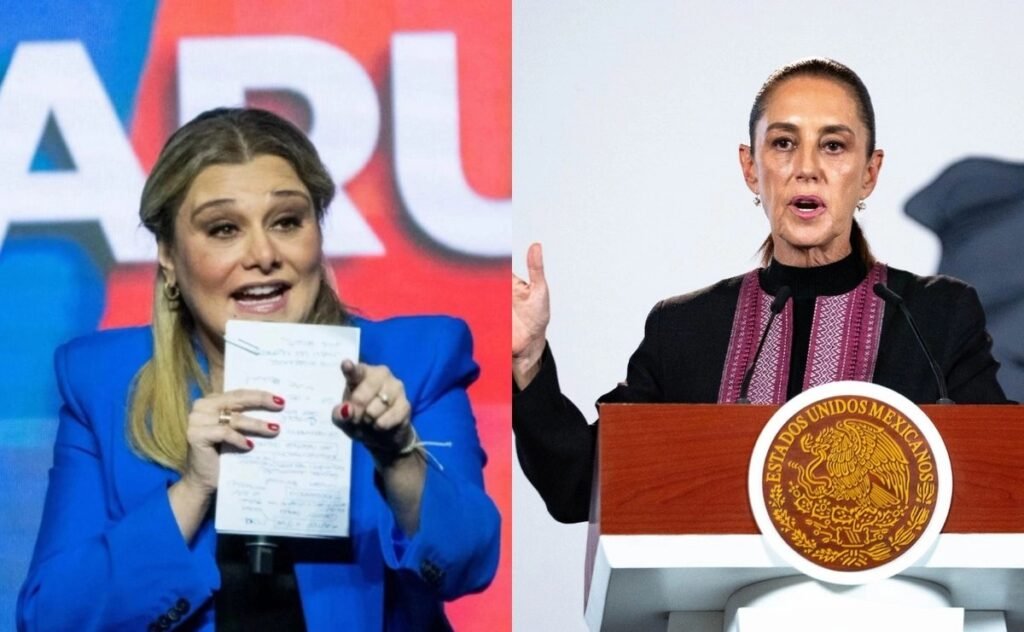
Sheinbaum Meets Privately with Maru Campos on Her Arrival in Ciudad Juárez
If any law was broken in the drug operation involving CIA agents in Chihuahua, those responsible, including state officials, must be prosecuted, the two agreed.
-
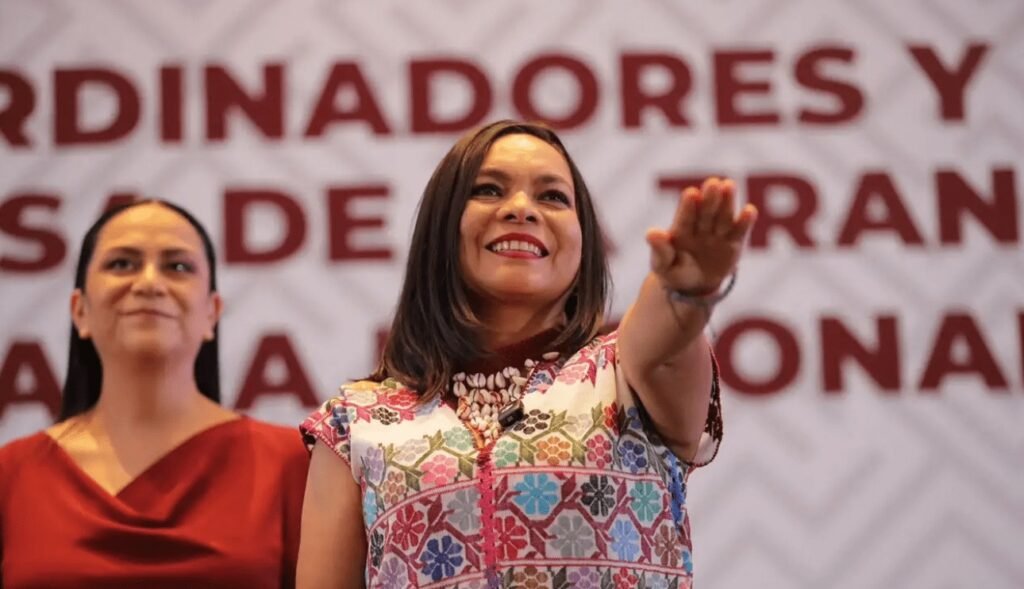
Beatriz Mojica: From Criticizing AMLO to Coordinating Morena in Guerrero
The senator on leave is Morena’s pick for governor of Guerrero in 2027, after a career that includes the PRD and her 2018 support for Ricardo Anaya.
-
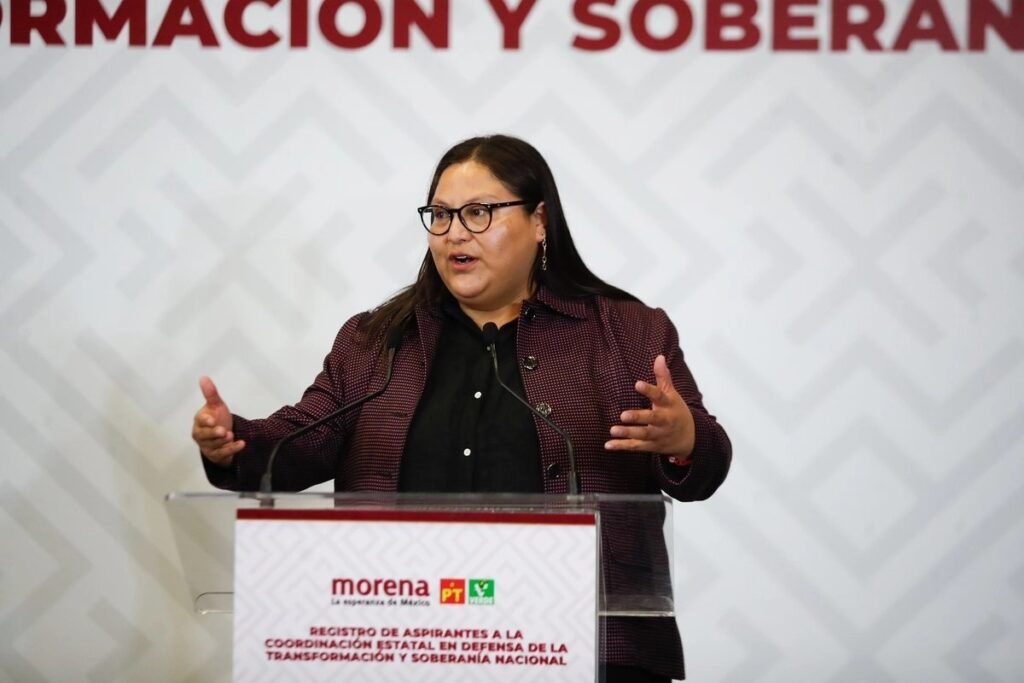
Morena’s Elections Commission Chief: Differences Are Natural to a Living Party
Amid criticism over the 10 chosen profiles, Citlalli Hernández, president of Morena’s National Elections Commission, defended the differences as natural to a living party.