Trump Launches Investigation into Mexico for Excessive Manufacturing Capacity & Production
This article by Noi Mahoney originally appeared at Freight Waves on March 12, 2026.
The Trump administration has opened a new set of trade investigations targeting 16 trading partners — including Mexico and China — over alleged unfair trade practices and industrial overcapacity that the White House says is undermining American manufacturing.
The investigations, announced by the Office of the United States Trade Representative (USTR) on Wednesday, are being conducted under Section 301 of the Trade Act of 1974, a law that allows the U.S. government to impose tariffs or other trade penalties if foreign policies are found to harm domestic commerce.
The probe will examine whether the targeted economies are producing more goods than their domestic markets can absorb and exporting the surplus to the U.S. — potentially suppressing wages, distorting prices and discouraging investment in U.S. factories.
U.S. Trade Representative Jamieson Greer said the investigations will determine whether policies such as government subsidies, state-owned enterprises or labor practices create unfair advantages for foreign producers.
Mexico Faces Scrutiny Despite USMCA
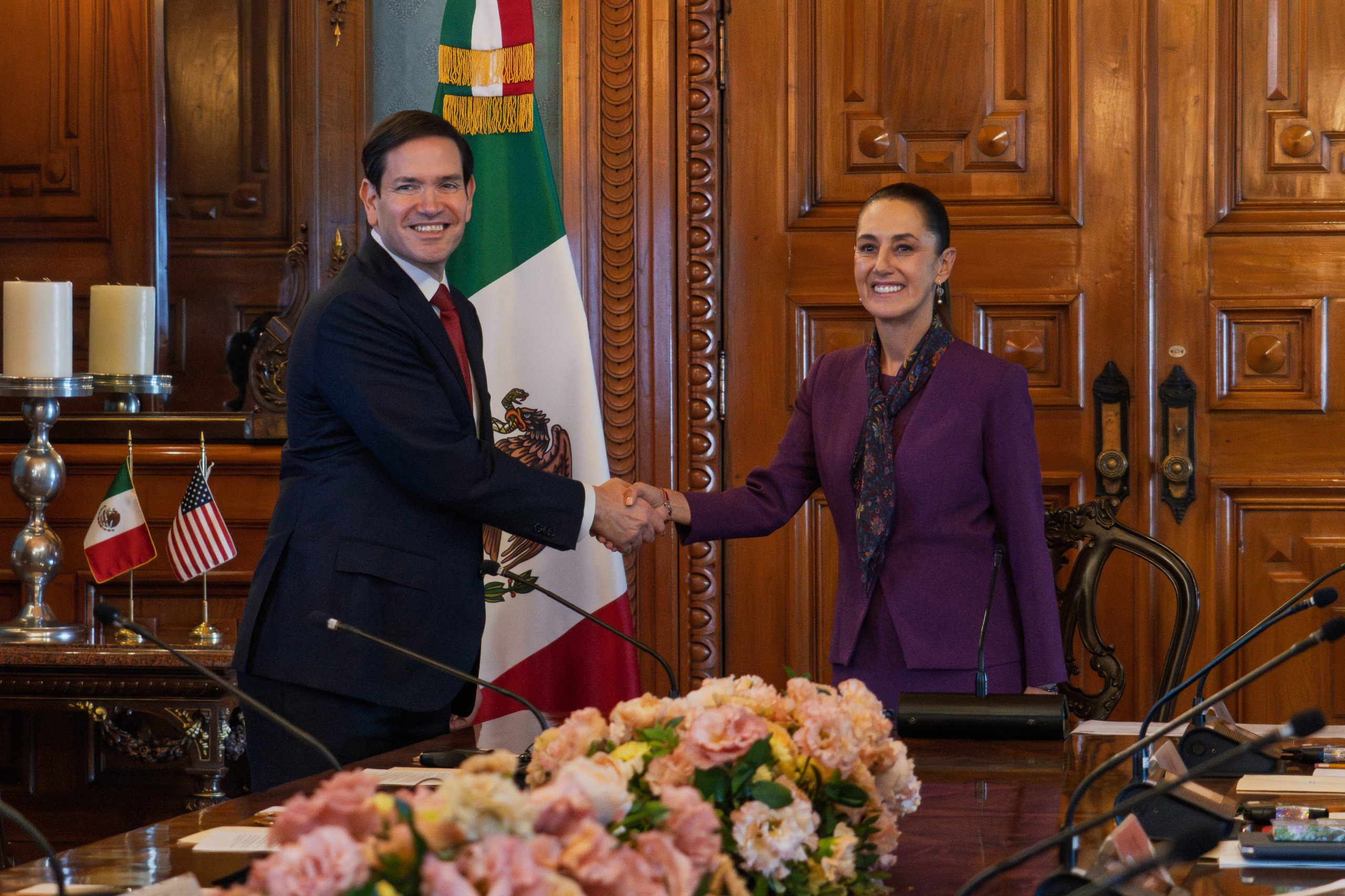
Mexico’s inclusion in the probe could complicate trade relations within the United States-Mexico-Canada Agreement (USMCA).
U.S. officials say the investigation will examine whether certain industries in Mexico are producing more goods than domestic demand can absorb and exporting excess supply into the U.S. market.
The move comes just days before the scheduled start of the USMCA’s formal review process, highlighting growing tensions between Washington and its largest trading partner.
Mexico has become the top U.S. trading partner, with commerce between the two countries increasing 3.9% year over year to $872.83 billion in 2025. But U.S. officials argue that manufacturing overcapacity in some sectors could still distort trade flows.
China Remains Central Target
The U.S. has long accused China of subsidizing key industries, creating large manufacturing surpluses that flood global markets. These concerns have driven years of tariffs and trade disputes between the two countries.
Section 301 tariffs imposed during Trump’s first administration — and largely maintained by subsequent administrations — remain in place today and cover hundreds of billions of dollars in Chinese imports.
The new investigation could lead to additional tariffs or expanded restrictions on Chinese goods.
Tariffs Tied to Supreme Court Ruling
The investigations follow a recent Supreme Court decision striking down some tariffs imposed by Trump under emergency economic powers.
After the ruling, the Trump administration imposed new temporary trade penalties on U.S. trading partners under Section 301. The temporary tariffs are scheduled to expire after about 150 days unless extended.
USTR will open a public comment period on Tuesday, with hearings scheduled to begin May 5 on the new probe. Officials expect the investigations to conclude within roughly 150 days.
-
A Hundred Years After ‘La Cristiada’
“The Cristero War stands as an example of the high cost that political struggles among the elites of power can have for society when they act irresponsibly,” concludes Meyer.
-
The Normalization of the Abnormal
Palestine’s ambassador to Mexico, Nadya Rasheed, denounces the normalization of genocide in Gaza: more than 73,000 Palestinians killed, homes, schools and hospitals destroyed, water poisoned — and a world that looks away.
-
Peña Nieto Filmed Next to Controversial Israeli Contractor
Former Mexican president Peña Nieto was filmed wearing a kippah at a Jewish wedding in Italy, seated beside Avishai Neriah, the Israeli businessman an outlet accused of channeling $25M to him for Mexican government contracts, including Pegasus.