Organized Crime & Capitalism
This editorial by Raúl Romero originally appeared in the March 14, 2026 edition of La Jornada, Mexico’s premier left wing daily newspaper.
It is a common and deliberate misconception to think that drug trafficking and organized crime are the same thing; and that, due to their “illegal” nature, both drug trafficking and organized crime are anomalies that the system combats to guarantee legality and security. Drug trafficking is understood as the trafficking of illegal drugs, which involves cultivation, manufacturing, distribution, and sale. Organized crime, on the other hand, refers to “a continuing criminal organization that operates rationally to profit” from activities such as drug trafficking, human trafficking, migrant smuggling, organ trafficking, illegal firearms sales, illegal trafficking of natural resources and wildlife, money laundering, product counterfeiting, extortion, and protection rackets, to name a few.
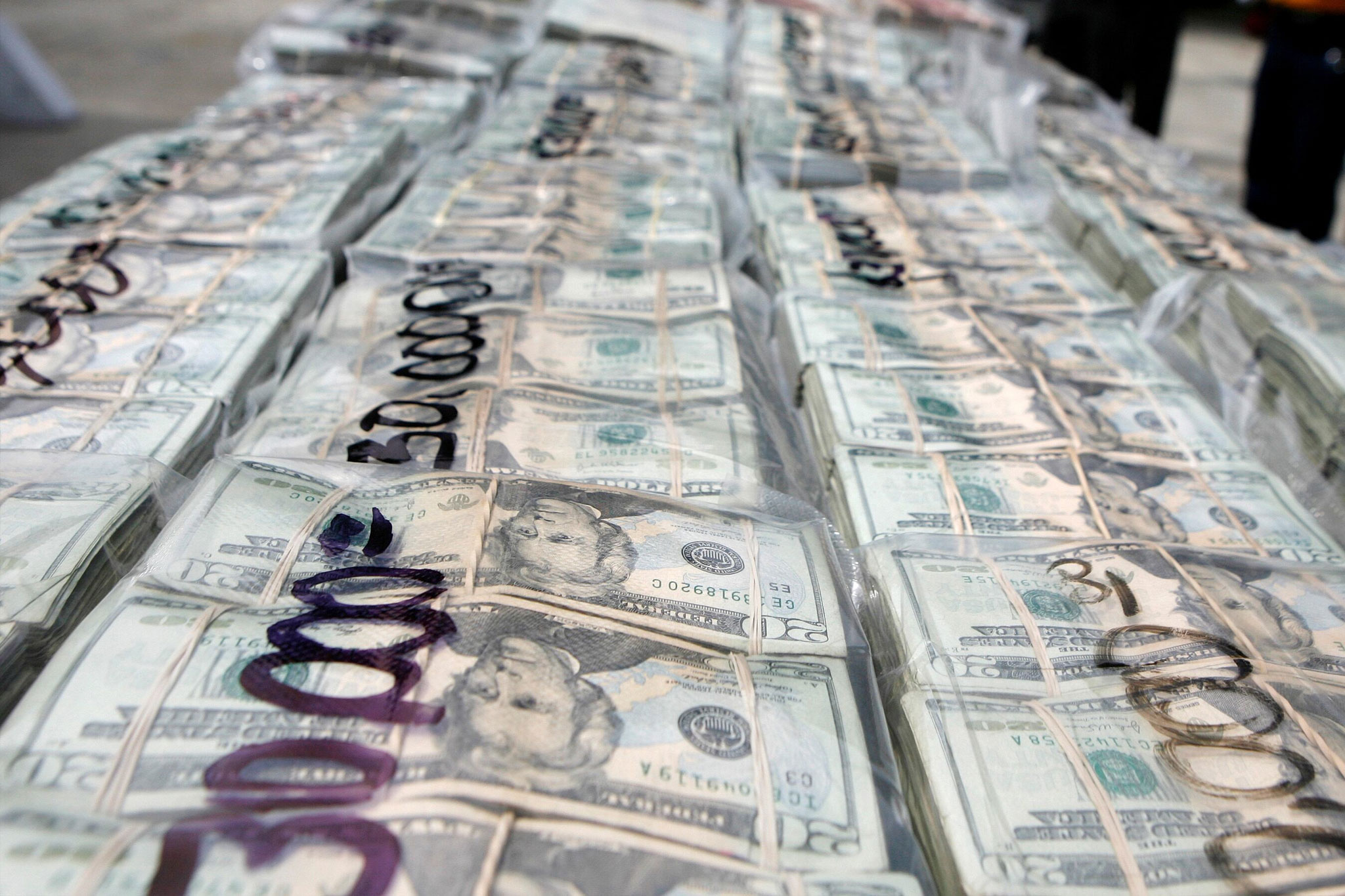
Transnational organized crime is the term used to describe the activities carried out by criminal organizations as a network connected across national borders. Transnational organized crime is operated by transnational criminal corporations, veritable businesses with complex organizational structures and a diverse range of lucrative activities. Drug trafficking is just one of their activities, albeit one of the most profitable, but not the only one. The weapons purchased by transnational criminal corporations, the money they launder, the people they traffic, and the minerals they trade all necessarily require the participation of legal entities, both state and corporate, which also benefit greatly.
Government and corporate corruption is a fundamental link in organized crime, and in a sense, we could also speak of organized corruption: calculated, known, permitted, continuous, and profit-driven. Organized corruption is not the exception, but rather a condition for blurring the lines between legal and illegal activity. Those who make up transnational criminal corporations are not only the stigmatized figures portrayed in series and films, nor the “big” kingpins typically arrested in large-scale military and media operations. The armed groups of these criminal corporations are only a fraction, the most visible because they are at the forefront of warfare with their drones, monster trucks, and high-powered weapons; but they are not the only ones. Economic and political elites in various parts of the world participate in or have connections with these criminal corporations.
At the heart of this “drug war” are neither security nor the individual and collective health risks that may arise from substance abuse, but rather the neocolonial objectives of an elite reorganizing the world.
Didn’t the network of millionaires, celebrities, and powerful figures that Jeffrey Epstein built and maintained for years, and in which Donald Trump participated, have ties to or direct involvement with transnational criminal organizations? The trafficking of women and girls, sexual exploitation, drug trafficking, and the banking operations related to these activities are clear evidence not only of the elites’ depravity but also of their participation and involvement in organized crime. And are the bankers who own the institutions where this money is laundered unaware? Are the arms manufacturers unaware of where their products end up? Are the producers of series and films that glorify organized crime ignorant of the values and aspirations they cultivate in societies? Transnational criminal organizations are linked to governments, banks, financial institutions, arms manufacturers, technology developers, transportation companies, customs agencies, and so on.
Their involvement in traditional financial systems is fundamental to their businesses, but also in new systems like cryptocurrencies. Combating transnational organized crime and criminal corporations would mean combating an essential part of the capitalist system, since organized crime is now a fundamental mechanism for obtaining profits, accumulating power, and building wealth. Meanwhile, the term “drug trafficking” has been debated from various angles due to the ideological use of the concept. In the 1990s, for example, Andean indigenous peoples who have historically had a cultural relationship with the coca leaf questioned how the term “drug trafficking” and the conception it fosters contribute to the criminalization of cultural expressions. This debate could extend to other peoples, territories, and plants around the world.
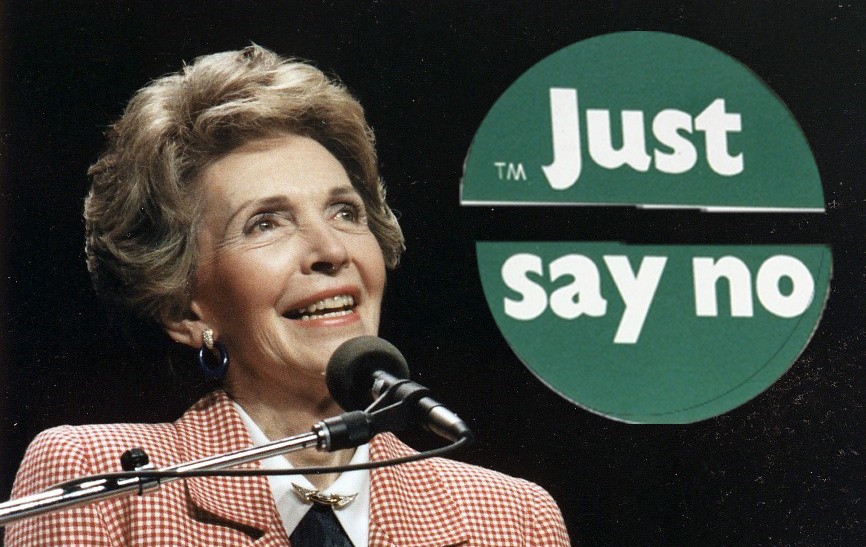
In other countries, such as Uruguay, the Netherlands, and even Mexico, a debate has been fostered around the production and consumption of marijuana and other soft drugs, framing it as a matter of health and education. Drug trafficking has been used by the US government to construct an adversary, as the enemy that rhetorically replaced communism, and which has served as a pretext for intervening in countries, instigating wars, launching hemispheric security plans, and kidnapping presidents.
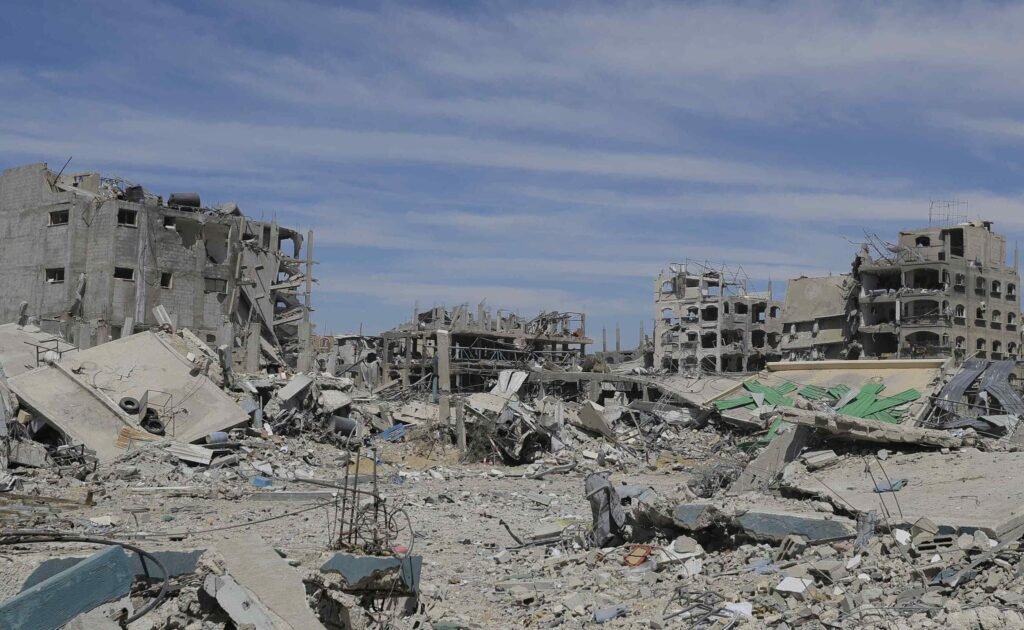
At the heart of this war are neither security nor the individual and collective health risks that may arise from substance abuse, but rather the neocolonial objectives of an elite that is reorganizing the world. Organized crime, which is functional to capitalism, is complemented by the criminal policies of suffocating populations, bombing schools, murdering children, and perpetrating genocide. Crime and capitalism in the recolonization of the world.
-
A Hundred Years After ‘La Cristiada’
“The Cristero War stands as an example of the high cost that political struggles among the elites of power can have for society when they act irresponsibly,” concludes Meyer.
-
The Normalization of the Abnormal
Palestine’s ambassador to Mexico, Nadya Rasheed, denounces the normalization of genocide in Gaza: more than 73,000 Palestinians killed, homes, schools and hospitals destroyed, water poisoned — and a world that looks away.
-
Peña Nieto Filmed Next to Controversial Israeli Contractor
Former Mexican president Peña Nieto was filmed wearing a kippah at a Jewish wedding in Italy, seated beside Avishai Neriah, the Israeli businessman an outlet accused of channeling $25M to him for Mexican government contracts, including Pegasus.