
Workers Requested Support from Mexico’s Army & Navy to Face a Mining Company & Narco Alliance, Authorities Ignored Them
This article by Jared Laureles originally appeared in the April 10, 2026 edition of La Jornada, Mexico’s premier left wing daily newspaper.
Editor’s note: You can read our interview with Jaime Pulido León here, a mine worker and leader of the local chapter of the Los Mineros mineworkers’ union attacked in his home.
The threats from organized crime, perpetrated with the consent of the Camino Rojo mining company in Zacatecas, against the workers of section 335 of the National Mining Union, were exposed to various federal authorities, including security agencies, to whom the union organization requested support to safeguard the integrity of the workers, according to documents in the possession of La Jornada.
The acts of intimidation and violence were documented in the special collective procedure 758/2024 before the Federal Labor Court of Collective Affairs, which, like the union, requested the intervention of the National Defense and Navy Secretariats in November 2024 during a recount process to define the ownership of the collective labor contract (CCT) so that it would be carried out “without violence and without the intervention of drug trafficking criminals”.
Likewise, the court requested 10 officers from the State Public Security Secretariat for the vote that would take place on November 22 of that year, but responded that it was not possible because it did not have “available and sufficient personnel to cover said task”.
The ownership of the collective bargaining agreement was ratified by federal courts and the Federal Center for Conciliation and Labor Registration in favor of the National Mining Union, headed by Napoleón Gómez Urrutia; but the Canadian company Orla Mining has been reluctant to recognize it.
Furthermore, in its preliminary ruling, the panel of the USMCA’s Rapid Response Labor Mechanism considered that although the right to a secret and free vote was guaranteed on the day of the recount, a “deterrent effect of months of threats and silence from management” operated, which favored the employers’ union Beneficio de Minas.
In the document, the expert panelists explain that the Canadian company Orla Mining, the largest concession holder for gold and silver mining in Mexico, itself acknowledges that it does not have the capacity to address the risk of organized crime: “… the company’s policies, internal controls, security and training may not be sufficient to address the risk of such organizations infiltrating.”
In the letters addressed to the Defense and Navy, the National Mining Union stated that the events were reported to the Labor Court and the Ministry of Labor and Social Welfare (STPS), but the latter “has refused to order the company not to use drug cartel criminals, under the pretext that it is a criminal matter and not a labour matter.”
This is despite the fact that this agency “has been presented with videos, photos, recordings, facts and testimonies of the existence of the criminals, whom the company passes off as people who bring merchandise” to it.
One case publicly reported to the headquarters of the Orla Mining company in Vancouver, Canada, was that of Jaime Alberto Pulido León, a member of the local committee of section 335, who survived an apparent attack after an unknown person, carrying a weapon, tried to enter his home.
This newspaper requested an interview with the Secretary of Labour, Marath Bolaños, to delve deeper into the issue, but his office referred to the statement released more than two weeks ago by the agency, which expressed its disagreement with the panel’s resolution, since –in its opinion– it exceeded the scope of the mechanism, particularly “in matters of evidentiary standards, the analysis of facts linked to conduct of a possible criminal nature, the attribution of responsibilities to subjects other than the employer and the reference to standards not expressly provided for in the treaty.”
-
China Accuses the US of Dividing Mexico over Trade Dispute
China’s embassy described the US comments as an expression of “supremacy and hegemony” and asserted that they sought to discredit the economic cooperation between Mexico and China.
-
Sheinbaum Meets Privately with Maru Campos on Her Arrival in Ciudad Juárez
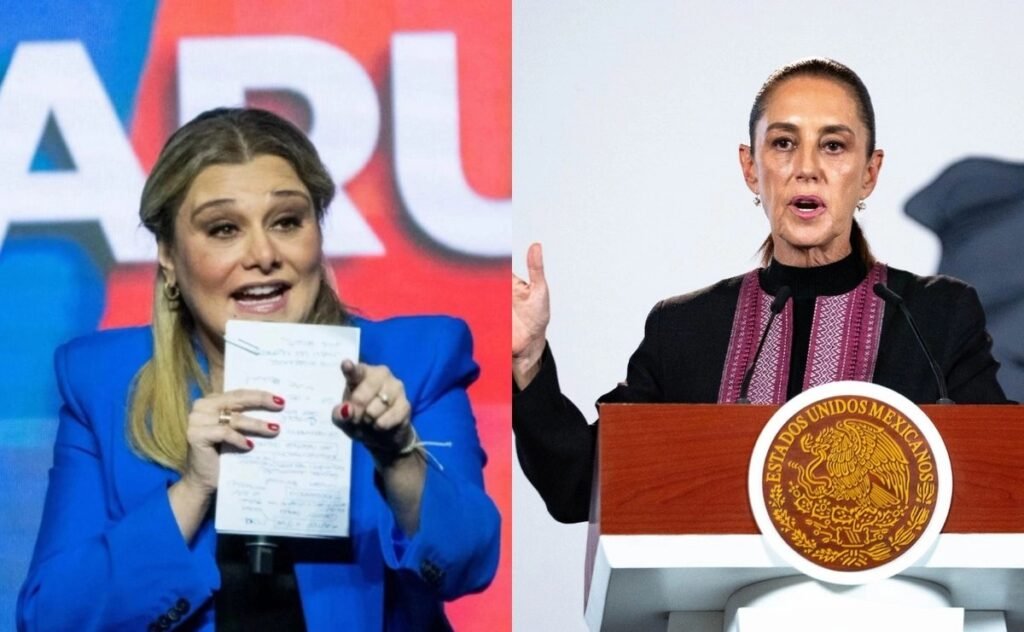
If any law was broken in the drug operation involving CIA agents in Chihuahua, those responsible, including state officials, must be prosecuted, the two agreed.
-
Beatriz Mojica: From Criticizing AMLO to Coordinating Morena in Guerrero
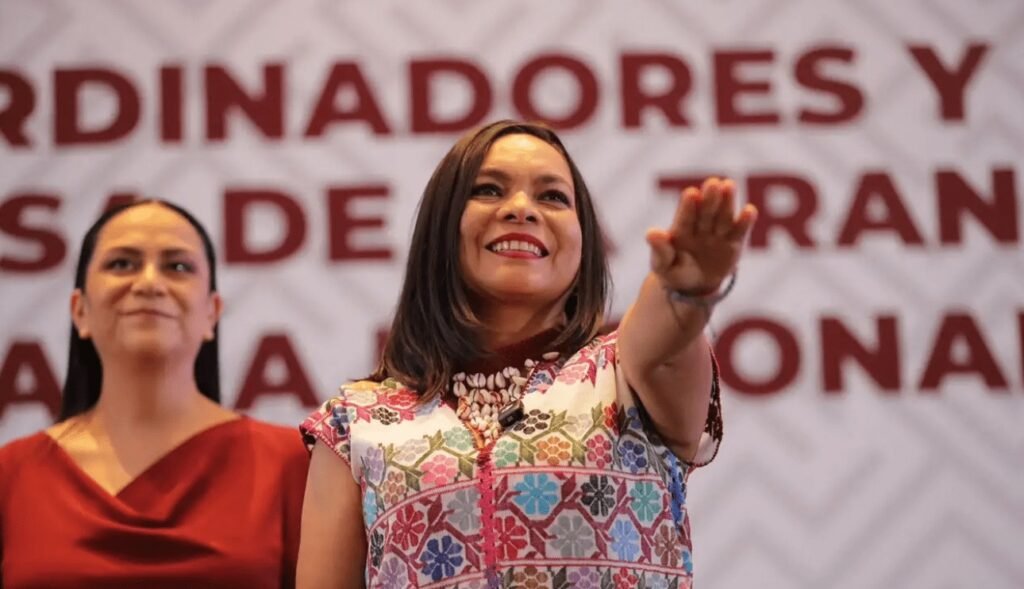
The senator on leave is Morena’s pick for governor of Guerrero in 2027, after a career that includes the PRD and her 2018 support for Ricardo Anaya.