Mexico’s National Security Shows Fractures
This editorial by Simón Vargas Aguilar originally appeared in the April 24, 2026 edition of La Jornada, Mexico’s premier left wing daily newspaper. The views expressed in this article are the authors’ own and do not necessarily reflect those of Mexico Solidarity Media or the Mexico Solidarity Project.
On April 19, on the roads of the Sierra Tarahumara, specifically in the municipality of Morelos, Chihuahua, a vehicle returning from a drug raid apparently plunged into a ravine and exploded. Four people lost their lives: two officials from the Chihuahua State Investigation Agency and two Americans assigned to the U.S. Embassy.
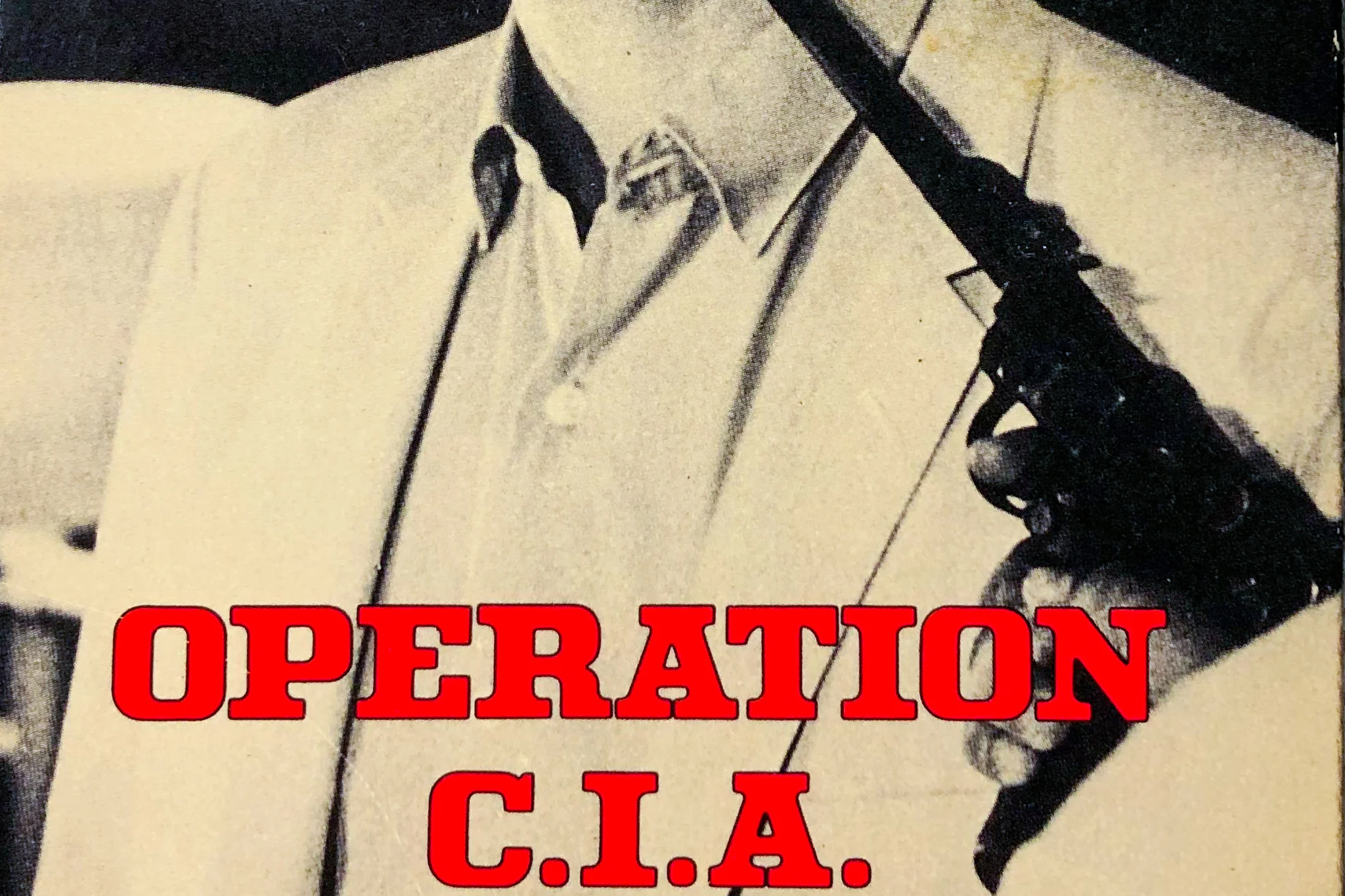
Until that point, local authorities referred to a “traffic accident” during a mission to destroy clandestine methamphetamine labs; even the state prosecutor, César Jáuregui, downplayed foreign involvement, describing the Americans as “instructors” who were only training local personnel. But the reality, revealed by The Washington Post , The New York Times , and other U.S. sources, is far more serious, as the two deceased were allegedly agents of the Central Intelligence Agency (CIA) operating in Mexican territory as part of an expanded role in the fight against drug trafficking and terrorism.
Up to this point, there are no public indications of a direct attack by organized crime, although the prevailing opacity makes it impossible to rule out any hypothesis; what is undeniable is that this event exposes structural flaws in Mexican national security policies and, in addition, what is difficult to understand is the total lack of transparency on the part of government and security agencies.
Sovereignty is not negotiated in the shadows, and national security cannot be a state secret revealed only when there are deaths. In this case, opacity not only kills; it also corrupts democracy.
Despite boasting excellent inter-institutional coordination, or so the federal administration claims, no one has honestly explained exactly what happened, and of course, doubts arise: Was it a mere accident or a possible attack by organized crime? What exactly were two alleged CIA agents doing in Chihuahua? Who authorized their presence? Is there a formal agreement between the state government and Washington? So far, there is only silence, contradictions, and evasive answers.
This lack of transparency exposes everyone involved; President Claudia Sheinbaum Pardo declared that her government “knew nothing” about the operation or the presence of foreigners on Mexican soil. If Omar García Harfuch, Secretary of Security and Citizen Protection, knew about this operation, didn’t he inform her? Or was he also unaware? Or perhaps the Secretary of National Defense and the rest of the federal security cabinet were aware and chose to deny the truth? We are facing a scenario where denial is becoming state policy, but the most dangerous aspect is that even if the federal government truly lacked the details, we are facing an unacceptable lack of coordination.
On the other hand, regarding the state level, the governor of Chihuahua, María Eugenia Campos Galván, implied that she was aware of the situation. Campos is not subordinate to the President; she is an elected state governor, but precisely for that reason, out of institutional courtesy and basic responsibility to national sovereignty, she should have informed the federal government about the operation involving foreign personnel. Why didn’t she? How many more operations have remained shrouded in secrecy? How many times have U.S. agencies been allowed to operate on Mexican soil without the knowledge or approval of the federal government?
This lack of transparency is not an isolated case: a quick review is enough to understand the pattern, and let’s remember that in January of this year, the director of the Office of General Investigations, Kash Patel, mentioned that an elite group, the same one that acted against Nicolás Maduro, arrested Ryan Wedding, a former Canadian Olympic athlete accused of leading a transnational drug trafficking network.
Or the statements of President Donald Trump, who boasted of having “eliminated the main Mexican drug lord” alluding to Nemesio Oseguera Cervantes, alias El Mencho; on the other hand, we cannot forget the most emblematic case: the arrest of El Mayo Zambada, surrounded by contradictory versions about US participation, secret agreements and internal betrayals.
In all these incidents, Mexican society has received little information, while bilateral agreements appear to be conducted in secrecy. The risks are imminent, especially since the alleged CIA agents did not die during the operation itself; they perished on the return journey, in a context reminiscent of past tragedies. We recall the case of Enrique Camarena, the DEA agent tortured and murdered by organized crime in 1985; this incident strained bilateral relations.
Today we could be facing a situation with even greater consequences, as the events in Chihuahua will undoubtedly worsen the bilateral relationship. The United States, under the Trump administration, is already demanding answers regarding the deaths of its agents. While the governments exchange statements and summonses, Mexican society is left with uncertainty. Let us not forget, as Saint John said (8:32), and later Saint Augustine of Hippo: “The truth will set you free.”
Today, that truth remains questioned amid official contradictions and opaque agreements. Sovereignty is not negotiated in the shadows, and national security cannot be a state secret revealed only when there are deaths. In this case, opacity not only kills; it also corrupts democracy.
-
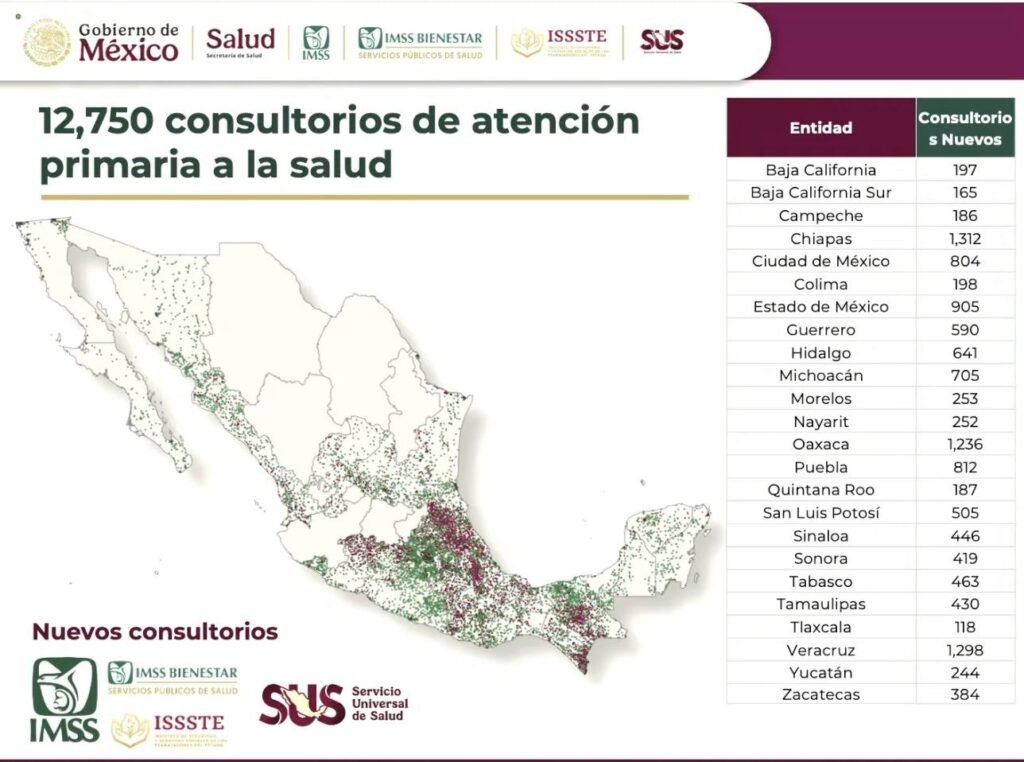
Mexico Announces 12,750 Primary Care Clinics for 2027
Mexico will open 12,750 free primary care clinics across the 24 IMSS-Bienestar states starting in January 2027, adding 40 million consultations.
-
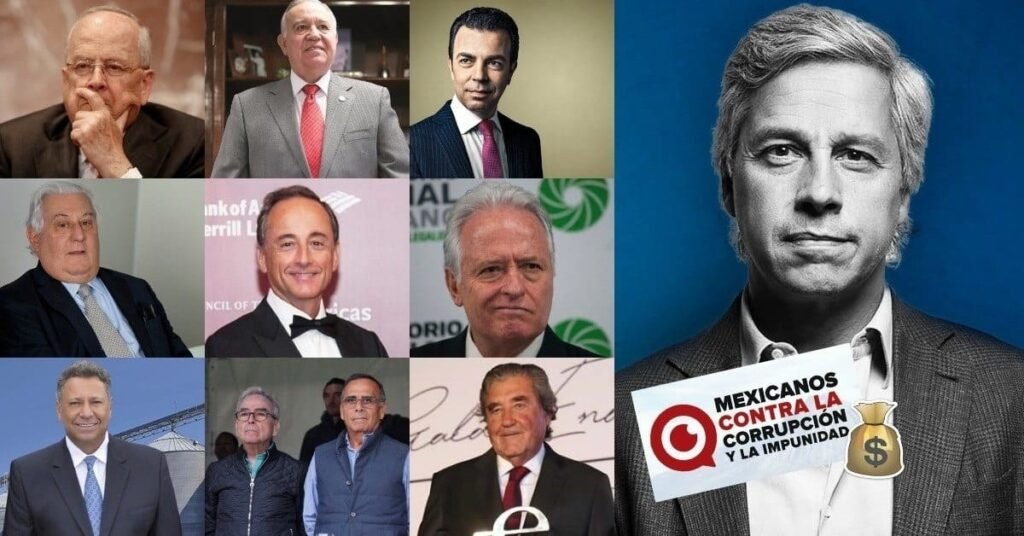
Twenty Foundations Moved from Philanthropy to Funding Opponents of Mexico’s 4T
Aníbal García Fernández tracks 20 business-linked foundations that gave 2.7 billion pesos in 2025. As USAID money dried up, part of it was redirected to think tanks and NGOs.
-
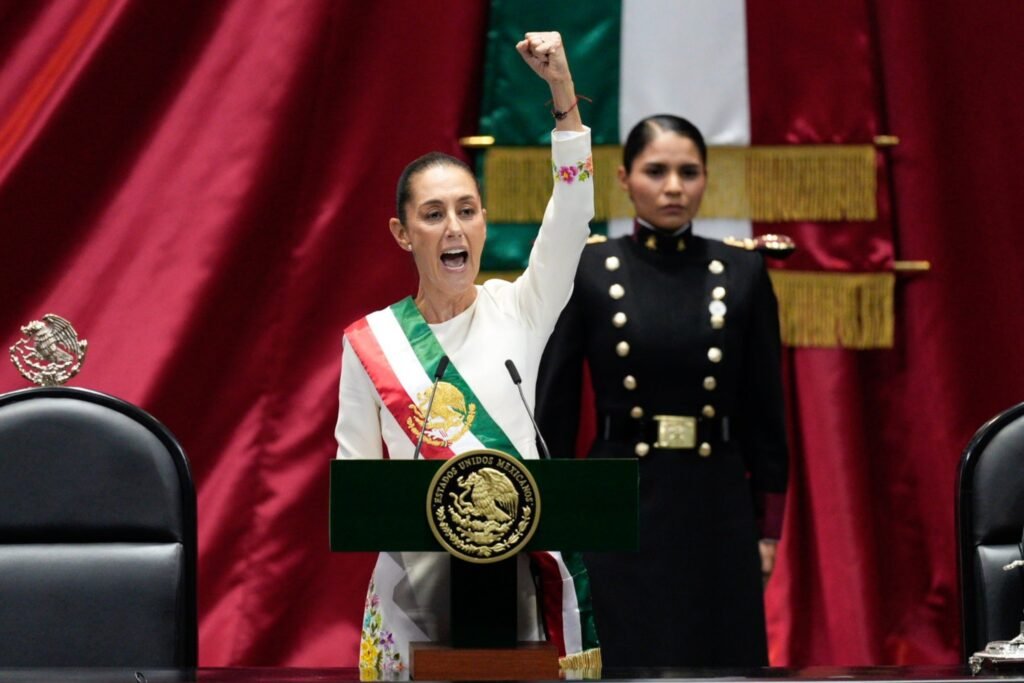
Sheinbaum Analyzes Initiative to Prohibit Dual Nationality in the Presidency and Governorships
The idea surfaced from the stalled extradition of ex-Tamaulipas governor Cabeza de Vaca, who holds US-Mexican nationality.