Monroe to Donroe
US foreign policy is anything but sweet and rosy, but Shakespeare’s truth applies. You can call US policy toward Latin America the “Monroe Doctrine,” or you can rename it the “Donroe Doctrine,” but it’s the same old imperialist policy in effect for the last 200 years. As Teri Mattson, an expert on Latin America and the Caribbean, tells us, as much as things change, as much they stay the same.
Leaders of countries to the south of the US can have a stable relationship with the US. How? By carrying out the mafia-style orders of the US government like zealous underlings. They can sell out their own people for their personal gain. For Ecuador, El Salvador, Argentina and Chile — licking Trump’s boots tastes sweet.
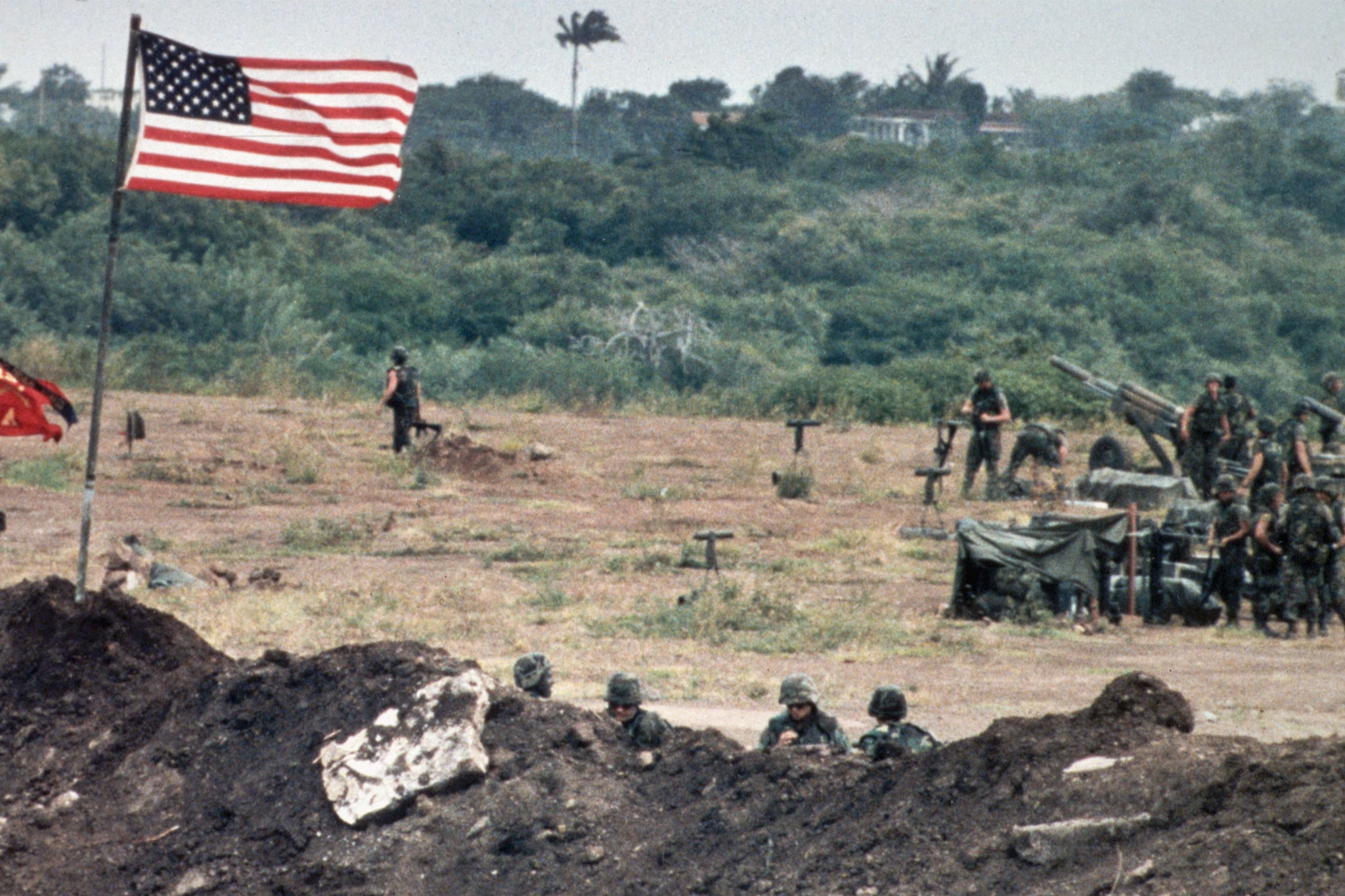
What if you refuse US domination? President Teddy Roosevelt famously said back in 1901, “Tread lightly and carry a big stick.” Behind every “negotiation” lies the threat of force — a gun to the head, as in the recent kidnapping of Venezuela’s president, or slow strangulation, as in the economic blockade of Cuba.
Mexico, since 2018, has refused to bow to the US capos; President Sheinbaum has made it more and more clear that Washington does not tell Mexico what to do. But that risks the Big Stick.
Trump treats the US-Mexico border as a one-way street. With Donroe, US military forces can enter Mexico at will, while Mexican migrants are forbidden to set foot in the US. These are two sides of the same “Gunroe” doctrine. As US progressives defend migrants, they must at the same time defend Mexico’s sovereignty. Getting the US boot off Latin America’s neck requires nothing less.
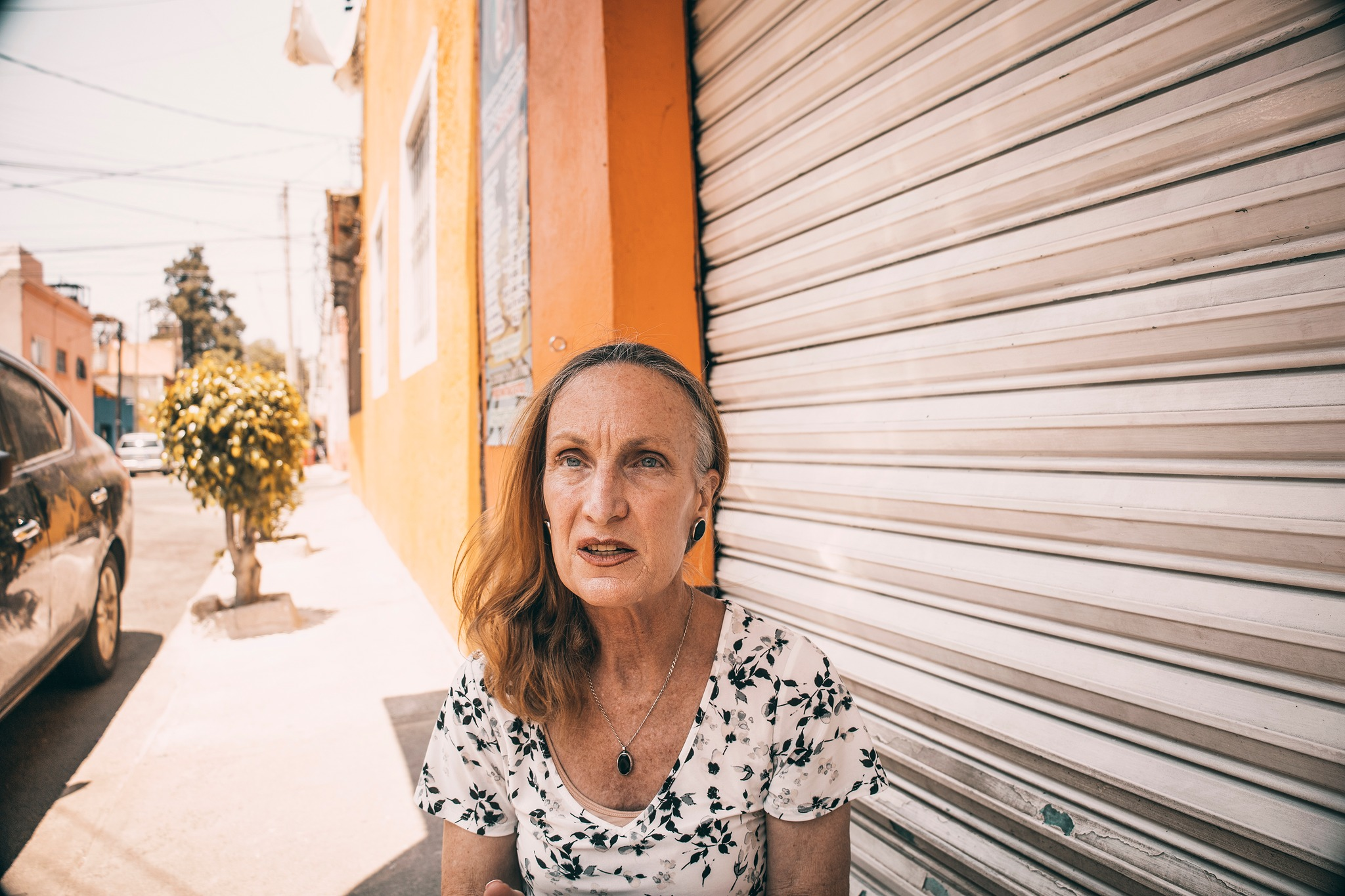
A sixth-grade teacher introduced Teri Mattson to pre-Spanish cultures in what is now Mexico and Central America, inspiring 40+ years of travel in the region, including in political and social justice delegations and acting as an election observer. She currently works with the Venezuela Solidarity Network, the SanctionsKill coalition and CODEPINK’s Latin America team. Besides publishing in various left journals, most recently in the LA Progressive, she hosts and produces the YouTube program and podcast WTF is Going on in Latin America and the Caribbean.
The purpose of the 1823 Monroe Doctrine was to “protect” Latin American countries from colonization by European powers. How does Trump’s ‘Donroe Doctrine’ differ?
It’s not at all new in the foreign policy psyche of the US. The goal is still to keep foreign powers out of the Southern Hemisphere.
What’s new is that the ‘Donroe Doctrine’ proclaims openly they will enforce this policy by military means, by gunboat diplomacy. No obfuscation — open threats. But rather than keeping out European powers as in the 19th century, today, it’s about stopping China from trading and investing in the region.
And “region” now means “Greater North America” — the Arctic down to the equator and beyond.
The Chinese port in Peru concerns Washington. They perceive it as dual-use infrastructure that opens another gateway to the Pacific, interrupting US control of the eastern Pacific rim.
Mexico’s Interoceanic Corridor of the Isthmus of Tehuantepec, known as the Transamerica Canal, will provide a faster and cheaper overland route between the Pacific and the Atlantic; it’s a rail system that will bypass the Panama Canal, which, even with upgrades, suffers from a water shortage that now limits the weight of ships going through. For the US, these projects make using military action even more necessary to ensure US control over the flow of goods.

What was the response in Latin America to Trump’s pronouncement of this new doctrine?
Of course, they don’t want the US telling them who they can and can’t trade with! They want trade with both the US and China. However, the lack of unity among Latin American nations right now allows the US to play them off against each other.
In 2021, Mexico’s president Lopez Obrador headed CELAC, a political and economic bloc created by socialist presidents Hugo Chavez of Venezuela and Fidel Castro of Cuba as an alternative to the US-dominated OAS, the Organization of American States. CELAC includes all countries in the region, except the US and Canada!
AMLO also refused to attend US President Biden’s Summit of the Americas in 2022 because Biden didn’t invite Cuba, Nicaragua or Venezuela. He declared the US had no right to decide who should and should not be included in “the Americas.” His defiance emboldened other nations, and the US Summit turned into an embarrassment.
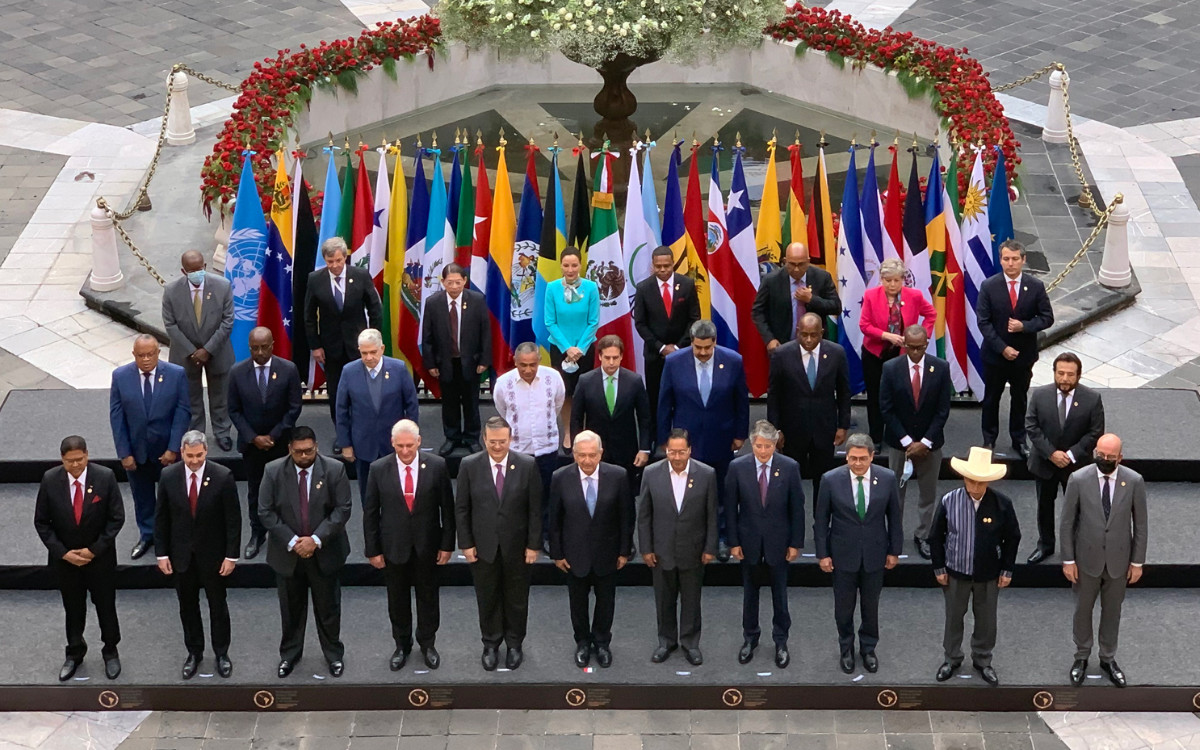
But after AMLO’s term ended, CELAC began falling apart. The Pink Tide governments had become victims to economic forces beyond their control. These countries had instituted generous social welfare programs subsidized by the sale of resources, mainly oil. When the commodities market crashed in 2006, Venezuela, for example, did not have a diversified economy that might have allowed it to avoid a serious recession. The US took advantage of that. Internal right-wing political parties capitalized on the economic discontent of the populations and won the presidencies of several countries.
Now, the three remaining progressive countries — Mexico, Colombia and Brazil — have allied with each other. They do wield clout, because they have the three largest populations and/or economies. But when the US started killing Latin Americans at will — beginning with the September 2, 2025, attacks on Venezuelan fishing boats — the Latin American and Caribbean states didn’t have the unity to push back.
What does Trump specifically want from Mexico?
Loyalty! The old PRI politicians colluded with the US to share the spoils of foreign investment regimes, at the expense of the people. That was institutionalized under NAFTA, which was renegotiated under Trump’s first term as the USMCA. One of Trump’s key demands for renegotiation in 2026 will be to re-privatize Mexico’s energy sector.
While President Sheinbaum needs to maintain the free trade agreement, she will not agree to opening that sector to US companies. Controlling their own energy supply is essential to Mexico’s sovereignty.
Is Mexico uniquely positioned to stand up to the US? Should it refuse to renegotiate the USMCA and refuse to cooperate with the US military?
Mexico and the US share a 2,000-mile border, which can’t be ignored by either country. About 12 million Mexican citizens are living in the US.
The two countries have cooperated militarily to stop cartel activity for many years, and the two economies are tightly intertwined. In many ways, both countries need each other.
However, the US insists that it can tell Mexico what to do for the benefit of US interests — as per ‘Donroe’! The relationship is clearly asymmetrical in terms of economic and military power. But Mexico does have the geography, the population and the economic power to stand up to a bellicose US. In its unique position, it can be a bridge between the US and Latin America/the Caribbean, as we just saw when Claudia Sheinbam’s speech in Spain demanded the end of economic sanctions against Cuba.
Moreover, because Mexico is successfully weaning itself off neoliberal policies that favor private sector companies at the expense of the common Mexican, finally pursuing corrupt politicians and instituting social welfare programs “for the good of all, but first, the poor,” Mexico has a positive standing with peoples around the world. That also is a brake on US hostility.
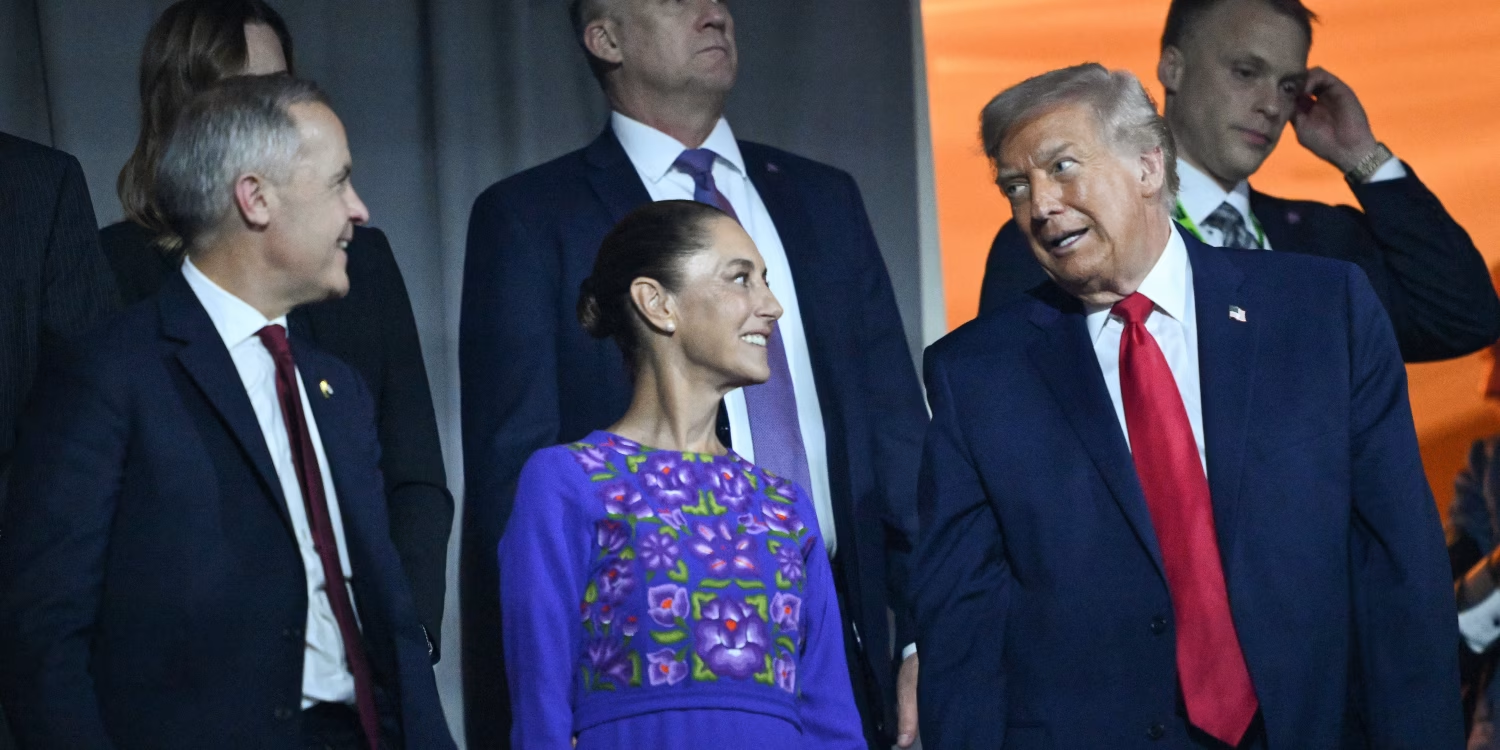
Sheinbaum stands out in her ability to handle Trump. She’s the voice of reason, a steady and calm keel in turbulent waters. While legitimate questions can be raised about the MORENA government, no one can quarrel with her 70% approval rating among the Mexican people themselves. This enthusiastic support gives her confidence; the people have her back.
That’s not to say Mexico won’t have to make some concessions, and they have — but that’s the nature of negotiation. In my opinion, I don’t know of anyone else on the planet who could manage this relationship as well as she is doing.
With “hot” military attacks in Latin America and Iran, should socialists and progressives prioritize support for Mexico, or can it wait?
Colombian president Gustavo Petro got it right. With the US military murdering fishermen, invading Venezuela and kidnapping President Maduro; with US meddling in elections in Argentina, Honduras, Ecuador and other nations; the economic strangling of Cuba and the threats of military intervention to Colombia and Mexico — Petro said, “This is our Gaza. We are being invaded.” Latin America is another front of the same imperialist project.
If we allow the US to overrun and overrule Mexico, it’s more likely other regional nations will fall. We can’t ignore the geopolitical restructuring going on country by country across the hemisphere; all the attacks are part of the same overarching project. From Monroe to ‘Donroe,’ the US is bent on impoverishing less powerful countries to enrich its own.
If we are in solidarity with Gaza, we must be in solidarity with Mexico. Now!
-
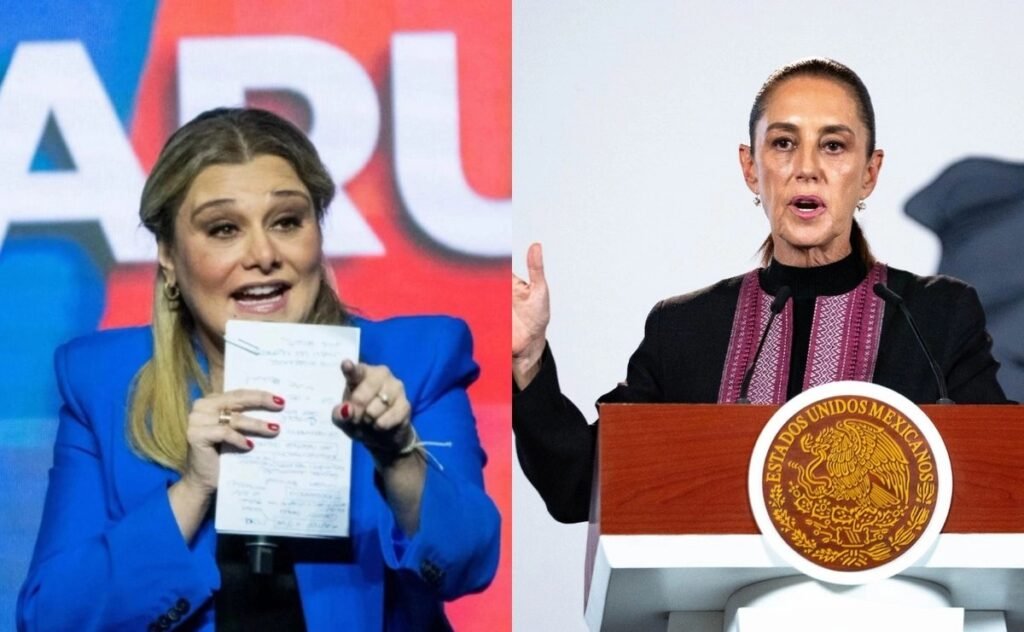
Sheinbaum Meets Privately with Maru Campos on Her Arrival in Ciudad Juárez
If any law was broken in the drug operation involving CIA agents in Chihuahua, those responsible, including state officials, must be prosecuted, the two agreed.
-
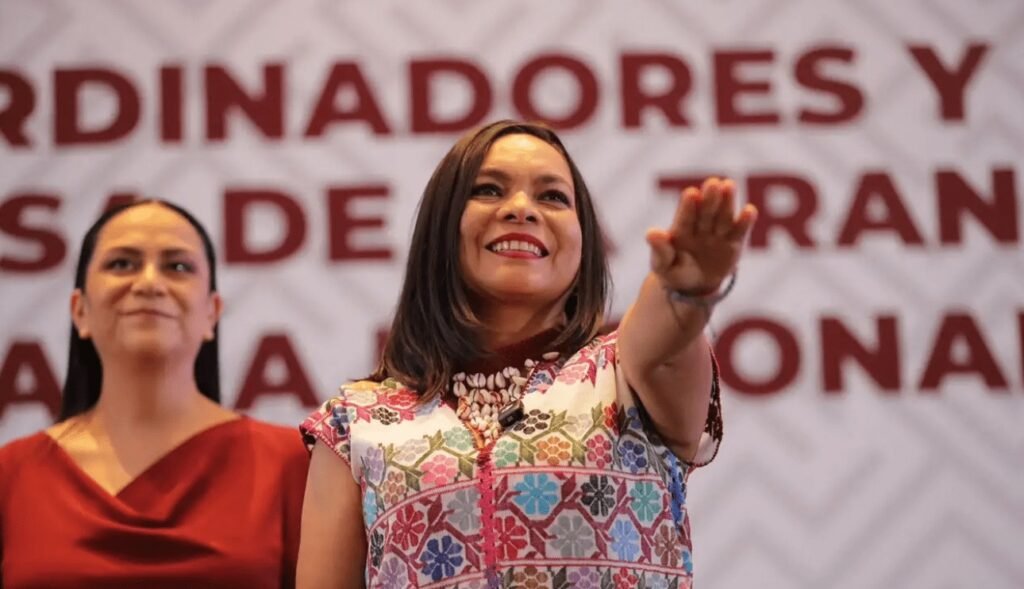
Beatriz Mojica: From Criticizing AMLO to Coordinating Morena in Guerrero
The senator on leave is Morena’s pick for governor of Guerrero in 2027, after a career that includes the PRD and her 2018 support for Ricardo Anaya.
-
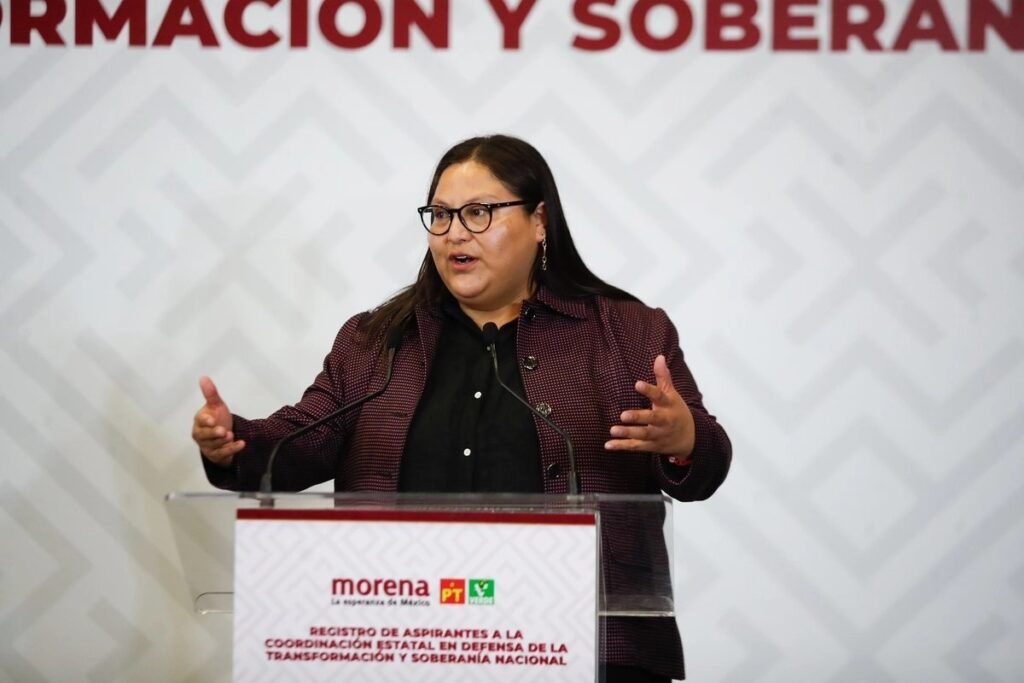
Morena’s Elections Commission Chief: Differences Are Natural to a Living Party
Amid criticism over the 10 chosen profiles, Citlalli Hernández, president of Morena’s National Elections Commission, defended the differences as natural to a living party.