Guerrero’s Montaña Baja & the Siego of Micro-criminality
This article by Mario Patrón originally appeared in the May 28, 2026 edition of La Jornada, Mexico’s premier left wing daily newspaper. The views expressed in this article are the author’s own and do not necessarily reflect those of Mexico Solidarity Media or the Mexico Solidarity Project.
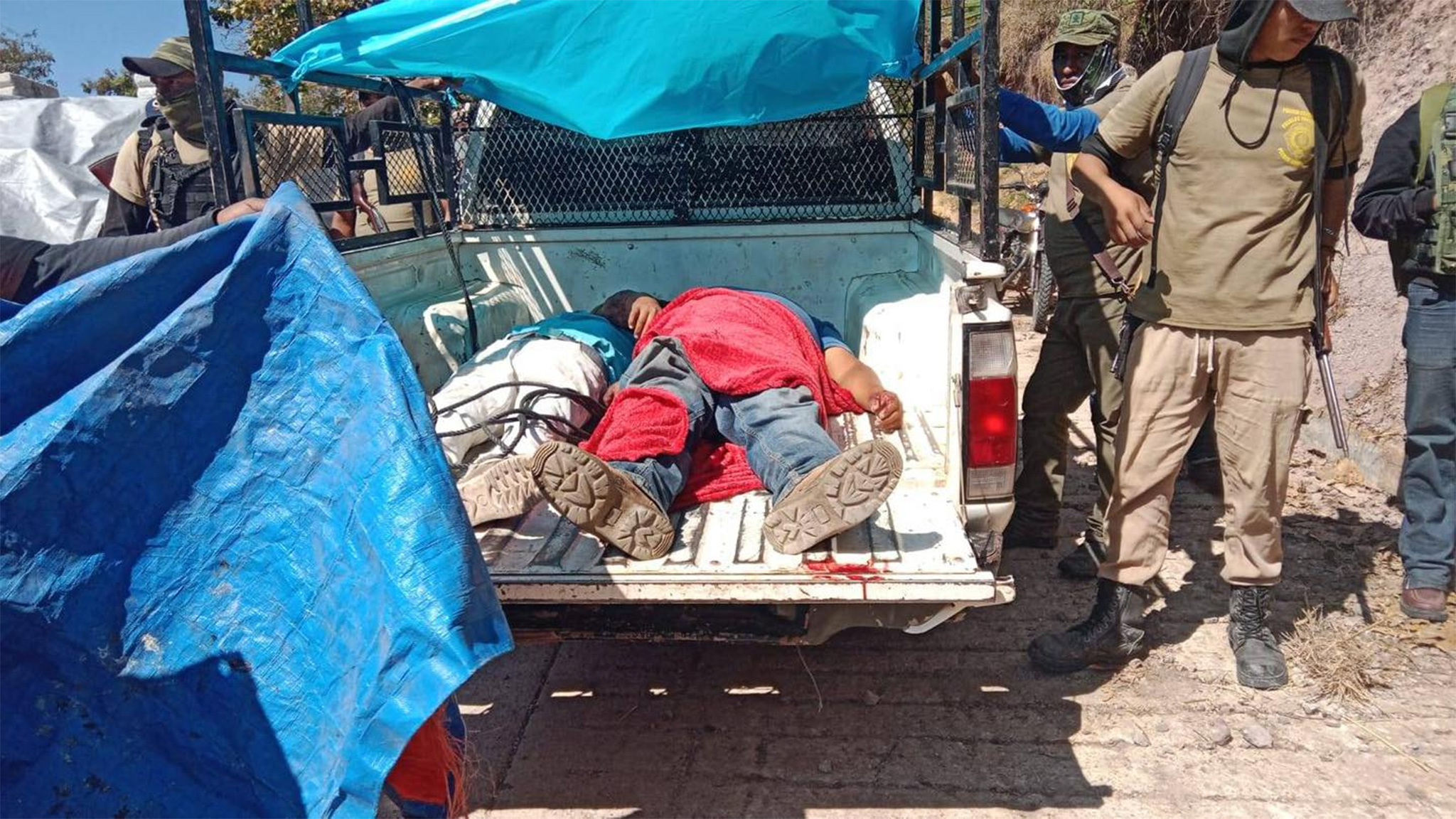
Since May 6, local Indigenous authorities have denounced the intensification of armed attacks against the communities of Tula, Xicotlán, and Acahuehuetlán, in the municipality of Chilapa, Guerrero. These attacks, which lasted for more than eight hours and involved high-caliber weapons and drone bombings, resulted in the forced displacement of more than 800 Indigenous families, according to a subsequent report by the National Indigenous Congress.
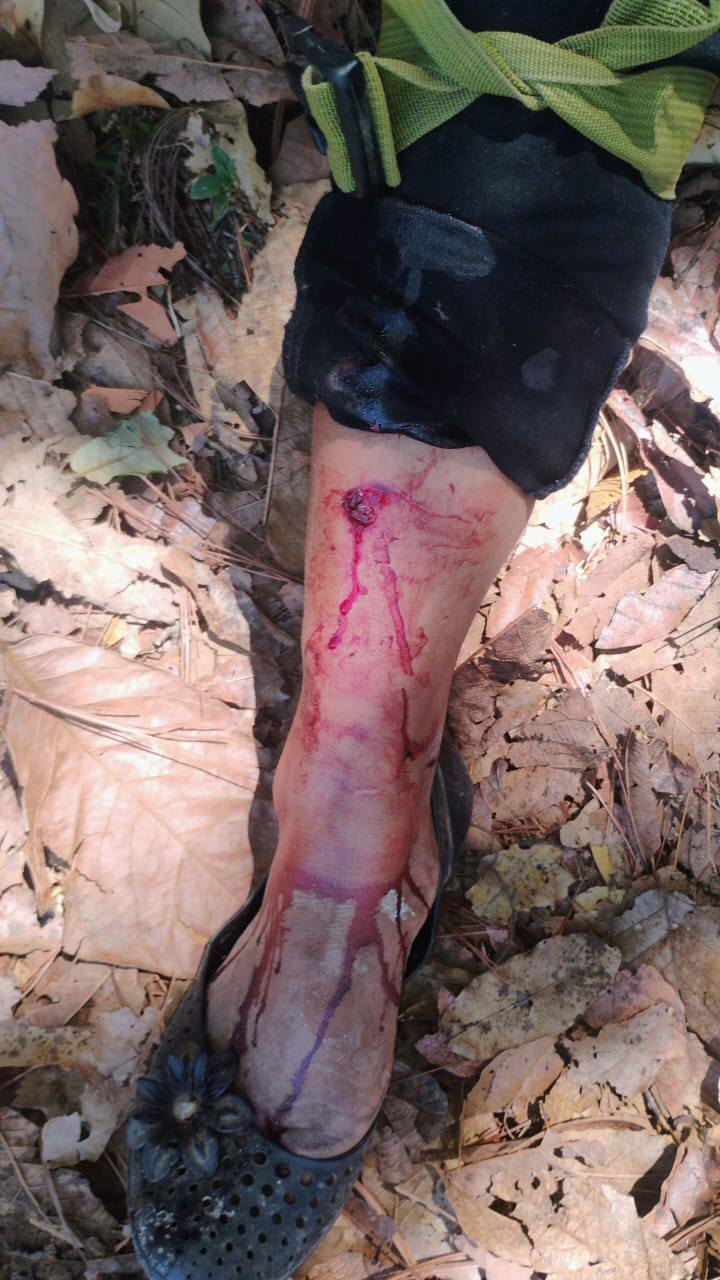
As early as 2021, the National Human Rights Commission had requested that authorities take the necessary actions to guarantee the life, personal integrity, property, and individual and collective security of the communities belonging to the Cipog-EZ, given the increase in acts of violence recorded since at least 2014. During the last 12 years, according to reports from indigenous authorities, organized crime, specifically Los Ardillos group, has murdered at least 81 people and disappeared another 25.
These actions are not isolated: they are part of the systematic siege that for years has affected the communities that make up the Indigenous and Popular Council of Guerrero Emiliano Zapata (CIPOG-EZ), who have been victims of murders, disappearances, harassment and threats within one of the most violent territories in the country, where government institutions have been negligent in fulfilling their responsibilities to build citizen security, combat crime and guarantee access to justice.
The Lower Mountain region of Guerrero has become a territory disputed by criminal groups. In lands where organized crime once controlled strategic crops, they are now promoting the arrival of large-scale extractive projects that exploit the subsoil’s mineral resources.
The arrival of mining companies in the area represents a benefit for criminal groups that impose the payment of fees and extortion to allow the extraction and transport of these minerals, just as they do in many other places in the Mexican countryside.
To this end, coordinated attacks against the civilian population seek to dismantle the Indigenous organizations that have historically resisted both the threats of organized crime and extractive megaprojects, and have been critical of the Mexican state’s own actions when it promotes a national project that translates into the oppression and exclusion of Indigenous peoples. Displacing Indigenous communities opens the door for territorial control by organized crime in collusion with local authorities, as documented by various journalistic sources that have exposed the links between municipal authorities in Guerrero and different criminal groups.
The forced displacement of Indigenous families and communities entails not only involuntary relocation to other communities and territories, but also the loss of all means of economic sustenance and the violation of their fundamental human rights. In the attacked communities, houses are left burned, animals abandoned, and crops lost, and the belated arrival of the armed forces has failed to guarantee even a minimum level of security for the families’ return, much less access to justice and reparations. For this reason, the communities denounce the arrival of state security forces as a mere charade.
The reality of the Lower Mountain region of Guerrero is a painful illustration of the magnitude and impact of organized crime in Mexico, where people are caught in the crossfire of disputes over control of entire territories and become targets of attacks by organized crime, as seen in the communities of Chilapa. The coordinated drone bombing of homes inhabited by civilians seems like a scene from one of the most serious international armed conflicts. However, it has become part of daily life in many of the rural and Indigenous territories of southern Mexico.
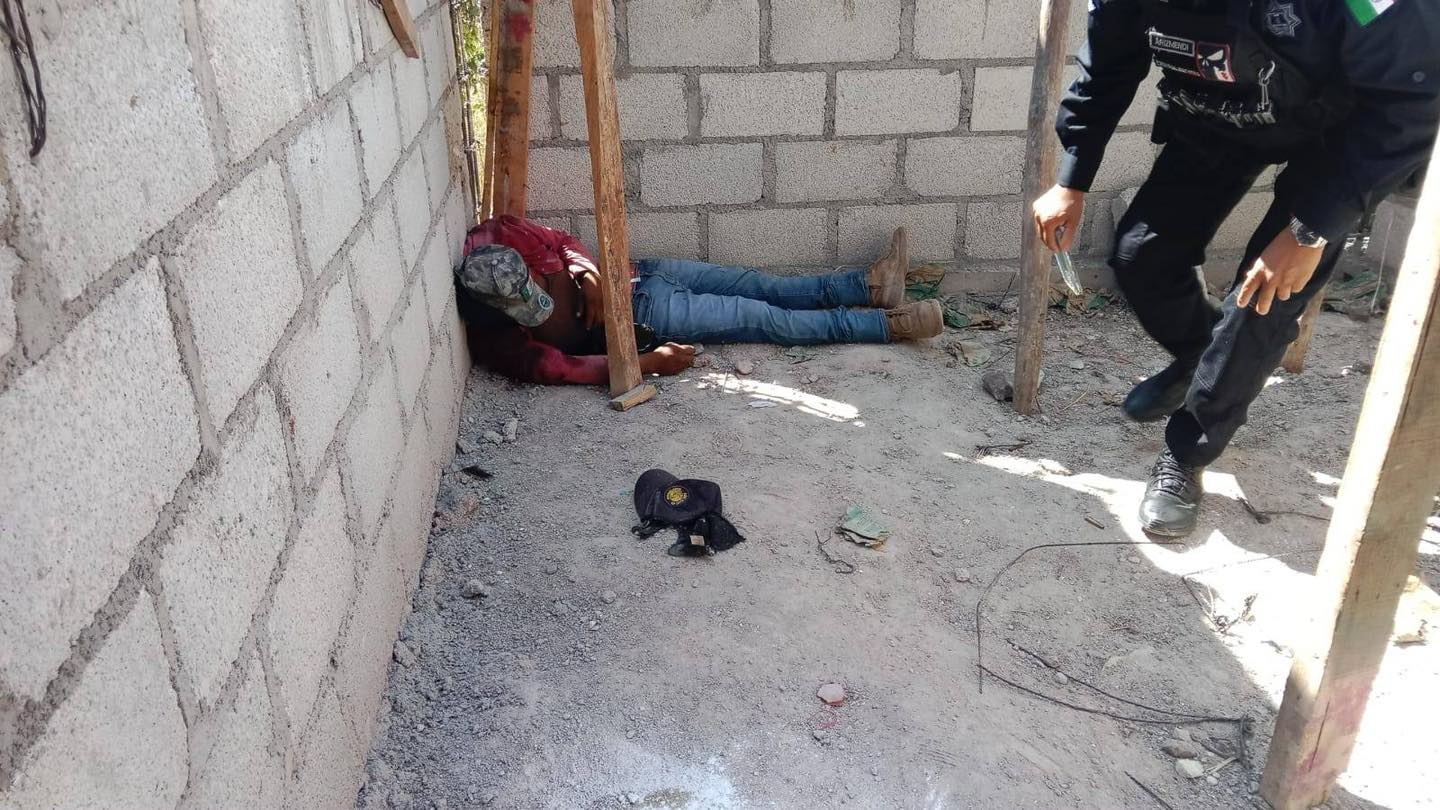
The gravity of these images makes the State’s structural incapacity to guarantee peace and justice undeniable, and they reveal a situation from which there seems to be no turning back, since local authorities themselves allow the siege of Indigenous communities and work in collusion with criminal groups to divert resources, control elections, and maintain a very fragile criminal stability. This war of extermination, as Indigenous communities have called it in recent years, is symptomatic of a fractured institutional framework, incapable of structurally addressing violence and insecurity in our country, but also of a crippled political will that prioritizes reactive measures in territories controlled by organized crime.
As long as the Mexican State does not prioritize the comprehensive and effective presence of its security institutions in the Lower Mountain region of Guerrero, nor fundamentally recognize the precarious conditions in which the economic system keeps the peasant and indigenous towns and communities, a strategy that reverses the structural threats that besiege that region of the country today, and which are also present in a large part of Mexican territory, will not be able to prosper.
-
Mexican VW Workers Weigh Strike as Company Cuts Jobs Globally
After 800 layoffs and a rejected wage offer, the independent union at VW’s Puebla plant, the largest outside Germany, reached a tentative 13.16% deal.
-
People’s Mañanera October 5
President Sheinbaum’s daily press conference, with comments on women’s rights, sovereignty, public approval, and social media violence.
-
Mexico Is a Leader in the Fight Against Hunger, United Nations Praises
WFP chief Carl Skau singled out Mexico’s school meals, front-of-package labeling and local purchasing, models already being shared with Colombia and Peru.