Marches & Blockades by Thousands of Teachers in at Least 10 Mexican States
This article originally appeared in the June 2, 2026 edition of La Jornada, Mexico’s premier left wing daily newspaper.
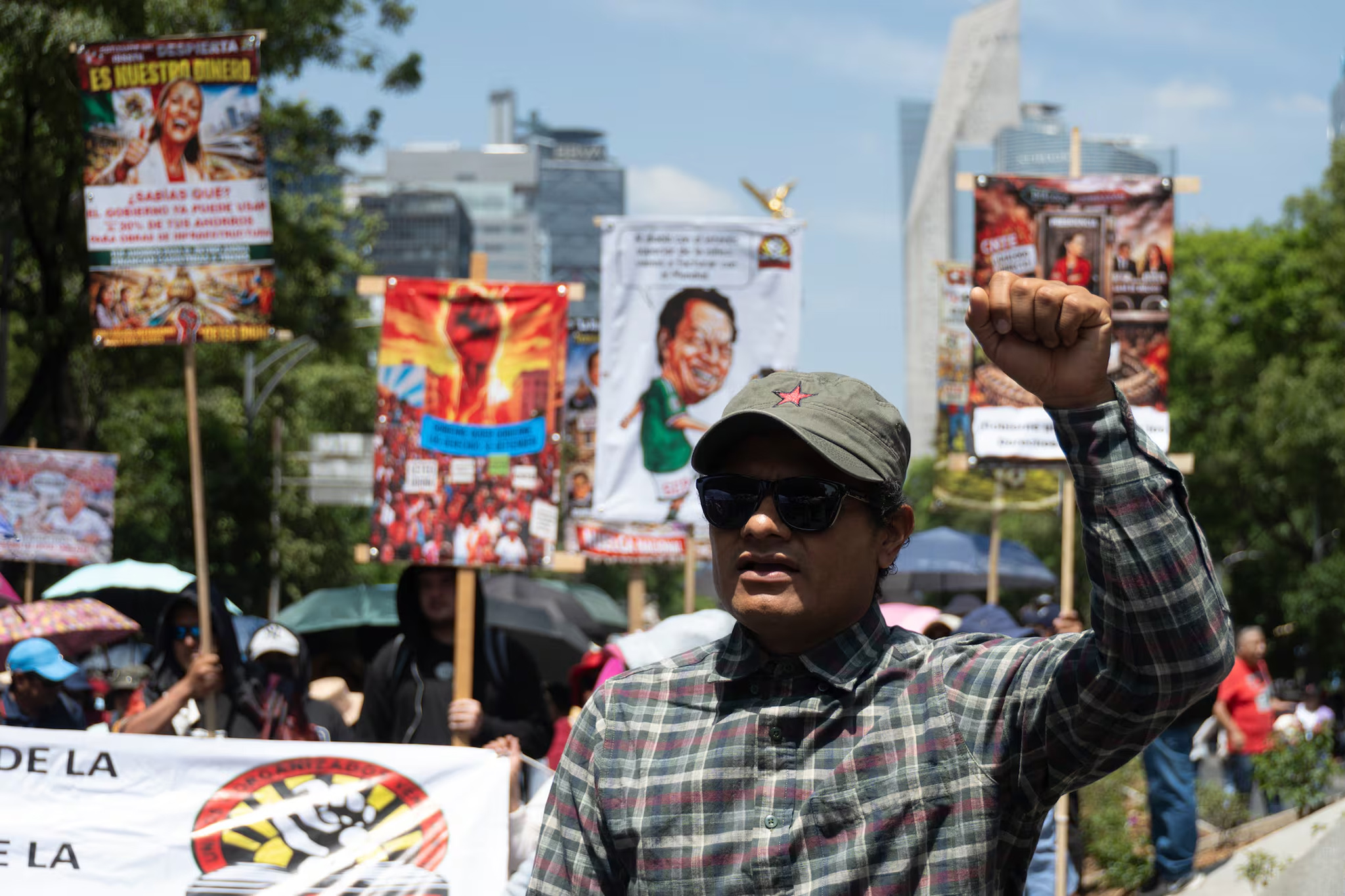
Thousands of teachers from Oaxaca, Chiapas, Guerrero, Morelos, Michoacán, Zacatecas, Chihuahua, Sonora, Sinaloa and Quintana Roo demonstrated yesterday in those states as part of the national strike called by the National Coordinator of Education Workers (CNTE).
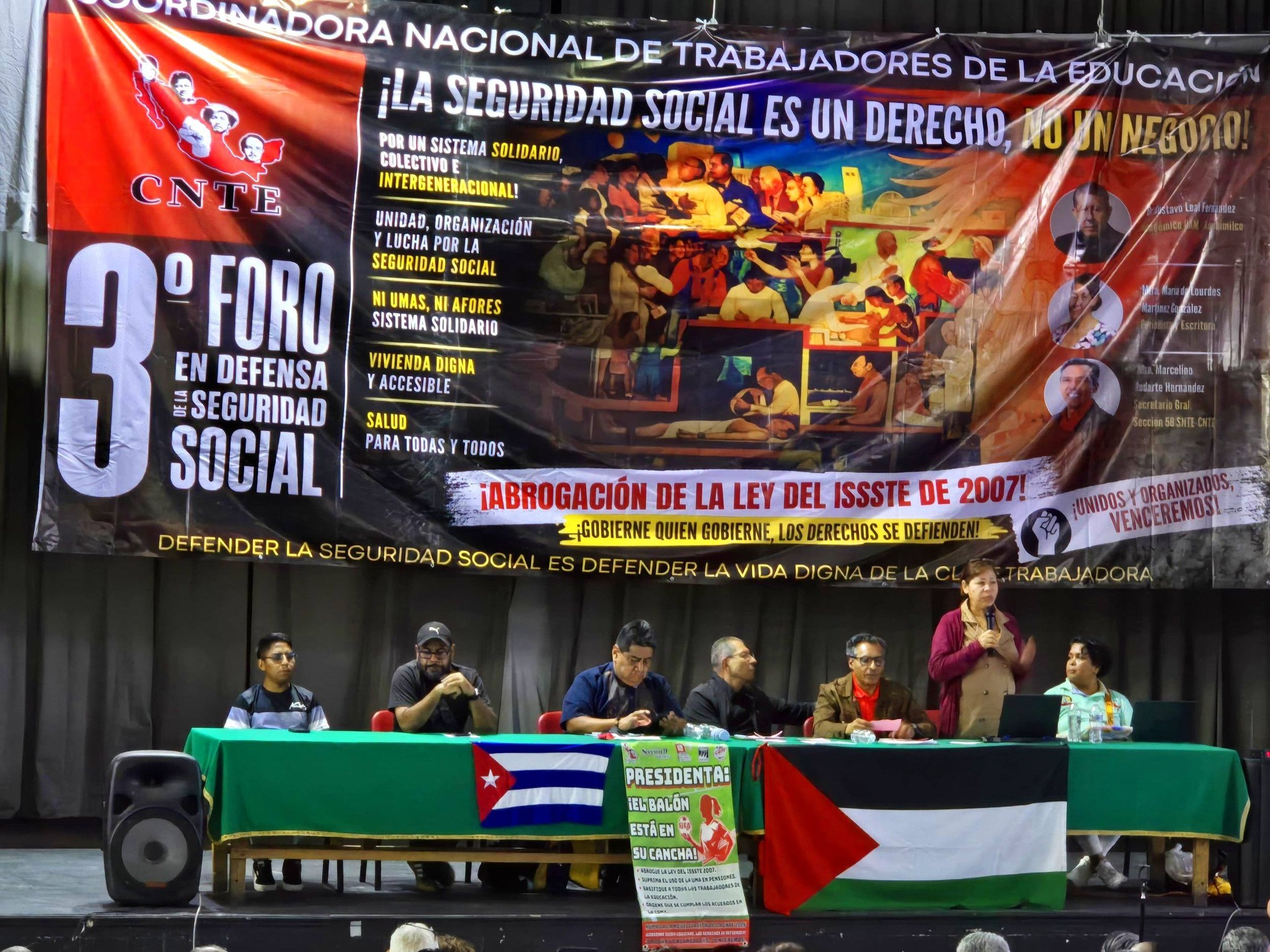
With marches, rallies, and protests in front of Education headquarters and the blockade of the border crossing in Nogales, Sonora, teachers demanded the repeal of the 2007 laws of the Institute of Security and Social Services for State Workers (ISSSTE) and the 1997 laws of the Mexican Social Security Institute (IMSS); the repeal of the 2012 education reform and a 100 percent increase to the base salary.
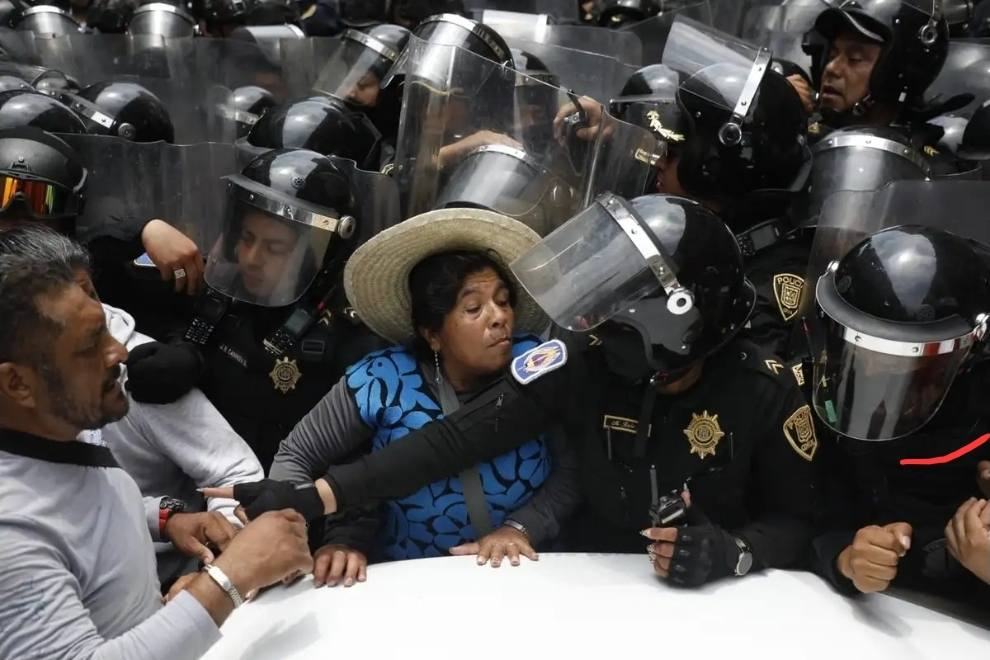
In Oaxaca, teachers from Section 22 of the CNTE teachers’ union mobilized in the state capital. César Zurita, the union’s organizing secretary, denounced the fact that, to date, meetings with President Claudia Sheinbaum are nonexistent, as she has not sat down to talk with them, “only sending lower-level officials.”
Regarding a possible boycott of the World Cup, he indicated that it remains part of the action plan, but everything will depend on the level of response from the federal government.
Meanwhile, in Chiapas, hundreds of teachers from section 7 of the National Union of Education Workers (SNTE), belonging to the CNTE, marched in the capital Tuxtla Gutiérrez and set up a protest camp in the central park.
Teachers’ leader Isael González Vázquez said: “Today we return to the streets not only for a march, but to restart the national strike that was suspended last year, since there were no concrete responses to our demands.”
He stated, “We are only demanding what is fair and what they themselves promised. Their advisors supposedly told them that repeal was possible, and now that they are in government, they tell us it isn’t.” He warned, “We will go as far as the grassroots say.”
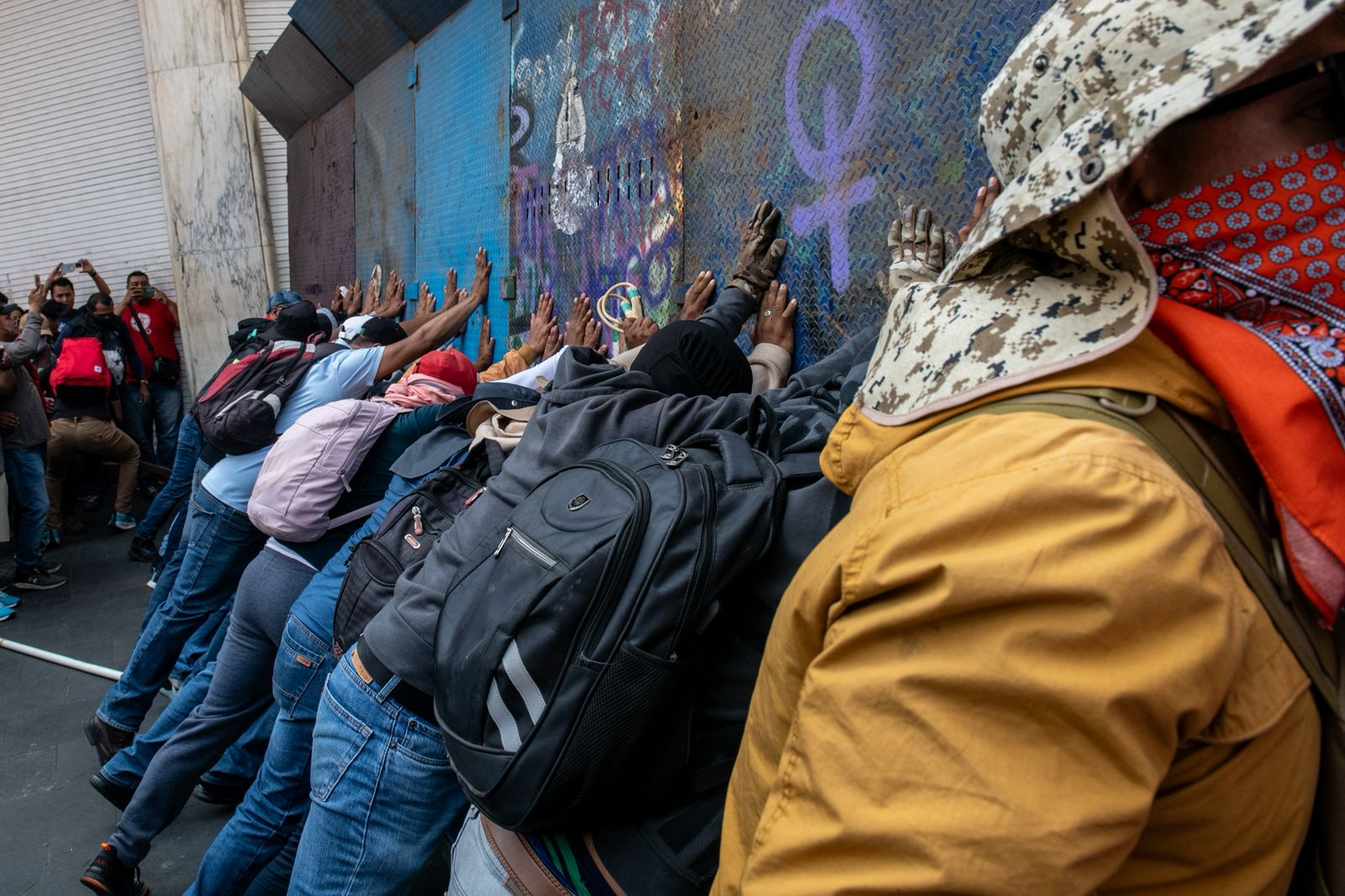
Teachers Take Over Guerrero Education Offices
In this context, members of the State Coordinating Committee of Education Workers in Guerrero (CETEG) took over the offices of the head of the State Education Secretariat in Chilpancingo, Ricardo Castillo Peña.
Another group closed the agency’s alternate offices in the city center and blocked traffic. Meanwhile, members of the United Front of Public Teacher Training Colleges of the State of Guerrero protested, demanding the delivery of teaching materials and computers.
In Morelos, at least 100 members of the CNTE gathered in front of the government palace in Cuernavaca to demand the elimination of the Afore (privatized retirement savings accounts), the right to retirement based on years of service – 28 years for women and 30 for men – and the payment of pensions calculated based on minimum wages.
Hundreds of teachers in Michoacán occupied the central offices of the Ministry of Education in Morelia to join the national teachers’ strike; however, it is estimated that more than 50 percent of the one million students had classes normally in the state.
Leaders of the different expressions of the CNTE, presided over by Jairo Mandujano and Eva Hinojosa, led the march from the exit to Pátzcuaro towards the government palace.
In Zacatecas, at least 20,000 members of section 34 of the SNTE, affiliated with the CNTE, marched through the main streets of the capital and held a rally in the main square.
The massive mobilization, in which two contingents of thousands of teachers converged to arrive in a coordinated manner at the historic center, was also joined in support by students from the Matías Santos Rural Normal School, from the community of San Marcos, municipality of Loreto, and dozens of farmers.

“Calderón imposed an illegal and harmful reform”
“Zacatecas is once again the epicenter of resistance in a Mexico that will not tolerate the cancellation of the possibility of a future…19 years ago the charros of the SNTE and the government of Felipe Calderón imposed an illegal and harmful reform on the teaching profession,” said mentor Hallier Morales, a member of the state leadership.
Hundreds of teachers from the federal education subsystem, grouped in the so-called Chihuahua Teachers’ Defense Network and dissidents from section 8 of the SNTE, joined the national strike with a blockade on the railroad tracks in the municipality of Delicias, while they released four toll booths in Camargo, Jiménez, Saucillo and the state capital.
The teachers also demonstrated at the offices of the Banco del Bienestar in the municipality of Madera, and held marches in Parral and Guachochi.
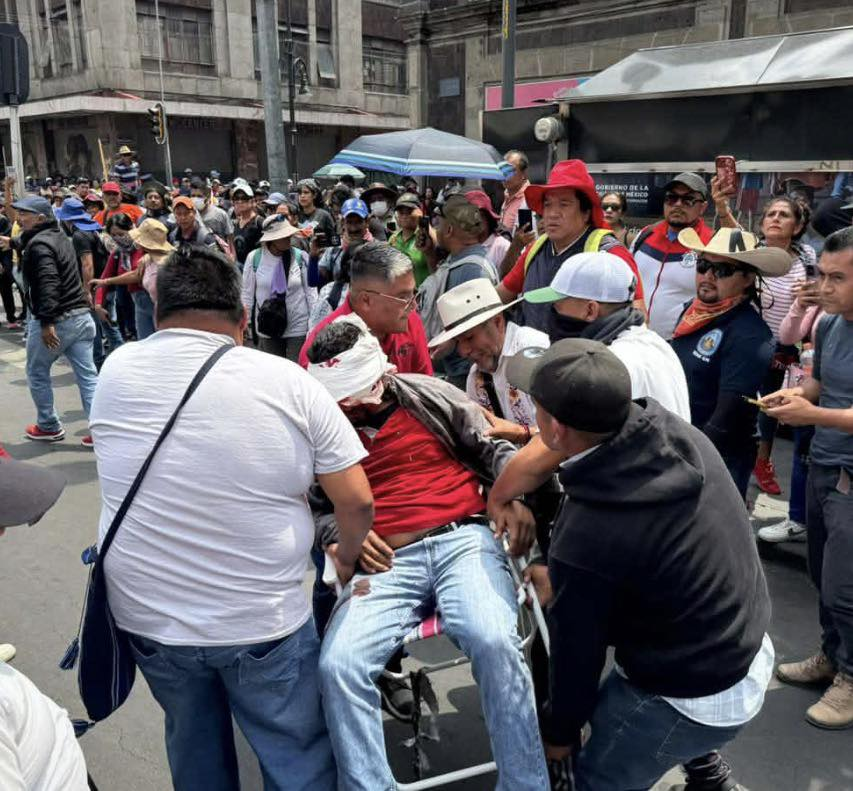
In Ciudad Juárez, more than one hundred teachers gathered at 7:30 p.m. at the mega-flag on Heroico Colegio Militar Avenue and walked to the Córdova-Las Américas international bridge, where they held an assembly to define the plan to follow.
In Nogales, Sonora, members of the CNTE blocked the border crossing from Mexico to the United States, as part of the demonstrations they are holding to demand the repeal of the 2007 ISSSTE Law and changes to the pension system managed through Afore.
The protest began around 9 a.m. at the international access point located in Plaza de la Bandera, where dozens of teachers gathered with banners outlining their labor demands.
Hundreds of teachers, divided into three factions, marched in Quintana Roo to join the national strike called by the CNTE. They warned that they would not accept a 9 percent salary increase, because the raise they are demanding is 100 percent.
In Sinaloa, teachers from different educational levels from municipalities such as Ahome, Guasave, El Fuerte and Choix, in the northern part of the state, marched in the vicinity of Venustiano Carranza Park and concluded in the Plazuela 27 de Septiembre, in the center of Los Mochis, where they set up a protest camp.

Correspondents: Jorge A. Pérez Alfonso, Elio Henríquez, Sergio Ocampo, Ernesto Martínez, Alfredo Valadez, Jesús Estrada, Cristina Gómez, Rubicela Morelos, Patricia Vázquez and Debate Sinaloa.
-
People’s Mañanera October 5
President Sheinbaum’s daily press conference, with comments on women’s rights, sovereignty, public approval, and social media violence.
-
Mexico Is a Leader in the Fight Against Hunger, United Nations Praises
WFP chief Carl Skau singled out Mexico’s school meals, front-of-package labeling and local purchasing, models already being shared with Colombia and Peru.
-
Historic 36% Reduction in Daily Incidence of Femicides in Mexico, Reports the Secretariat of Women
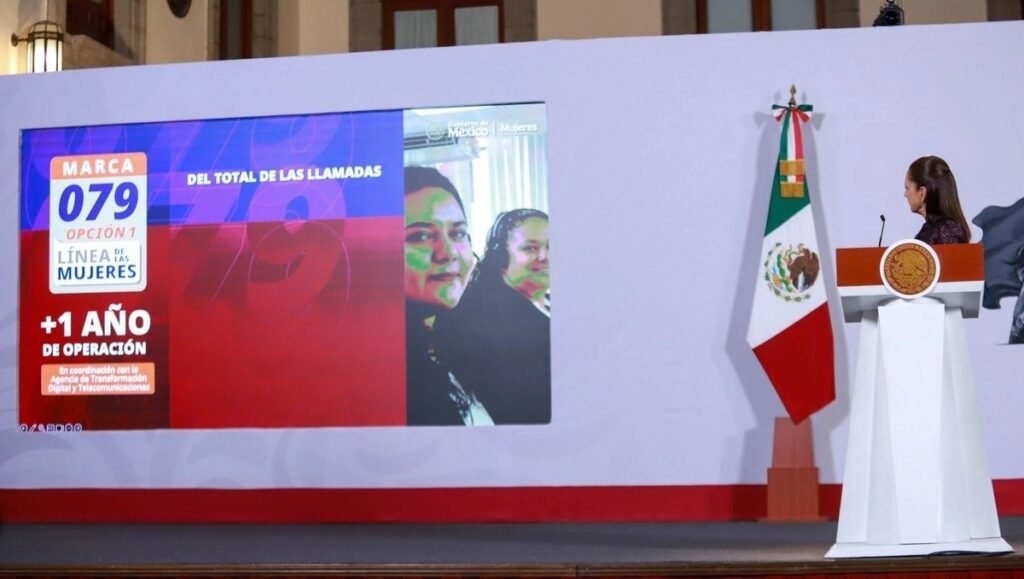
The 079 option 1 Women’s Line has taken 20,000 calls in just over a year and detected femicidal violence in a third of them.