Work at Mexico’s Security Secretariat Does Not Allow a Parallel Agenda for 2030, García Harfuch Says
This article by Fernando Camacho and Enrique Méndez originally appeared in the October 8, 2026 edition of La Jornada, Mexico’s premier left wing daily newspaper.
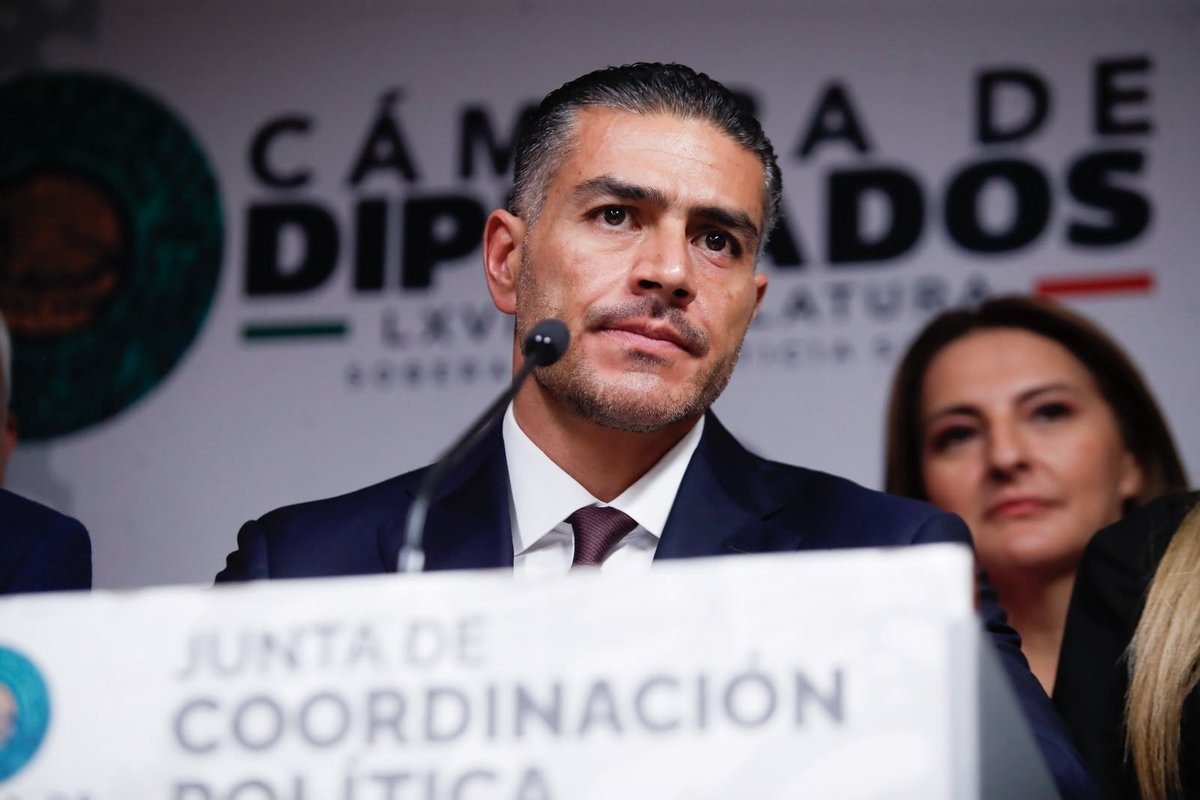
Mexico City. His work at the head of the Secretariat of Security and Citizen Protection (SSPC) does not allow him to have a “parallel agenda” heading into the 2030 presidential elections, said Omar García Harfuch, who stated that the exchange of information with the United States does not imply pressure from that country to detain priority targets.
After appearing this Thursday for nearly three hours before the Political Coordination Board (Jucopo) of the Chamber of Deputies, the official referred to the comments of Senator Manuel Velasco of the Ecologist Green Party of Mexico (PVEM), who recently stated that if García Harfuch “decided to participate in 2030, and maintains his good work and popularity, it would be a winning project.”
The Security Secretary noted that “a good comment from the senator is always appreciated; however—I say this with complete transparency—the task and the opportunity that President Claudia Sheinbaum gave me to serve as Security Secretary does not allow for a parallel agenda, and even less so when we have such sensitive crimes as disappeared persons, extortion” and other crimes.
It would be a lack of respect on my part toward the victims and toward my own colleagues who are working throughout the national territory to be thinking about other things that are not my job, what the President instructed me to do.
Omar García Harfuch
Information Exchange With the United States
Asked about the scope of the information exchange with U.S. authorities and its limits, particularly amid the climate of “interference” denounced by the federal Executive, García Harfuch indicated that “it is not a question of will, but of what our law establishes.”
He added that “the Mexican Constitution is very clear about how far this information exchange and foreign participation can go. The only thing we can do, and are permitted to do by Mexican laws, is exchange information with full respect for our sovereignty.”
García Harfuch clarified: “we have a permanent, daily exchange of information, and often when we say there was some on a criminal leader, it is not that they told us ‘here he is, go get him.’ If only it were so! It is an exchange that over time led to them being able to build a case in the United States for people who are going to have an extradition order here, or an exchange of information for activities they carry out there, where we also provide information to them.”
Risks of Criminal Infiltration in the 2027 Elections Under Review
Asked about the actions to prevent a possible infiltration of organized crime in the 2027 elections, the head of the SSPC reported that he held a meeting with the presiding councilor of the National Electoral Institute (INE), Guadalupe Taddei.
Also participating in the meeting were representatives of the Legal Counsel of the Presidency, Luis Alcalde; the head of the Office of the Attorney General of the Republic (FGR), Ernestina Godoy; and the director of the National Intelligence Center, Francisco Almazán Barocio.
The objective was to review the issue and “analyze the red flags there have been in the past and be able to prevent them in the future.”
García Harfuch insisted that “we are working to determine the red flags and we will announce later on the actions that will be carried out.”
He noted that this is a task that does not correspond exclusively to the SSPC, but rather requires the collaboration of other institutions of the Security Cabinet, among them the Secretariats of National Defense and of the Navy, as well as the National Guard.
-
Mexicana Expects to Reach Profitability Starting in 2030
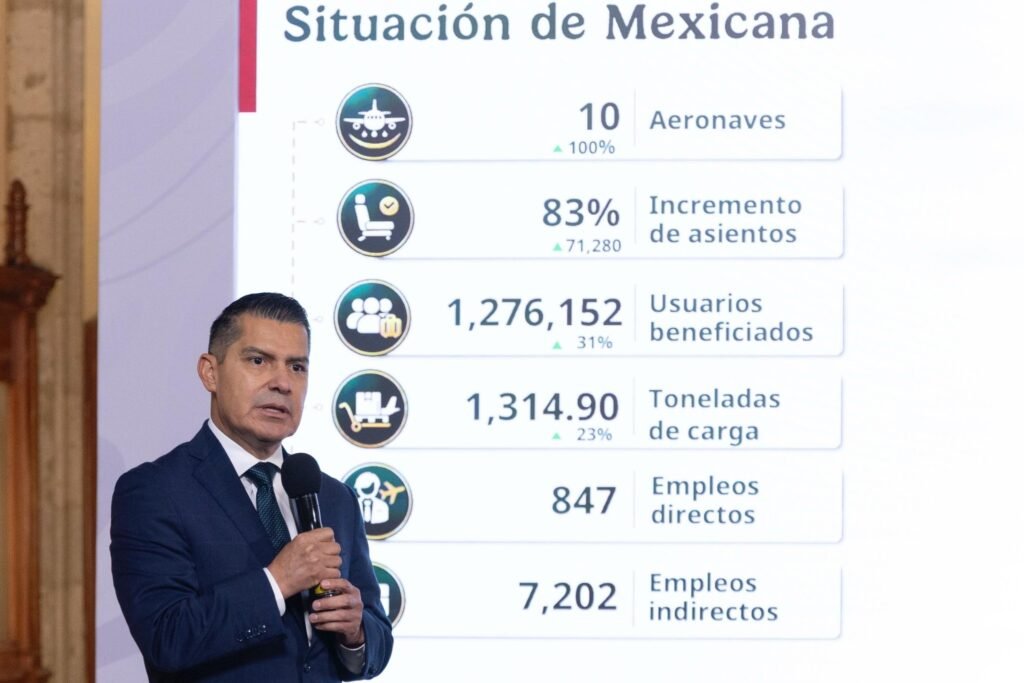
Mexico’s state airline plans to double its fleet to 20 planes by 2027, after boosting seat capacity 83 percent this year and carrying over 1.27 million passengers.
-
Mexican Government Plans Investment of 1.168 Trillion Pesos in Electricity and Gas Pipelines
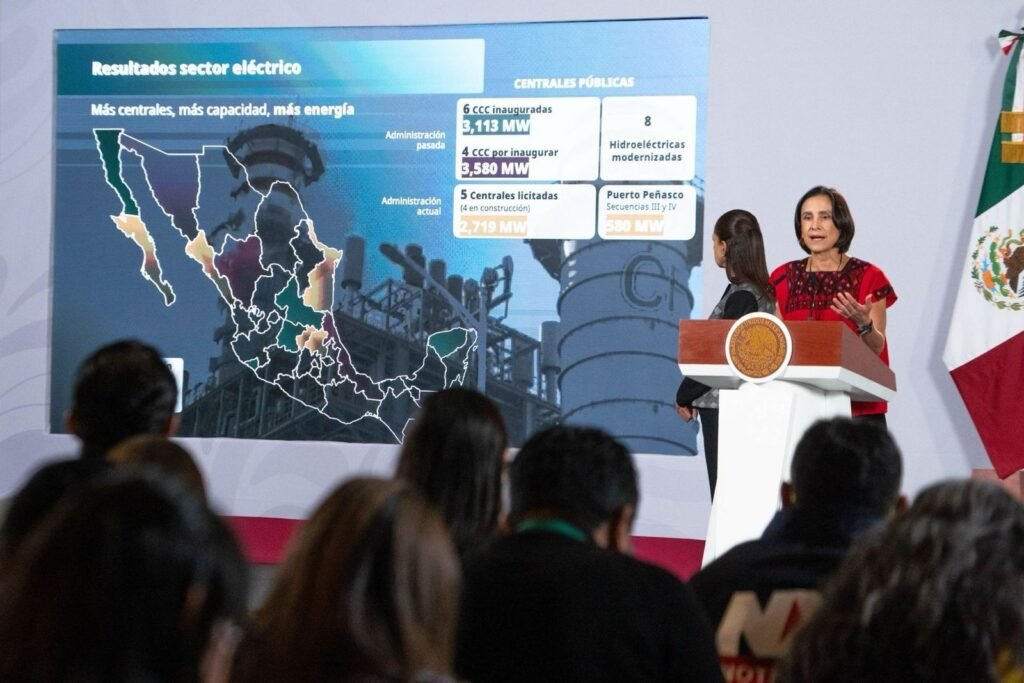
Most of the money goes to generation, plus 140 billion pesos for gas pipelines, since power plants burn about 60% of the country’s natural gas.
-
US Goes Behind Sheinbaum’s Back – Soberanía 127
Ron Johnson’s unauthorized police academy in Querétaro, AMLO’s return with his new book “Pueblo,” Brazil’s tight Lula–Bolsonaro runoff, and Meta censoring journalism.